The Second Central Laboratory, Key Lab of Integrative Chinese and Western medicine for the Diagnosis and Treatment of Circulatory Diseases of Zhejiang Province, The First Affiliated Hospital of Zhejiang Chinese Medical University, Hangzhou, 310006, China.
BMC Cancer. 2021 Feb 18;21(1):175. doi: 10.1186/s12885-021-07886-6.
Apoptosis-related genes(Args)play an essential role in the occurrence and progression of hepatocellular carcinoma(HCC). However, few studies have focused on the prognostic significance of Args in HCC. In the study, we aim to explore an efficient prognostic model of Asian HCC patients based on the Args.
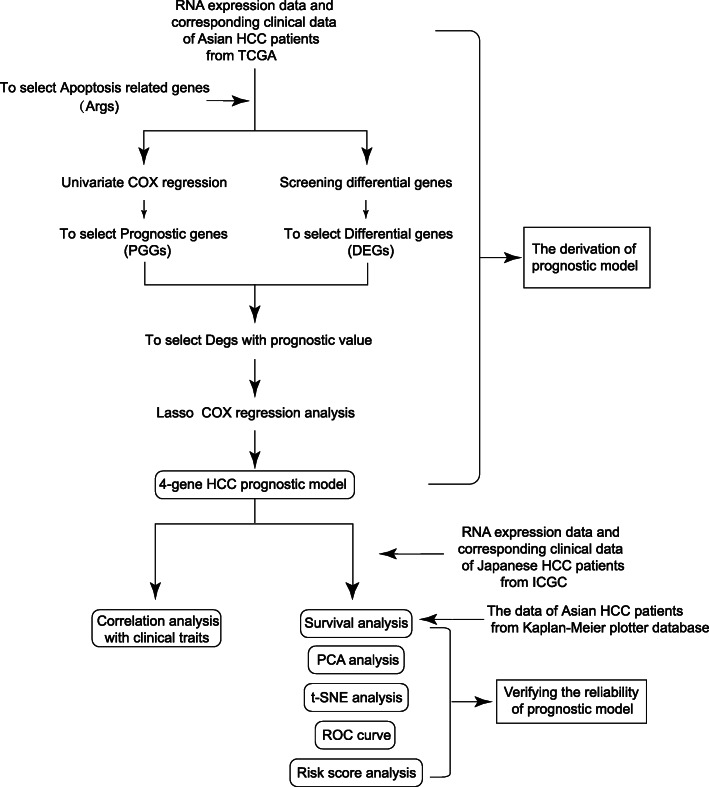
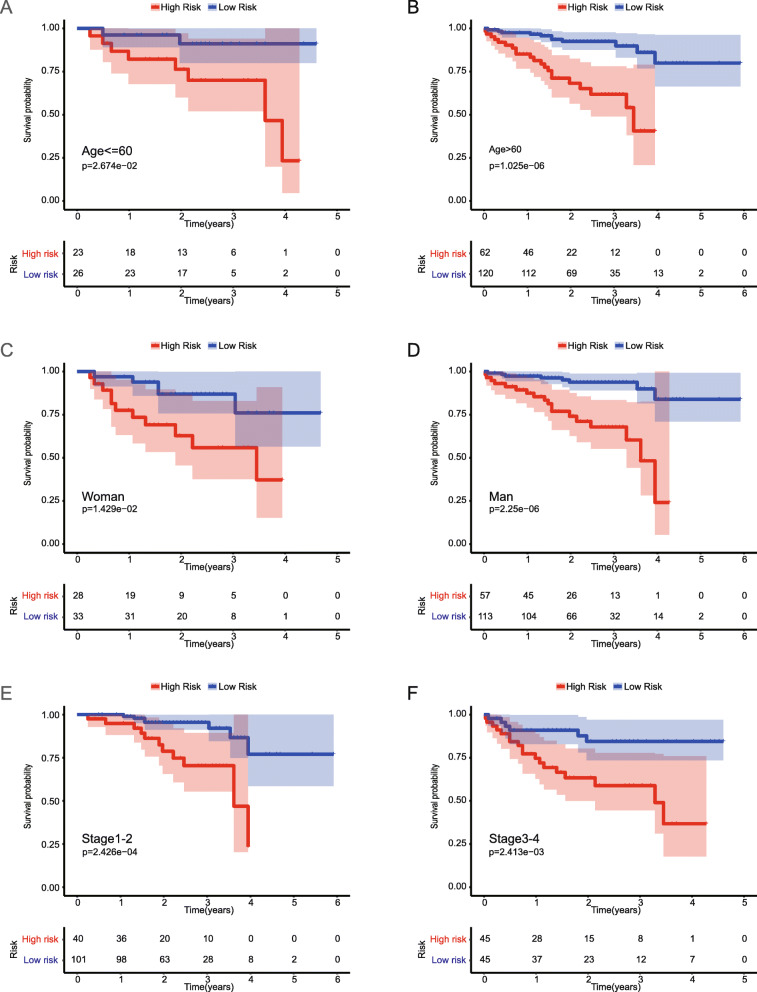
We downloaded mRNA expression profiles and corresponding clinical data of Asian HCC patients from The Cancer Genome Atlas (TCGA) and International Cancer Genome Consortium (ICGC) databases. The Args were collected from Deathbase, a database related to cell death, combined with the research results of GeneCards、National Center for Biotechnology Information (NCBI) databases and a lot of literature. We used Wilcoxon-test and univariate Cox analysis to screen the differential expressed genes (DEGs) and the prognostic related genes (PRGs) of HCC. The intersection genes of DEGs and PGGs were seen as crucial Args of HCC. The prognostic model of Asian HCC patients was constructed by least absolute shrinkage and selection operator (lasso)- proportional hazards model (Cox) regression analysis. Kaplan-Meier curve, Principal Component Analysis (PCA) analysis, t-distributed Stochastic Neighbor Embedding (t-SNE) analysis, risk score curve, receiver operating characteristic (ROC) curve, and the HCC data of ICGC database and the data of Asian HCC patients of Kaplan-Meier plotter database were used to verify the model.
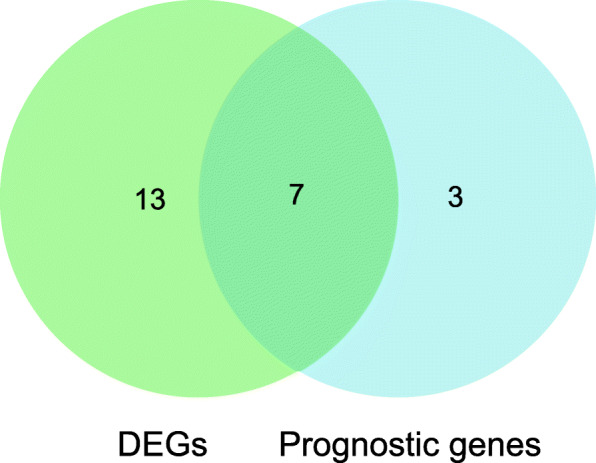
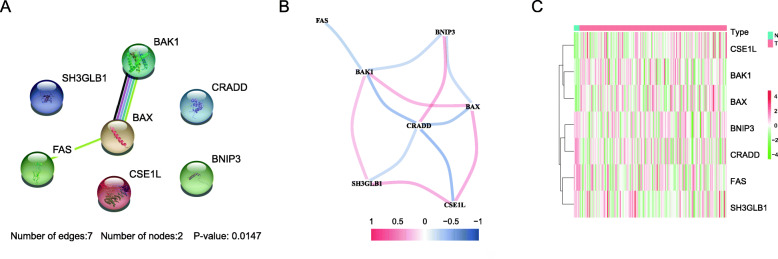
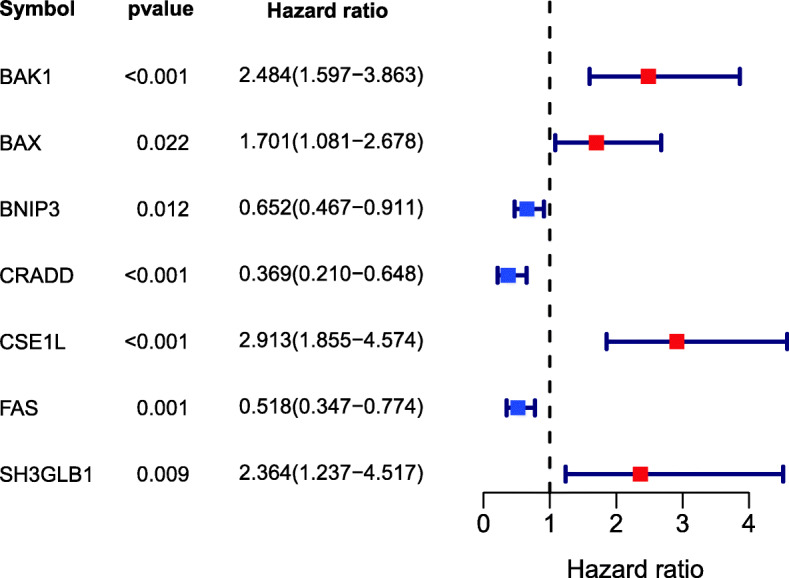
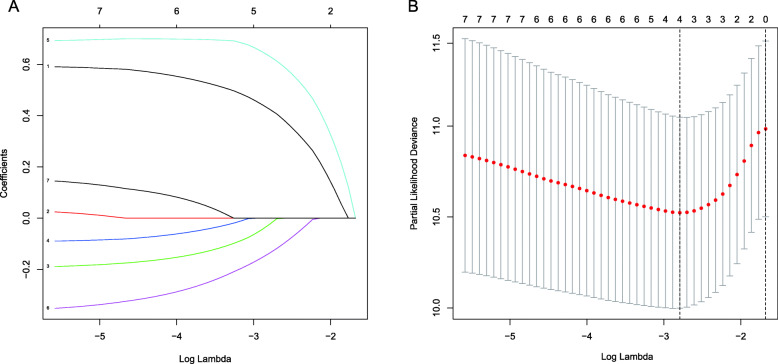
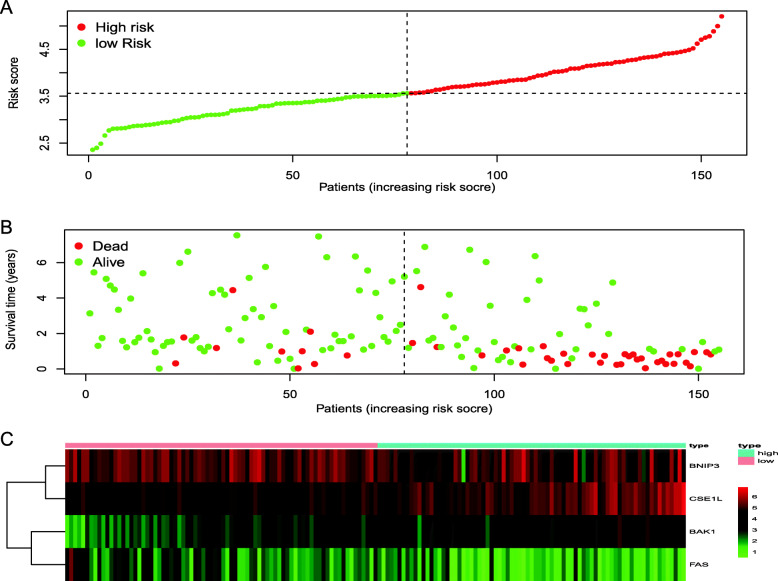
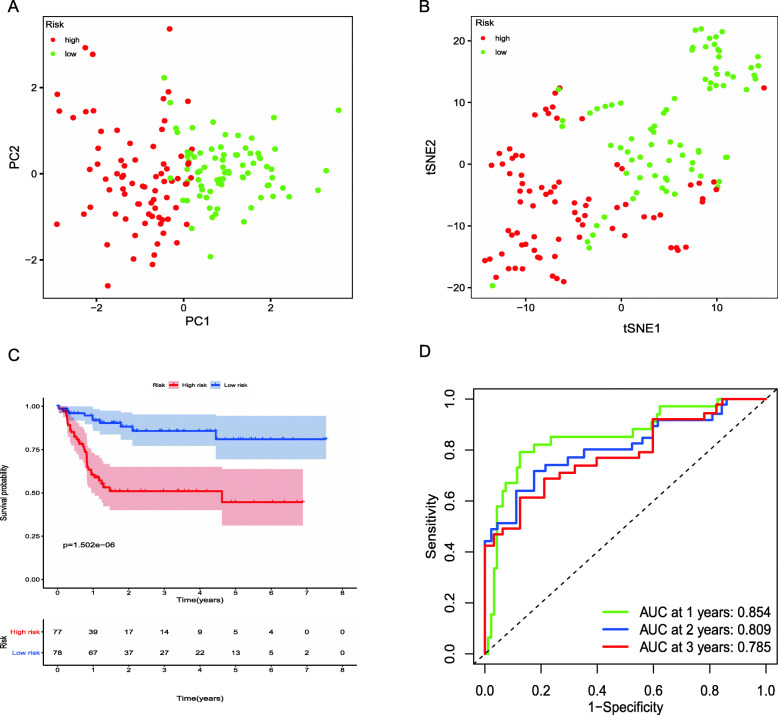
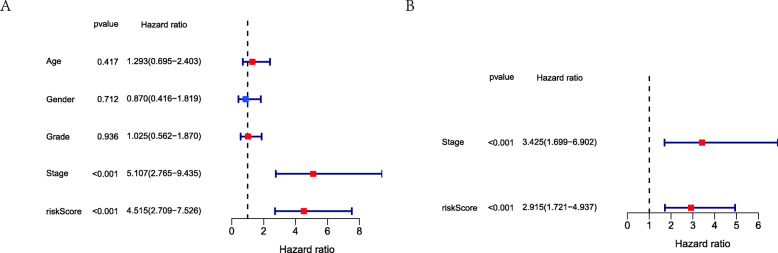
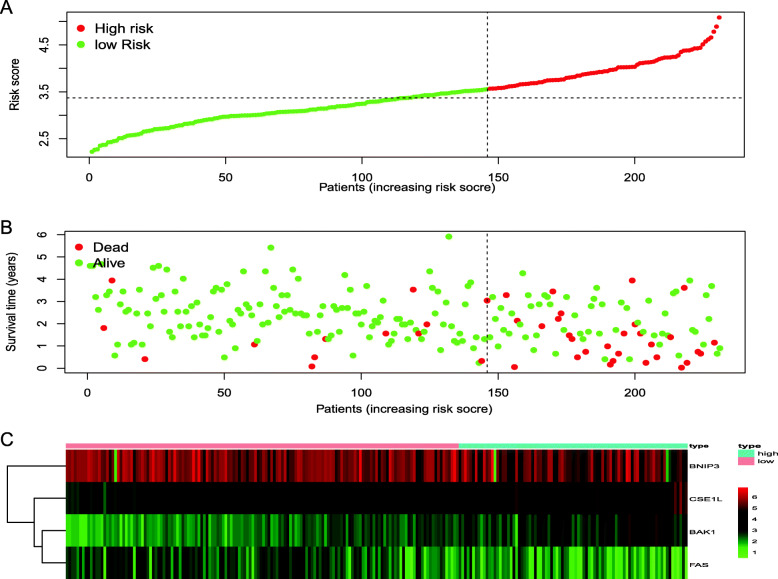
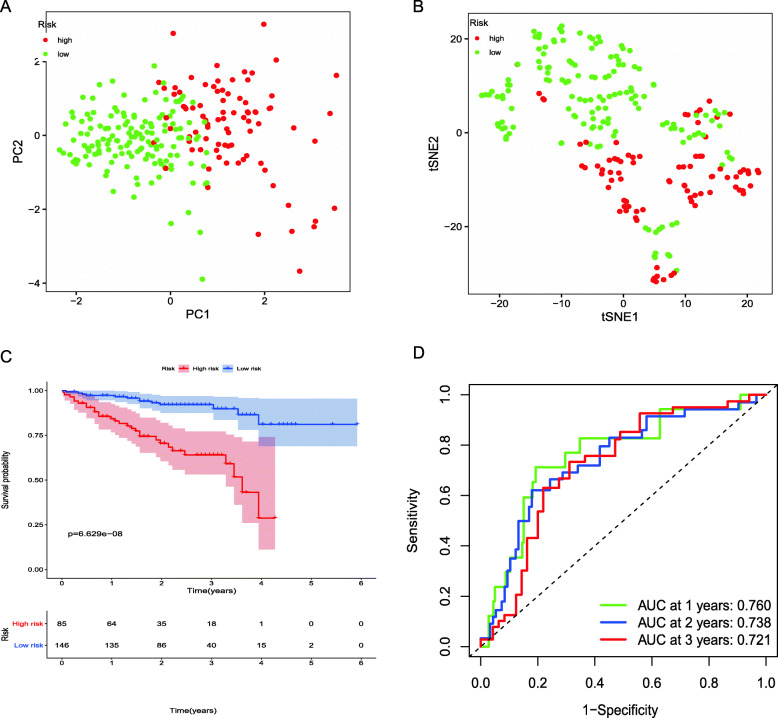
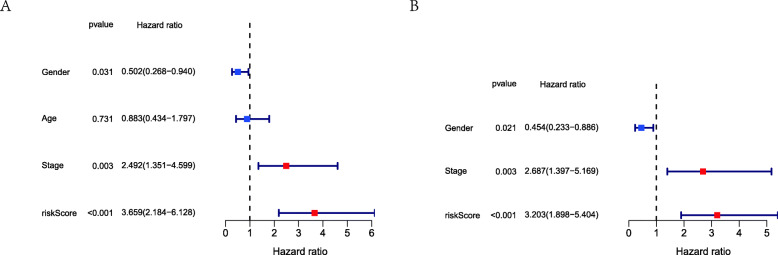
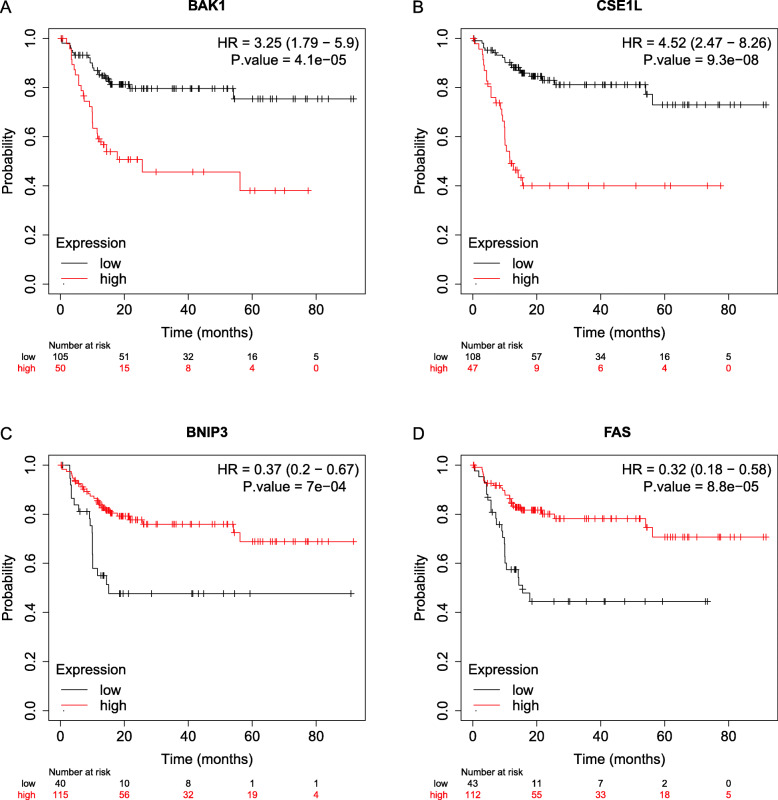
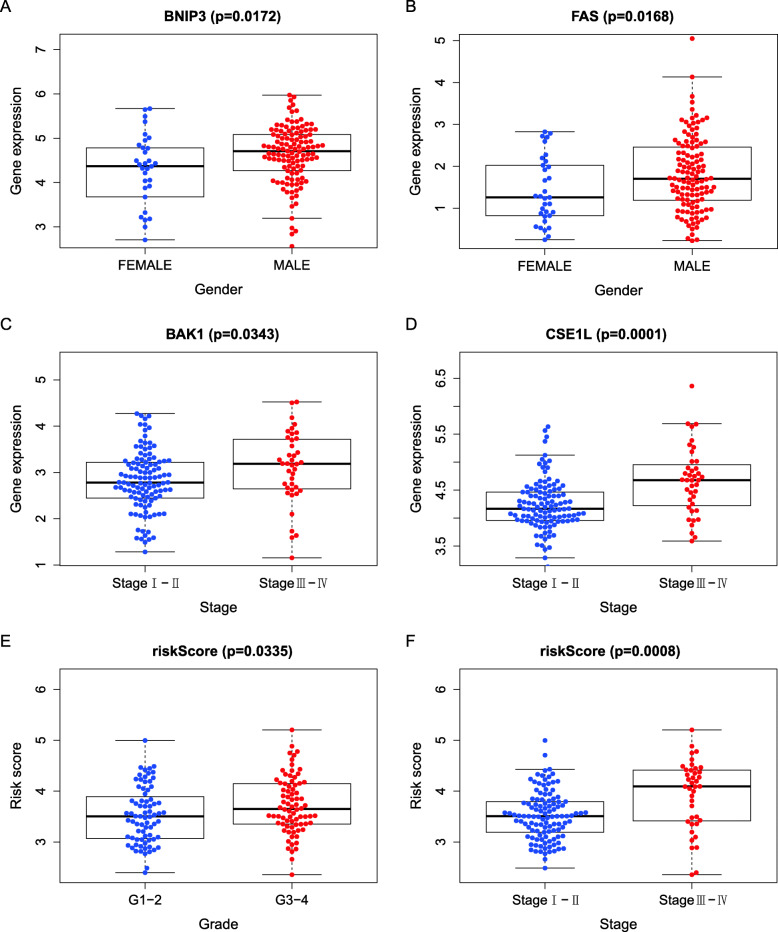
A total of 20 of 56 Args were differentially expressed between HCC and adjacent normal tissues (p < 0.05). Univariate Cox regression analysis showed that 10 of 56 Args were associated with survival time and survival status of HCC patients (p < 0.05). There are seven overlapping genes of these 20 and 10 genes, including BAK1, BAX, BNIP3, CRADD, CSE1L, FAS, and SH3GLB1. Through Lasso-Cox analysis, an HCC prognostic model composed of BAK1, BNIP3, CSE1L, and FAS was constructed. Kaplan-Meier curve, PCA, t-SNE analysis, risk score curve, ROC curve, and secondary verification of ICGC database and Kaplan-Meier plotter database all support the reliability of the model.
Lasso-Cox regression analysis identified a 4-gene prognostic model, which integrates clinical and gene expression and has a good effect. The expression of Args is related to the prognosis of HCC patients, but the specific mechanism remains to be further verified.
细胞凋亡相关基因(Args)在肝细胞癌(HCC)的发生和发展中起着至关重要的作用。然而,很少有研究关注 Args 在 HCC 中的预后意义。在这项研究中,我们旨在基于 Args 探索一种有效的亚洲 HCC 患者预后模型。
我们从癌症基因组图谱(TCGA)和国际癌症基因组联盟(ICGC)数据库下载了亚洲 HCC 患者的 mRNA 表达谱和相应的临床数据。Args 从与细胞死亡相关的数据库 Deathbase 中收集,结合 GeneCards、国家生物技术信息中心(NCBI)数据库的研究结果和大量文献。我们使用 Wilcoxon 检验和单因素 Cox 分析筛选 HCC 的差异表达基因(DEGs)和预后相关基因(PRGs)。DEGs 和 PGGs 的交集基因被视为 HCC 的关键 Args。通过最小绝对收缩和选择算子(lasso)-比例风险模型(Cox)回归分析构建亚洲 HCC 患者的预后模型。Kaplan-Meier 曲线、主成分分析(PCA)分析、t 分布随机邻嵌入(t-SNE)分析、风险评分曲线、接收者操作特征(ROC)曲线以及 ICGC 数据库的 HCC 数据和 Kaplan-Meier plotter 数据库的亚洲 HCC 患者数据用于验证模型。
HCC 与相邻正常组织之间共有 20 个 Args 存在差异表达(p<0.05)。单因素 Cox 回归分析显示,56 个 Args 中有 10 个与 HCC 患者的生存时间和生存状态相关(p<0.05)。这 20 个和 10 个基因中有 7 个重叠基因,包括 BAK1、BAX、BNIP3、CRADD、CSE1L、FAS 和 SH3GLB1。通过 Lasso-Cox 分析,构建了由 BAK1、BNIP3、CSE1L 和 FAS 组成的 HCC 预后模型。Kaplan-Meier 曲线、PCA、t-SNE 分析、风险评分曲线、ROC 曲线以及 ICGC 数据库和 Kaplan-Meier plotter 数据库的二次验证均支持该模型的可靠性。
Lasso-Cox 回归分析确定了一个 4 基因预后模型,该模型综合了临床和基因表达,效果良好。Args 的表达与 HCC 患者的预后相关,但具体机制仍需进一步验证。