Yu Zhongxiang, Zou Hanlin, Wang Huihao, Li Qi, Yu Dong
Department of Orthopaedics, Shuguang Hospital Affiliated to Shanghai Traditional Chinese Medical University, Shanghai, China.
Department of Orthopedics, Putuo Hospital Affiliated to Shanghai Traditional Chinese Medical University, Shanghai, China.
Front Oncol. 2021 Feb 2;10:571524. doi: 10.3389/fonc.2020.571524. eCollection 2020.
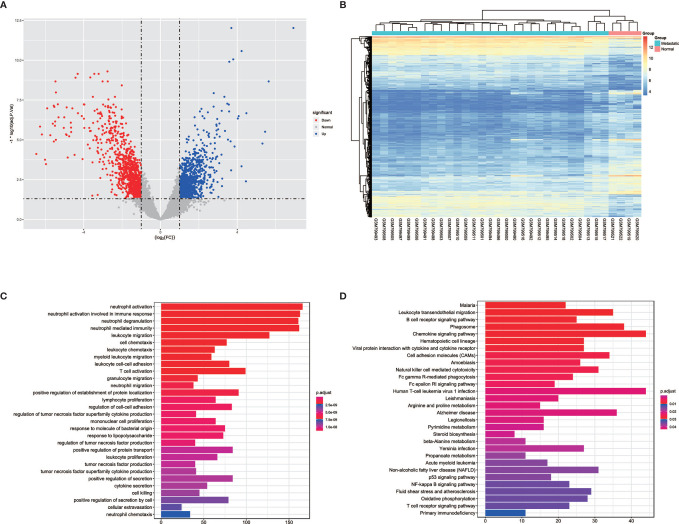
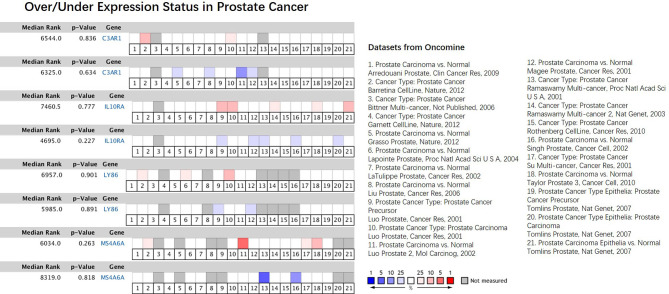
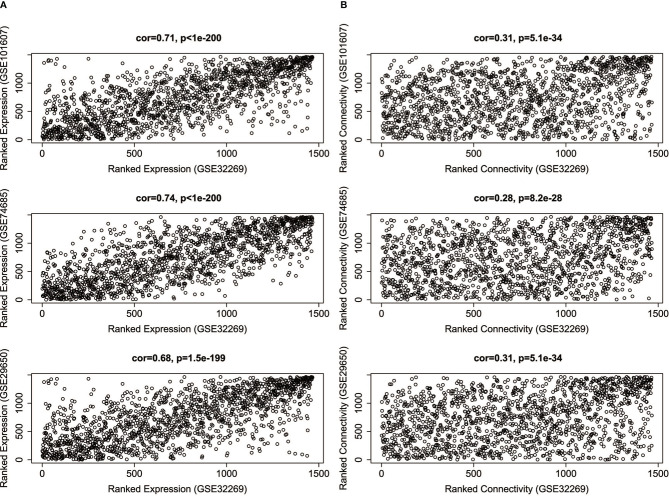
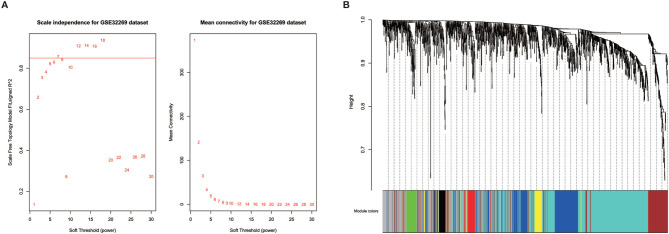
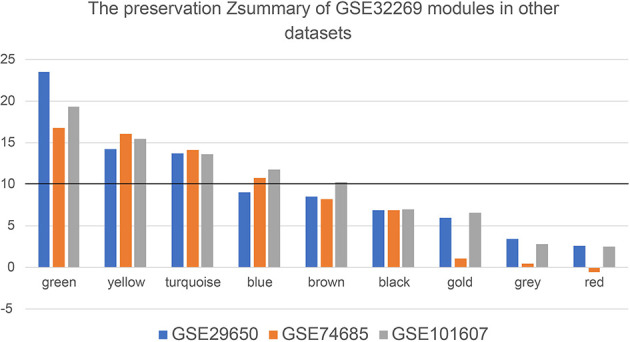
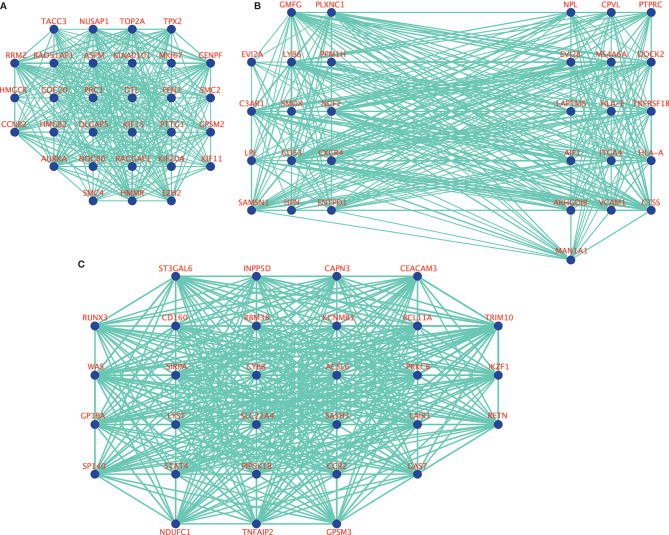
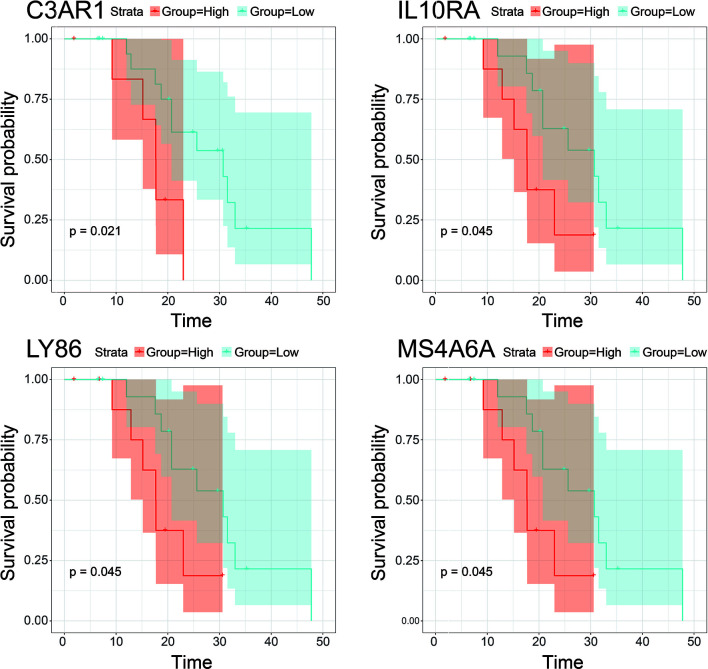
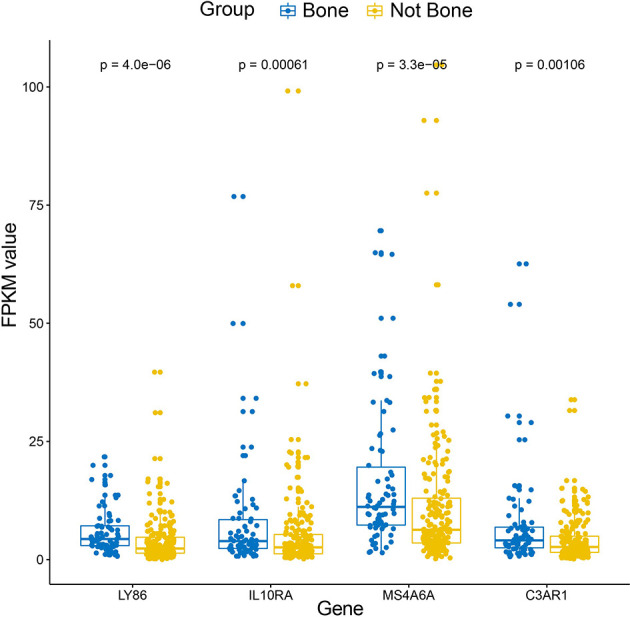
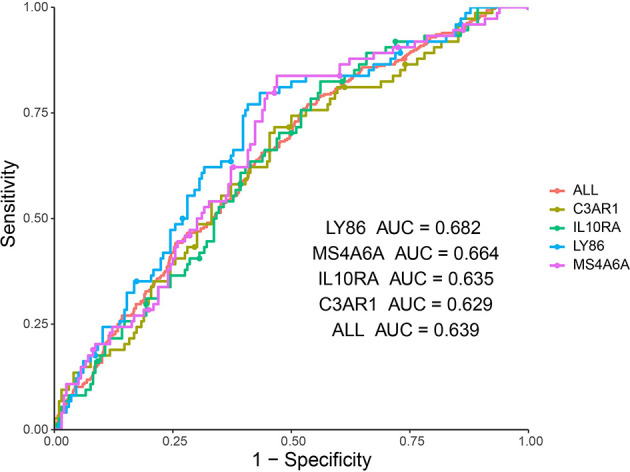
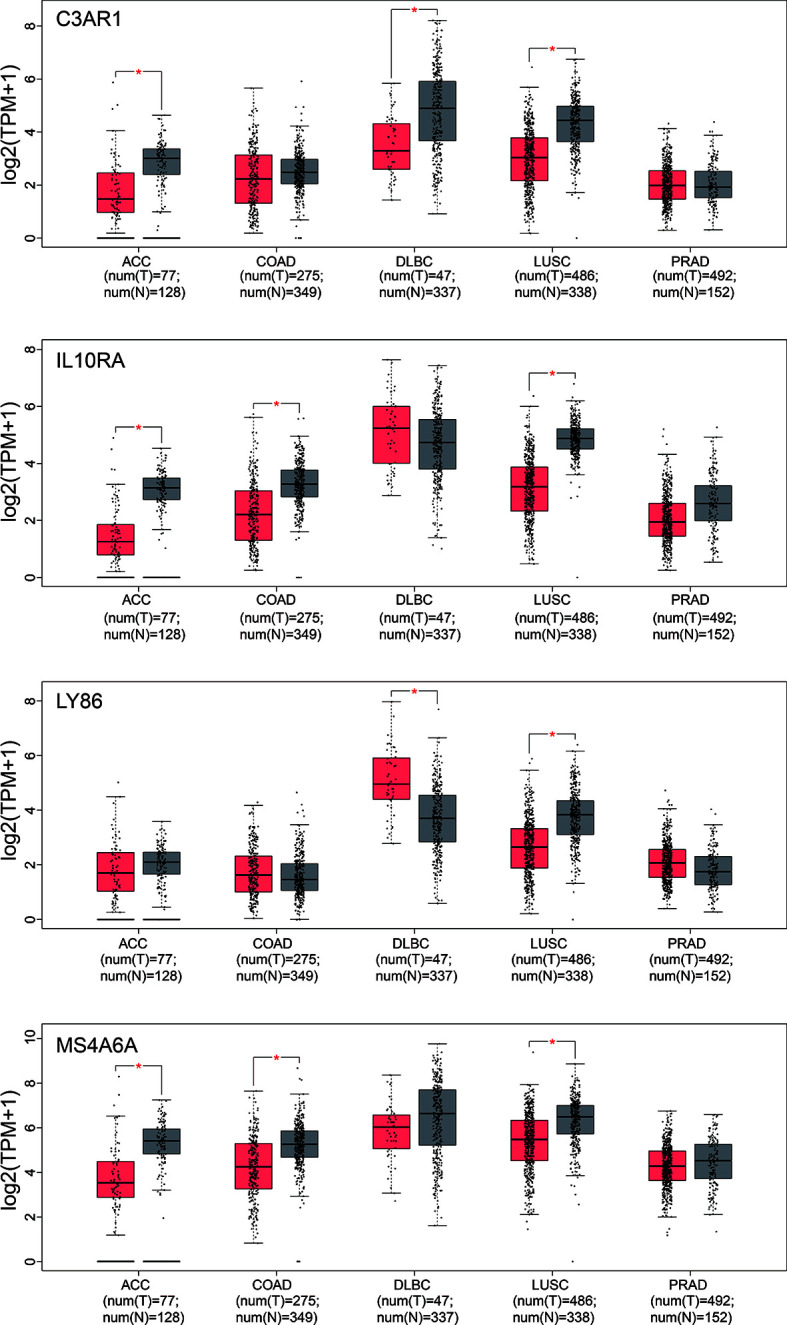
About 80-90% of castration-resistant prostate cancer (CRPC) patients would develop bone metastasis. However, the molecular mechanisms of bone metastasis are still not clear. This study aimed to detect the differences between the tumor and normal samples in bone after metastatic colonization. Four transcriptional datasets (GSE32269, GSE101607, GSE29650, and GSE74685) were obtained from the GEO database. 1983 differentially expressed genes (DEGs) were first identified between tumor and normal marrow samples in GSE32269. Most of the top 10 up-regulated DEGs are related with prostate cancer, and the top 10 down-regulated DEGs are mainly related with bone development. Seven co-expression modules were then detected based on the 1469 DEGs shared by the four datasets. Three of them were found highly preserved among the four datasets. Enrichment analysis showed that the three modules were respectively enriched in Cell adhesion molecules (CAMs), Leukocyte transendothelial migration and cell cycle, which might play significantly important roles in the tumor development in bone marrow. Ten, 17, and 99 hub genes for each module were then identified. And four genes (C3AR1, IL10RA, LY86, and MS4A6A) were detect to be tightly related to progression of bone metastatic CRPC. ROC curve was plotted and AUC was calculated to distinguish tumor and normal bone marrow samples as well as bone and non-bone metastatic CRPCs. The present study identified key genes and modules involved in bone metastatic CRPCs, which may provide new insights and biomarkers for understanding of the molecular mechanisms of bone metastatic CRPC.
约80 - 90%的去势抵抗性前列腺癌(CRPC)患者会发生骨转移。然而,骨转移的分子机制仍不清楚。本研究旨在检测转移性定植后骨组织中肿瘤样本与正常样本之间的差异。从基因表达综合数据库(GEO数据库)中获取了四个转录数据集(GSE32269、GSE101607、GSE29650和GSE74685)。首先在GSE32269中鉴定出1983个差异表达基因(DEG),这些基因存在于肿瘤骨髓样本和正常骨髓样本之间。上调程度最高的前10个DEG中的大多数与前列腺癌相关,而下调程度最高的前10个DEG主要与骨骼发育相关。然后基于四个数据集共有的1469个DEG检测到七个共表达模块。其中三个在四个数据集中高度保守。富集分析表明,这三个模块分别富集于细胞黏附分子(CAMs)、白细胞跨内皮迁移和细胞周期,这可能在骨髓肿瘤发展中发挥重要作用。然后为每个模块鉴定出10个、17个和99个枢纽基因。并且检测到四个基因(C3AR1、IL10RA、LY86和MS4A6A)与骨转移性CRPC的进展密切相关。绘制ROC曲线并计算AUC,以区分肿瘤骨髓样本与正常骨髓样本以及骨转移性CRPC与非骨转移性CRPC。本研究鉴定出参与骨转移性CRPC的关键基因和模块,这可能为理解骨转移性CRPC的分子机制提供新的见解和生物标志物。