Department of Integrative Biology & PhysiologyUniversity of Minnesota Medical SchoolMinneapolisMN.
Departments of Immunology and Laboratory Medicine & PathobiologyUniversity of TorontoTorontoONCanada.
Hepatology. 2021 Aug;74(2):704-722. doi: 10.1002/hep.31755.
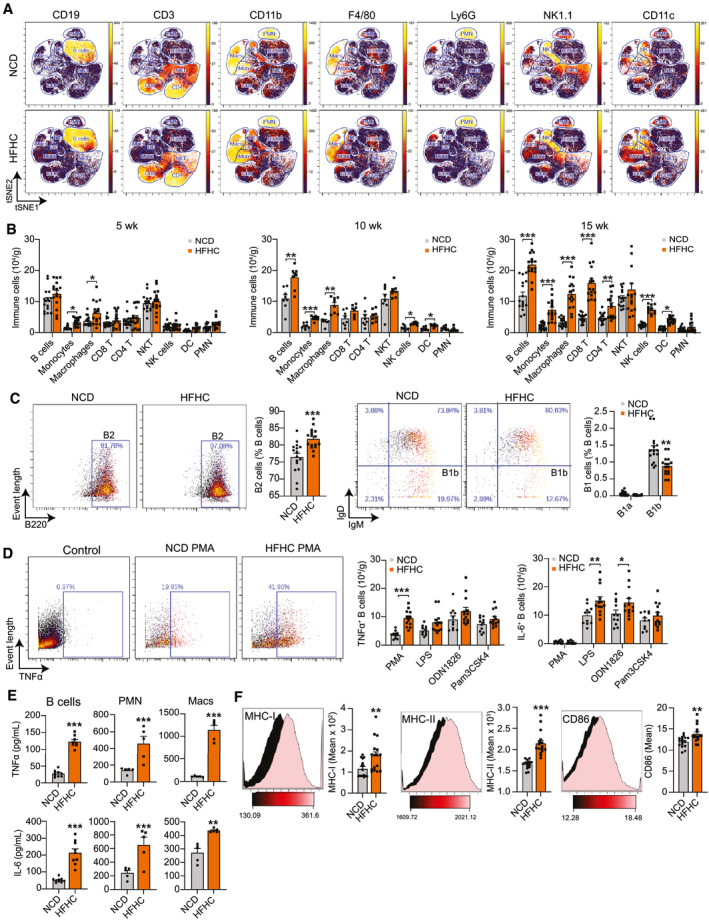
Nonalcoholic steatohepatitis is rapidly becoming the leading cause of liver failure and indication for liver transplantation. Hepatic inflammation is a key feature of NASH but the immune pathways involved in this process are poorly understood. B lymphocytes are cells of the adaptive immune system that are critical regulators of immune responses. However, the role of B cells in the pathogenesis of NASH and the potential mechanisms leading to their activation in the liver are unclear.
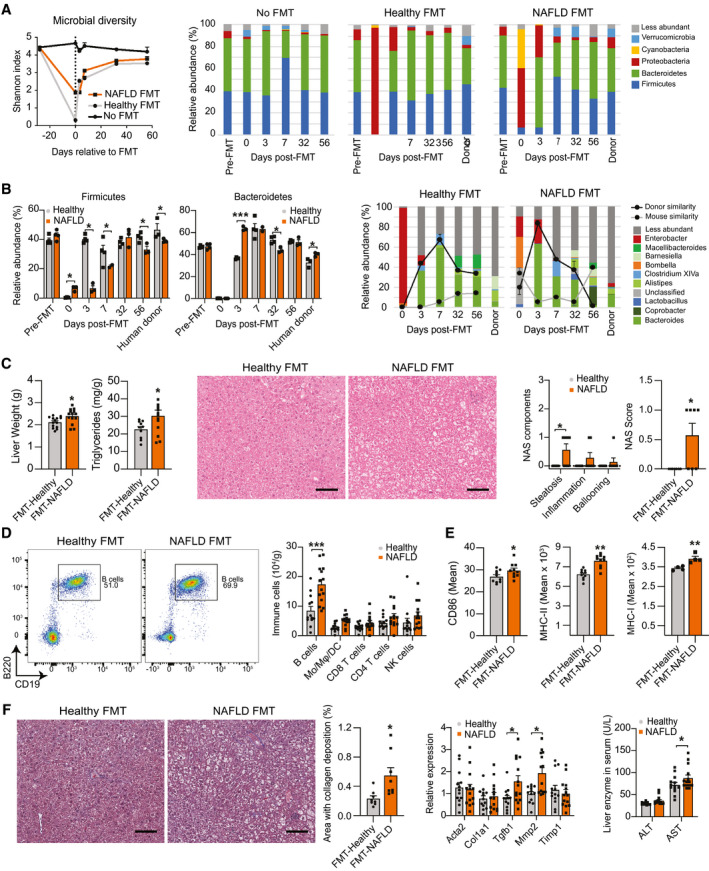
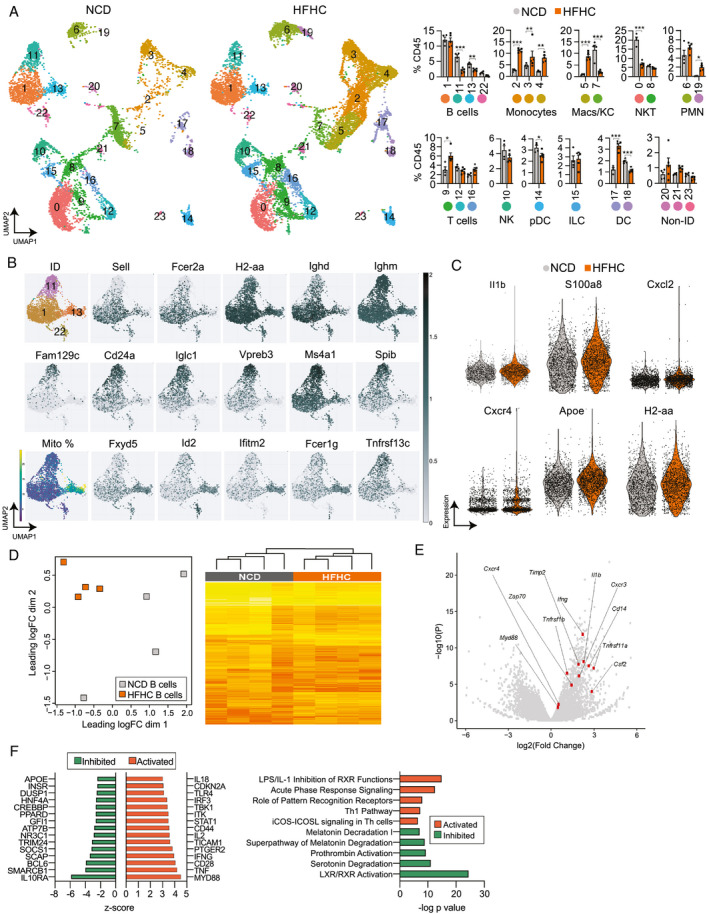
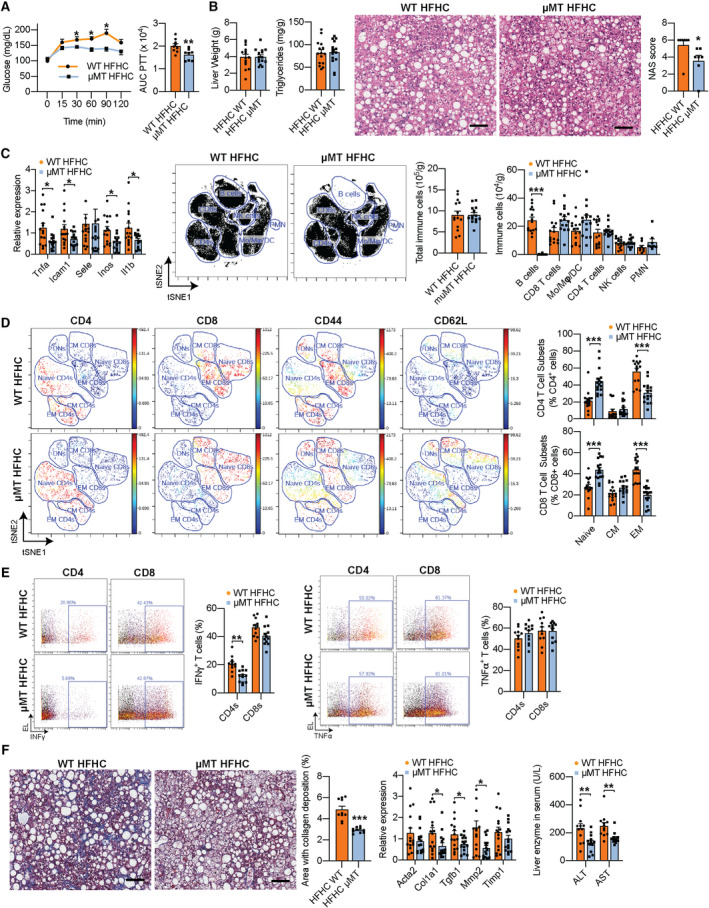
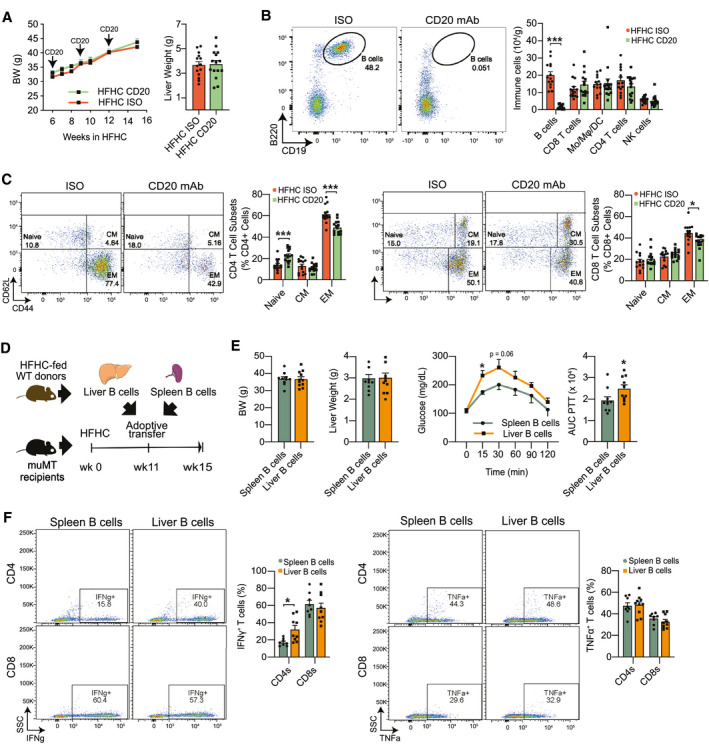
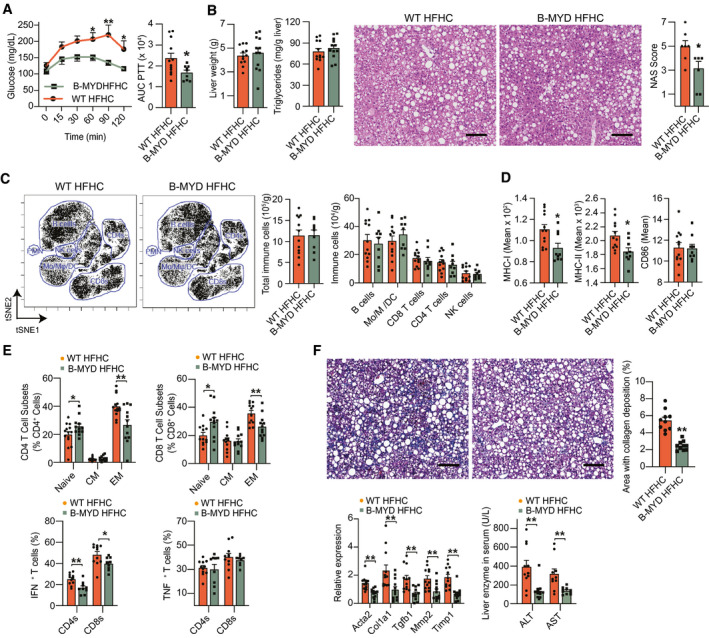
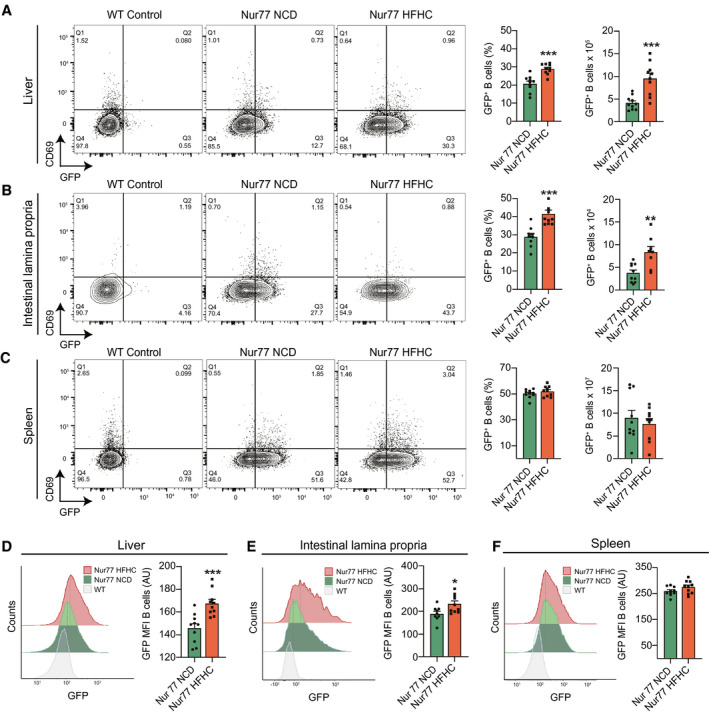
In this study, we report that NASH livers accumulate B cells with elevated pro-inflammatory cytokine secretion and antigen-presentation ability. Single-cell and bulk RNA sequencing of intrahepatic B cells from mice with NASH unveiled a transcriptional landscape that reflects their pro-inflammatory function. Accordingly, B-cell deficiency ameliorated NASH progression, and adoptively transferring B cells from NASH livers recapitulates the disease. Mechanistically, B-cell activation during NASH involves signaling through the innate adaptor myeloid differentiation primary response protein 88 (MyD88) as B cell-specific deletion of MyD88 reduced hepatic T cell-mediated inflammation and fibrosis, but not steatosis. In addition, activation of intrahepatic B cells implicates B cell-receptor signaling, delineating a synergy between innate and adaptive mechanisms of antigen recognition. Furthermore, fecal microbiota transplantation of human NAFLD gut microbiotas into recipient mice promoted the progression of NASH by increasing the accumulation and activation of intrahepatic B cells, suggesting that gut microbial factors drive the pathogenic function of B cells during NASH.
Our findings reveal that a gut microbiota-driven activation of intrahepatic B cells leads to hepatic inflammation and fibrosis during the progression of NASH through innate and adaptive immune mechanisms.
非酒精性脂肪性肝炎(NASH)正迅速成为肝衰竭和肝移植的主要原因。肝炎症是非酒精性脂肪性肝炎(NASH)的一个关键特征,但涉及这一过程的免疫途径仍知之甚少。B 淋巴细胞是适应性免疫系统的细胞,是免疫反应的关键调节者。然而,B 细胞在 NASH 发病机制中的作用以及导致其在肝脏中激活的潜在机制尚不清楚。
在这项研究中,我们报告 NASH 肝脏中积累了具有升高的促炎细胞因子分泌和抗原呈递能力的 B 细胞。NASH 小鼠肝内 B 细胞的单细胞和批量 RNA 测序揭示了反映其促炎功能的转录图谱。相应地,B 细胞缺陷可改善 NASH 进展,而从 NASH 肝脏中过继转移 B 细胞可再现该疾病。在机制上,NASH 期间的 B 细胞激活涉及先天衔接蛋白髓样分化初级反应蛋白 88(MyD88)的信号转导,因为 B 细胞特异性缺失 MyD88 可减少肝 T 细胞介导的炎症和纤维化,但不减少脂肪变性。此外,肝内 B 细胞的激活涉及 B 细胞受体信号,描绘了抗原识别的先天和适应性机制之间的协同作用。此外,将人类非酒精性脂肪性肝病肠道微生物群的粪便微生物群移植到受体小鼠中,通过增加肝内 B 细胞的积累和激活,促进 NASH 的进展,表明肠道微生物因素在 NASH 期间驱动 B 细胞的致病功能。
我们的研究结果表明,肠道微生物群驱动的肝内 B 细胞激活通过先天和适应性免疫机制导致 NASH 进展中的肝炎症和纤维化。