Laboratory of Microbial Pathogenesis, Navarrabiomed-Universidad Pública de Navarra-Complejo Hospitalario de Navarra, Instituto de Investigacion Sanitaria de Navarra, Pamplona, Navarra, Spain.
Instituto de Biomedicina y Biotecnología de Cantabria, Universidad de Cantabria-Consejo Superior de Investigaciones Científicas, Santander, Cantabria, Spain.
mBio. 2021 Feb 23;12(1):e03094-20. doi: 10.1128/mBio.03094-20.
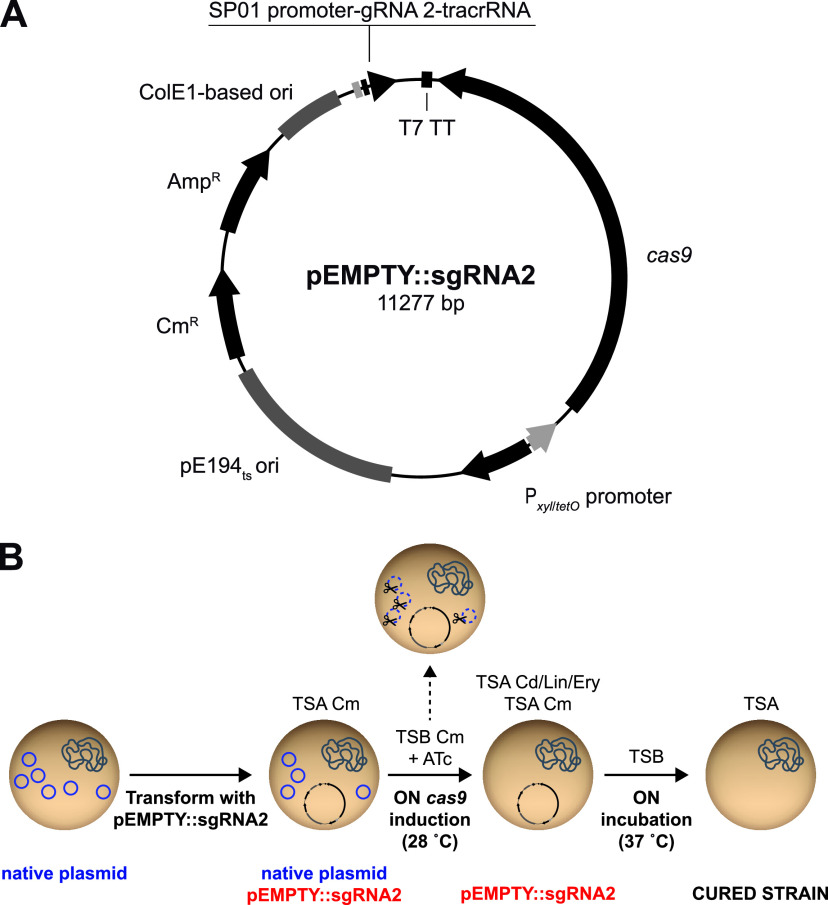
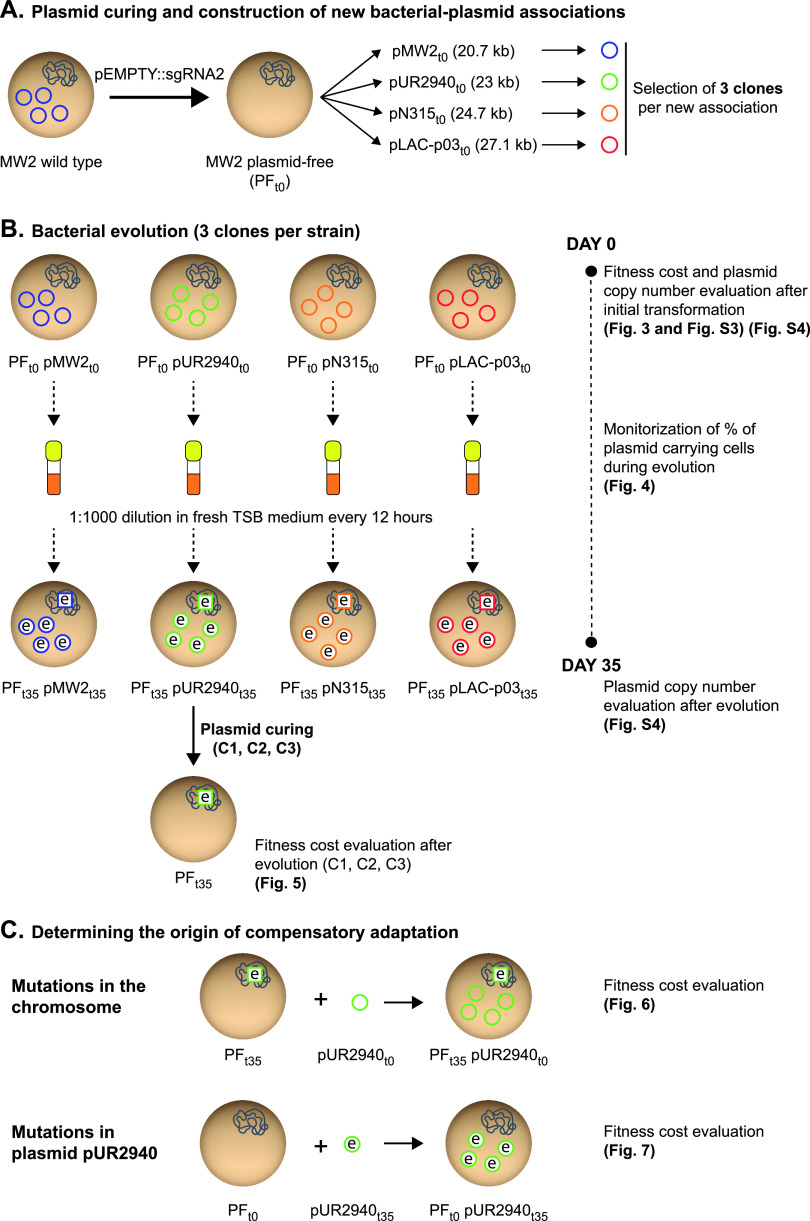
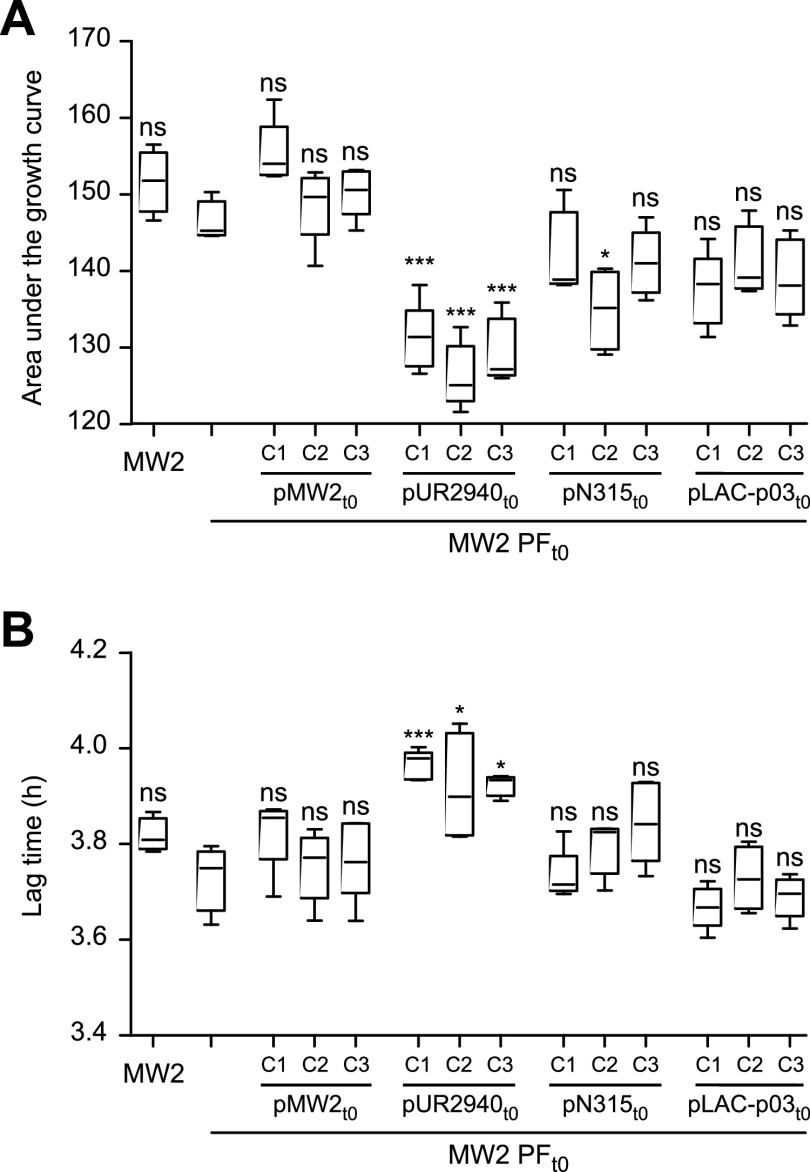
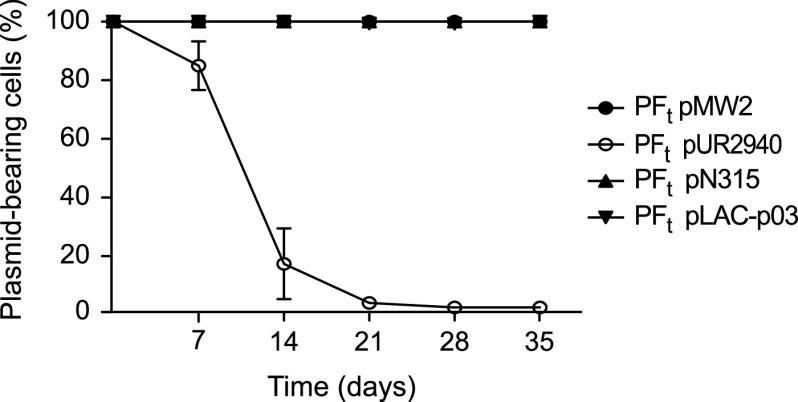
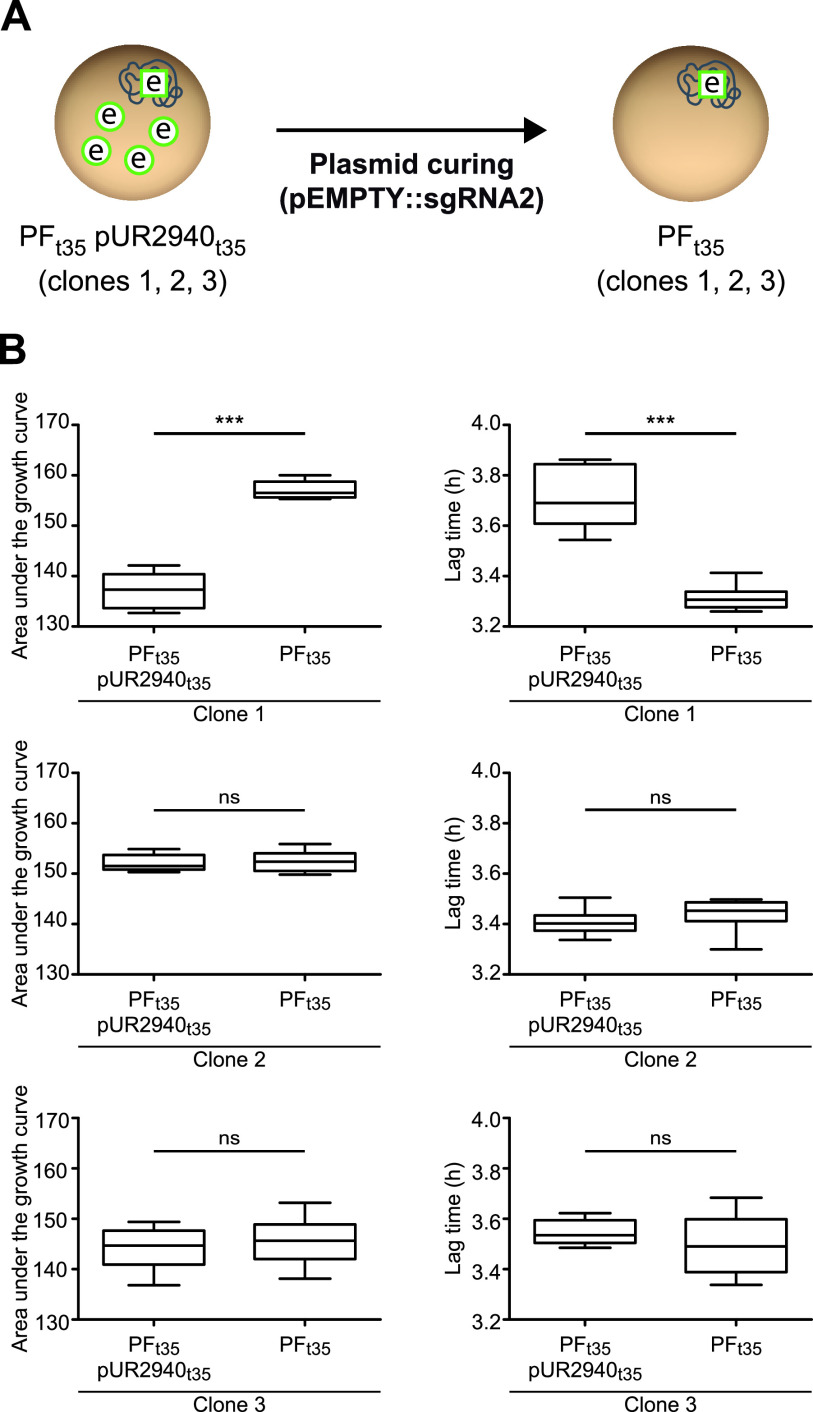
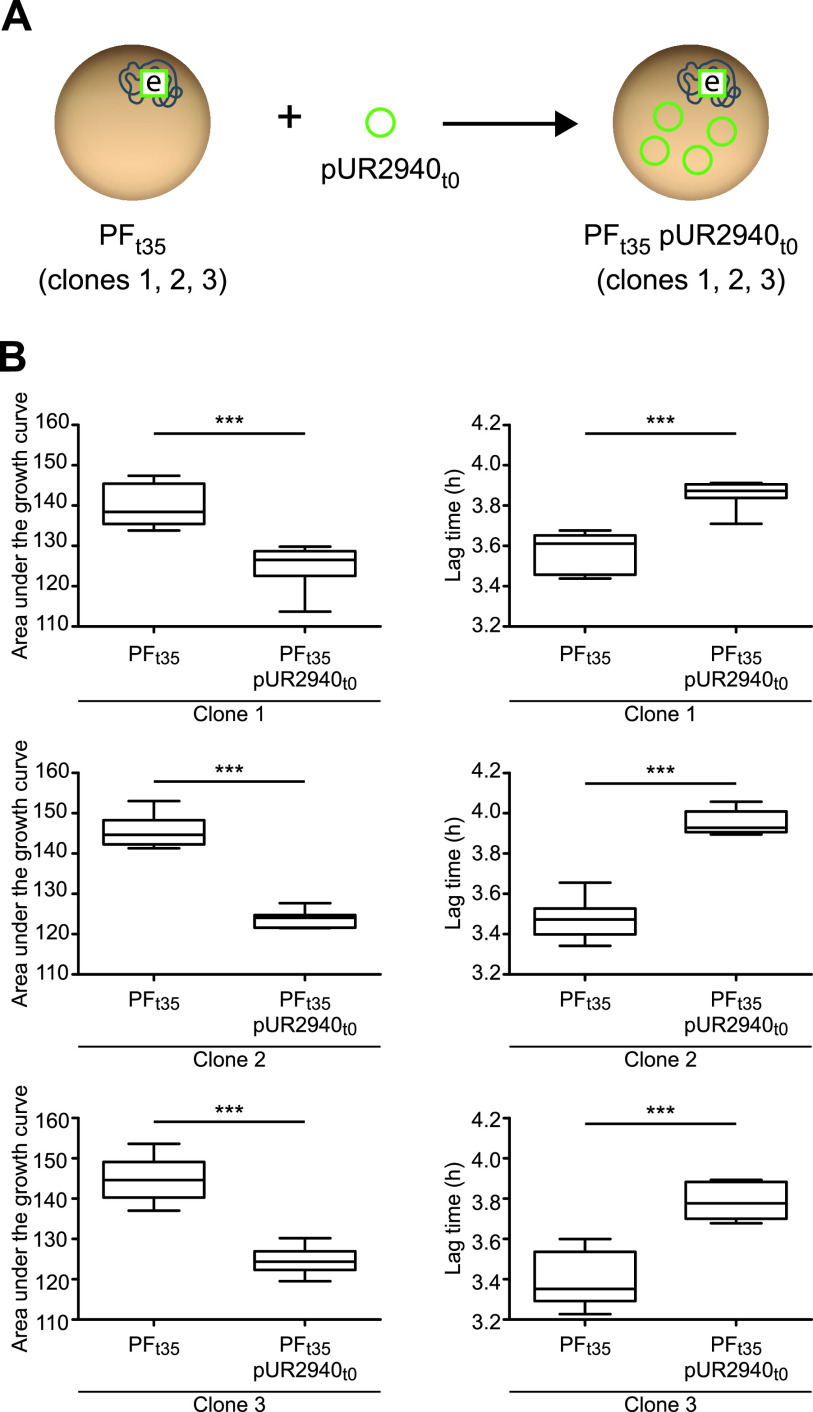
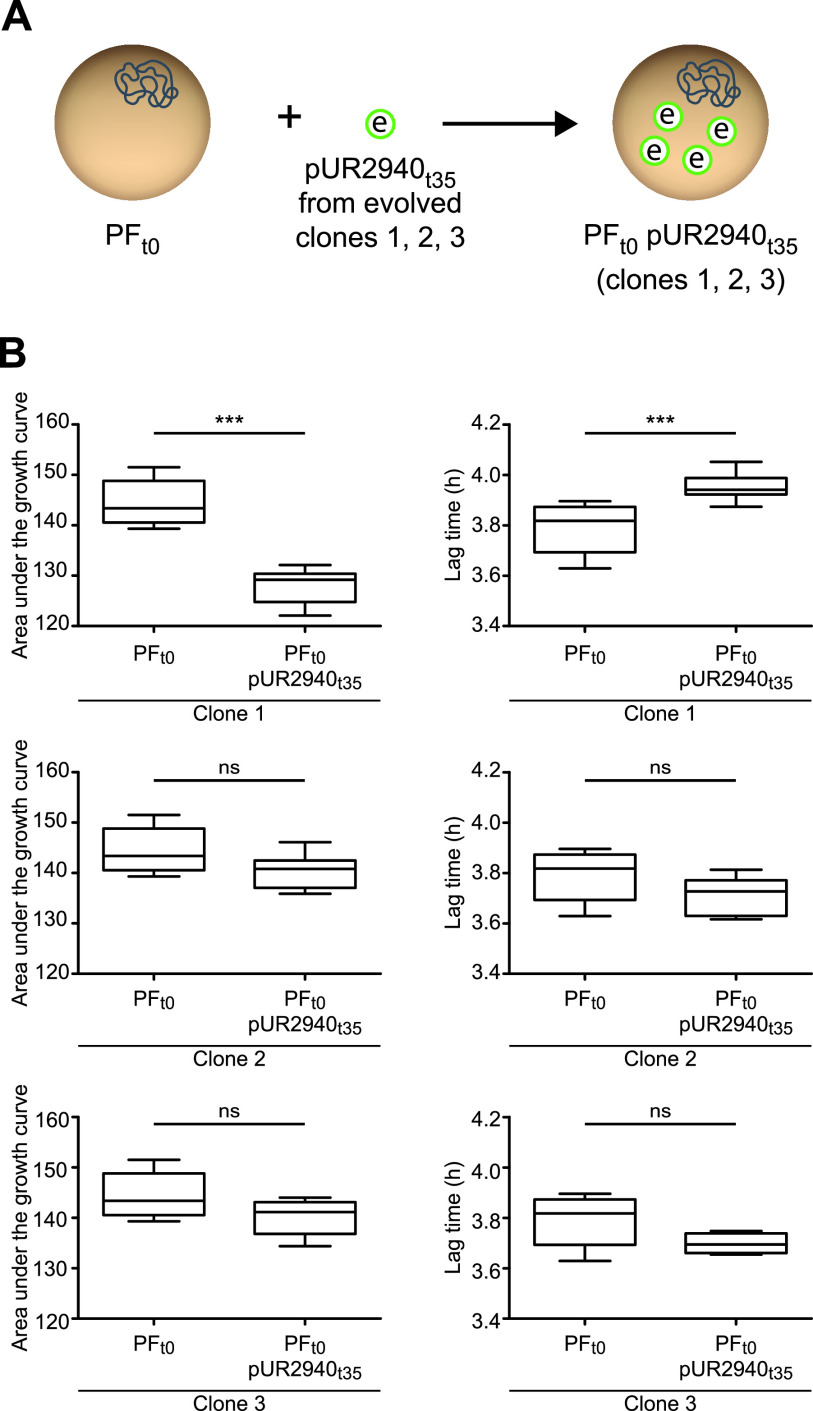
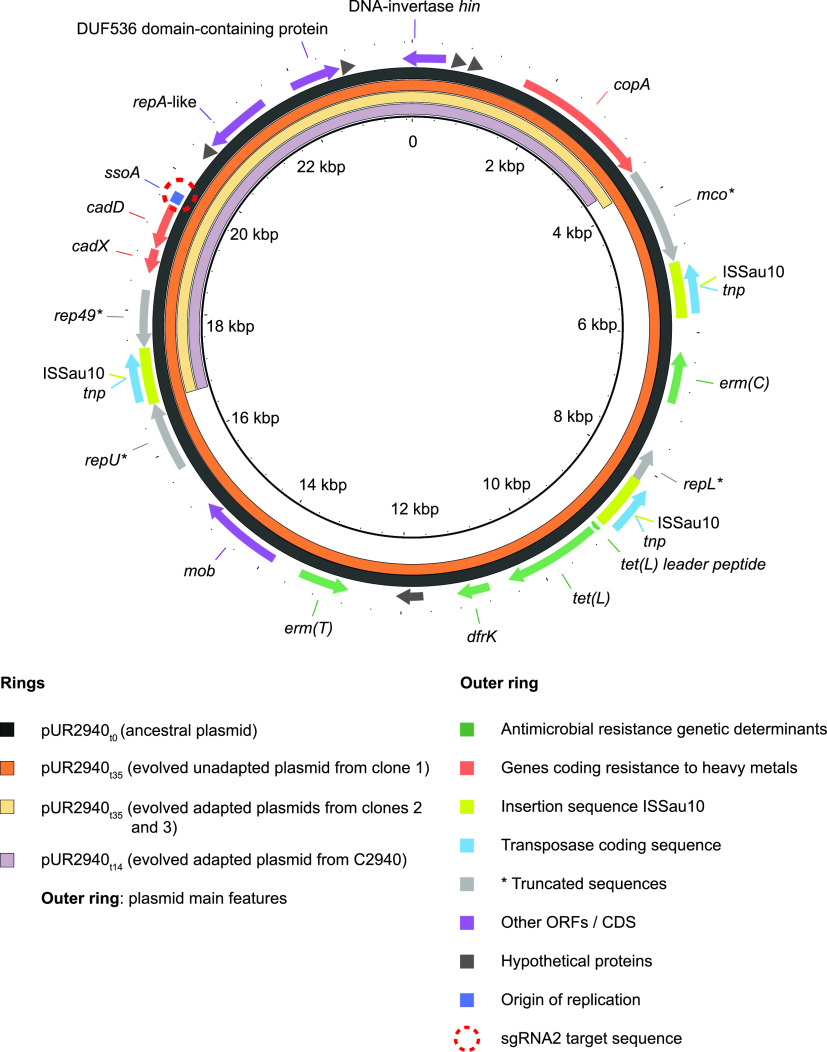
Plasmids have largely contributed to the spread of antimicrobial resistance genes among strains. Knowledge about the fitness cost that plasmids confer on clinical staphylococcal isolates and the coevolutionary dynamics that drive plasmid maintenance is still scarce. In this study, we aimed to analyze the initial fitness cost of plasmids in the bacterial pathogen and the plasmid-host adaptations that occur over time. For that, we first designed a CRISPR (clustered regularly interspaced palindromic repeats)-based tool that enables the removal of native plasmids and then transferred three different plasmids isolated from clinical strains to the same-background clinical cured strain. One of the plasmids, pUR2940, obtained from a livestock-associated methicillin-resistant (LA-MRSA) ST398 strain, imposed a significant fitness cost on both its native and the new host. Experimental evolution in a nonselective medium resulted in a high rate pUR2940 loss and selected for clones with an alleviated fitness cost in which compensatory adaptation occurred via deletion of a 12.8-kb plasmid fragment, contained between two IS insertion sequences and harboring several antimicrobial resistance genes. Overall, our results describe the relevance of plasmid-borne insertion sequences in plasmid rearrangement and maintenance and suggest the potential benefits of reducing the use of antibiotics both in animal and clinical settings for the loss of clinical multidrug resistance plasmids. Plasmids are major agents in the spread of antibiotic resistance genes among bacteria. How plasmids and their hosts coevolve to reduce the fitness cost associated with plasmid carriage when bacteria grow in an antibiotic-free environment is not well understood. Here, we investigated the cost and the genetic adaptations that occur during evolution in the absence of antibiotics when the bacterial pathogen acquires a new plasmid. Our results show the occurrence, at the end of evolution, of plasmid rearrangements mediated by insertion sequences that lead to the loss of antimicrobial resistance genes from the plasmid and an alleviated fitness cost. Our results thus highlight the probable benefits of reducing the use of antibiotics in management programs for the selection of clones carrying plasmids that no longer confer resistance.
质粒在 菌株之间抗生素耐药基因的传播中起了很大作用。然而,关于质粒赋予临床分离的葡萄球菌菌株的适应成本,以及驱动质粒维持的协同进化动态,我们的了解仍然很少。在这项研究中,我们旨在分析细菌病原体 中质粒的初始适应成本,以及随时间推移发生的质粒-宿主适应。为此,我们首先设计了一种基于 CRISPR(成簇规律间隔短回文重复序列)的工具,该工具可以去除天然质粒,然后将从临床 菌株中分离的三种不同质粒转移到相同背景的临床治愈菌株中。从与牲畜相关的耐甲氧西林金黄色葡萄球菌(LA-MRSA)ST398 菌株中获得的质粒 pUR2940 对其天然宿主和新宿主都造成了显著的适应成本。在非选择性培养基中的实验进化导致了 pUR2940 的高丢失率,并选择了具有减轻适应成本的克隆,其中通过删除位于两个插入序列之间的 12.8kb 质粒片段,发生了补偿性适应,该片段包含几个抗生素耐药基因。总的来说,我们的结果描述了质粒携带的插入序列在质粒重排和维持中的重要性,并表明减少动物和临床环境中抗生素使用的潜在好处,这可能会导致临床多药耐药质粒的丢失。