Thanh Nguyen Hoa, Zhang Rouyu, Inokawa Naoki, Oura Takahiro, Chen Xinyue, Iwatani Shun, Niimi Kyoko, Niimi Masakazu, Holmes Ann Rachel, Cannon Richard David, Kajiwara Susumu
School of Life Science and Technology, Tokyo Institute of Technology, Yokohama, Kanagawa, Japan.
Sir John Walsh Research Institute, Faculty of Dentistry, University of Otago, Dunedin, New Zealand.
J Oral Microbiol. 2021 Feb 12;13(1):1879497. doi: 10.1080/20002297.2021.1879497.
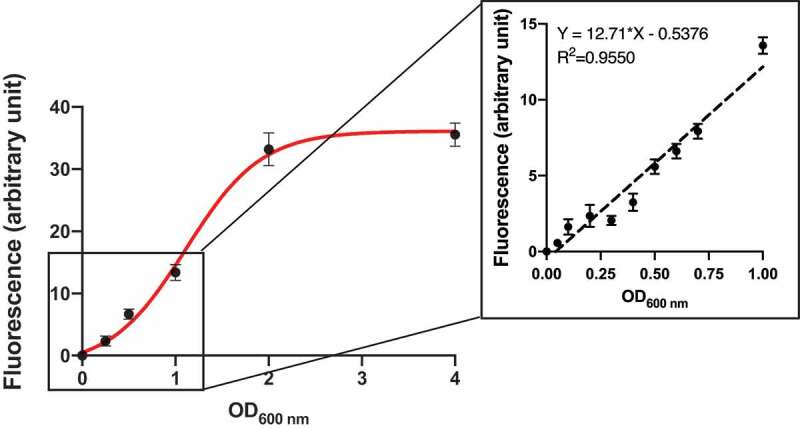
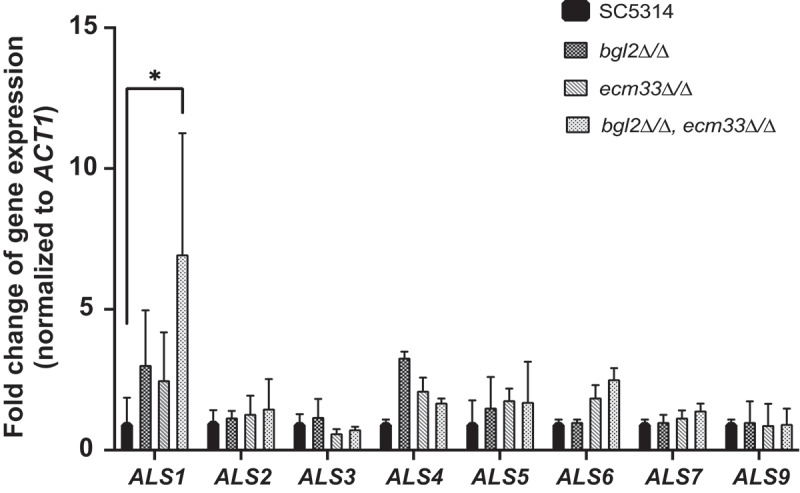
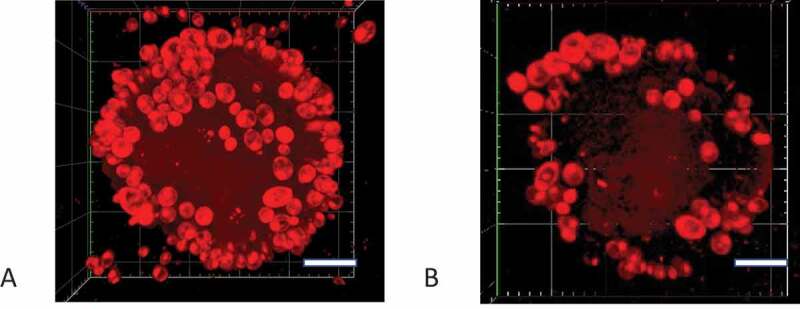
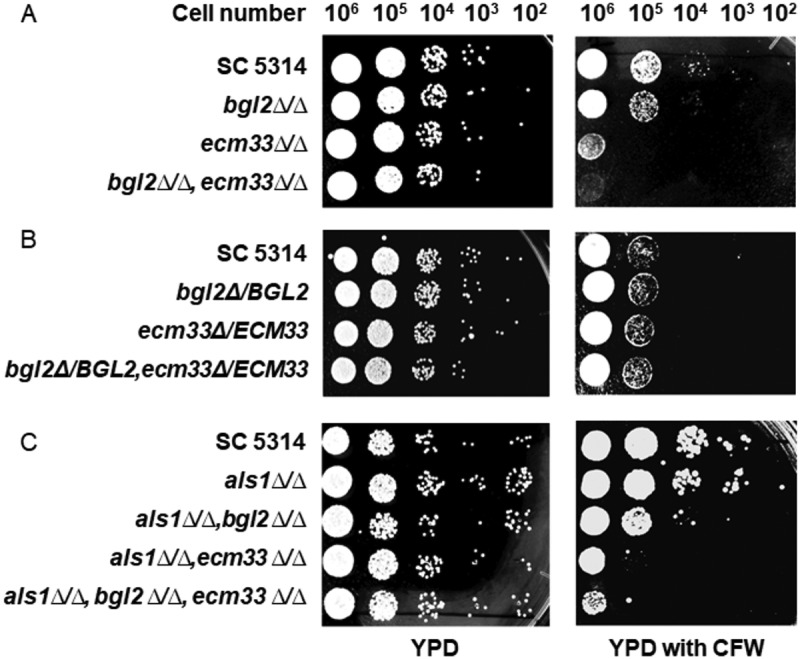
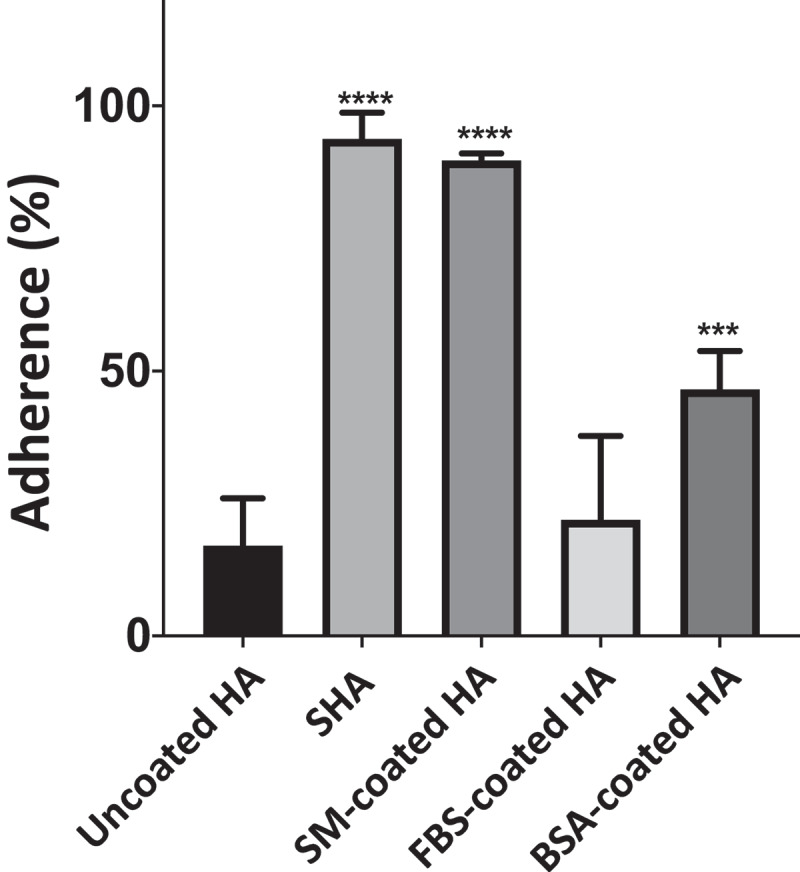
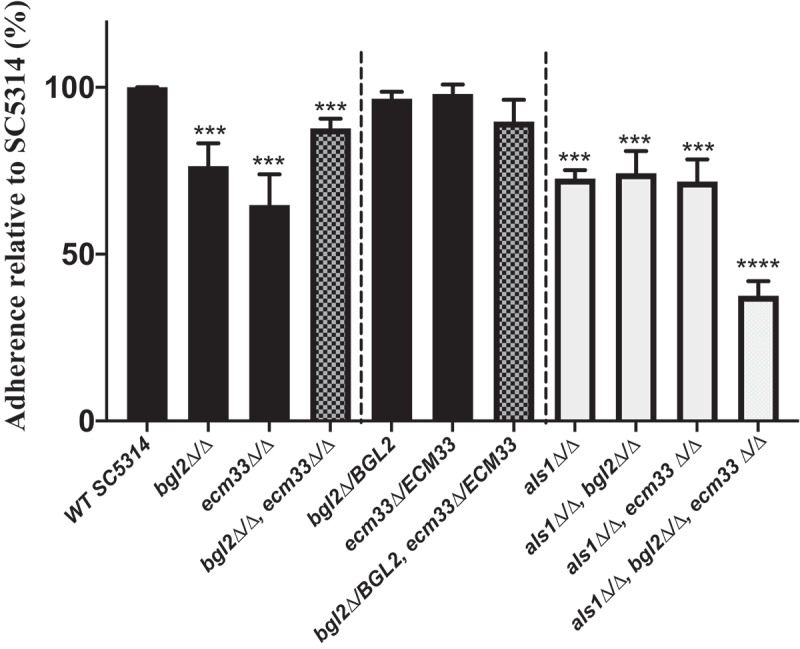
: is an opportunistic pathogen that causes oral candidiasis. A previous study showed that Bgl2p and Ecm33p may mediate the interaction between the yeast and saliva-coated hydroxyapatite (SHA; a model for the tooth surface). This study investigated the roles of these cell wall proteins in the adherence of to SHA beads. : and null mutants were generated from wild-type strain SC5314 by using the -flipper gene disruption method. A novel method based on labelling the yeast with Nile red, was used to investigate the adherence. : Adhesion of and null mutants to SHA beads was 76.4% and 64.8% of the wild-type strain, respectively. Interestingly, the adhesion of the double mutant (87.7%) was higher than that of both single mutants. qRT-PCR analysis indicated that the gene was over-expressed in the strain. The triple null mutant showed a significantly reduced adherence to the beads, (37.6%), compared to the wild-type strain. : Bgl2p and Ecm33p contributed to the interaction between and SHA beads. Deletion of these genes triggered overexpression of the gene in the mutant strain, and deletion of all three genes caused a significant decrease in adhesion.
:是一种引起口腔念珠菌病的机会致病菌。先前的一项研究表明,Bgl2p和Ecm33p可能介导酵母与唾液包被的羟基磷灰石(SHA;牙齿表面模型)之间的相互作用。本研究调查了这些细胞壁蛋白在与SHA珠子黏附中的作用。:通过使用-flipper基因破坏方法从野生型菌株SC5314产生了和缺失突变体。一种基于用尼罗红标记酵母的新方法被用于研究黏附。:和缺失突变体对SHA珠子的黏附分别为野生型菌株的76.4%和64.8%。有趣的是,双突变体的黏附(87.7%)高于两个单突变体。qRT-PCR分析表明基因在菌株中过表达。与野生型菌株相比,三重缺失突变体对珠子的黏附显著降低(37.6%)。:Bgl2p和Ecm33p有助于与SHA珠子之间的相互作用。这些基因的缺失触发了突变菌株中基因的过表达,并且所有三个基因的缺失导致黏附显著降低。