Aslam Muhammad, Aslam Ayesha, Sheraz Muhammad, Ali Basharat, Ulhassan Zaid, Najeeb Ullah, Zhou Weijun, Gill Rafaqat Ali
Department of Plant Breeding and Genetics, University of Agriculture, Faisalabad, Pakistan.
Department of Agronomy, University of Agriculture, Faisalabad, Pakistan.
Front Plant Sci. 2021 Feb 4;11:587785. doi: 10.3389/fpls.2020.587785. eCollection 2020.
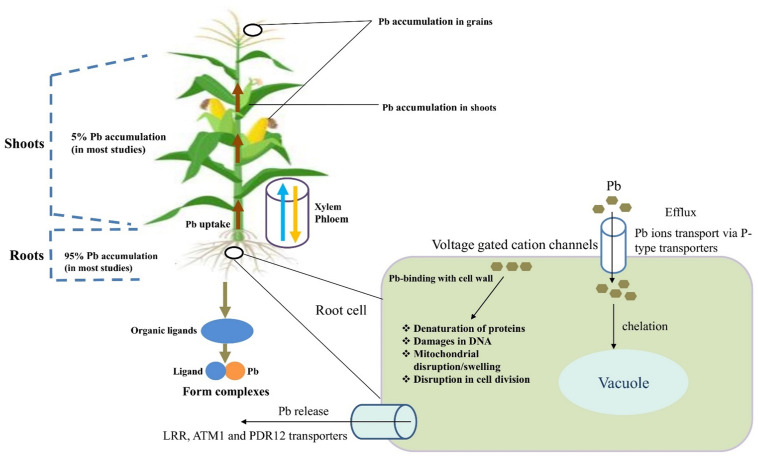
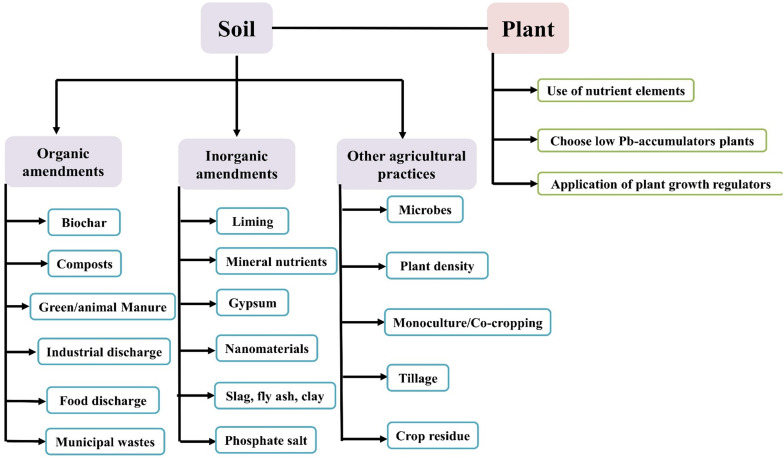
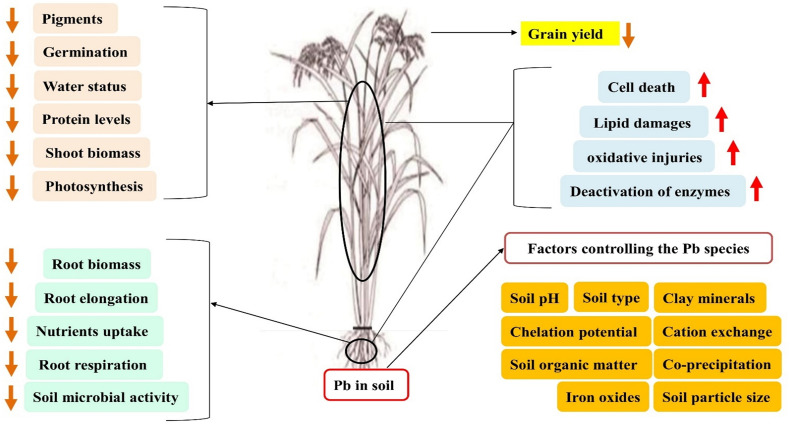
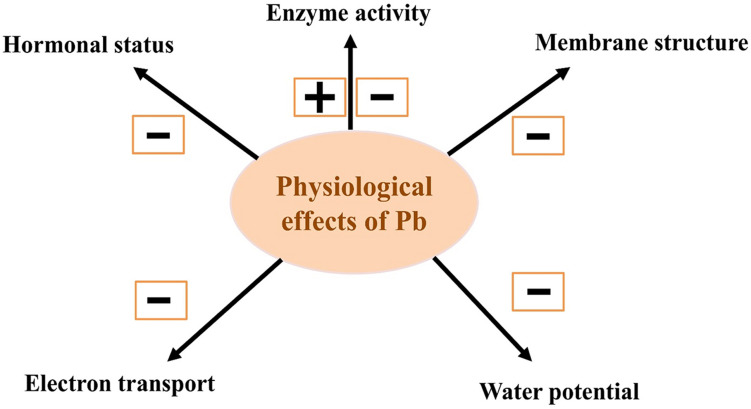
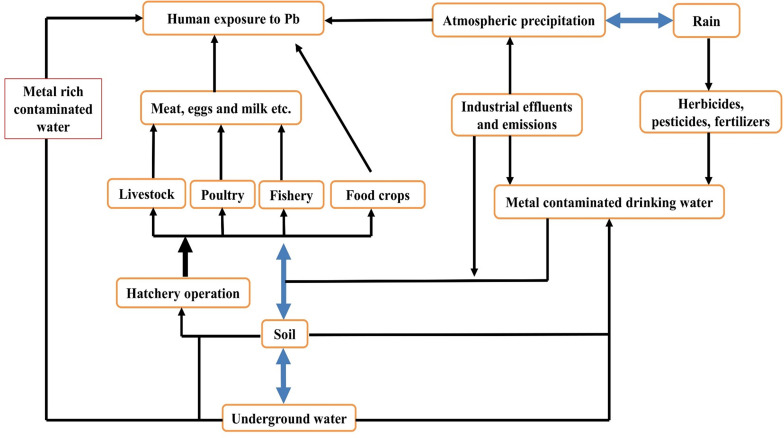
Cereals are the major contributors to global food supply, accounting for more than half of the total human calorie requirements. Sustainable availability of quality cereal grains is an important step to address the high-priority issue of food security. High concentrations of heavy metals specifically lead (Pb) in the soil negatively affect biochemical and physiological processes regulating grain quality in cereals. The dietary intake of Pb more than desirable quantity food chain is a major concern for humans, as it can predispose individuals to chronic health issues. In plant systems, high Pb concentrations can disrupt several key metabolic processes such as electron transport chain, cellular organelles integrity, membrane stability index, PSII connectivity, mineral metabolism, oxygen-evolving complex, and enzymatic activity. Plant growth-promoting rhizobacteria (PGPR) has been recommended as an inexpensive strategy for remediating Pb-contaminated soils. A diverse group of fungi, i.e., dark septate endophytes is successfully used for this purpose. A symbiotic relationship between endophytes and host cereal induces Pb tolerance by immobilizing Pb ions. Molecular and cellular modifications in plants under Pb-stressed environments are explained by transcription factor families such as bZIP, ERF, and GARP as a regulator. The role of metal tolerance protein (MTP), natural resistance-associated macrophage protein (NRAMP), and heavy metal ATPase in decreasing Pb toxicity is well known. In the present review, we provided the contemporary synthesis of existing data regarding the effects of Pb toxicity on morpho-physiological and biochemical responses of major cereal crops. We also highlighted the mechanism/s of Pb uptake and translocation in plants, critically discussed the possible management strategies and way forward to overcome the menace of Pb toxicity in cereals.
谷物是全球粮食供应的主要贡献者,占人类总热量需求的一半以上。优质谷物的可持续供应是解决粮食安全这一高度优先问题的重要一步。土壤中高浓度的重金属特别是铅(Pb)会对调节谷物品质的生化和生理过程产生负面影响。通过食物链摄入超过适量的铅是人类主要关注的问题,因为它会使个体易患慢性健康问题。在植物系统中,高浓度的铅会扰乱几个关键的代谢过程,如电子传递链、细胞器完整性、膜稳定性指数、PSII连接性、矿物质代谢、放氧复合体和酶活性。植物促生根际细菌(PGPR)已被推荐为修复铅污染土壤的一种廉价策略。一组多样的真菌,即深色有隔内生菌已成功用于此目的。内生菌与宿主谷物之间的共生关系通过固定铅离子诱导铅耐受性。在铅胁迫环境下植物的分子和细胞修饰由转录因子家族如bZIP、ERF和GARP作为调节因子来解释。金属耐受性蛋白(MTP)、天然抗性相关巨噬细胞蛋白(NRAMP)和重金属ATP酶在降低铅毒性方面的作用是众所周知的。在本综述中,我们提供了关于铅毒性对主要谷类作物形态生理和生化反应影响的现有数据的当代综合。我们还强调了植物中铅吸收和转运的机制,批判性地讨论了可能的管理策略以及克服谷类作物铅毒性威胁的前进方向。