Department of Occupational Therapy, Yonsei University, Wonju, South Korea.
PLoS One. 2021 Feb 26;16(2):e0247970. doi: 10.1371/journal.pone.0247970. eCollection 2021.
The COVID-19 pandemic continues to pose significant challenges to nations. The Korean government aimed to mitigate the spread of COVID-19 through stay-at-home strategies and maintaining social distance, which are likely to result in major changes in the lifestyle, mental health, and quality of life of citizens. This study aimed to investigate the impact of the COVID-19 pandemic on these factors in Koreans over 20 years old.
The study sample consisted of 104 adults in South Korea aged over 20 years. An online survey was conducted between August and October 2020, in which participants were asked to complete the Yonsei Lifestyle Profile to assess lifestyle changes, the Center for Epidemiological Studies-Depression Scale, and the World Health Organization Quality of Life Scale abbreviated version. To investigate the changes in people's lifestyles, depression, and quality of life post COVID-19, descriptive statistics were calculated for these indicators before and after the onset of the pandemic. The p-value was two-sided, and values <0.05, were regarded as statistically significant.
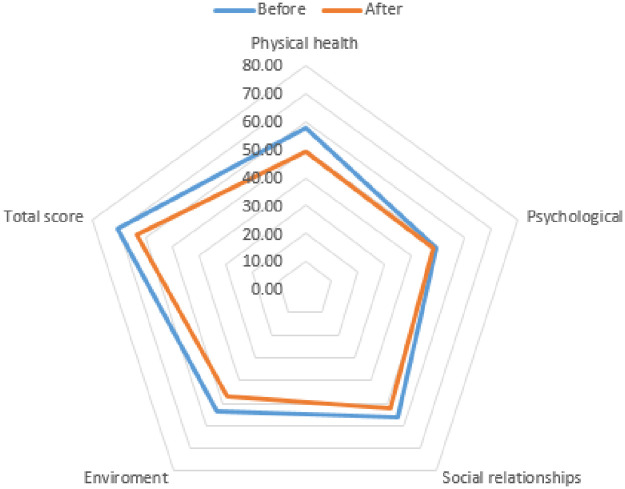
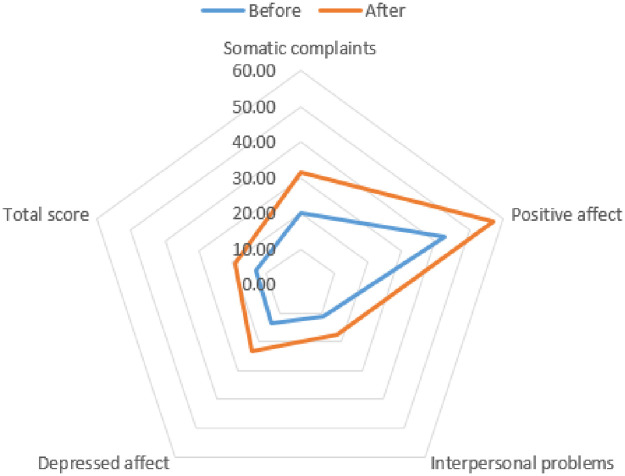
There was a significant decline in physical and other meaningful activities, including activities of daily living, leisure, social activity, and education. However, there were no significant changes in nutrition, except in the consumption of carbohydrates and minerals. Participants reported that their quality of life and mental health had decreased after the pandemic struck.
We obtained novel data on the changes in the lifestyle, mental health, and quality of life of South Korean adults before and after the onset of the pandemic. The results of our study may assist health policymakers and practitioners in the development of health education or relevant interventions to deal with the pandemic situation as well as future crises.
新冠疫情持续对各国构成重大挑战。韩国政府旨在通过居家策略和保持社交距离来减轻新冠疫情的传播,这可能会导致公民生活方式、心理健康和生活质量发生重大变化。本研究旨在调查新冠疫情对韩国 20 岁以上人群这些因素的影响。
研究样本包括韩国 104 名 20 岁以上的成年人。于 2020 年 8 月至 10 月间开展了一项在线调查,要求参与者完成延世生活方式问卷以评估生活方式变化,同时使用流行病学研究中心抑郁量表和世界卫生组织生活质量量表简表评估抑郁和生活质量。为调查新冠疫情后人们生活方式、抑郁和生活质量的变化,计算了这些指标在疫情前后的描述性统计数据。p 值为双侧,p<0.05 被认为具有统计学意义。
身体活动和其他有意义的活动(包括日常生活活动、休闲活动、社会活动和教育活动)明显减少,但营养方面除碳水化合物和矿物质摄入外无明显变化。参与者报告称,在疫情爆发后,他们的生活质量和心理健康状况有所下降。
我们获得了韩国成年人在疫情前后生活方式、心理健康和生活质量变化的新数据。本研究结果可能有助于卫生政策制定者和从业者制定健康教育或相关干预措施,以应对当前的疫情情况和未来的危机。