Department of Interdisciplinary Program in Biomedical Science, Soonchunhyang Graduate School, Bucheon Hospital, Bucheon, South Korea.
Laboratory for Translational Research On Retinal and Macular Degeneration, Soonchunhyang University Hospital Bucheon, Bucheon, South Korea.
Cell Commun Signal. 2021 Feb 26;19(1):29. doi: 10.1186/s12964-020-00698-4.
Neurodegeneration, an early event in the pathogenesis of diabetic retinopathy (DR), precedes clinically detectable microvascular damage. Autophagy dysregulation is considered a potential cause of neuronal cell loss, however underlying mechanisms remain unclear. The mechanistic target of rapamycin (mTOR) integrates diverse environmental signals to coordinate biological processes, including autophagy. Here, we investigated the role of mTOR signaling in neuronal cell death in DR.
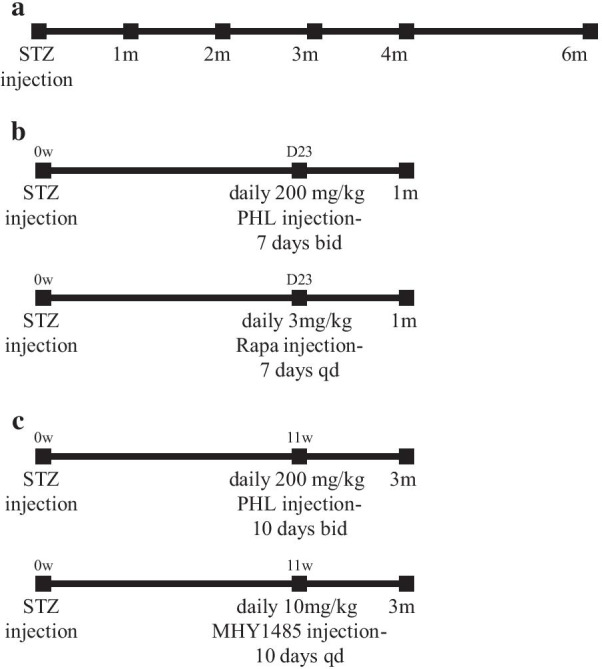
Diabetes was induced by a single intraperitoneal injection of streptozotocin and tissue samples were harvested at 1, 2, 3, 4, and 6 months of diabetes. Early-stage of DR was investigated in 1-month-diabetic mice treated with phlorizin (two daily subcutaneous injections at a dose of 200 mg/kg of body weight during the last 7 full days of the experiment and the morning of the 8th day, 3 h before sacrifice) or rapamycin (daily intraperitoneal injections, at a dose of 3 mg/kg for the same period as for phlorizin treatment). The effect of autophagy modulation on retinal ganglion cells was investigated in 3-months-diabetic mice treated with phlorizin (two daily subcutaneous injections during the last 10 full days of the experiment and the morning of the 11th day, 3 h before sacrifice) or MHY1485 (daily i.p. injections, at a dose of 10 mg/kg for the same period as for phlorizin treatment). Tissue samples obtained from treated/untreated diabetic mice and age-matched controls were used for Western blot and histologic analysis.
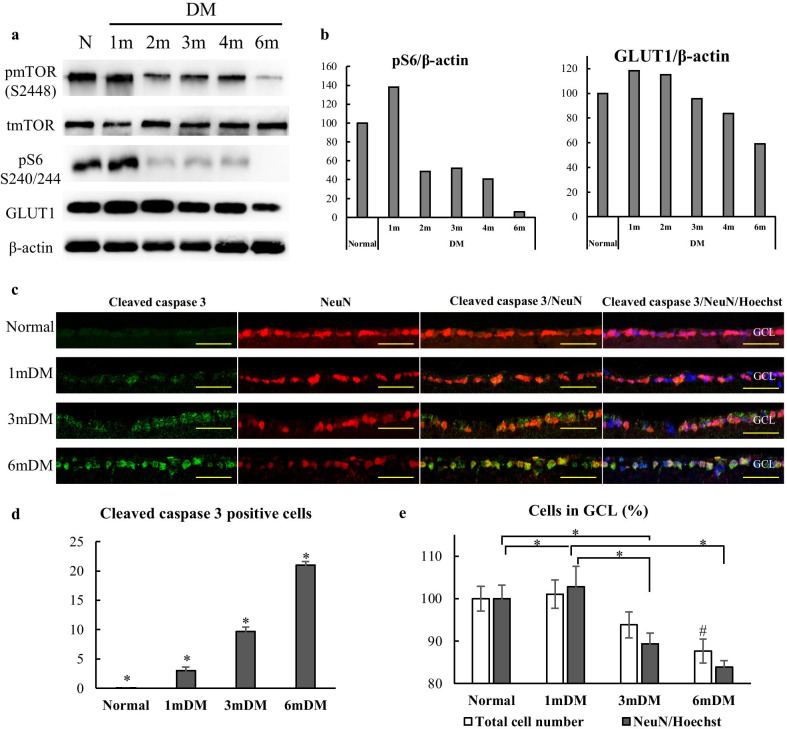
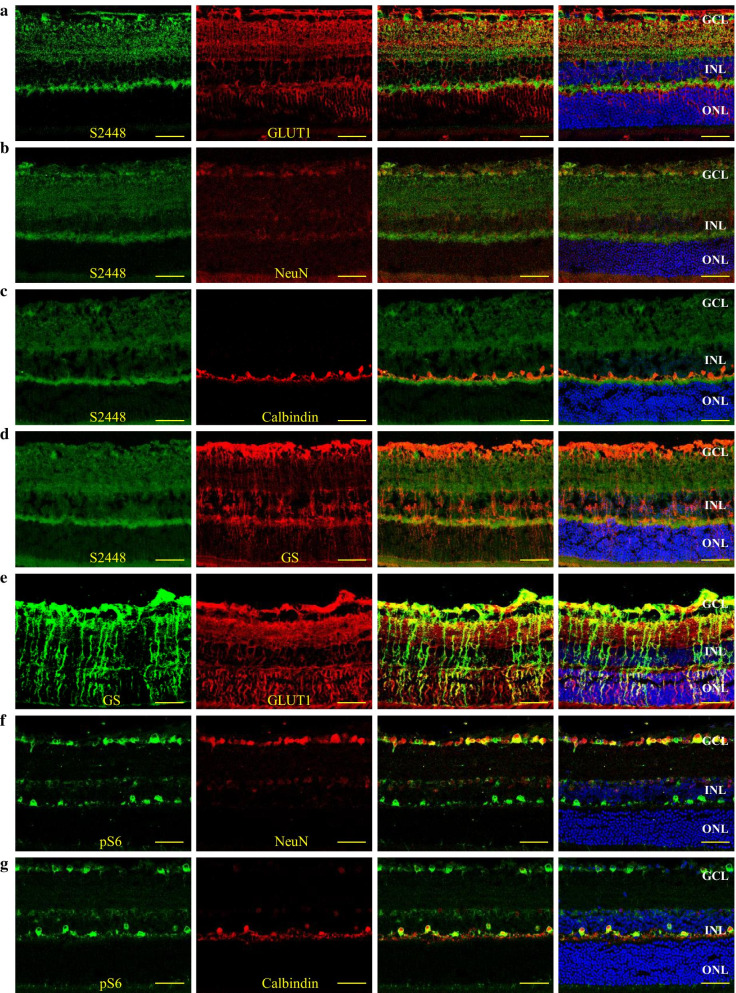
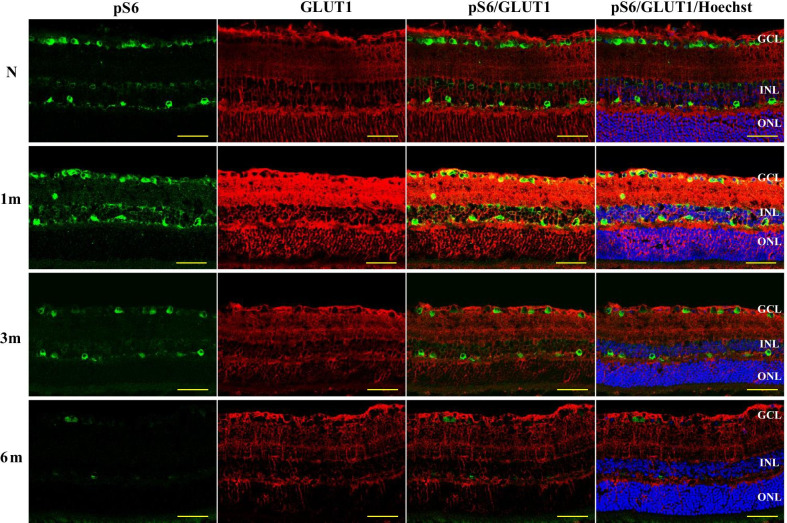
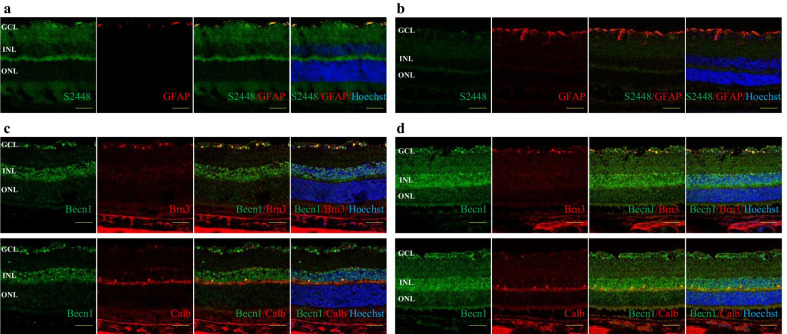
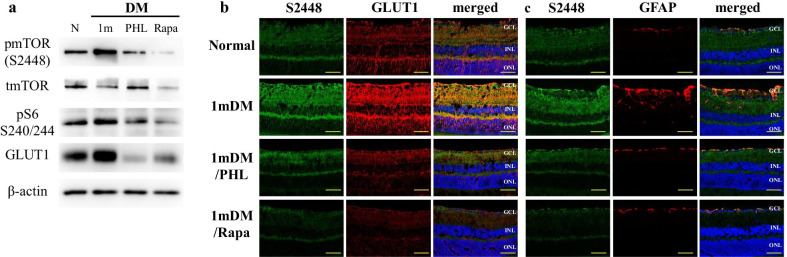
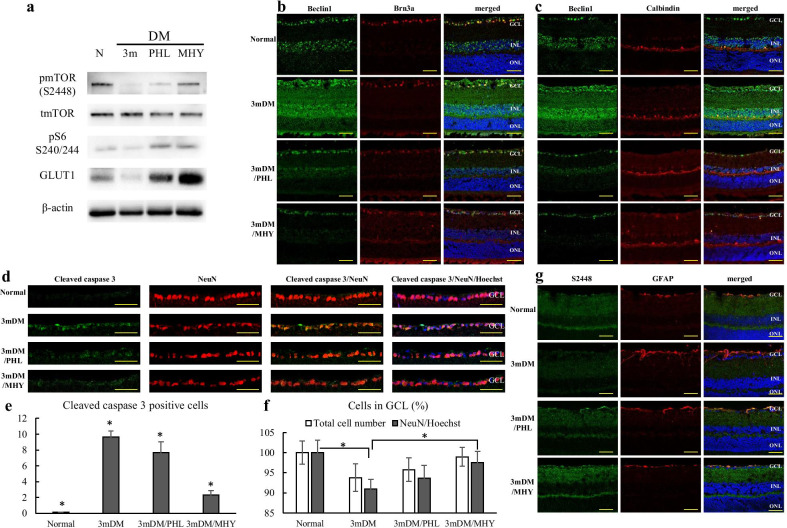
mTOR-related proteins and glucose transporter 1 (GLUT1) was upregulated at 1 month and downregulated in the following period up to 6 months. Diabetes-induced neurodegeneration was characterized by an increase of apoptotic marker-cleaved caspase 3, a decrease of the total number of cells, and NeuN immunoreactivity in the ganglion cell layer, as well as an increase of autophagic protein. Insulin-independent glycemic control restored the mTOR pathway activity and GLUT1 expression, along with a decrease of autophagic and apoptotic proteins in 3-months-diabetic mice neuroretina. However, blockade of autophagy using MHY1485 resulted in a more protective effect on ganglion cells compared with phlorizin treatment.
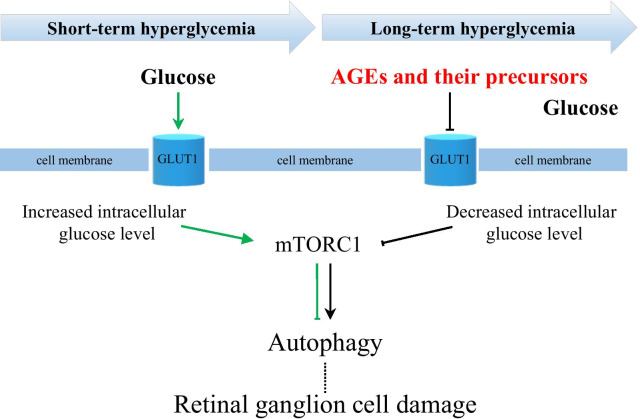
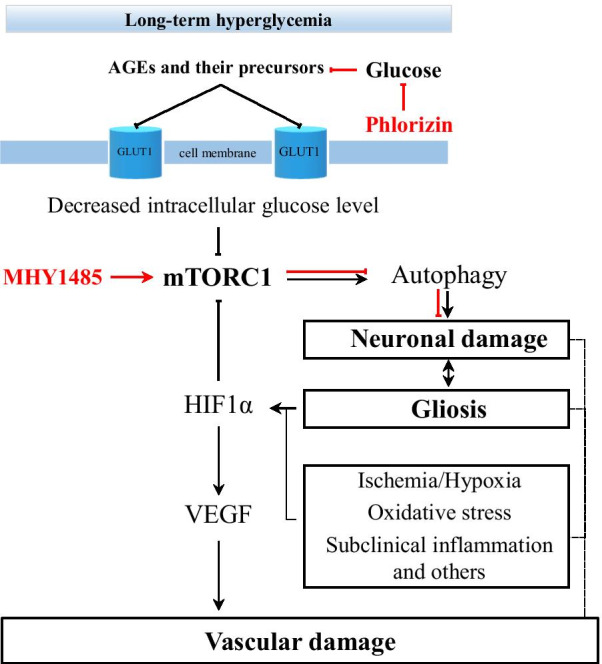
Collectively, our study describes the mechanisms of neurodegeneration through the hyperglycemia/ mTOR/ autophagy/ apoptosis pathway. Video Abstract.
神经退行性变是糖尿病性视网膜病变(DR)发病机制中的早期事件,先于临床可检测到的微血管损伤。自噬失调被认为是神经元细胞丢失的潜在原因,但潜在机制尚不清楚。雷帕霉素(mTOR)的机械靶点整合了各种环境信号,以协调包括自噬在内的生物过程。在这里,我们研究了 mTOR 信号在 DR 中的神经元细胞死亡中的作用。
通过单次腹腔注射链脲佐菌素诱导糖尿病,在糖尿病 1、2、3、4 和 6 个月时采集组织样本。在用 phlorizin(在实验的最后 7 天的每天两次皮下注射,剂量为 200mg/kg 体重,在第 8 天的早晨,牺牲前 3 小时)或 rapamycin(每天腹腔注射,剂量为 3mg/kg,用于 phlorizin 治疗相同的时期)治疗的 1 个月糖尿病小鼠中研究 DR 的早期阶段。在用 phlorizin(在实验的最后 10 天的每天两次皮下注射,在第 11 天的早晨,牺牲前 3 小时)或 MHY1485(每天腹腔注射,剂量为 10mg/kg,用于 phlorizin 治疗相同的时期)治疗的 3 个月糖尿病小鼠中研究自噬调节对视网膜神经节细胞的影响。从经处理/未经处理的糖尿病小鼠和年龄匹配的对照中获得组织样本,用于 Western blot 和组织学分析。
mTOR 相关蛋白和葡萄糖转运蛋白 1(GLUT1)在 1 个月时上调,随后在接下来的 6 个月中下调。糖尿病诱导的神经退行性变的特征是凋亡标志物 cleaved caspase 3 增加,神经节细胞层中的总细胞数和 NeuN 免疫反应性减少,以及自噬蛋白增加。胰岛素非依赖性血糖控制恢复了 mTOR 通路活性和 GLUT1 的表达,同时降低了 3 个月糖尿病小鼠神经视网膜中的自噬和凋亡蛋白。然而,使用 MHY1485 阻断自噬会比用 phlorizin 治疗对神经节细胞产生更具保护作用。
总的来说,我们的研究描述了通过高血糖/mTOR/自噬/凋亡途径导致神经退行性变的机制。