Ruohtula Terhi, Kondrashova Anita, Lehtonen Jussi, Oikarinen Sami, Hämäläinen Anu-Maaria, Niemelä Onni, Peet Aleksandr, Tillmann Vallo, Nieminen Janne K, Ilonen Jorma, Knip Mikael, Vaarala Outi, Hyöty Heikki
Clinicum, University of Helsinki, Helsinki, Finland.
Faculty of Medicine and Health Technology, Tampere University, Tampere, Finland.
Front Immunol. 2021 Feb 11;11:567046. doi: 10.3389/fimmu.2020.567046. eCollection 2020.
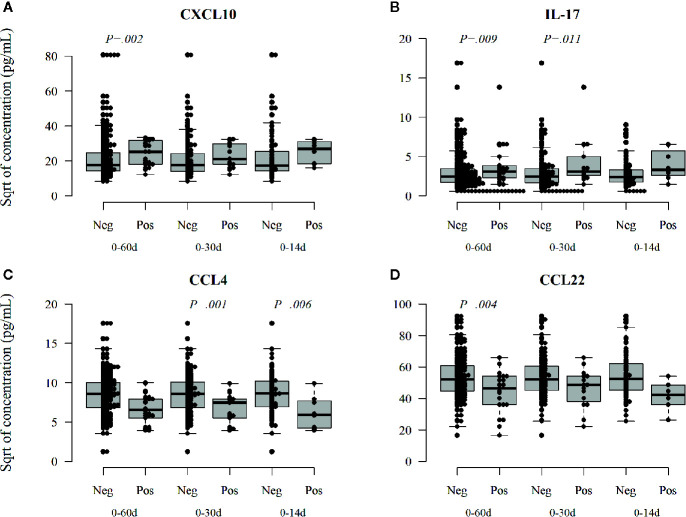
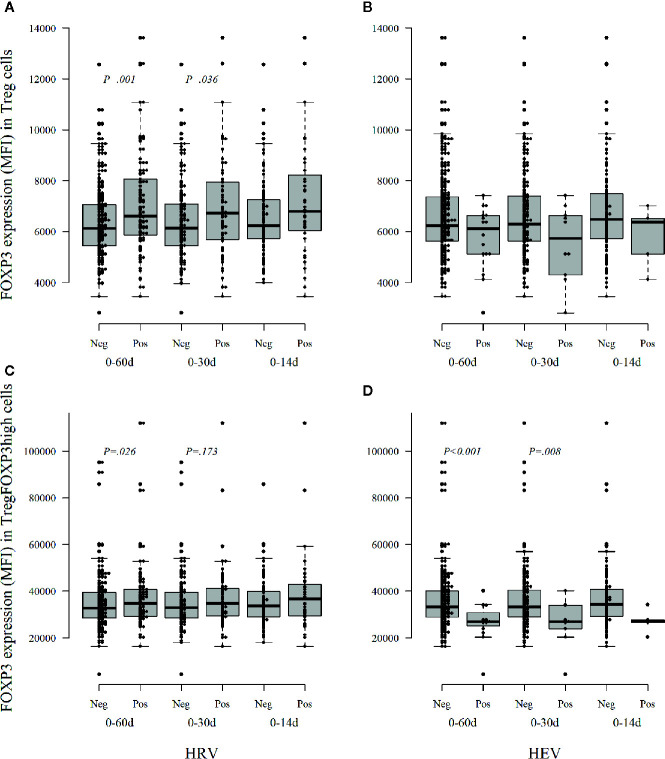
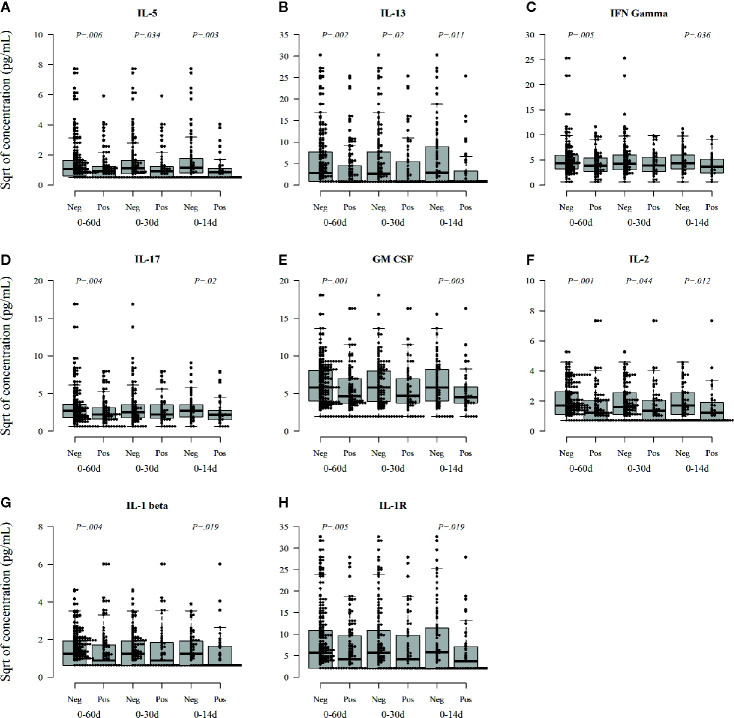
Early childhood infections have been implicated in the development of immune-mediated diseases, such as allergies, asthma, and type 1 diabetes. We set out to investigate the immunomodulatory effects of early viral infections experienced before the age of one year on the peripheral regulatory T cell population (Treg) and circulating cytokines in a birth-cohort study of Estonian and Finnish infants. We show here a temporal association of virus infection with the expression of FOXP3 in regulatory T cells. Infants with rhinovirus infection during the preceding 30 days had a higher FOXP3 expression in Treg cells and decreased levels of several cytokines related to Th1 and Th2 responses in comparison to the children without infections. In contrast, FOXP3 expression was significantly decreased in highly activated (CD4+CD127-/loCD25+FOXP3high) regulatory T cells (TregFOXP3high) in the infants who had enterovirus infection during the preceding 30 or 60 days. After enterovirus infections, the cytokine profile showed an upregulation of Th1- and Th17-related cytokines and a decreased activation of CCL22, which is a chemokine derived from dendritic cells and associated with Th2 deviation. Our results reveal that immunoregulatory mechanisms are up-regulated after rhinovirus infections, while enterovirus infections are associated with activation of proinflammatory pathways and decreased immune regulation.
儿童早期感染与免疫介导疾病的发生有关,如过敏、哮喘和1型糖尿病。在一项针对爱沙尼亚和芬兰婴儿的出生队列研究中,我们着手调查1岁前经历的早期病毒感染对外周调节性T细胞群体(Treg)和循环细胞因子的免疫调节作用。我们在此展示了病毒感染与调节性T细胞中FOXP3表达的时间关联。与未感染的儿童相比,在过去30天内感染鼻病毒的婴儿,其Treg细胞中FOXP3表达较高,与Th1和Th2反应相关的几种细胞因子水平降低。相反,在过去30天或60天内感染肠道病毒的婴儿中,高度活化的(CD4+CD127-/loCD25+FOXP3high)调节性T细胞(TregFOXP3high)中FOXP3表达显著降低。肠道病毒感染后,细胞因子谱显示Th1和Th17相关细胞因子上调,而CCL22(一种源自树突状细胞且与Th2偏向相关的趋化因子)的活化降低。我们的结果表明,鼻病毒感染后免疫调节机制上调,而肠道病毒感染与促炎途径的激活及免疫调节降低有关。