Department of Social Dentistry and Behavioral Sciences, Academic Centre for Dentistry Amsterdam, Amsterdam, The Netherlands.
Department of Oral and Maxillofacial Surgery, Amsterdam University Medical Centers, University of Amsterdam, Academic Centre for Dentistry Amsterdam, Amsterdam, The Netherlands; Department of Oral and Maxillofacial Surgery, St Antonius Hospital, Nieuwegein, Utrecht, and Woerden, The Netherlands.
Int Dent J. 2022 Feb;72(1):52-57. doi: 10.1016/j.identj.2021.01.011. Epub 2021 Feb 26.
Most tooth extractions are performed for dental reasons, but there are also nondental and nonmedical reasons for extractions; these include psychological, financial, religious, and cultural reasons as well as simply granting a patient's request. This systematic review was performed to examine the proportion and range of indications associated with tooth removal in context of dental, nondental, and medical reasons.
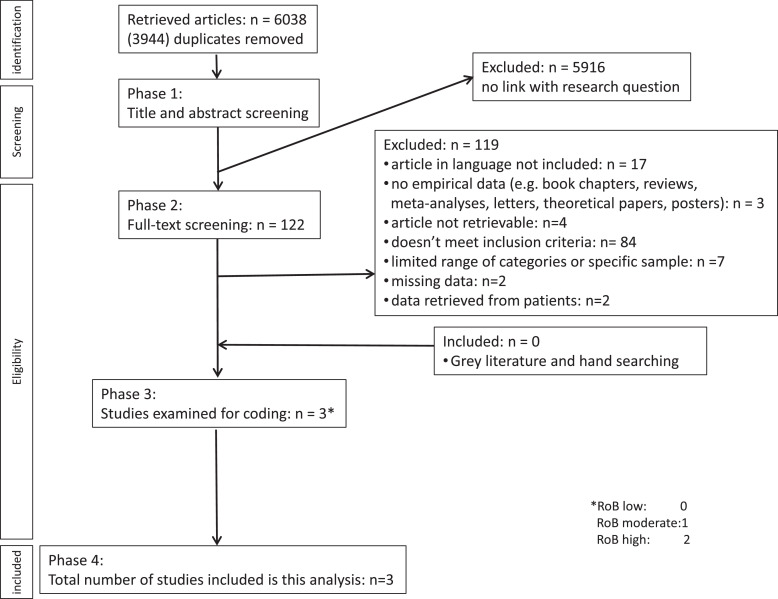
A search conducted using PubMed, Embase, and APA PsycINFO identified 6038 studies. Three studies (4396 extractions in total) could be included for the risk of bias assessment and qualitative data synthesis.
The reported indications for tooth extraction on dental and medical grounds included caries with the proportion of all extractions ranging from 36.0% to 55.3%, periodontitis from 24.8% to 38.1%, trauma from 0.8% to 4.4%, periapical disease from 7.3% to 19.1%, orthodontics from 2.5% to 7.2%, and other reasons from 4.5% to 9.2%. The proportion for patient requests ranged from 3.6% to 5.9%, but specific information regarding the actual reasons for extraction could not be determined.
The results suggest that caries and periodontitis are the most common indications for tooth extraction and that studies to reliably estimate the incidence of nondental and nonmedical motivation for extraction are lacking. Given that the final decision on performing or refusing extractions, whether it be based on dental, nondental, or nonmedical reasons, largely rests with the dentist and oral surgeon, detailed guidelines are warranted.
大多数拔牙是出于牙科原因,但也有非牙科和非医疗原因的拔牙;这些原因包括心理、经济、宗教和文化原因,以及简单地满足患者的要求。本系统评价旨在检查与牙科、非牙科和医疗原因相关的拔牙原因的比例和范围。
使用 PubMed、Embase 和 APA PsycINFO 进行搜索,确定了 6038 项研究。有 3 项研究(总共 4396 例拔牙)可用于进行偏倚风险评估和定性数据综合。
报告的拔牙牙科和医疗原因包括龋齿,所有拔牙的比例从 36.0%到 55.3%不等,牙周炎从 24.8%到 38.1%,外伤从 0.8%到 4.4%,根尖周病从 7.3%到 19.1%,正畸从 2.5%到 7.2%,其他原因从 4.5%到 9.2%。患者要求的比例从 3.6%到 5.9%不等,但无法确定拔牙的实际原因的具体信息。
结果表明,龋齿和牙周炎是拔牙最常见的原因,缺乏可靠估计非牙科和非医疗动机拔牙发生率的研究。鉴于最终决定进行或拒绝拔牙,无论是基于牙科、非牙科还是非医疗原因,都主要取决于牙医和口腔外科医生,因此需要制定详细的指南。