University of Calgary, Canada.
Alberta Children's Hospital Research Institute, Canada.
Autism. 2021 Aug;25(6):1505-1519. doi: 10.1177/1362361321995631. Epub 2021 Mar 2.
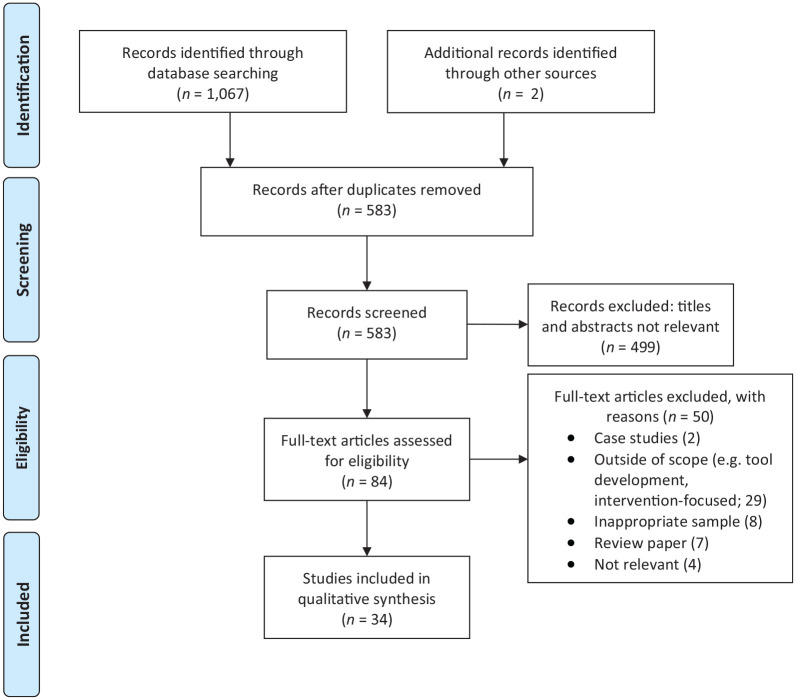
Feeding problems, such as picky eating and food avoidance, are common in youth with autism. Other, broader difficulties with feeding and eating (eating disorder symptoms such as restricting food intake or preoccupation with body shape or weight and insistence on specific food presentation) are also common in autistic individuals. Here, we describe the nature and extent of feeding and eating problems in youth with autism. We found no common characteristics (such as severity of autism symptoms) that best describe autistic youth who experience problems with feeding or eating. Almost all studies we reviewed focused on problems with feeding (selective or picky eating), and only a few studies focused on eating disorder symptoms (concern with weight, shape, and/or body image). However, some researchers reported that eating disorder symptoms may occur more often in autistic individuals compared to their peers without autism. Many studies used the terms "feeding" and "eating" problems interchangeably, but understanding the difference between these problems is important for researchers to be consistent, as well as for proper identification and treatment. We suggest future researchers use "eating problems" when behaviors involve preoccupation with food, eating, or body image, and "feeding problems" when this preoccupation is absent. We highlight the importance of understanding whether feeding or eating problems are separate from autism traits, and the role of caregivers and other adults in the child's treatment. Considerations for health-care providers to assist with diagnosis and treatment are also provided.
喂养问题,如挑食和拒食,在自闭症儿童中很常见。其他更广泛的喂养问题(饮食障碍症状,如限制食物摄入或过度关注体型或体重以及坚持特定的食物呈现)在自闭症个体中也很常见。在这里,我们描述了自闭症儿童喂养和进食问题的性质和程度。我们没有发现任何共同的特征(如自闭症症状的严重程度)可以最好地描述那些在喂养或进食方面存在问题的自闭症儿童。我们回顾的几乎所有研究都集中在喂养问题(选择性或挑食)上,只有少数研究关注饮食障碍症状(对体重、体型和/或身体形象的关注)。然而,一些研究人员报告说,与没有自闭症的同龄人相比,自闭症个体可能更常出现饮食障碍症状。许多研究将“喂养”和“进食”问题交替使用,但了解这些问题之间的区别对于研究人员保持一致以及正确识别和治疗非常重要。我们建议未来的研究人员在涉及对食物、进食或身体形象的过分关注时使用“进食问题”,而在这种关注不存在时使用“喂养问题”。我们强调了理解喂养或进食问题是否与自闭症特征分开,以及照顾者和其他成年人在儿童治疗中的作用的重要性。还提供了医疗保健提供者协助诊断和治疗的注意事项。