Department of Pathology and Immunology, Washington University School of Medicine, St. Louis, MO 63110-1093, USA.
Molecular and Cell Biology Program, Washington University School of Medicine, St. Louis, MO 63110-1093, USA.
Sci Transl Med. 2021 Mar 3;13(583). doi: 10.1126/scitranslmed.abb6731.
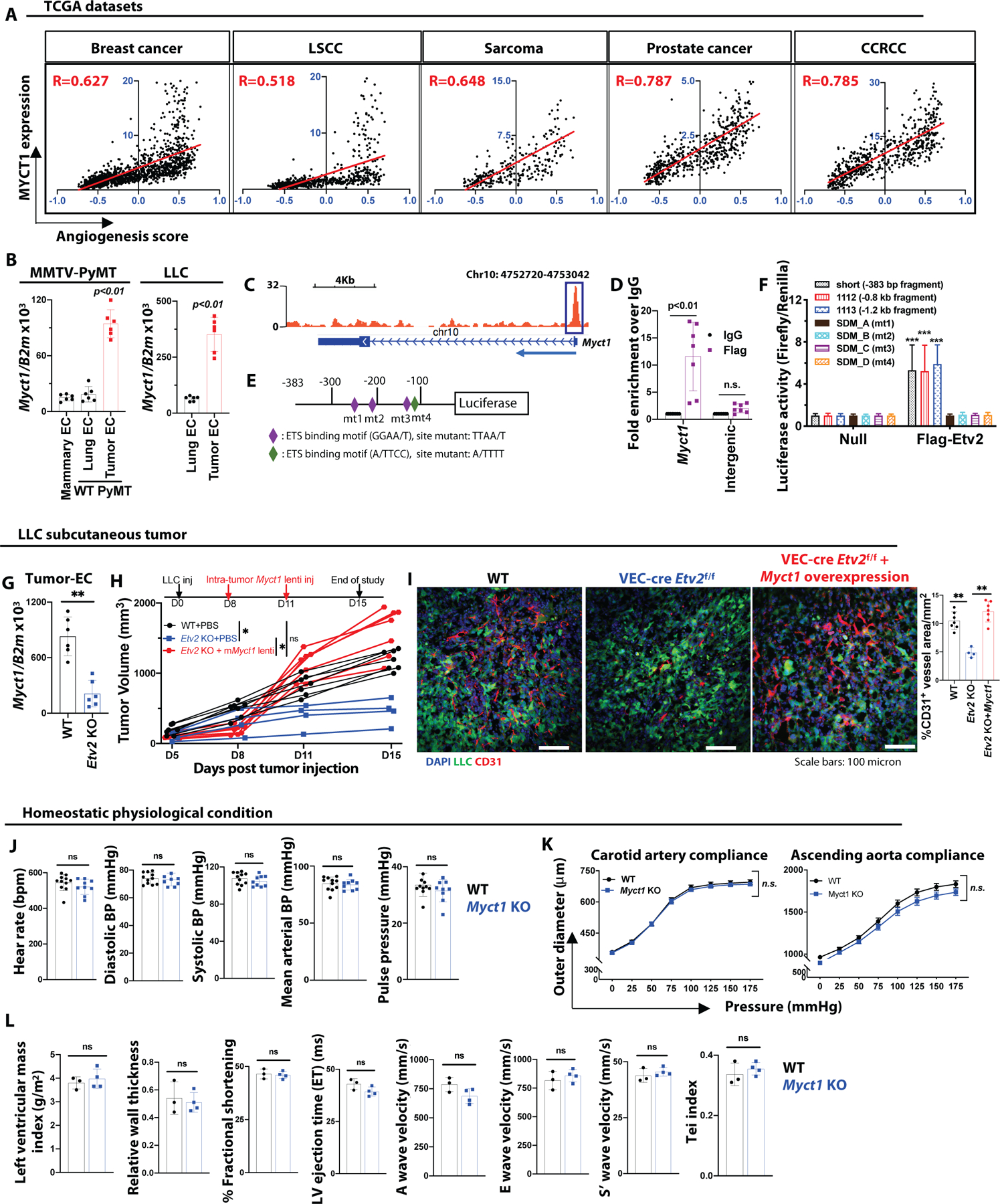
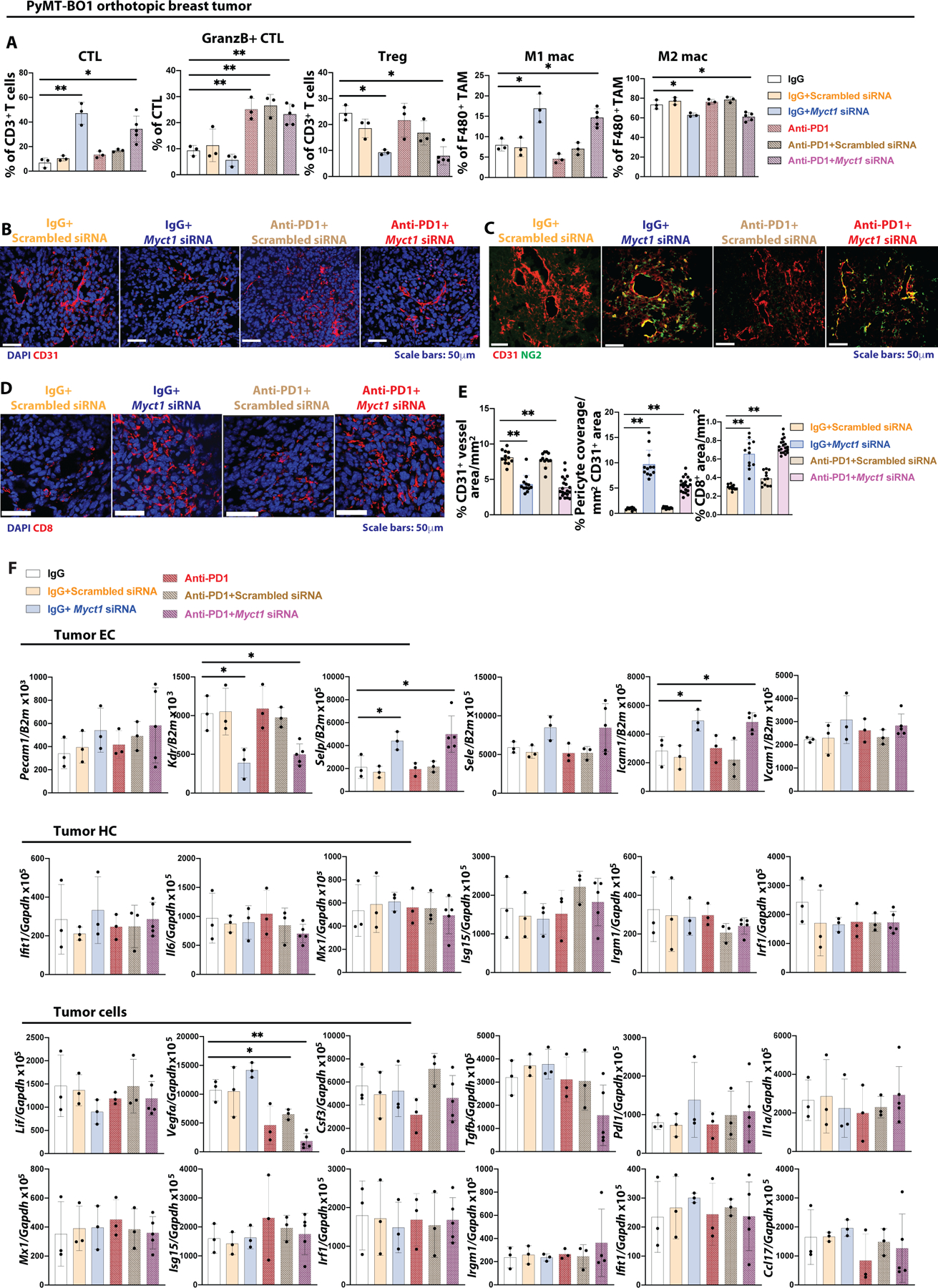
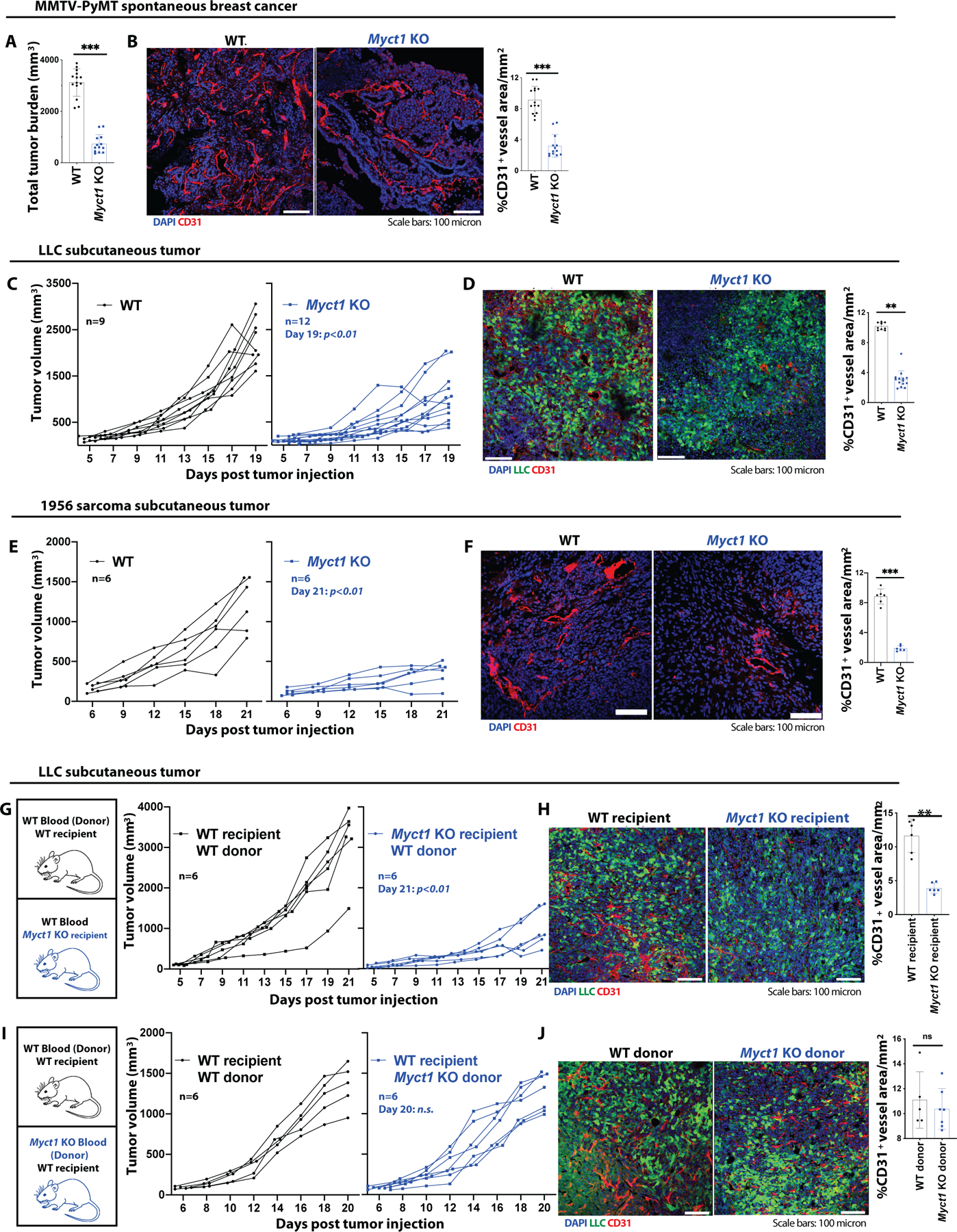
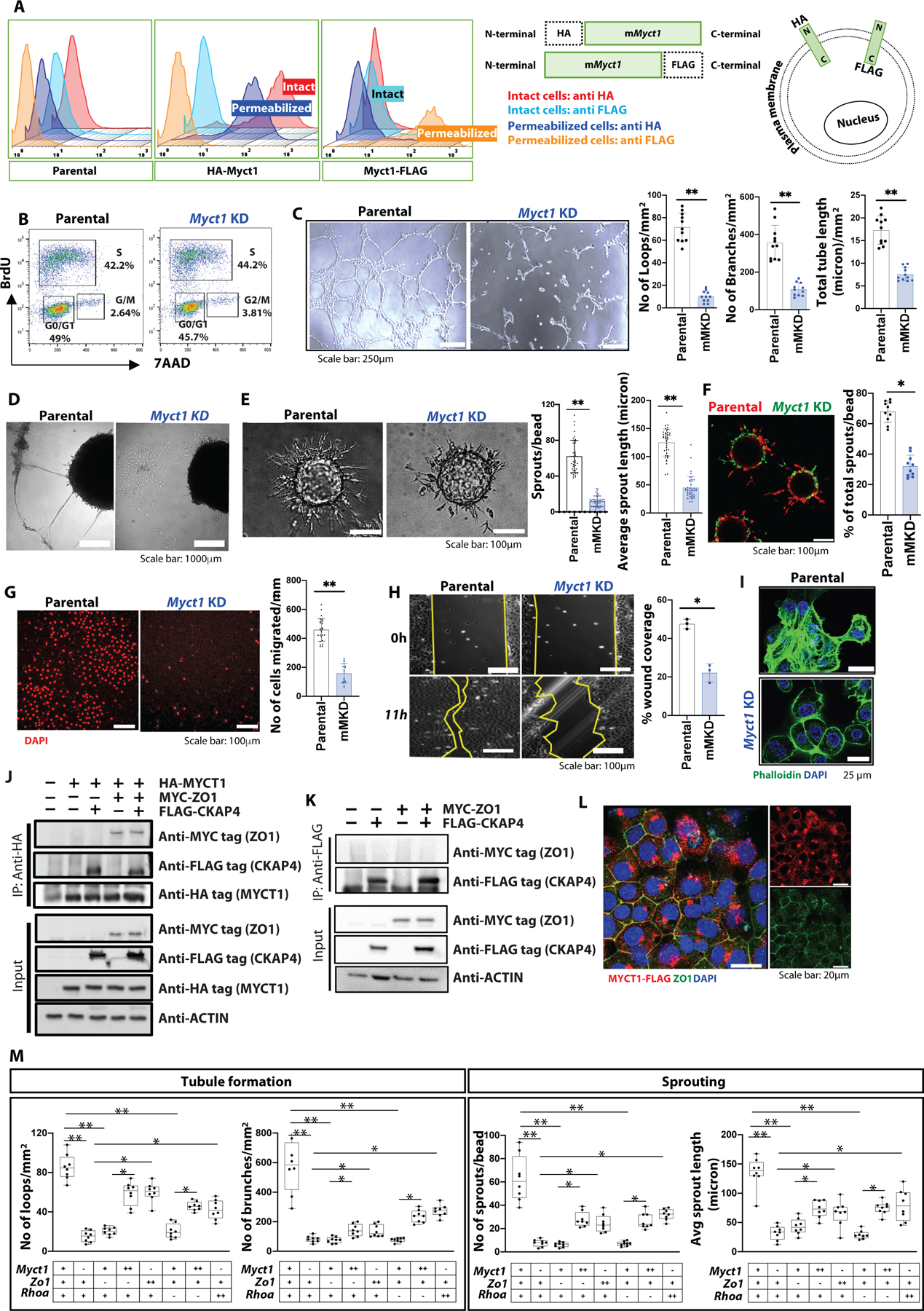
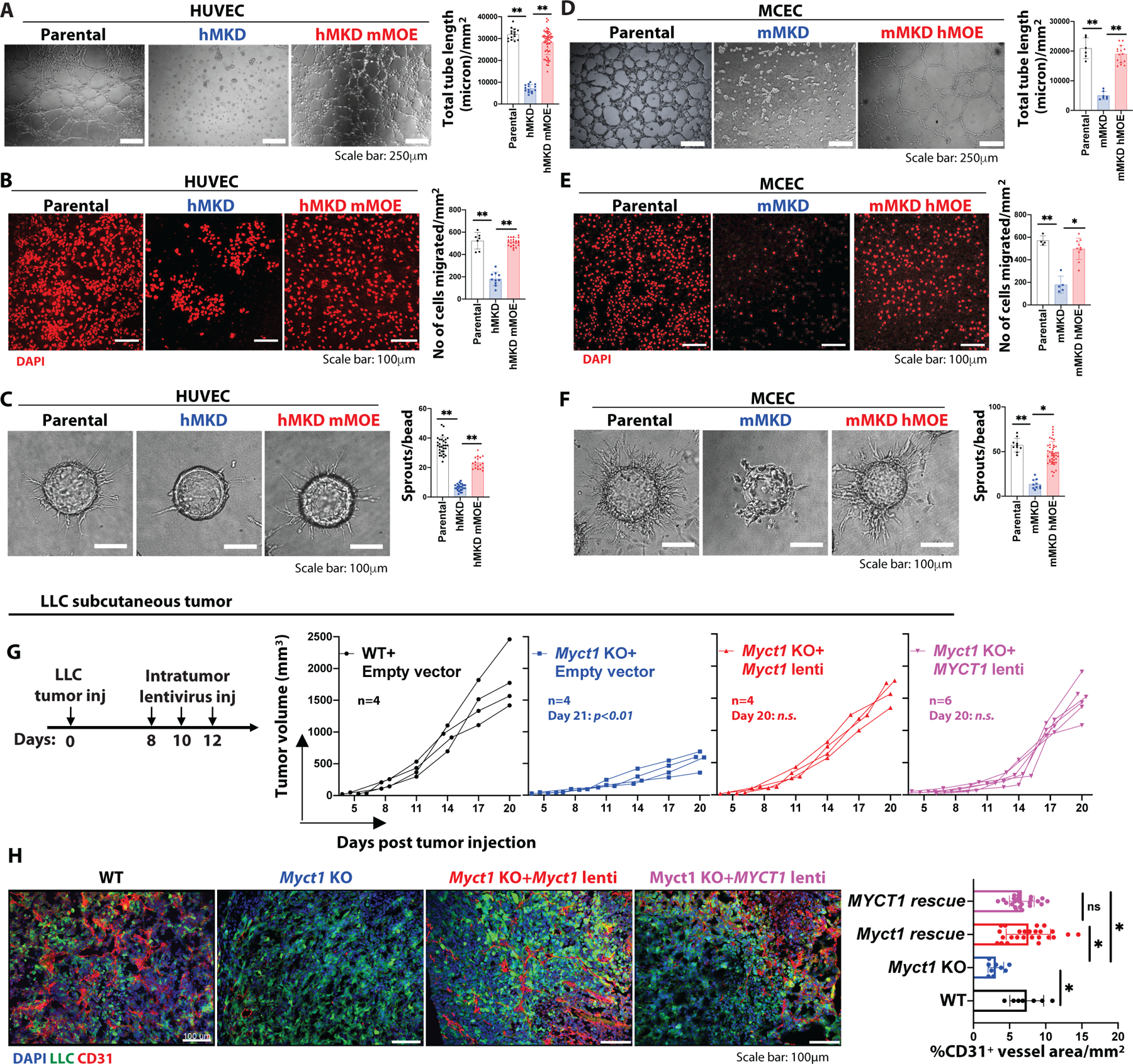
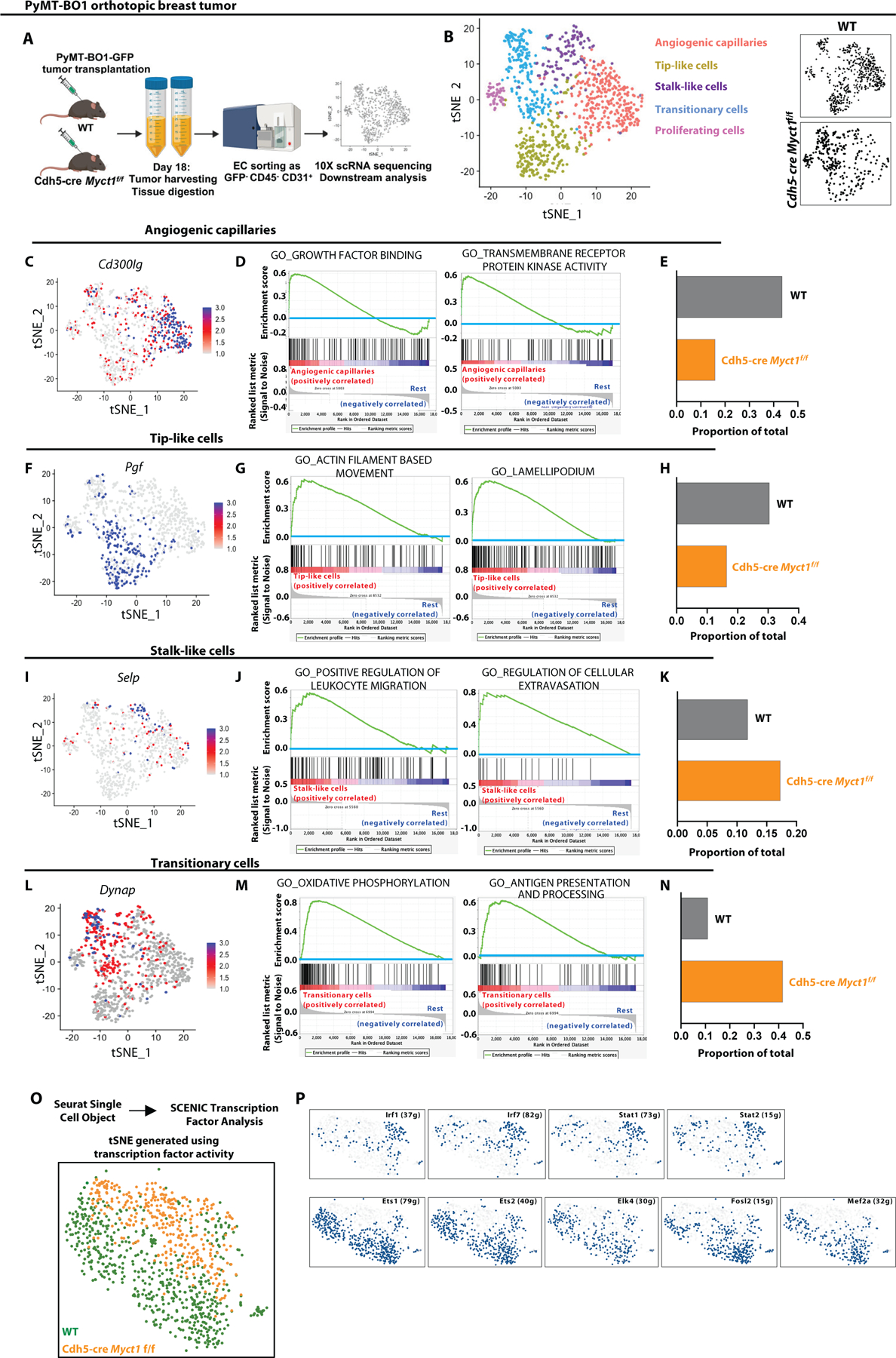
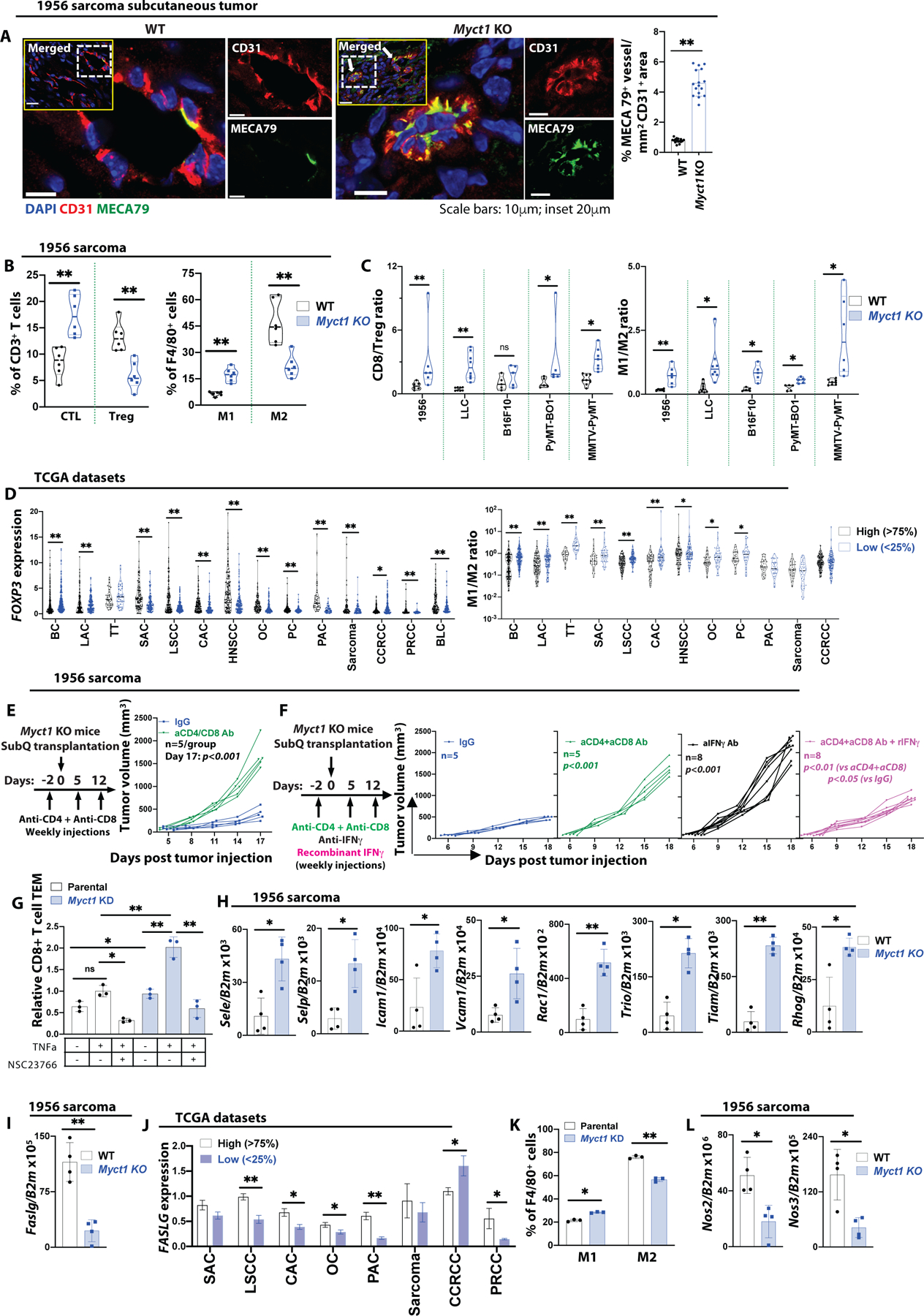
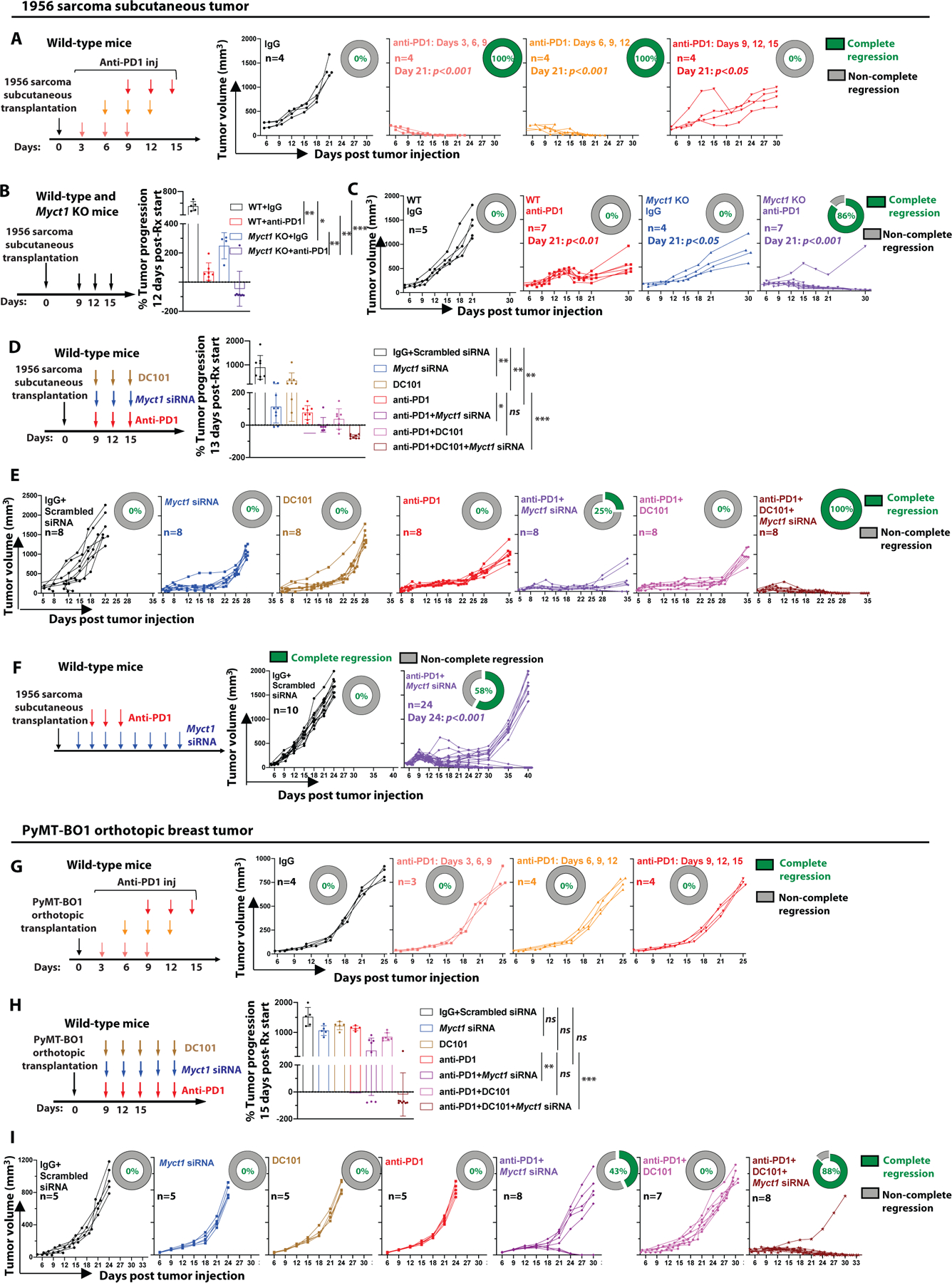
The cross-talk between angiogenesis and immunity within the tumor microenvironment (TME) is critical for tumor prognosis. While pro-angiogenic and immunosuppressive TME promote tumor growth, anti-angiogenic and immune stimulatory TME inhibit tumor progression. Therefore, there is a great interest in achieving vascular normalization to improve drug delivery and enhance antitumor immunity. However, anti-vascular endothelial growth factor (VEGF) mechanisms to normalize tumor vessels have offered limited therapeutic efficacies for patients with cancer. Here, we report that , a direct target of ETV2, was nearly exclusively expressed in endothelial cells. In preclinical mouse tumor models, deficiency reduced angiogenesis, enhanced high endothelial venule formation, and promoted antitumor immunity, leading to restricted tumor progression. Analysis of The Cancer Genome Atlas (TCGA) datasets revealed a significant ( < 0.05) correlation between expression, angiogenesis, and antitumor immunity in human cancers, as suggested by decreased expression and increased antitumor macrophages in patients with low expression. Mechanistically, MYCT1 interacted with tight junction protein Zona Occludens 1 and regulated Rho GTPase-mediated actin cytoskeleton dynamics, thereby promoting endothelial motility in the angiogenic environment. -deficient endothelial cells facilitated trans-endothelial migration of cytotoxic T lymphocytes and polarization of M1 macrophages. targeting combined with anti-PD1 treatment significantly ( < 0.05) increased complete tumor regression and long-term survival in anti-PD1-responsive and -refractory tumor models in mice. Our data collectively support a critical role for in controlling tumor angiogenesis and reprogramming tumor immunity. -targeted vascular control, in combination with immunotherapy, may become an exciting therapeutic strategy.
肿瘤微环境(TME)中血管生成和免疫之间的串扰对肿瘤预后至关重要。促血管生成和免疫抑制的 TME 促进肿瘤生长,而抗血管生成和免疫刺激的 TME 抑制肿瘤进展。因此,实现血管正常化以改善药物输送和增强抗肿瘤免疫的兴趣很大。然而,抗血管内皮生长因子(VEGF)机制来使肿瘤血管正常化,为癌症患者提供的治疗效果有限。在这里,我们报告说, 是 ETV2 的直接靶标,几乎仅在血管内皮细胞中表达。在临床前小鼠肿瘤模型中, 缺乏减少血管生成,增强高内皮静脉形成,并促进抗肿瘤免疫,从而限制肿瘤进展。对癌症基因组图谱(TCGA)数据集的分析表明, 在人类癌症中, 表达、血管生成和抗肿瘤免疫之间存在显著相关性( < 0.05),这表明低表达患者的 表达减少和抗肿瘤巨噬细胞增加。从机制上讲,MYCT1 与紧密连接蛋白 Zona Occludens 1 相互作用,并调节 Rho GTPase 介导的肌动蛋白细胞骨架动力学,从而在血管生成环境中促进内皮细胞的运动。 缺陷内皮细胞促进细胞毒性 T 淋巴细胞的跨内皮迁移和 M1 巨噬细胞的极化。 靶向与抗 PD1 治疗联合显著( < 0.05)增加了小鼠抗 PD1 反应性和难治性肿瘤模型中的完全肿瘤消退和长期生存。我们的数据共同支持 控制肿瘤血管生成和重新编程肿瘤免疫的关键作用。 靶向血管控制与免疫疗法相结合,可能成为一种令人兴奋的治疗策略。