
DNA 甲基化分析揭示早发型和晚发型新生儿败血症中改变的遗传途径。一项初步研究。
DNA Methylation Analysis to Unravel Altered Genetic Pathways Underlying Early Onset and Late Onset Neonatal Sepsis. A Pilot Study.
机构信息
Neonatal Research Group, Health Research Institute La Fe, Valencia, Spain.
Division of Neonatology, University and Polytechnic Hospital La Fe, Valencia, Spain.
出版信息
Front Immunol. 2021 Feb 15;12:622599. doi: 10.3389/fimmu.2021.622599. eCollection 2021.
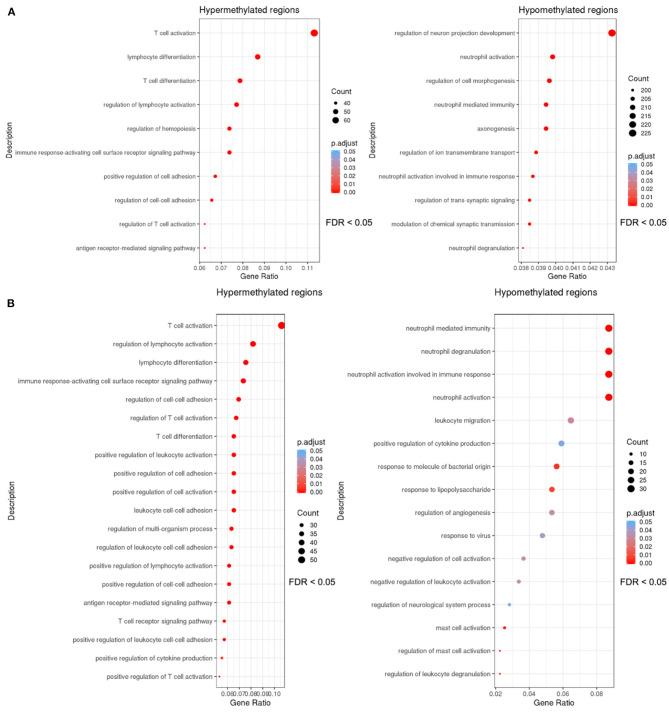
Neonatal sepsis is a systemic condition widely affecting preterm infants and characterized by pro-inflammatory and anti-inflammatory responses. However, its pathophysiology is not yet fully understood. Epigenetics regulates the immune system, and its alteration leads to the impaired immune response underlying sepsis. DNA methylation may contribute to sepsis-induced immunosuppression which, if persistent, will cause long-term adverse effects in neonates. To analyze the methylome of preterm infants in order to determine whether there are DNA methylation marks that may shed light on the pathophysiology of neonatal sepsis. Prospective observational cohort study performed in the neonatal intensive care unit (NICU) of a tertiary care center. Eligible infants were premature ≤32 weeks admitted to the NICU with clinical suspicion of sepsis. The methylome analysis was performed in DNA from blood using Infinium Human Methylation EPIC microarrays to uncover methylation marks. Methylation differential analysis revealed an alteration of methylation levels in genomic regions involved in inflammatory pathways which participate in both the innate and the adaptive immune response. Moreover, differences between early and late onset sepsis as compared to normal controls were assessed. DNA methylation marks can serve as a biomarker for neonatal sepsis and even contribute to differentiating between early and late onset sepsis.
新生儿败血症是一种广泛影响早产儿的全身性疾病,其特征为促炎和抗炎反应。然而,其病理生理学尚未完全阐明。表观遗传学调控免疫系统,其改变导致败血症潜在的免疫反应受损。DNA 甲基化可能导致败血症引起的免疫抑制,如果持续存在,将在新生儿中造成长期不良影响。为了分析早产儿的甲基组,以确定是否存在可能阐明新生儿败血症病理生理学的 DNA 甲基化标记。在三级护理中心的新生儿重症监护病房(NICU)进行的前瞻性观察队列研究。符合条件的婴儿是指早产儿≤32 周,因疑似败血症入住 NICU。使用 Infinium Human Methylation EPIC 微阵列在血液中的 DNA 中进行甲基组分析,以揭示甲基化标记。甲基化差异分析显示,参与固有和适应性免疫反应的炎症途径中基因组区域的甲基化水平发生改变。此外,还评估了早发型和晚发型败血症与正常对照组之间的差异。DNA 甲基化标记可用作新生儿败血症的生物标志物,甚至有助于区分早发型和晚发型败血症。


 Zotero 插件