Oxford Vaccine Group, Department of Paediatrics, NIHR Oxford Biomedical Research Centre, University of Oxford, Oxford, United Kingdom.
Front Immunol. 2019 Jun 18;10:1363. doi: 10.3389/fimmu.2019.01363. eCollection 2019.
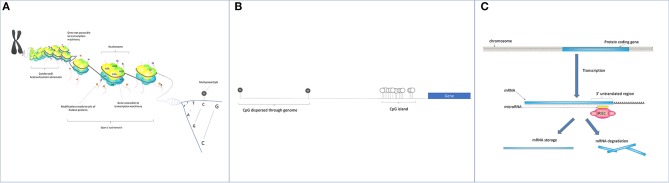
Sepsis has a complex pathophysiology in which both excessive and refractory inflammatory responses are hallmark features. Pro-inflammatory cytokine responses during the early stages are responsible for significant endothelial dysfunction, loss of endothelial integrity, and organ failure. In addition, it is now well-established that a substantial number of sepsis survivors experience ongoing immunological derangement and immunosuppression following a septic episode. The underpinning mechanisms of these phenomena are incompletely understood yet they contribute to a significant proportion of sepsis-associated mortality. Epigenetic mechanisms including DNA methylation, histone modifications, and non-coding RNAs, have an increasingly clear role in modulating inflammatory and other immunological processes. Recent evidence suggests epigenetic mechanisms are extensively perturbed as sepsis progresses, and particularly play a role in endothelial dysfunction and immunosuppression. Whilst therapeutic modulation of the epigenome is still in its infancy, there is substantial evidence from animal models that this approach could reap benefits. In this review, we summarize research elucidating the role of these mechanisms in several aspects of sepsis pathophysiology including tissue injury and immunosuppression. We also evaluate pre-clinical evidence for the use of "epi-therapies" in the treatment of poly-microbial sepsis.
脓毒症的发病机制复杂,其特征为过度和难治性炎症反应。在早期阶段,促炎细胞因子反应可导致显著的内皮功能障碍、内皮完整性丧失和器官衰竭。此外,现在已经明确,大量脓毒症幸存者在经历一次脓毒症发作后会持续出现免疫功能紊乱和免疫抑制。这些现象的潜在机制尚不完全清楚,但它们导致了相当一部分脓毒症相关的死亡率。表观遗传机制,包括 DNA 甲基化、组蛋白修饰和非编码 RNA,在调节炎症和其他免疫过程中具有越来越明确的作用。最近的证据表明,随着脓毒症的进展,表观遗传机制广泛受到干扰,特别是在血管内皮功能障碍和免疫抑制中发挥作用。尽管治疗性调节表观基因组仍处于起步阶段,但动物模型的大量证据表明,这种方法可能会带来益处。在这篇综述中,我们总结了这些机制在脓毒症病理生理学几个方面的研究进展,包括组织损伤和免疫抑制。我们还评估了“表观遗传学治疗”在治疗多微生物脓毒症中的临床前证据。