Subrakova V G, Kulemzin S V, Belovezhets T N, Chikaev A N, Chikaev N A, Koval O A, Gorchakov A A, Taranin A V
Institute of Molecular and Cellular Biology of Siberian Branch of the Russian Academy of Sciences, Novosibirsk, Russia Novosibirsk State University, Novosibirsk, Russia.
Institute of Molecular and Cellular Biology of Siberian Branch of the Russian Academy of Sciences, Novosibirsk, Russia.
Vavilovskii Zhurnal Genet Selektsii. 2020 Feb;24(1):80-86. doi: 10.18699/VJ20.598.
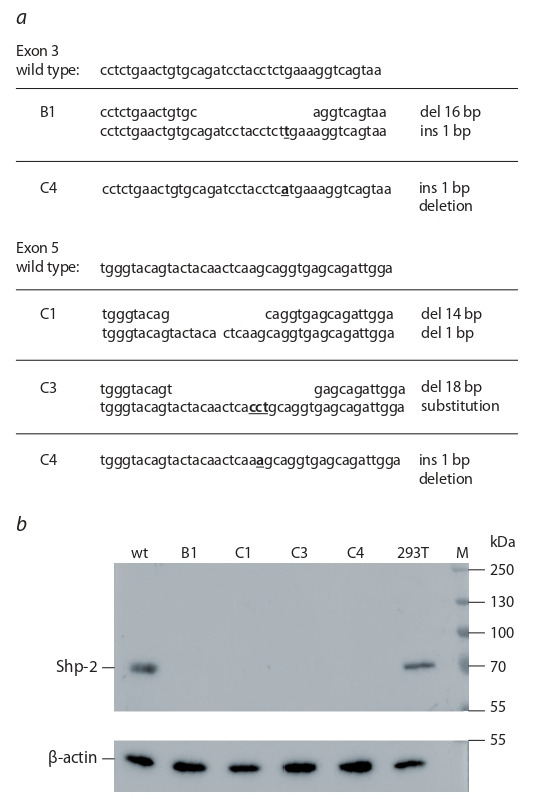
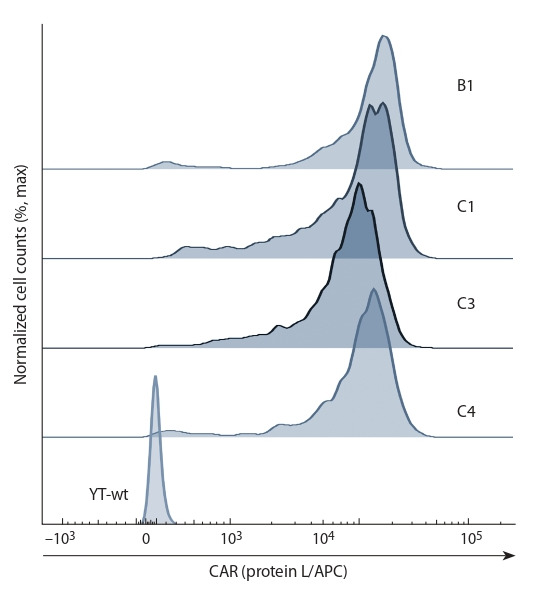
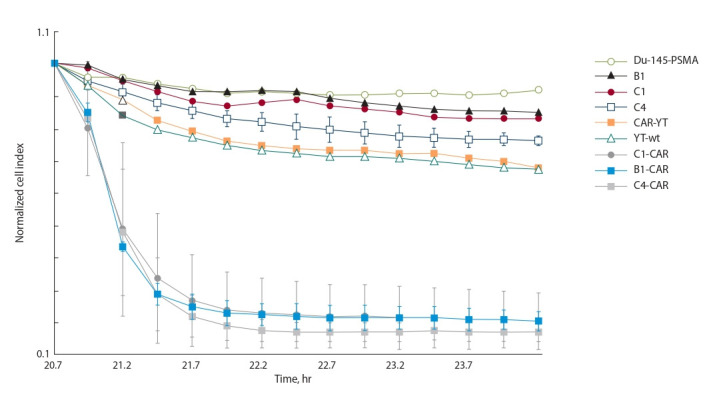
In Russia, cancer is the second leading cause of death following cardiovascular diseases. Adoptive transfer of NK cells is a promising approach to fight cancer; however, for their successful use in cancer treatment, it is necessary to ensure their robust accumulation at tumor foci, provide resistance to the immunosuppressive tumor microenvironment, and to engineer them with higher cytotoxic activity. NK lymphocytes are known to kill cancer cells expressing a number of stress ligands; and the balance of signals from inhibitory and activating receptors on the surface of the NK cell determines whether a cytotoxic reaction is triggered. We hypothesized that stronger cytotoxicity of NK cells could be achieved via gene editing aimed at enhancing the activating signaling cascades and/or weakening the inhibitory ones, thereby shifting the balance of signals towards NK cell activation and target cell lysis. Here, we took advantage of the CRISPR/Cas9 system to introduce mutations in the coding sequence of the shp-2 (PTPN11) gene encoding the signaling molecule of inhibitory pathways in NK cells. These shp-2 knock-out NK cells were additionally transduced to express a chimeric antigen receptor (CAR) that selectively recognized the antigen of interest on the target cell surface and generated an activating signal. We demonstrate that the combination of shp-2 gene knockout and CAR expression increases the cytotoxicity of effector NK-like YT cells against human prostate cancer cell line Du-145 with ectopic expression of PSMA protein, which is specifically targeted by the CAR.
在俄罗斯,癌症是仅次于心血管疾病的第二大死因。过继性转移自然杀伤(NK)细胞是一种很有前景的抗癌方法;然而,为了使其成功用于癌症治疗,有必要确保它们在肿瘤病灶处大量聚集,使其对免疫抑制性肿瘤微环境具有抗性,并对它们进行改造以使其具有更高的细胞毒性活性。已知NK淋巴细胞会杀死表达多种应激配体的癌细胞;NK细胞表面抑制性和激活性受体发出的信号平衡决定了是否会触发细胞毒性反应。我们假设,可以通过基因编辑来增强激活性信号级联反应和/或减弱抑制性信号级联反应,从而将信号平衡转向NK细胞激活和靶细胞裂解,进而实现NK细胞更强的细胞毒性。在此,我们利用CRISPR/Cas9系统在编码NK细胞抑制性途径信号分子的shp-2(PTPN11)基因的编码序列中引入突变。这些敲除shp-2基因的NK细胞还被转导以表达嵌合抗原受体(CAR),该受体可选择性识别靶细胞表面的目标抗原并产生激活性信号。我们证明,敲除shp-2基因与表达CAR相结合可增强效应性NK样YT细胞对人前列腺癌细胞系Du-145的细胞毒性,该细胞系异位表达CAR特异性靶向的前列腺特异性膜抗原(PSMA)蛋白。