Karamerou Eleni E, Parsons Sophie, McManus Marcelle C, Chuck Christopher J
Department of Mechanical Engineering, University of Bath, Bath, BA2 7AY, UK.
Department of Chemical Engineering, University of Bath, Bath, BA2 7AY, UK.
Biotechnol Biofuels. 2021 Mar 4;14(1):57. doi: 10.1186/s13068-021-01911-3.
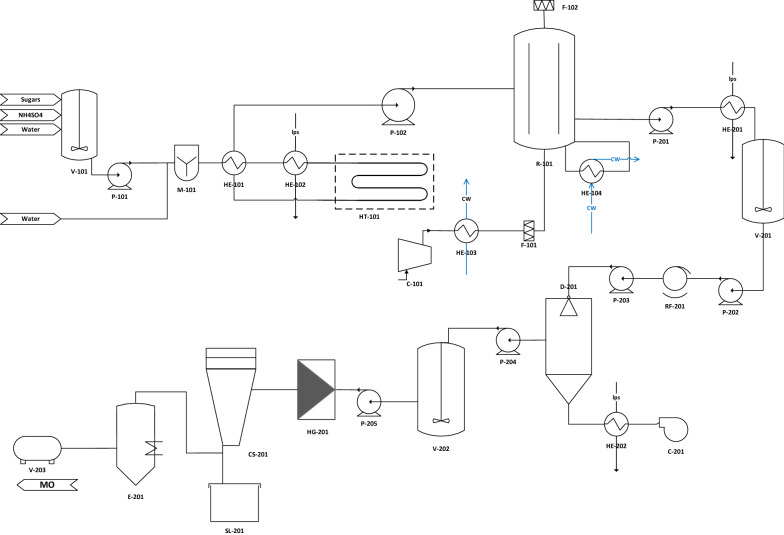
Heterotrophic single-cell oils (SCOs) are one potential replacement to lipid-derived biofuels sourced from first-generation crops such as palm oil. However, despite a large experimental research effort in this area, there are only a handful of techno-economic modelling publications. As such, there is little understanding of whether SCOs are, or could ever be, a potential competitive replacement. To help address this question, we designed a detailed model that coupled a hypothetical heterotroph (using the very best possible biological lipid production) with the largest and most efficient chemical plant design possible.
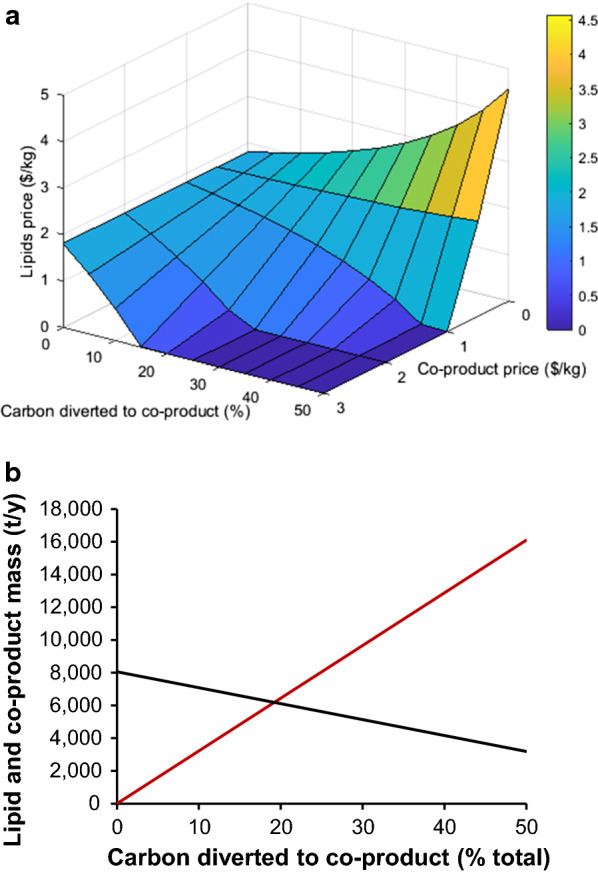
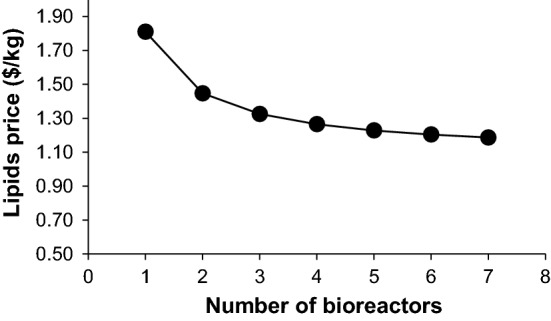
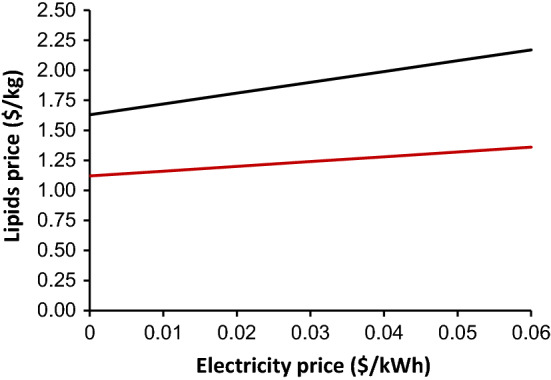
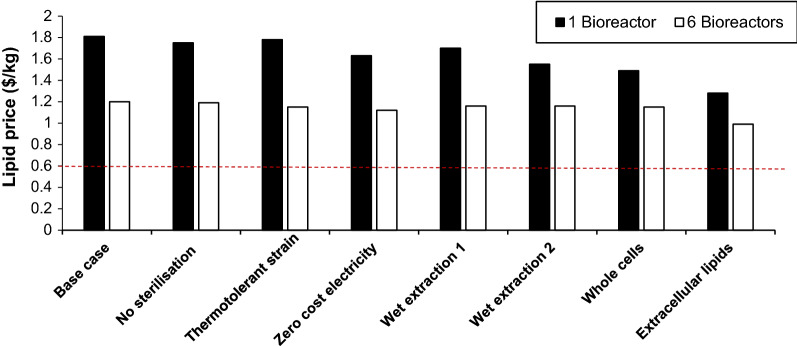
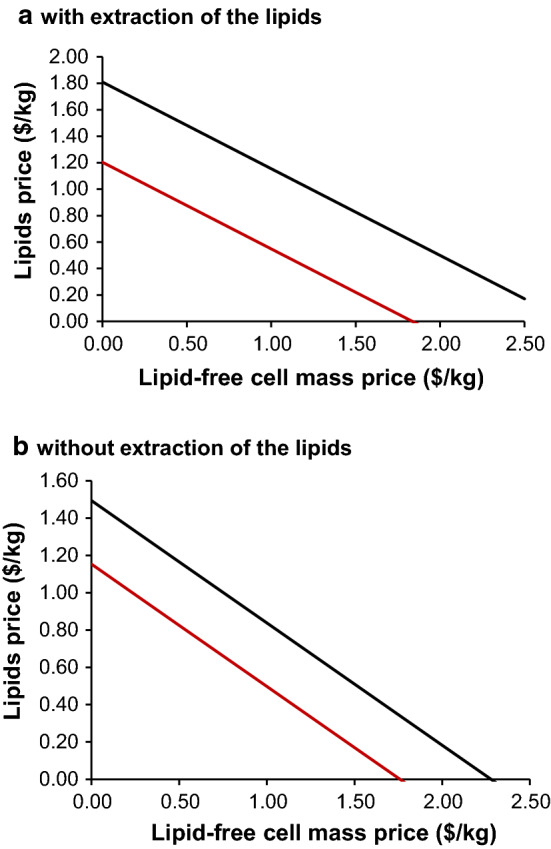
Our base case gave a lipid selling price of $1.81/kg for ~ 8,000 tonnes/year production, that could be reduced to $1.20/kg on increasing production to ~ 48,000 tonnes of lipid a year. A range of scenarios to further reduce this cost were then assessed, including using a thermotolerant strain (reducing the cost from $1.20 to $1.15/kg), zero-cost electricity ($ 1.12/kg), using non-sterile conditions ($1.19/kg), wet extraction of lipids ($1.16/kg), continuous production of extracellular lipid ($0.99/kg) and selling the whole yeast cell, including recovering value for the protein and carbohydrate ($0.81/kg). If co-products were produced alongside the lipid then the price could be effectively reduced to $0, depending on the amount of carbon funnelled away from lipid production, as long as the co-product could be sold in excess of $1/kg.
The model presented here represents an ideal case that which while not achievable in reality, importantly would not be able to be improved on, irrespective of the scientific advances in this area. From the scenarios explored, it is possible to produce lower cost SCOs, but research must start to be applied in three key areas, firstly designing products where the whole cell is used. Secondly, further work on the product systems that produce lipids extracellularly in a continuous processing methodology or finally that create an effective biorefinery designed to produce a low molecular weight, bulk chemical, alongside the lipid. All other research areas will only ever give incremental gains rather than leading towards an economically competitive, sustainable, microbial oil.
异养单细胞油(SCOs)是第一代作物(如棕榈油)来源的脂质衍生生物燃料的一种潜在替代品。然而,尽管该领域进行了大量的实验研究,但技术经济模型方面的出版物却寥寥无几。因此,对于SCOs是否是或能否成为一种潜在的有竞争力的替代品,人们了解甚少。为了帮助回答这个问题,我们设计了一个详细的模型,该模型将一种假设的异养生物(采用尽可能最佳的生物脂质生产方式)与可能的最大且最高效的化工厂设计相结合。
我们的基础案例给出了每年约8000吨产量时脂质的销售价格为1.81美元/千克,若将产量提高到每年约48000吨脂质,则价格可降至1.20美元/千克。然后评估了一系列进一步降低成本的方案,包括使用耐热菌株(将成本从1.20美元/千克降至1.15美元/千克)、零成本电力(1.12美元/千克)、使用非无菌条件(1.19美元/千克)、脂质的湿法提取(1.16美元/千克)、细胞外脂质的连续生产(0.99美元/千克)以及出售整个酵母细胞,包括回收蛋白质和碳水化合物的价值(0.81美元/千克)。如果在生产脂质的同时还生产副产品,那么只要副产品能够以超过1美元/千克的价格出售,根据从脂质生产中转移的碳量,价格实际上可以降至0美元。
此处提出的模型代表了一种理想情况,虽然在现实中无法实现,但重要的是,无论该领域的科学进展如何,都无法对其进行改进。从所探讨的方案来看,有可能生产出成本更低的SCOs,但研究必须开始应用于三个关键领域,首先是设计使用整个细胞的产品。其次,进一步研究以连续加工方法在细胞外生产脂质的产品系统,或者最后创建一个有效的生物精炼厂,旨在除了生产脂质外,还生产低分子量的大宗化学品。所有其他研究领域只会带来渐进式的收益,而无法实现具有经济竞争力、可持续的微生物油。