Wu Qi, Yu Xin, Liu Le, Sun Shengrong, Sun Si
Department of Breast and Thyroid Surgery, Renmin Hospital of Wuhan University, 238 Ziyang Road, Wuhan, 430060, Hubei, People's Republic of China.
Center of Ultramicroscopic Pathology, Renmin Hospital of Wuhan University, Wuhan, Hubei, People's Republic of China.
Cell Biosci. 2021 Mar 4;11(1):49. doi: 10.1186/s13578-021-00557-w.
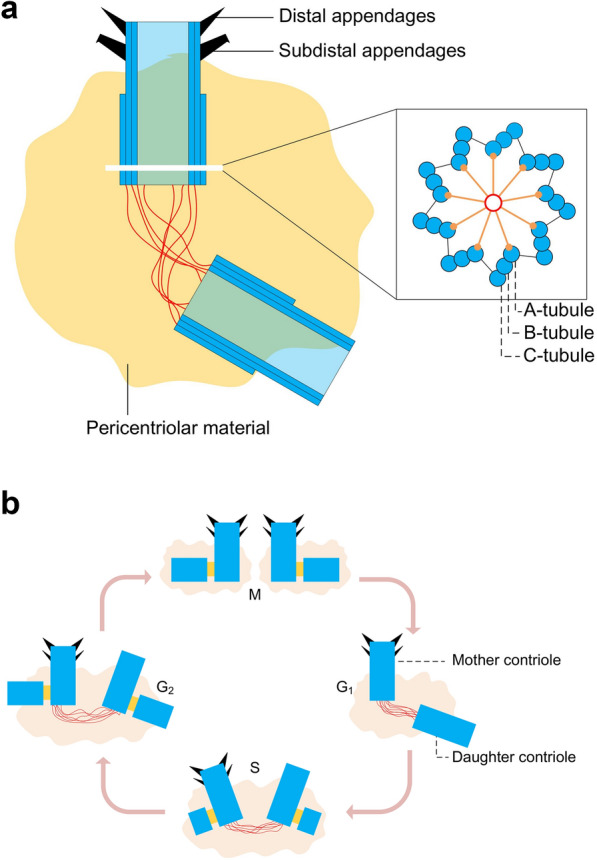
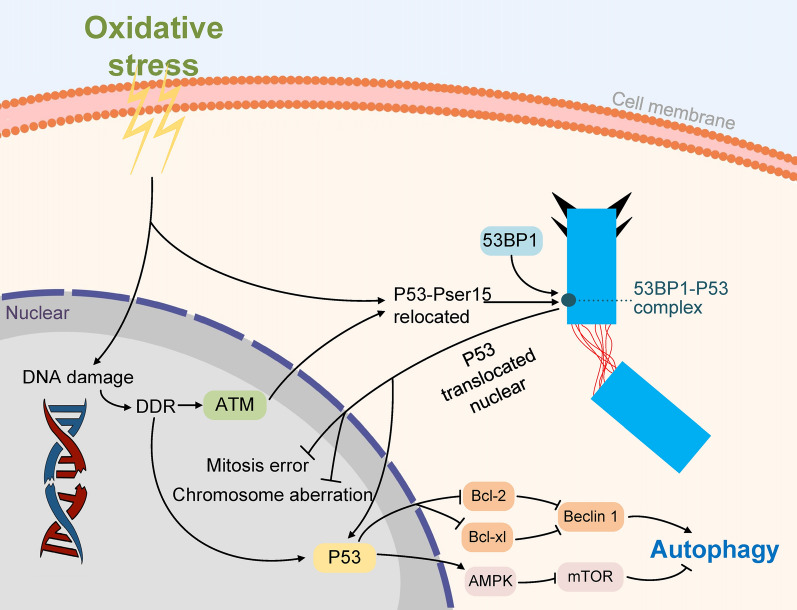
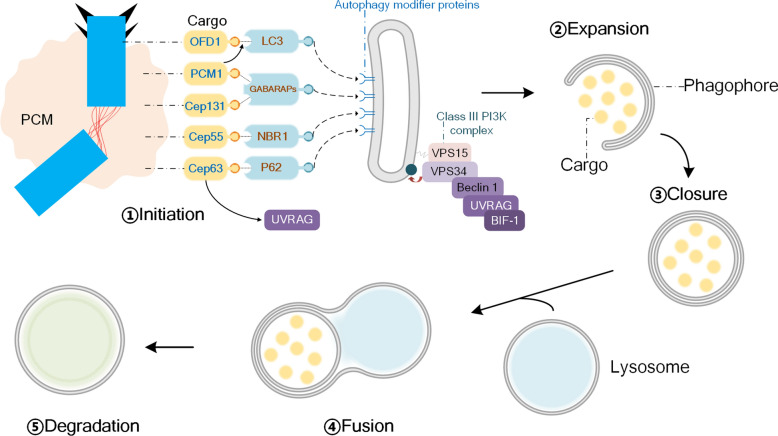
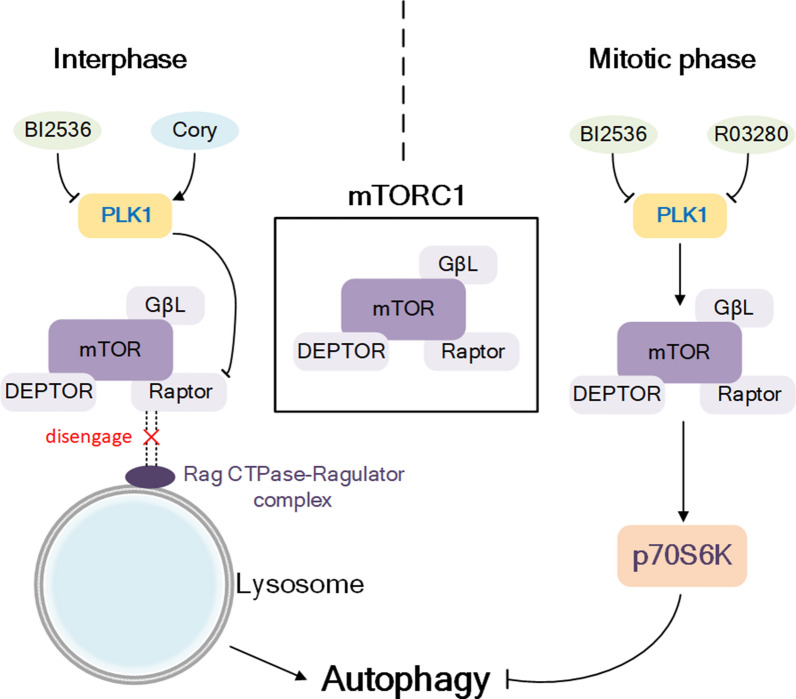
Autophagy is a prominent mechanism to preserve homeostasis and the response to intracellular or extracellular stress. Autophagic degradation can be selectively targeted to dysfunctional subcellular compartments. Centrosome homeostasis is pivotal for healthy proliferating cells, but centrosome aberration is a hallmark of diverse human disorders. Recently, a process called centrosome-phagy has been identified. The process involves a panel of centrosomal proteins and centrosome-related pathways that mediate the specific degradation of centrosomal components via the autophagic machinery. Although autophagy normally mediates centrosome homeostasis, autophagy defects facilitate ageing and multiple human diseases, such as ciliopathies and cancer, which benefit from centrosome aberration. Here, we discuss the molecular systems that trigger centrosome-phagy and its role in human disorders.
自噬是维持体内平衡以及对细胞内或细胞外应激作出反应的一种重要机制。自噬性降解可选择性地作用于功能失调的亚细胞区室。中心体稳态对于健康的增殖细胞至关重要,但中心体畸变是多种人类疾病的一个标志。最近,一种名为中心体自噬的过程已被识别。该过程涉及一组中心体蛋白和与中心体相关的途径,它们通过自噬机制介导中心体成分的特异性降解。尽管自噬通常介导中心体稳态,但自噬缺陷会促进衰老和多种人类疾病,如纤毛病和癌症,这些疾病会从中心体畸变中获益。在此,我们讨论触发中心体自噬的分子系统及其在人类疾病中的作用。