Zhang Shuo, Chen Zhen, Shi Puyu, Fan Songqing, He Yong, Wang Qiming, Li Yixiang, Ramalingam Suresh S, Owonikoko Taofeek K, Sun Shi-Yong
Department of Hematology and Medical Oncology, Emory University School of Medicine and Winship Cancer Institute, Atlanta, Georgia, USA.
Department of Pathology, The Second Xiangya Hospital, Central South University, Changsha, Hunan, China.
Theranostics. 2021 Feb 15;11(8):3964-3980. doi: 10.7150/thno.54824. eCollection 2021.
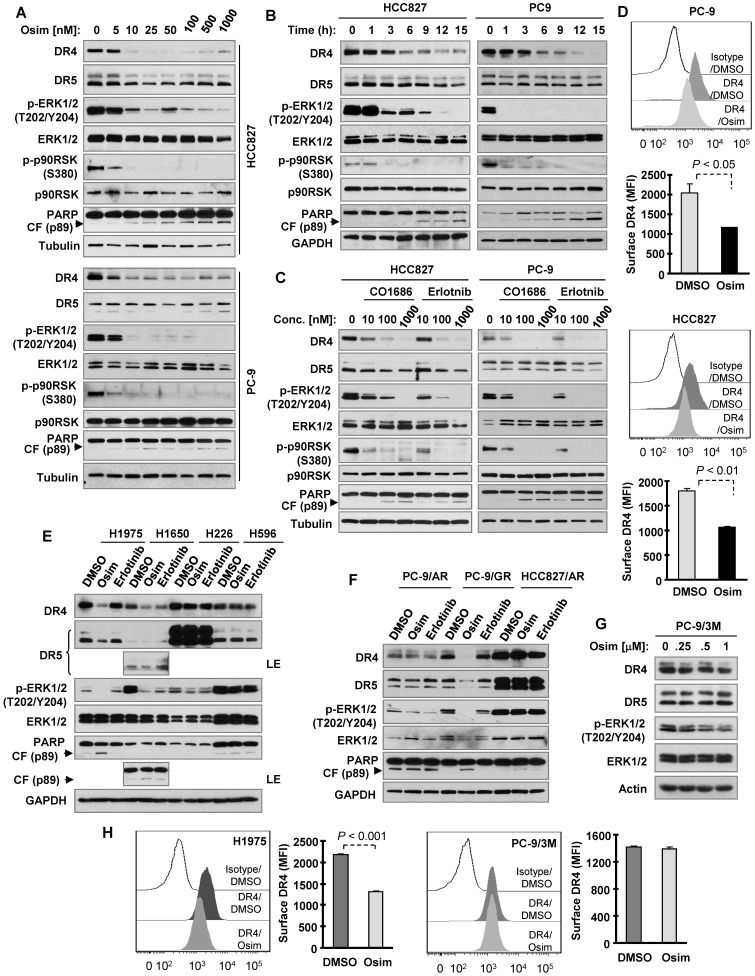
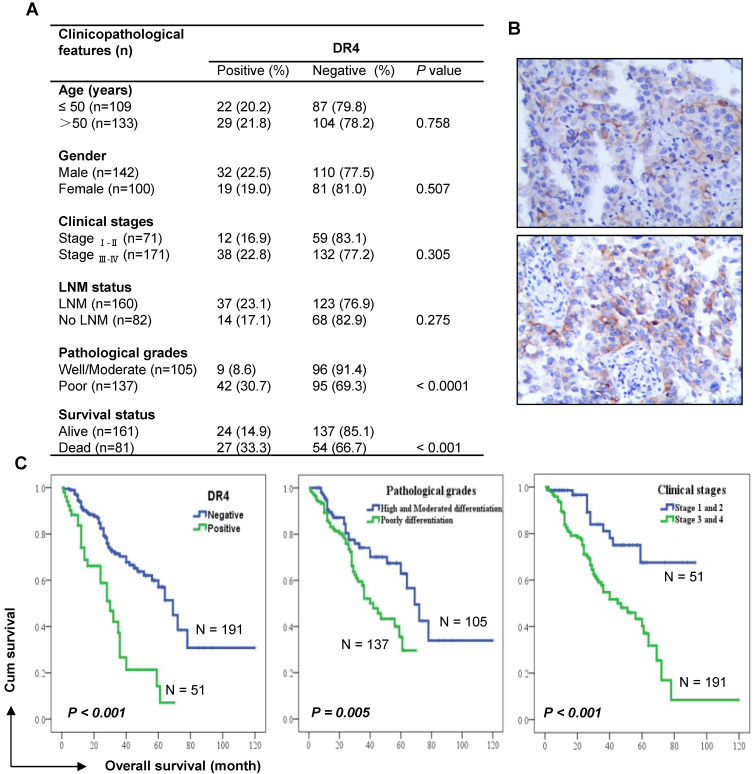
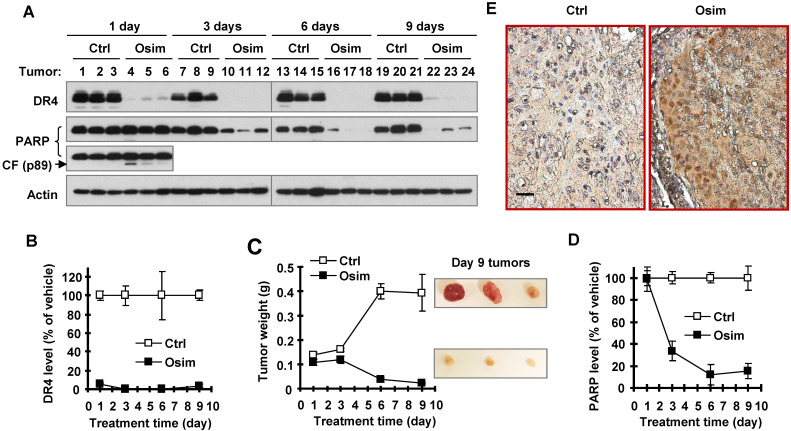
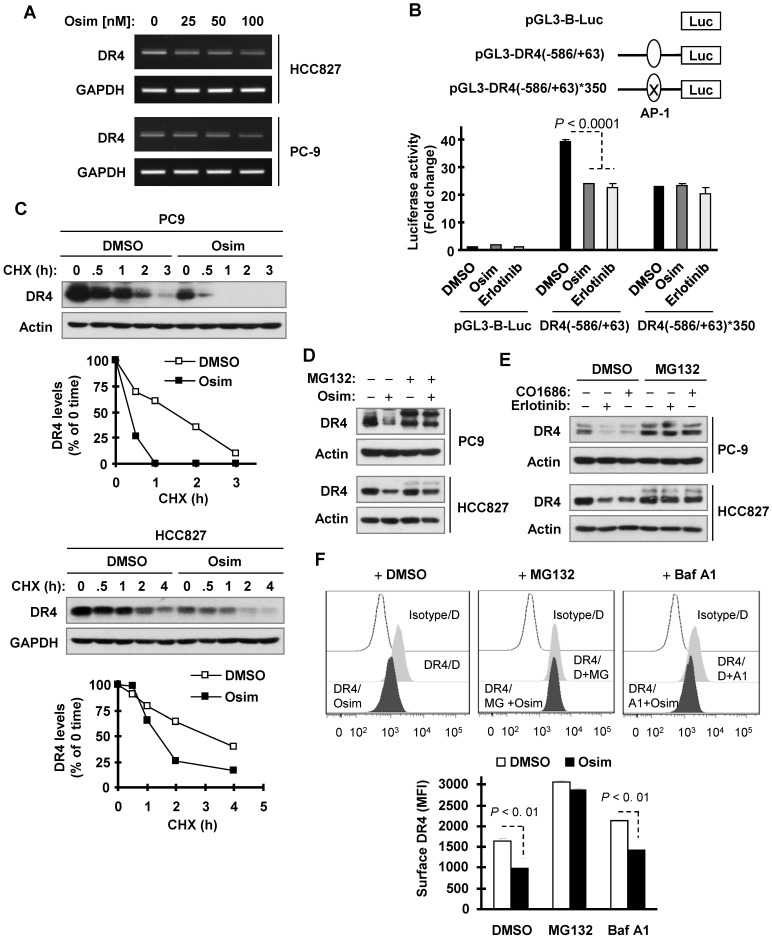
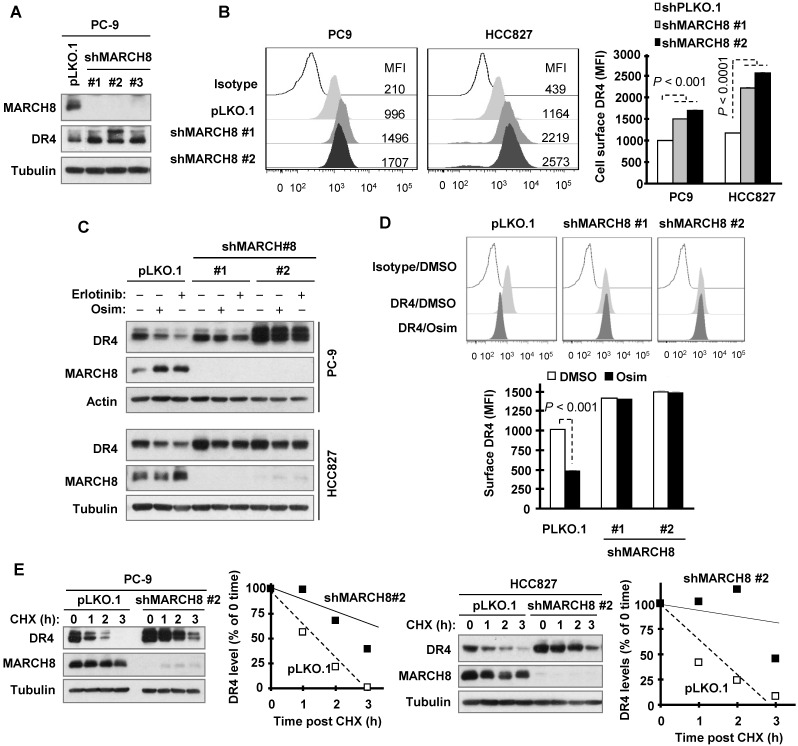
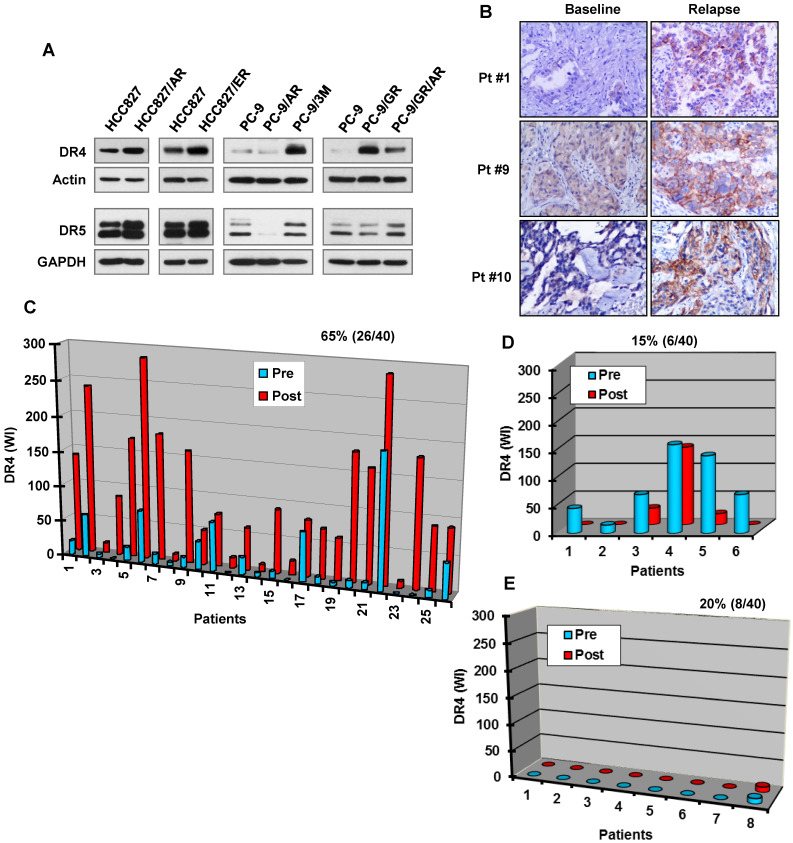
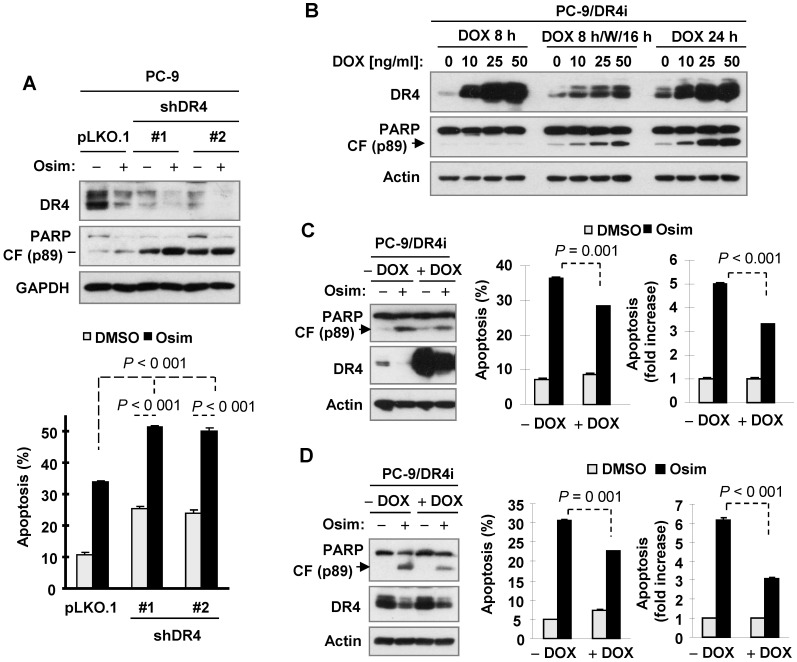
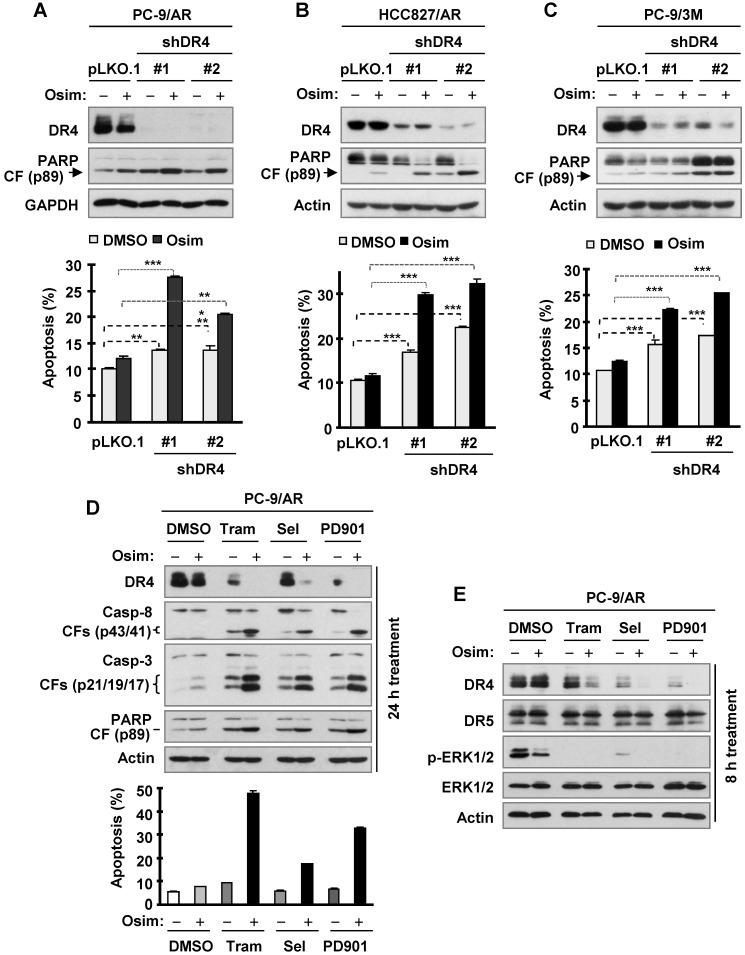
Death receptor 4 (DR4), a cell surface receptor, mediates apoptosis or induces inflammatory cytokine secretion upon binding to its ligand depending on cell contexts. Its prognostic impact in lung cancer and connection between EGFR-targeted therapy and DR4 modulation has not been reported and thus was the focus of this study. Intracellular protein alterations were measured by Western blotting. Cell surface protein was detected with antibody staining and flow cytometry. mRNA expression was monitored with qRT-PCR. Gene transactivation was analyzed with promoter reporter assay. Drug dynamic effects were evaluated using xenografts. Gene modulations were achieved with gene overexpression and knockdown. Proteins in human archived tissues were stained with immunohistochemistry. EGFR inhibitors (e.g., osimertinib) decreased DR4 levels only in EGFR mutant NSCLC cells and tumors, being tightly associated with induction of apoptosis. This modulation was lost once cells became resistant to these inhibitors. Increased levels of DR4 were detected in cell lines with acquired osimertinib resistance and in NSCLC tissues relapsed from EGFR-targeted therapy. DR4 knockdown induced apoptosis and augmented apoptosis when combined with osimertinib in both sensitive and resistant cell lines, whereas enforced DR4 expression significantly attenuated osimertinib-induced apoptosis. Mechanistically, osimertinib induced MARCH8-mediated DR4 proteasomal degradation and suppressed MEK/ERK/AP-1-dependent DR4 transcription, resulting in DR4 downregulation. Moreover, we found that DR4 positive expression in human lung adenocarcinoma was significantly associated with poor patient survival. Collectively, we suggest that DR4 downregulation is coupled to therapeutic efficacy of EGFR-targeted therapy and predicts improved prognosis, revealing a previously undiscovered connection between EGFR-targeted therapy and DR4 modulation.
死亡受体4(DR4)是一种细胞表面受体,根据细胞环境,它在与配体结合后介导细胞凋亡或诱导炎性细胞因子分泌。其在肺癌中的预后影响以及表皮生长因子受体(EGFR)靶向治疗与DR4调节之间的联系尚未见报道,因此本研究以此为重点。通过蛋白质免疫印迹法检测细胞内蛋白质变化。用抗体染色和流式细胞术检测细胞表面蛋白。用实时定量聚合酶链反应(qRT-PCR)监测信使核糖核酸(mRNA)表达。用启动子报告基因分析法分析基因反式激活。利用异种移植评估药物动力学效应。通过基因过表达和基因敲低实现基因调节。用免疫组织化学法对人类存档组织中的蛋白质进行染色。EGFR抑制剂(如奥希替尼)仅在EGFR突变的非小细胞肺癌(NSCLC)细胞和肿瘤中降低DR4水平,这与细胞凋亡的诱导密切相关。一旦细胞对这些抑制剂产生耐药性,这种调节作用就会丧失。在获得奥希替尼耐药性的细胞系和从EGFR靶向治疗复发的NSCLC组织中检测到DR4水平升高。在敏感和耐药细胞系中,DR4基因敲低均诱导细胞凋亡,与奥希替尼联合使用时可增强细胞凋亡,而强制表达DR4则显著减弱奥希替尼诱导的细胞凋亡。机制上,奥希替尼诱导含E3泛素蛋白连接酶8(MARCH8)介导的DR4蛋白酶体降解,并抑制丝裂原活化蛋白激酶/细胞外信号调节激酶/活化蛋白-1(MEK/ERK/AP-1)依赖的DR4转录,导致DR4下调。此外,我们发现人类肺腺癌中DR4的阳性表达与患者的不良生存显著相关。总体而言,我们认为DR4下调与EGFR靶向治疗的疗效相关,并预示着预后改善,揭示了EGFR靶向治疗与DR4调节之间此前未被发现的联系。