Department of Pharmacology, Sinhgad Technical Education Society's Smt. Kashibai Navale College of Pharmacy, Savitribai Phule Pune University, Pune, Maharashtra, India.
Indian J Pharmacol. 2020 Nov-Dec;52(6):505-513. doi: 10.4103/ijp.IJP_482_19.
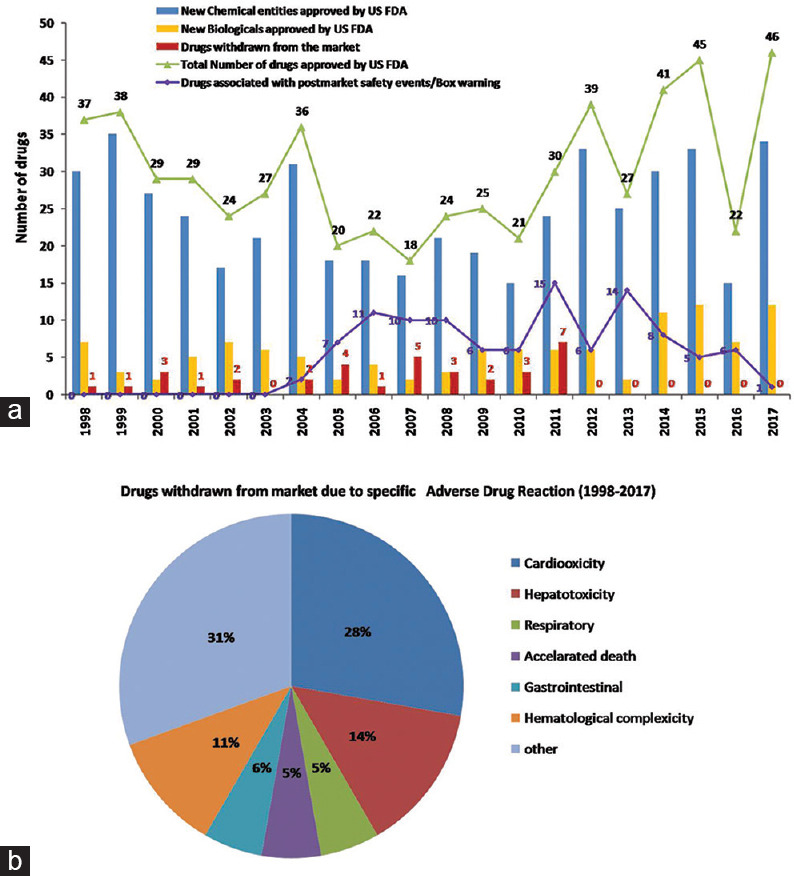
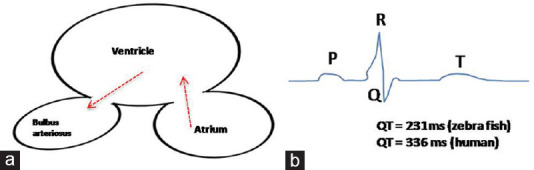
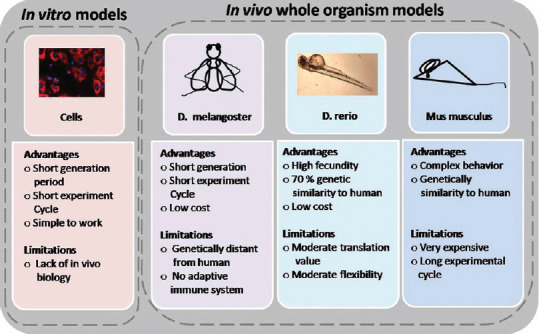
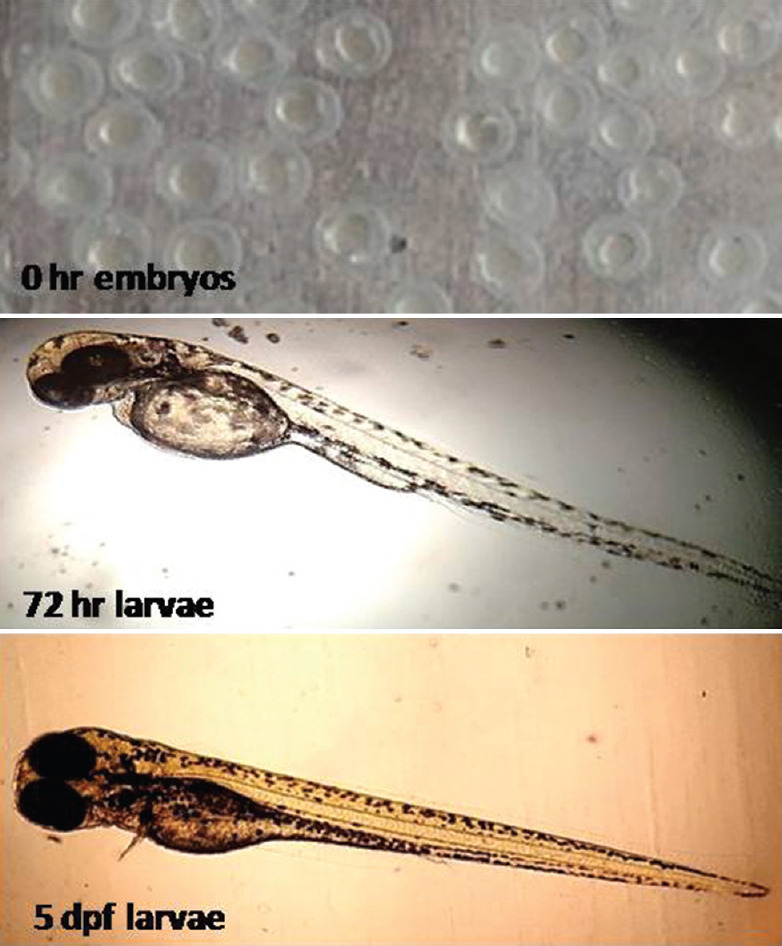
During the last two decades, the development in drug discovery is slackening due to drug withdrawal from the market or reported to have postmarket safety events. The vital organ toxicities, especially cardiotoxicity, hepatotoxicity, pulmonary toxicity, and neurotoxicity are the major concerns for high drug attrition rates. The pharmaceutical industry is looking for high throughput, high content analysis based novel assays that would be fast, efficient, reproducible, and cost-effective; would address toxicity, the safety of lead molecules, and complement currently used cell-based assays in preclinical testing. The use of zebrafish, a vertebrate screening model, for preclinical testing is increasing owing to the number of advantages and striking similarities with the mammal. The zebrafish embryo development is fast and all vital organs such as the heart, liver, brain, pancreas, and kidneys in zebrafish are functional within 96-120hpf. The maintenance cost of zebrafish is reasonably low as compared to mammalian systems. Due to these features, zebrafish has arisen as a potential experimental screening model in lead identification and validation in the drug efficacy, toxicity, and safety evaluation. Numbers of drugs and chemicals are screened using zebrafish embryos, and results were found to show 100% concordance with mammalian screening data. The application of zebrafish, being a whole-organism screening model, would show a significant reduction in the cost and time required in the drug development process. The present challenge includes complete automation of the zebrafish screening model, i.e., from sorting, imaging of embryos to data analysis to accelerate the therapeutic target identification, and validation process.
在过去的二十年中,由于药物从市场撤出或报告有上市后安全性事件,药物发现的发展正在放缓。重要器官毒性,特别是心脏毒性、肝毒性、肺毒性和神经毒性,是高药物淘汰率的主要关注点。制药行业正在寻找高通量、基于高内涵分析的新型检测方法,这些方法应该快速、高效、可重复且具有成本效益;能够解决毒性、先导分子的安全性问题,并补充临床前测试中目前使用的基于细胞的检测方法。由于具有许多优势,并且与哺乳动物有惊人的相似之处,因此使用斑马鱼作为脊椎动物筛选模型进行临床前测试的情况正在增加。斑马鱼胚胎发育迅速,在 96-120hpf 内心脏、肝脏、大脑、胰腺和肾脏等所有重要器官都具有功能。与哺乳动物系统相比,斑马鱼的维护成本相对较低。由于这些特点,斑马鱼已成为在药物功效、毒性和安全性评估中鉴定和验证先导化合物的潜在实验筛选模型。已经使用斑马鱼胚胎筛选了许多药物和化学物质,结果显示与哺乳动物筛选数据的一致性达到 100%。作为一种整体器官筛选模型,斑马鱼的应用将显著降低药物开发过程所需的成本和时间。目前的挑战包括斑马鱼筛选模型的完全自动化,即从胚胎分拣、成像到数据分析,以加速治疗靶点的鉴定和验证过程。