Kubelac Paul, Braicu Cornelia, Raduly Lajos, Chiroi Paul, Nutu Andreea, Cojocneanu Roxana, Budisan Liviuta, Berindan-Neagoe Ioana, Achimas-Cadariu Patriciu
Department of Oncology, Iuliu Hatieganu University of Medicine and Pharmacy, 400012 Cluj Napoca, Romania.
Department of Oncology, The Oncology Institute "Prof. Dr. Ion Chiricuta", 400015 Cluj Napoca, Romania.
Diagnostics (Basel). 2021 Feb 19;11(2):344. doi: 10.3390/diagnostics11020344.
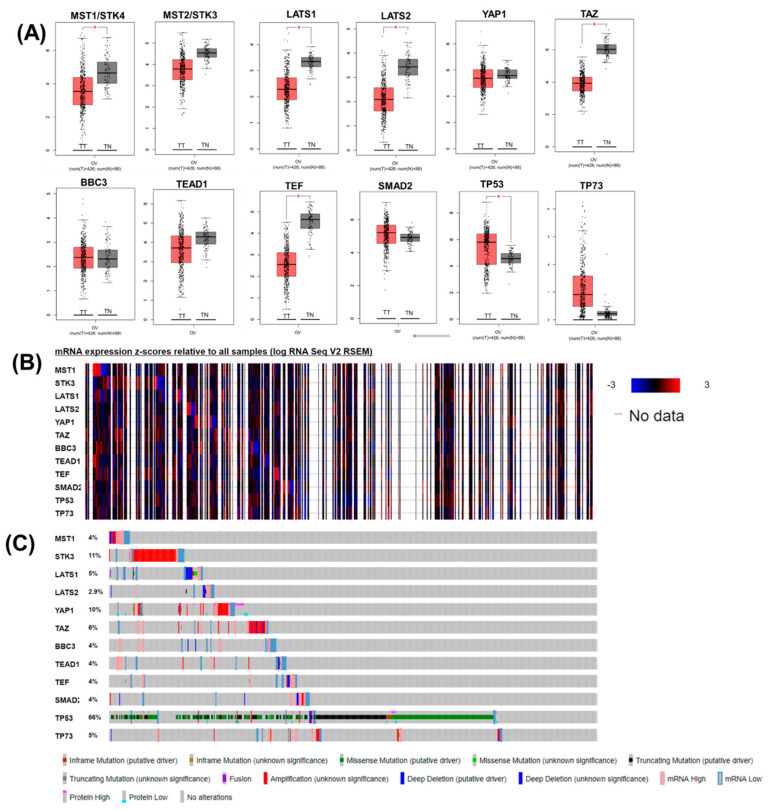
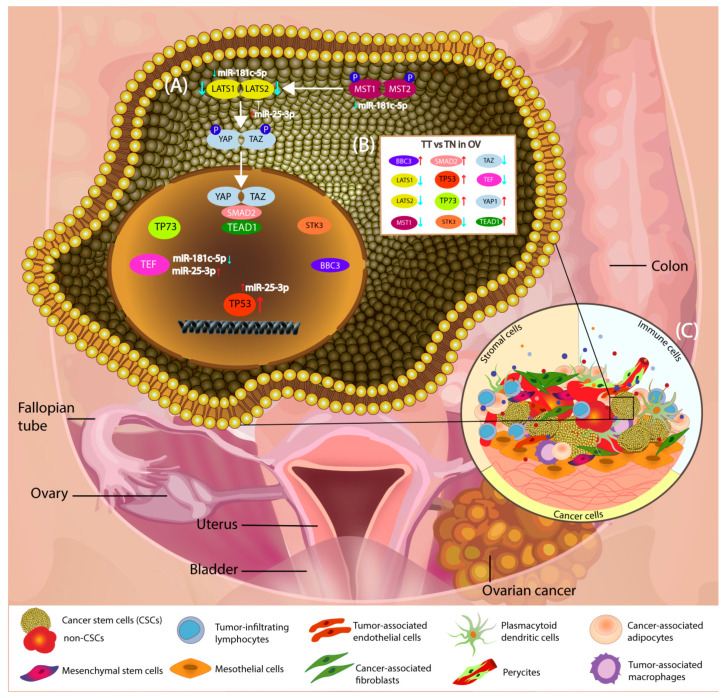
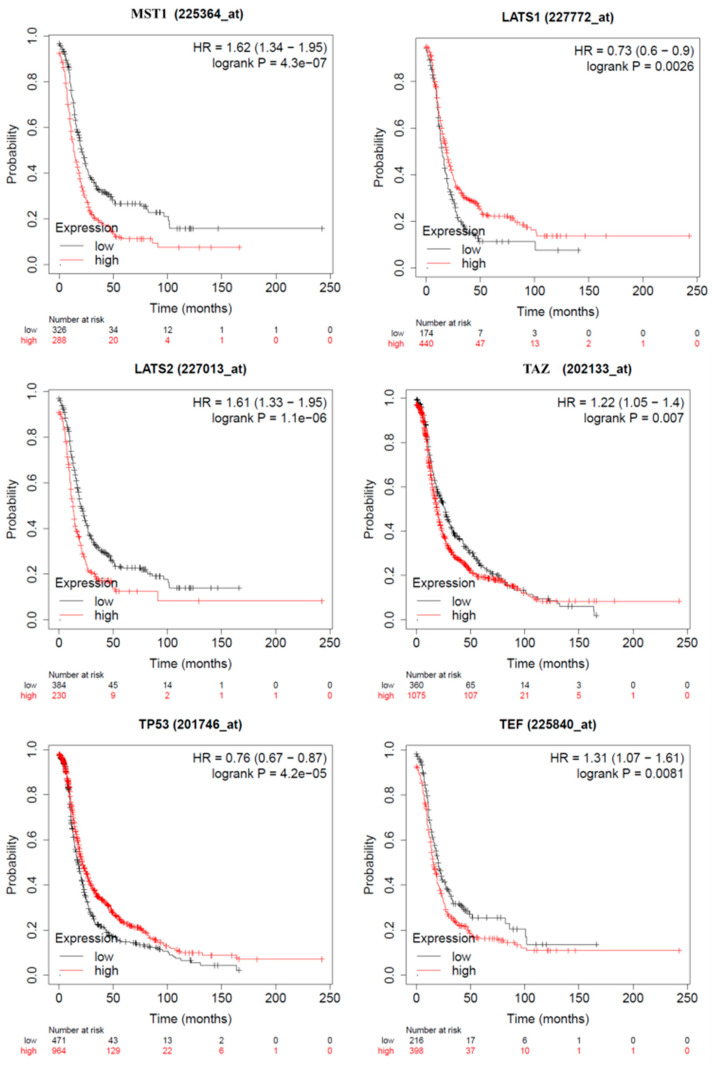
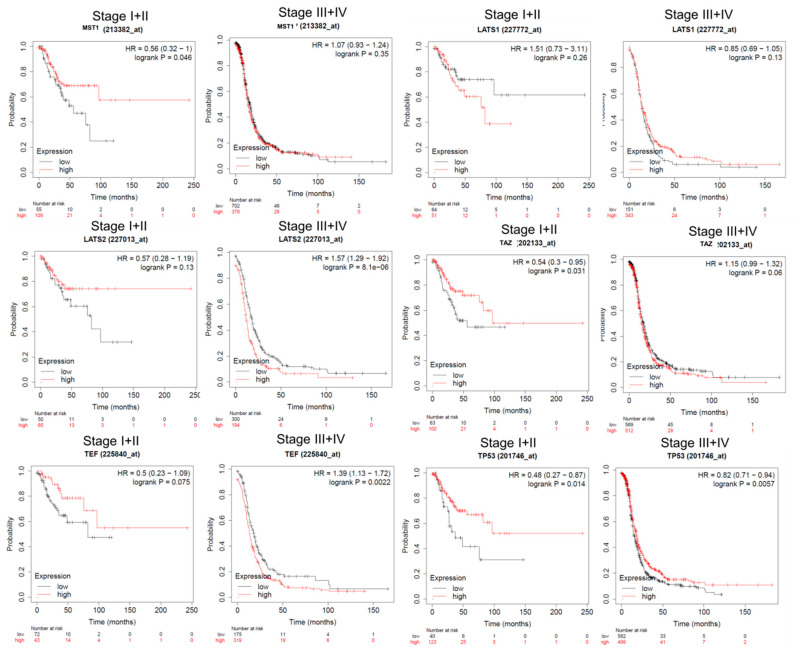
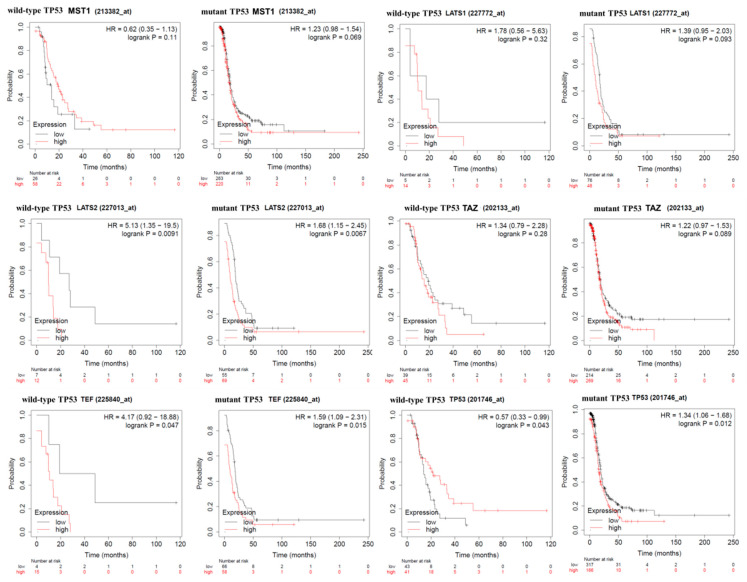
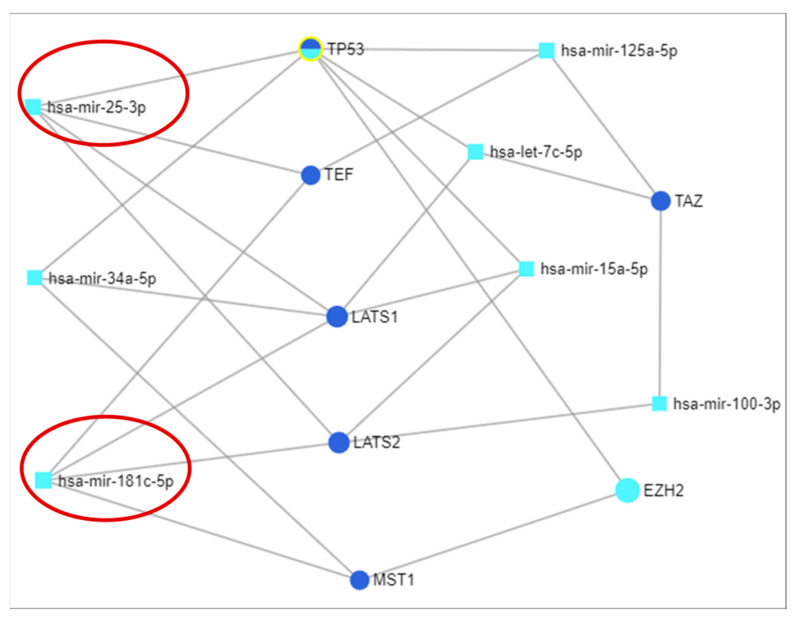
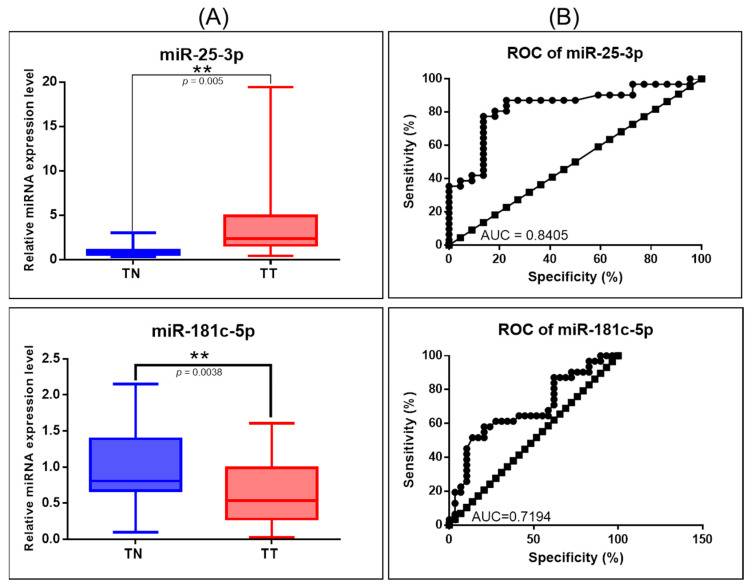
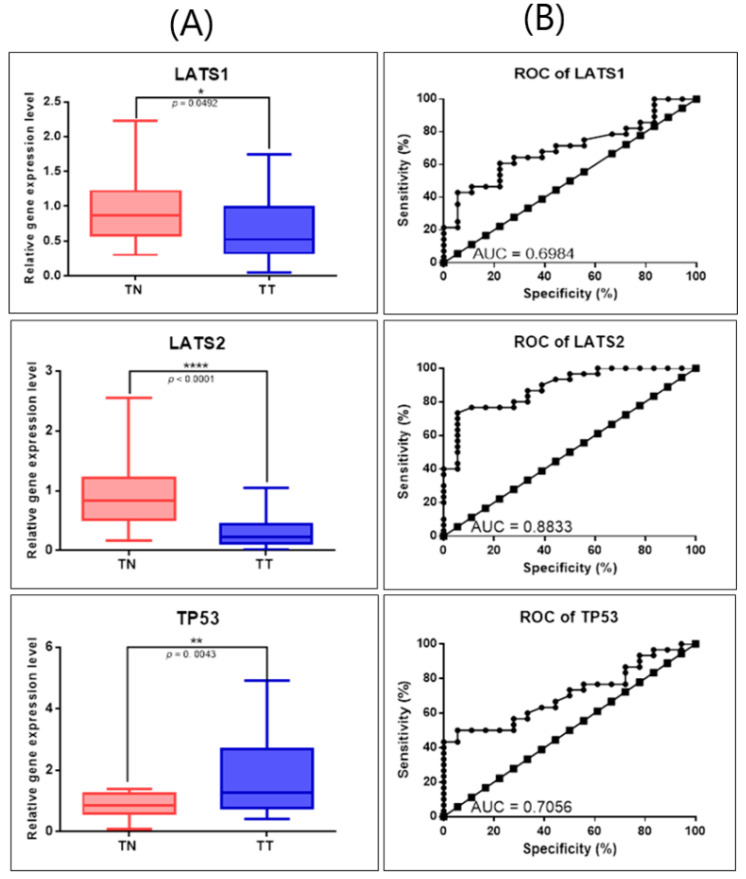
The Hippo signaling pathway, one of the most conserved in humans, controlling dimensions of organs and tumor growth, is frequently deregulated in several human malignancies, including ovarian cancer (OC). The alteration of Hippo signaling has been reported to contribute to ovarian carcinogenesis and progression. However, the prognostic roles of individual Hippo genes in OC patients remain elusive. Herein we investigated the expression level and prognostic value of key Hippo genes in OC using online databases, followed by a qRT-PCR validation step in an additional patient cohort. Using the GEPIA database, we observed an increased level for TP53 and reduced expression level for LATS1, LATS2, MST1, TAZ, and TEF in tumor tissue versus normal adjacent tissue. Moreover, LATS1, LATS2, TP53, TAZ, and TEF expression levels have prognostic significance correlated with progression-free survival. The qRT-PCR validation step was conducted in an OC patient cohort comprising 29 tumor tissues and 20 normal adjacent tissues, endorsing the expression level for LATS1, LATS2, and TP53, as well as for two of the miRNAs targeting the TP53 gene, revealing miR-25-3p upregulation and miR-181c-5p downregulation. These results display that there are critical prognostic value dysregulations of the Hippo genes in OC. Our data demonstrate the major role the conserved Hippo pathway presents in tumor control, underlying potential therapeutic strategies and controlling several steps modulated by miRNAs and their target genes that could limit ovarian cancer progression.
河马信号通路是人类中最保守的信号通路之一,控制着器官大小和肿瘤生长,在包括卵巢癌(OC)在内的多种人类恶性肿瘤中经常失调。据报道,河马信号通路的改变有助于卵巢癌的发生和发展。然而,单个河马基因在OC患者中的预后作用仍不清楚。在此,我们使用在线数据库研究了OC中关键河马基因的表达水平和预后价值,随后在另外一组患者中进行了qRT-PCR验证。使用GEPIA数据库,我们观察到与相邻正常组织相比,肿瘤组织中TP53水平升高,而LATS1、LATS2、MST1、TAZ和TEF的表达水平降低。此外,LATS1、LATS2、TP53、TAZ和TEF的表达水平与无进展生存期具有预后相关性。qRT-PCR验证步骤在一个包含29个肿瘤组织和20个相邻正常组织的OC患者队列中进行,证实了LATS1、LATS2和TP53的表达水平,以及靶向TP53基因的两个miRNA的表达水平,揭示了miR-25-3p上调和miR-181c-5p下调。这些结果表明,OC中河马基因存在关键的预后价值失调。我们的数据证明了保守的河马信号通路在肿瘤控制中的主要作用,为潜在的治疗策略提供了依据,并控制了由miRNA及其靶基因调节的几个步骤,这些步骤可能会限制卵巢癌的进展。