Department of Basic Medical Sciences, Neurosciences and Sensory Organs (SMBNOS), Section of Human Anatomy and Histology, University of Bari "Aldo Moro", 70124 Bari, Italy.
Biomolecules. 2021 Feb 18;11(2):310. doi: 10.3390/biom11020310.
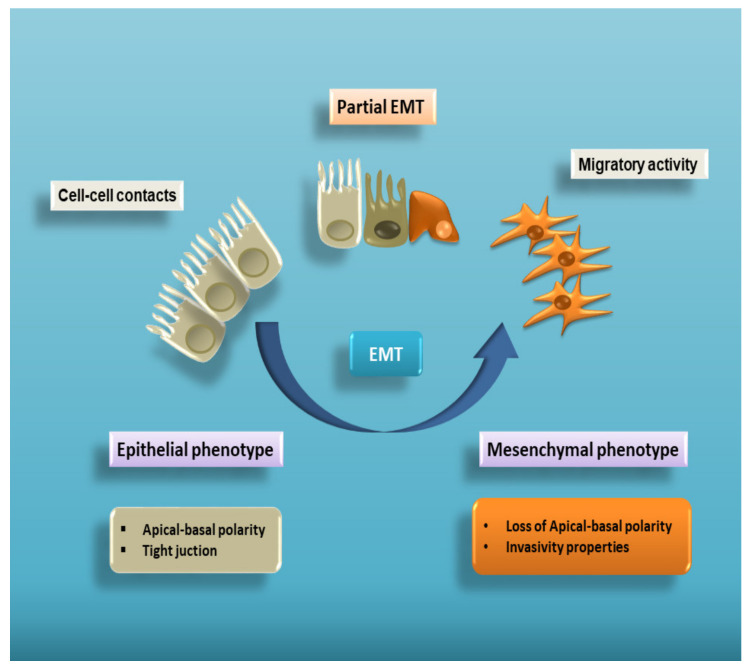
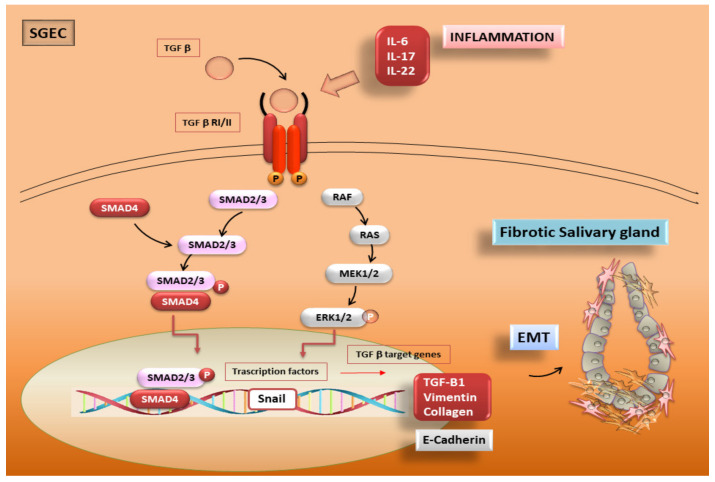
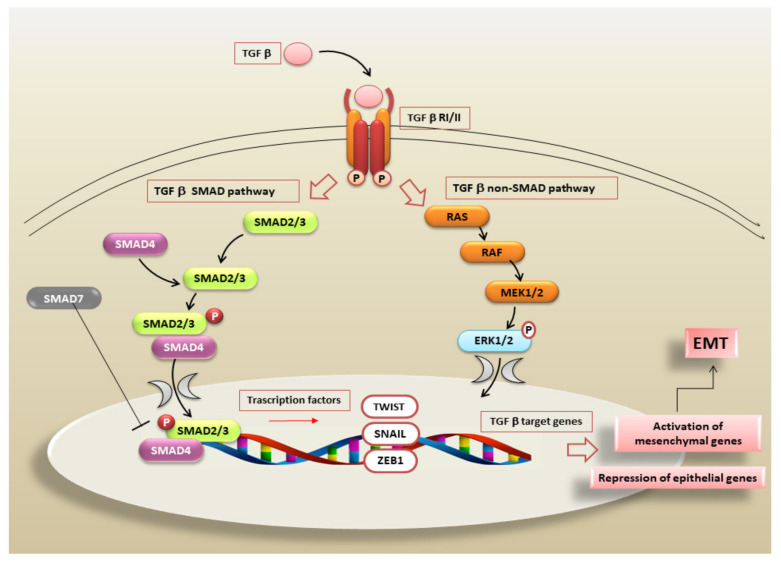
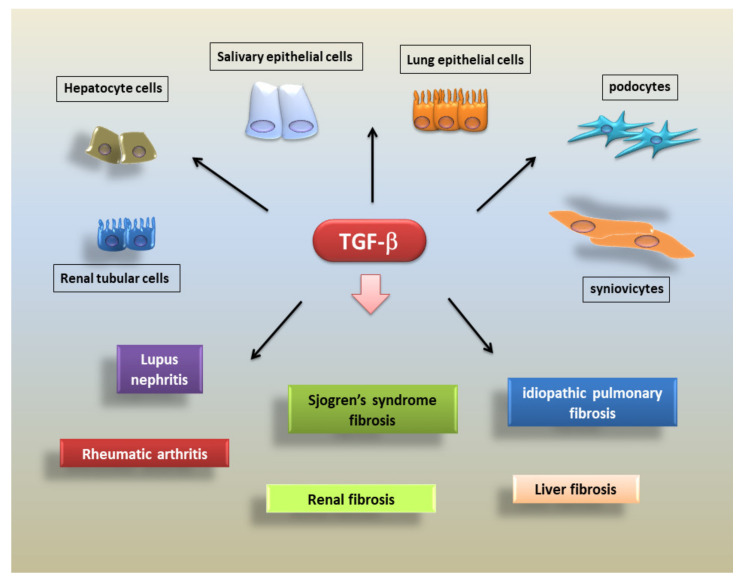
Recent advances in our understanding of the molecular pathways that control the link of inflammation with organ fibrosis and autoimmune diseases point to the epithelial to mesenchymal transition (EMT) as the common association in the progression of these diseases characterized by an intense inflammatory response. EMT, a process in which epithelial cells are gradually transformed to mesenchymal cells, is a major contributor to the pathogenesis of fibrosis. Importantly, the chronic inflammatory microenvironment has emerged as a decisive factor in the induction of pathological EMT. Transforming growth factor-β (TGF-β), a multifunctional cytokine, plays a crucial role in the induction of fibrosis, often associated with chronic phases of inflammatory diseases, contributing to marked fibrotic changes that severely impair normal tissue architecture and function. The understanding of molecular mechanisms underlying EMT-dependent fibrosis has both a basic and a translational relevance, since it may be useful to design therapies aimed at counteracting organ deterioration and failure. To this end, we reviewed the recent literature to better elucidate the molecular response to inflammatory/fibrogenic signals in autoimmune diseases in order to further the specific regulation of EMT-dependent fibrosis in more targeted therapies.
近年来,我们对控制炎症与器官纤维化和自身免疫性疾病之间联系的分子途径的理解取得了进展,这表明上皮细胞向间充质转化(EMT)是这些疾病进展的共同关联,这些疾病的特征是强烈的炎症反应。EMT 是上皮细胞逐渐转化为间充质细胞的过程,是纤维化发病机制的主要贡献者。重要的是,慢性炎症微环境已成为诱导病理性 EMT 的决定性因素。转化生长因子-β(TGF-β)是一种多功能细胞因子,在纤维化的诱导中起着关键作用,通常与炎症性疾病的慢性阶段相关,导致严重损害正常组织结构和功能的显著纤维化变化。对 EMT 依赖性纤维化的分子机制的理解具有基础和转化相关性,因为它可能有助于设计旨在对抗器官恶化和衰竭的治疗方法。为此,我们回顾了最近的文献,以更好地阐明自身免疫性疾病中炎症/纤维发生信号的分子反应,以便在更具针对性的治疗中进一步针对 EMT 依赖性纤维化进行特定调节。