Division of Nephrology and Clinical Immunology, RWTH Aachen University, Aachen, Germany.
Institute of Experimental Medicine and Systems Biology, RWTH Aachen University, Aachen, Germany.
Nature. 2021 Jan;589(7841):281-286. doi: 10.1038/s41586-020-2941-1. Epub 2020 Nov 11.
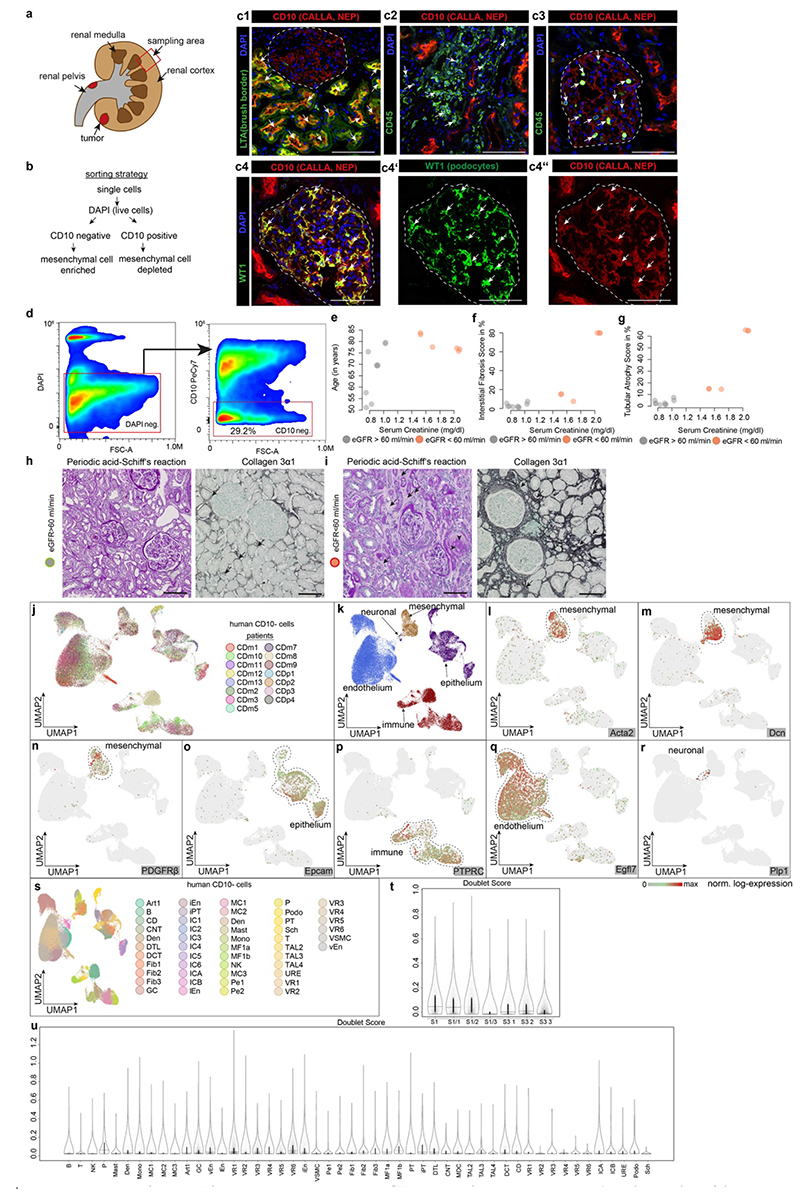
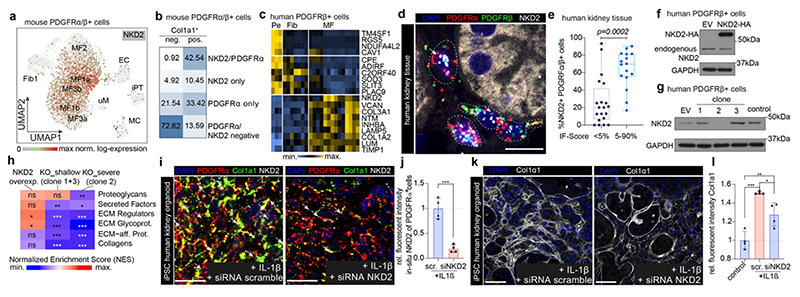
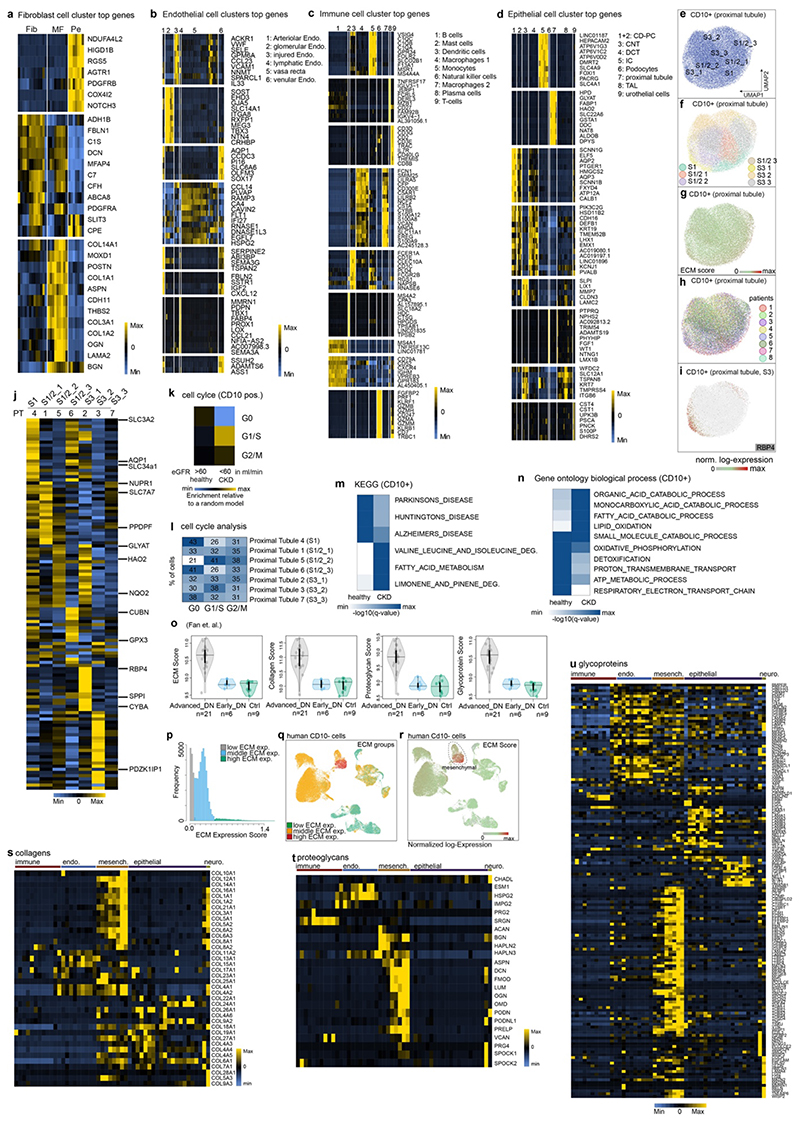
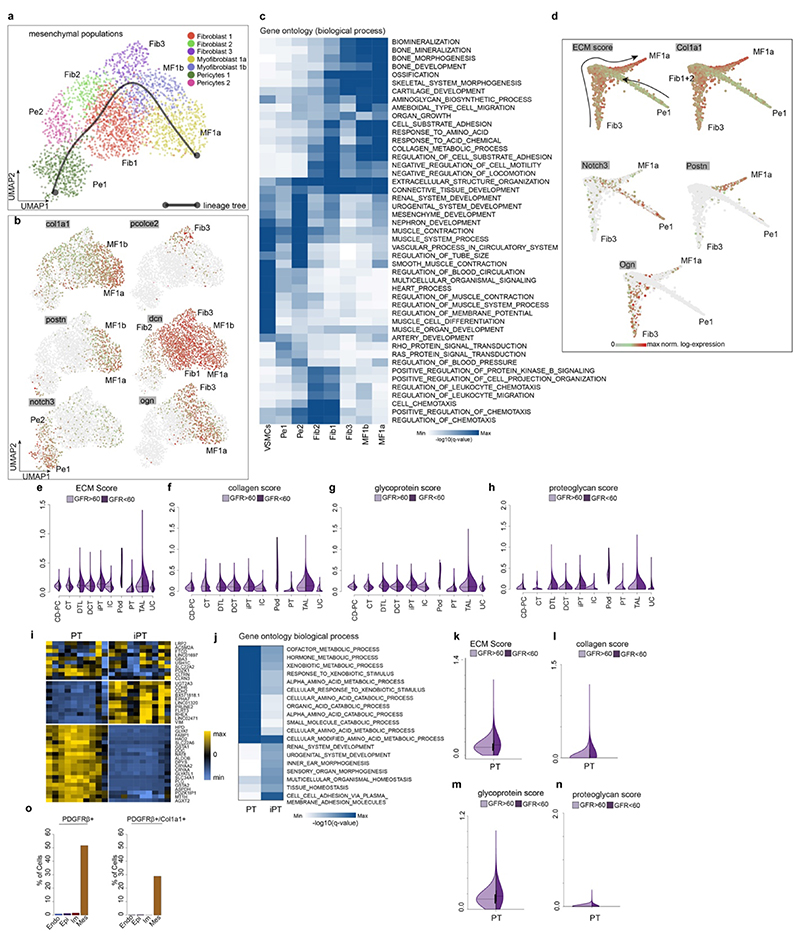
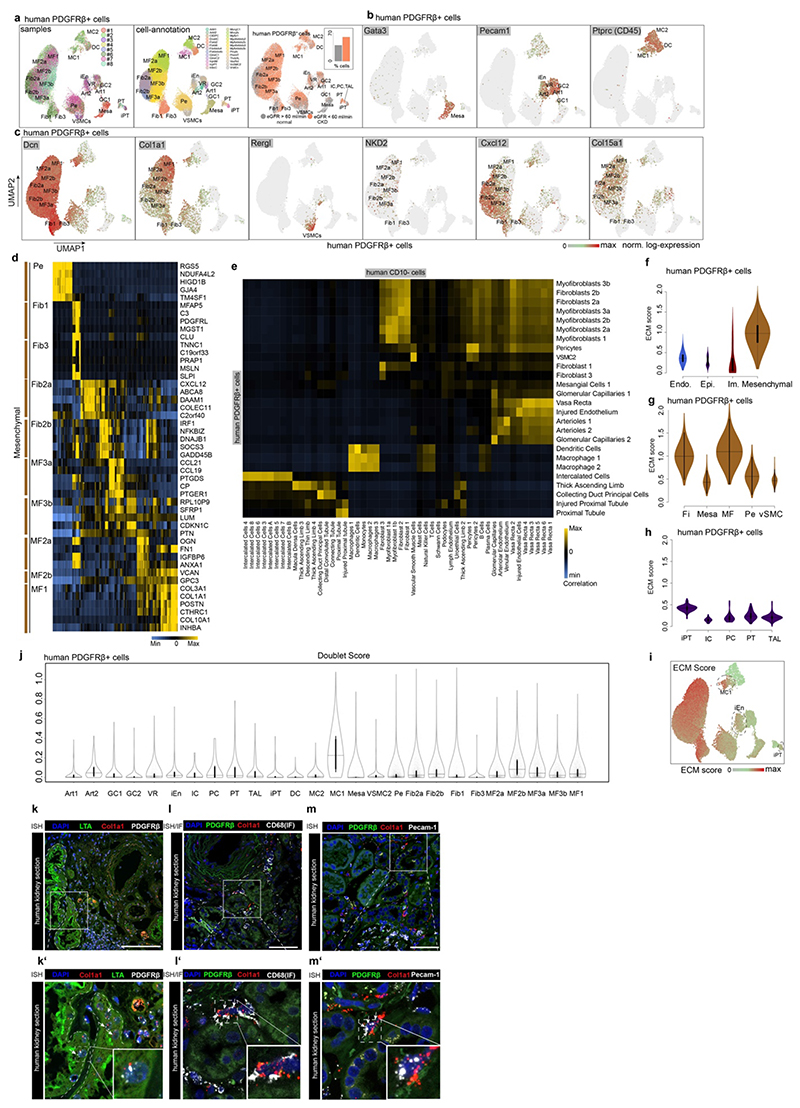
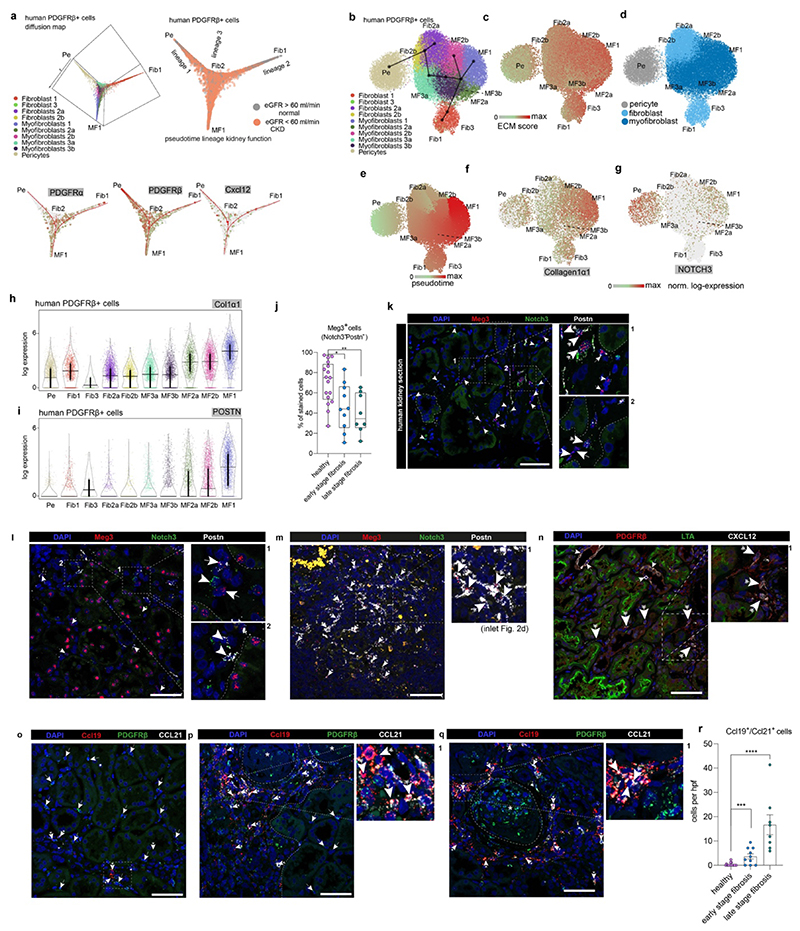
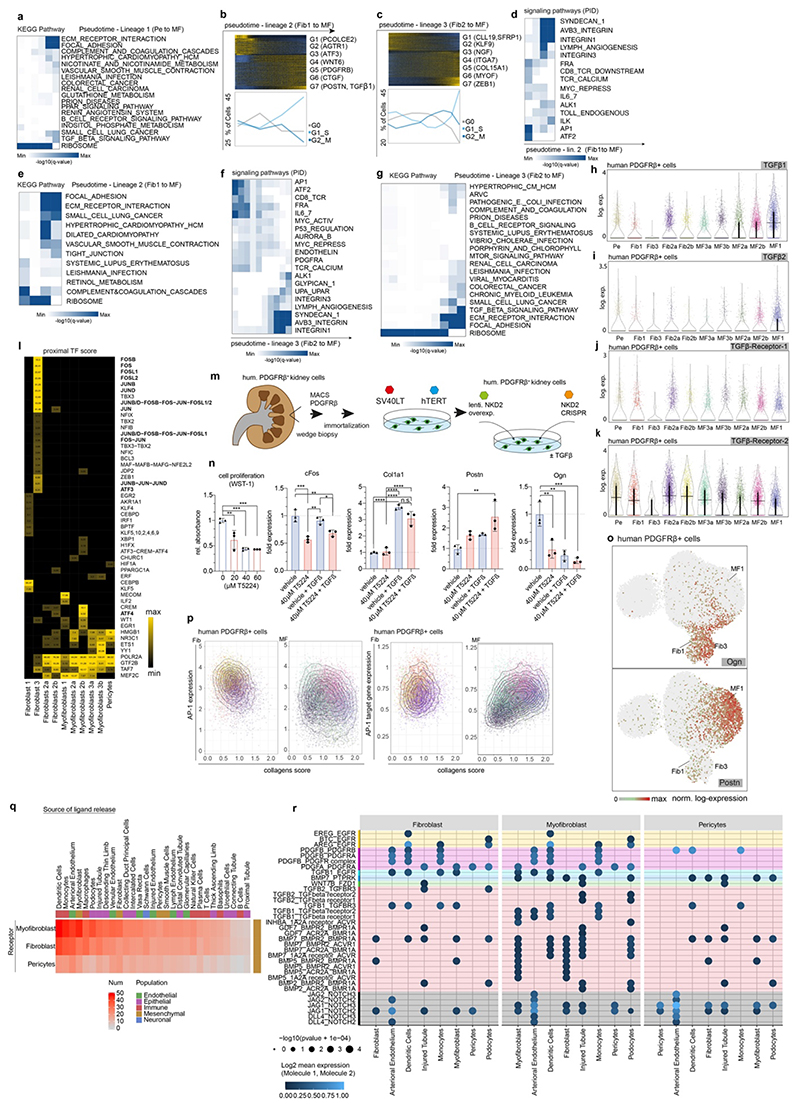
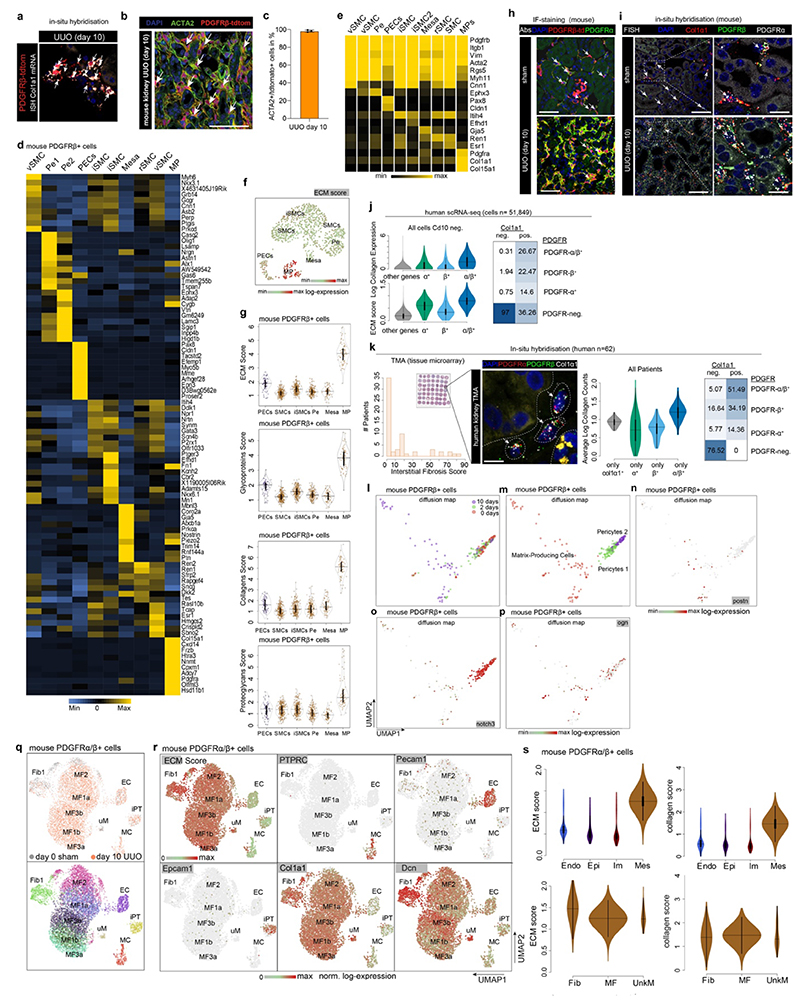
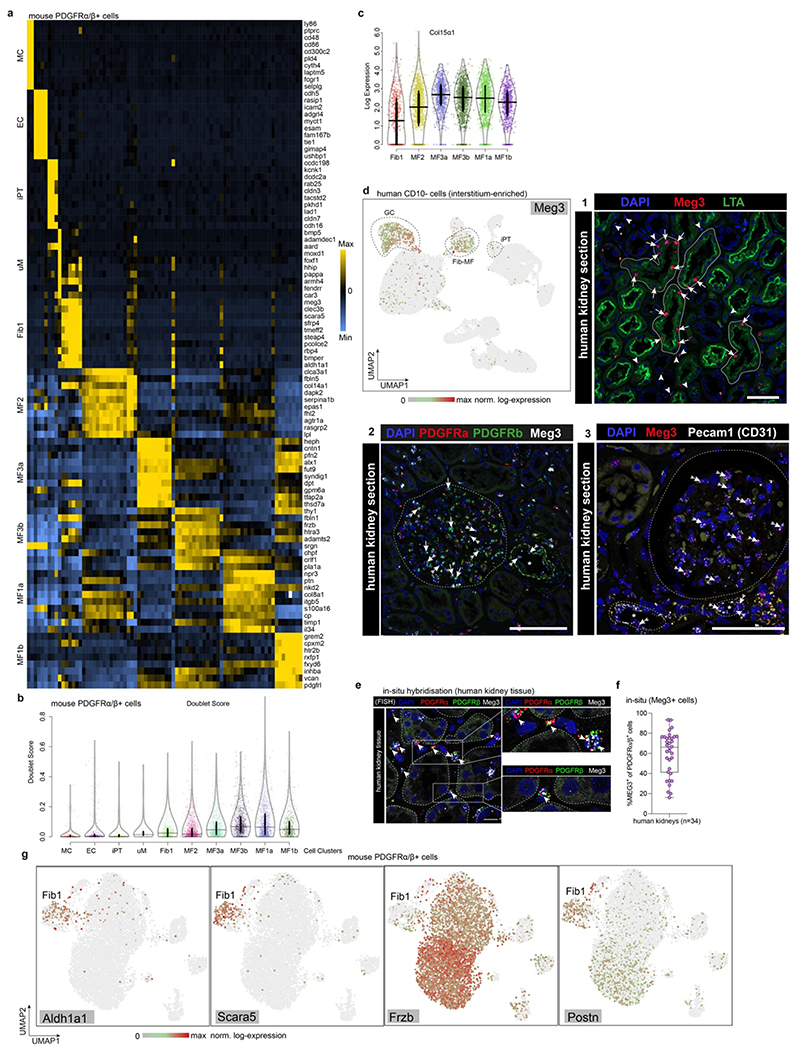
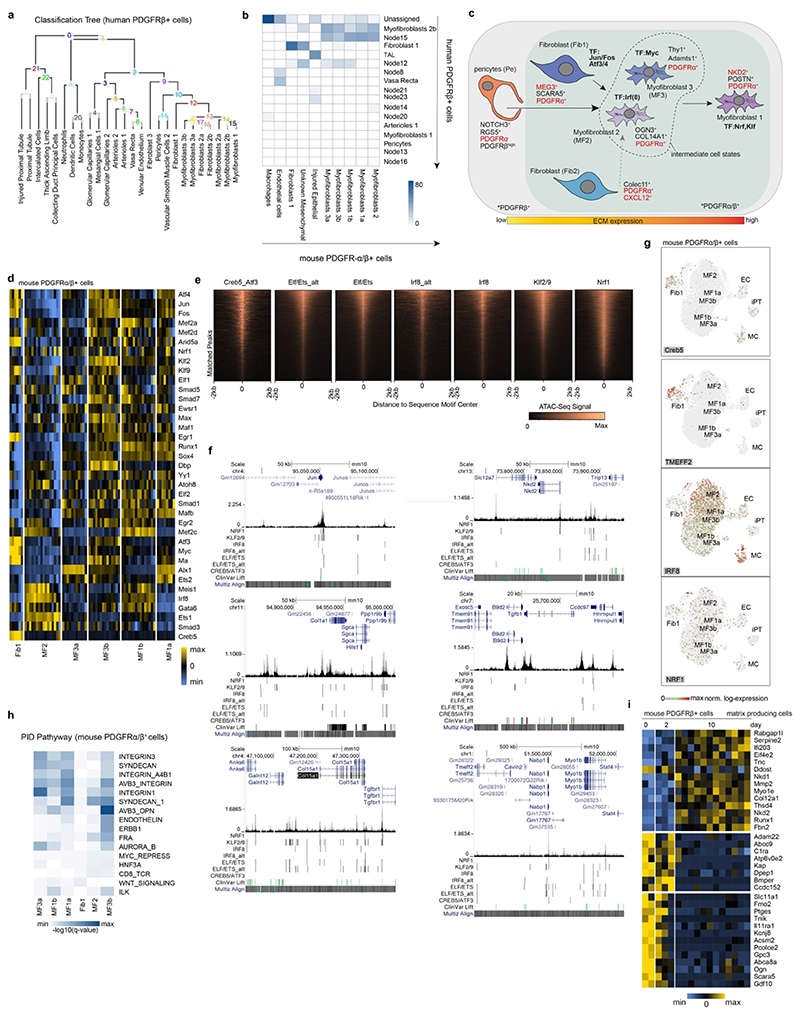
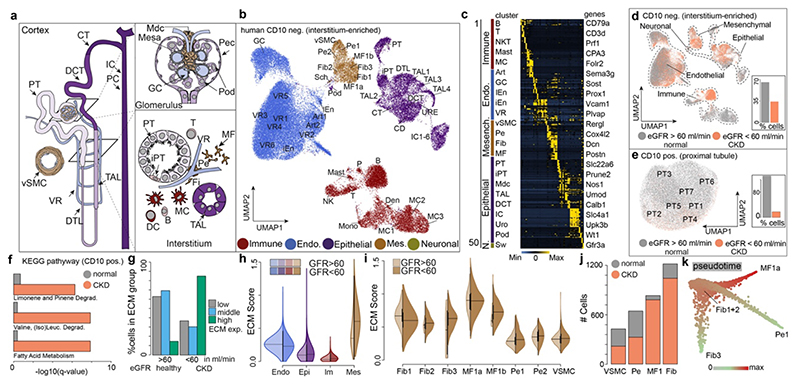
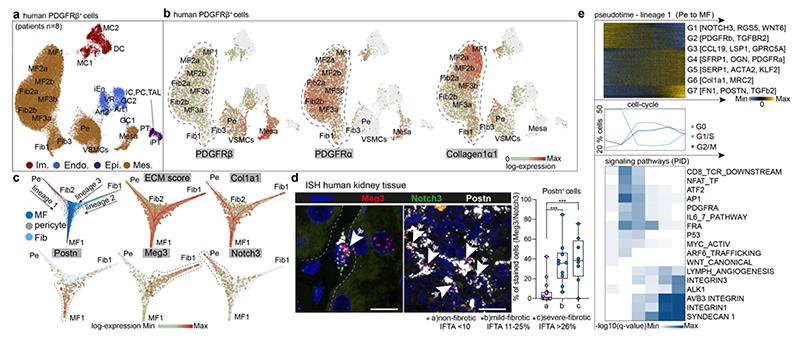
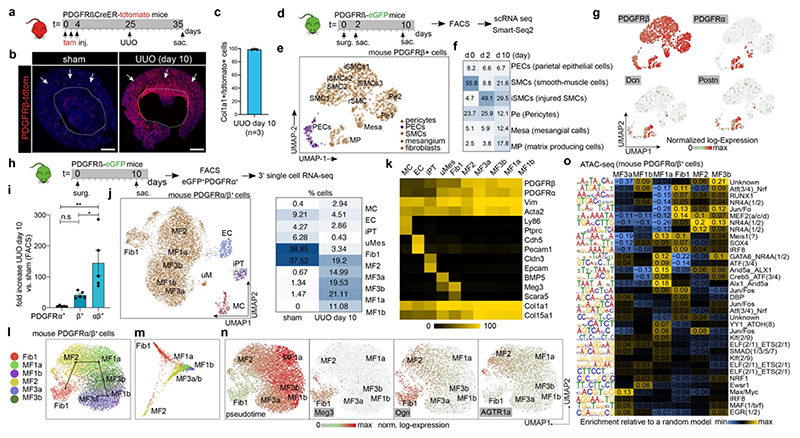
Kidney fibrosis is the hallmark of chronic kidney disease progression; however, at present no antifibrotic therapies exist. The origin, functional heterogeneity and regulation of scar-forming cells that occur during human kidney fibrosis remain poorly understood. Here, using single-cell RNA sequencing, we profiled the transcriptomes of cells from the proximal and non-proximal tubules of healthy and fibrotic human kidneys to map the entire human kidney. This analysis enabled us to map all matrix-producing cells at high resolution, and to identify distinct subpopulations of pericytes and fibroblasts as the main cellular sources of scar-forming myofibroblasts during human kidney fibrosis. We used genetic fate-tracing, time-course single-cell RNA sequencing and ATAC-seq (assay for transposase-accessible chromatin using sequencing) experiments in mice, and spatial transcriptomics in human kidney fibrosis, to shed light on the cellular origins and differentiation of human kidney myofibroblasts and their precursors at high resolution. Finally, we used this strategy to detect potential therapeutic targets, and identified NKD2 as a myofibroblast-specific target in human kidney fibrosis.
肾纤维化是慢性肾脏病进展的标志;然而,目前尚无抗纤维化疗法。在人类肾纤维化过程中,瘢痕形成细胞的起源、功能异质性和调控仍知之甚少。在这里,我们使用单细胞 RNA 测序技术,对健康和纤维化人类肾脏近端和非近端小管细胞的转录组进行了分析,以绘制整个人类肾脏图谱。这项分析使我们能够以高分辨率绘制所有产生基质的细胞图谱,并鉴定出不同的周细胞和成纤维细胞亚群,它们是人类肾纤维化过程中瘢痕形成肌成纤维细胞的主要细胞来源。我们使用遗传命运追踪、单细胞 RNA 测序时间进程实验和 ATAC-seq(使用测序进行转座酶可及染色质分析)实验在小鼠中进行研究,并在人类肾纤维化中进行空间转录组学研究,以高分辨率揭示人类肾肌成纤维细胞及其前体细胞的细胞起源和分化。最后,我们使用这种策略来检测潜在的治疗靶点,并确定 NKD2 是人类肾纤维化中肌成纤维细胞特异性的靶点。