Rand Daniel, Ravid Orly, Atrakchi Dana, Israelov Hila, Bresler Yael, Shemesh Chen, Omesi Liora, Liraz-Zaltsman Sigal, Gosselet Fabien, Maskrey Taber S, Beeri Michal Schnaider, Wipf Peter, Cooper Itzik
The Joseph Sagol Neuroscience Center, Sheba Medical Center, Tel Hashomer, Ramat Gan 52621, Israel.
Sackler Faculty of Medicine, Tel-Aviv University, 69978 Tel Aviv, Israel.
Pharmaceutics. 2021 Feb 28;13(3):311. doi: 10.3390/pharmaceutics13030311.
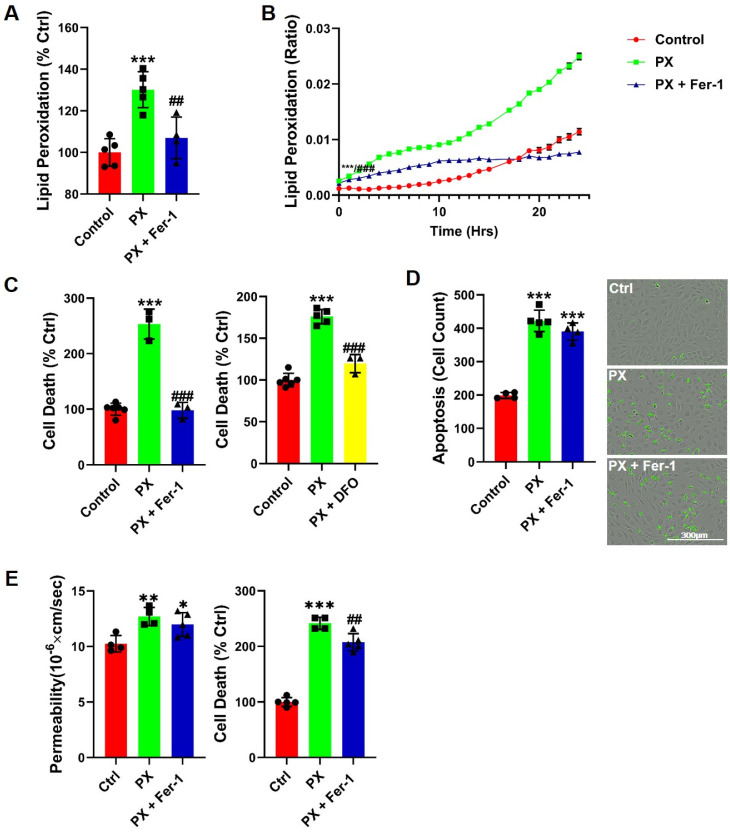
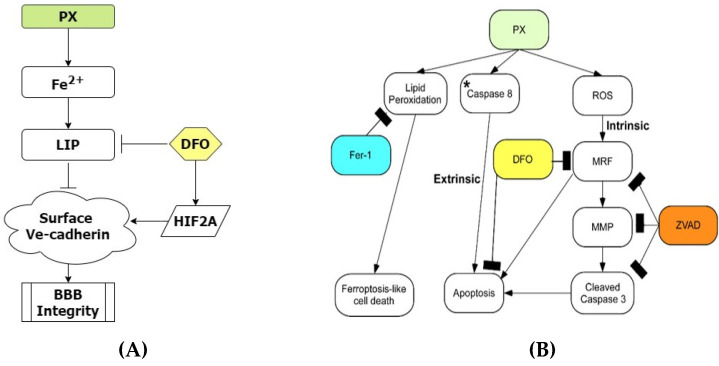
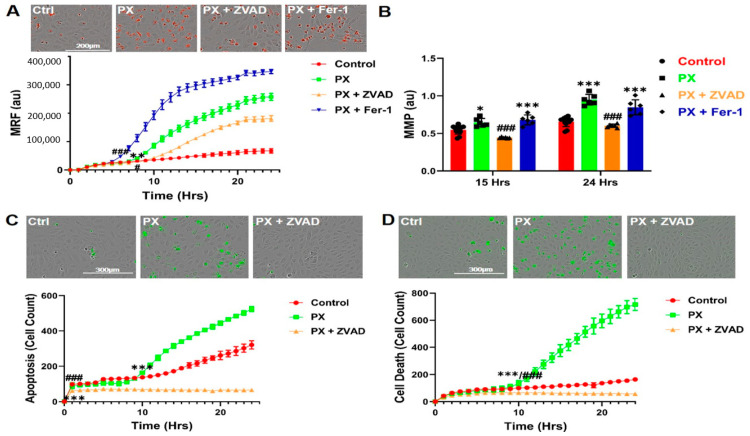
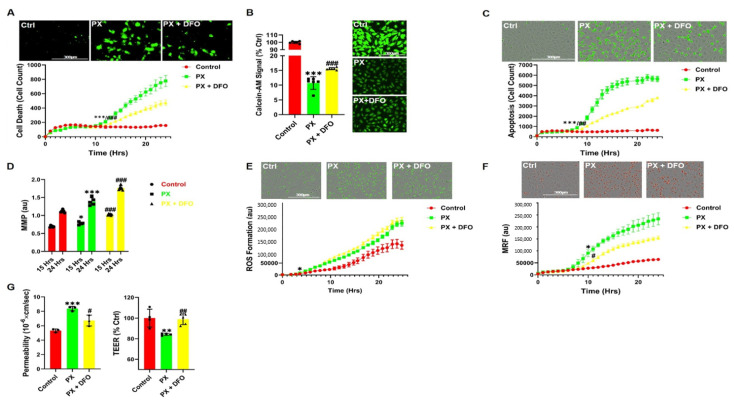
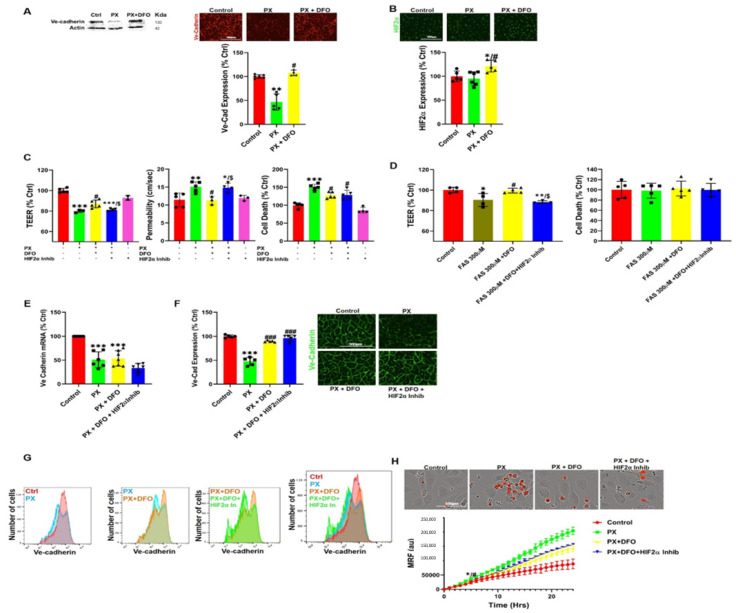
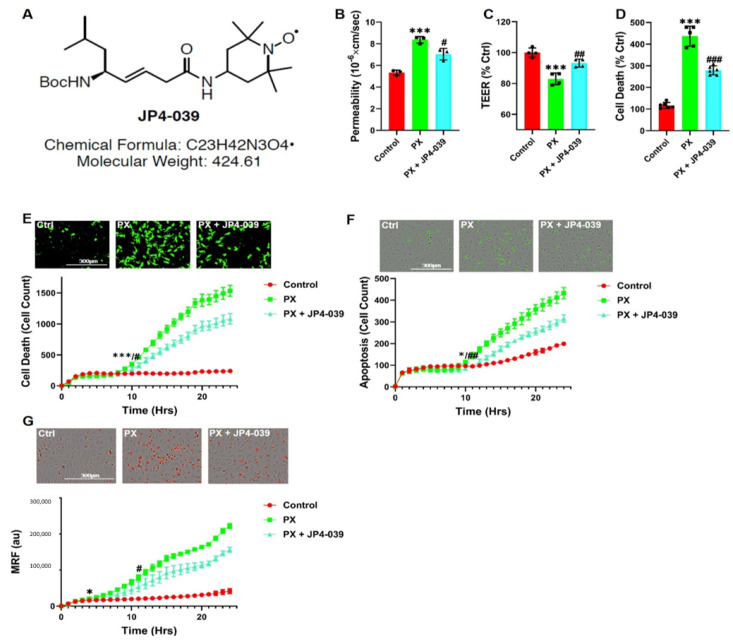
The objective of this study was to investigate the molecular response to damage at the blood brain barrier (BBB) and to elucidate critical pathways that might lead to effective treatment in central nervous system (CNS) pathologies in which the BBB is compromised. We have used a human, stem-cell derived in-vitro BBB injury model to gain a better understanding of the mechanisms controlling BBB integrity. Chemical injury induced by exposure to an organophosphate resulted in rapid lipid peroxidation, initiating a ferroptosis-like process. Additionally, mitochondrial ROS formation (MRF) and increase in mitochondrial membrane permeability were induced, leading to apoptotic cell death. Yet, these processes did not directly result in damage to barrier functionality, since blocking them did not reverse the increased permeability. We found that the iron chelator, Desferal© significantly decreased MRF and apoptosis subsequent to barrier insult, while also rescuing barrier integrity by inhibiting the labile iron pool increase, inducing HIF2α expression and preventing the degradation of Ve-cadherin specifically on the endothelial cell surface. Moreover, the novel nitroxide JP4-039 significantly rescued both injury-induced endothelium cell toxicity and barrier functionality. Elucidating a regulatory pathway that maintains BBB integrity illuminates a potential therapeutic approach to protect the BBB degradation that is evident in many neurological diseases.
本研究的目的是调查血脑屏障(BBB)对损伤的分子反应,并阐明可能导致有效治疗中枢神经系统(CNS)疾病的关键途径,这些疾病中血脑屏障受到损害。我们使用了一种源自人类干细胞的体外血脑屏障损伤模型,以更好地了解控制血脑屏障完整性的机制。暴露于有机磷酸酯引起的化学损伤导致快速脂质过氧化,引发类似铁死亡的过程。此外,诱导线粒体ROS形成(MRF)和线粒体膜通透性增加,导致凋亡性细胞死亡。然而,这些过程并未直接导致屏障功能受损,因为阻断它们并不能逆转增加的通透性。我们发现,铁螯合剂去铁胺(Desferal©)在屏障损伤后显著降低了MRF和凋亡,同时通过抑制不稳定铁池增加、诱导HIF2α表达和防止内皮细胞表面特异性的血管内皮钙黏蛋白(Ve-cadherin)降解来挽救屏障完整性。此外,新型氮氧化物JP4-039显著挽救了损伤诱导的内皮细胞毒性和屏障功能。阐明维持血脑屏障完整性的调节途径为保护血脑屏障降解提供了一种潜在的治疗方法,这在许多神经疾病中很明显。