Kotowski Krzysztof, Rosik Jakub, Machaj Filip, Supplitt Stanisław, Wiczew Daniel, Jabłońska Karolina, Wiechec Emilia, Ghavami Saeid, Dzięgiel Piotr
Department of Histology and Embryology, Wroclaw Medical University, 50-368 Wroclaw, Poland.
Department of Pathology, Pomeranian Medical University, 71-252 Szczecin, Poland.
Cancers (Basel). 2021 Feb 22;13(4):909. doi: 10.3390/cancers13040909.
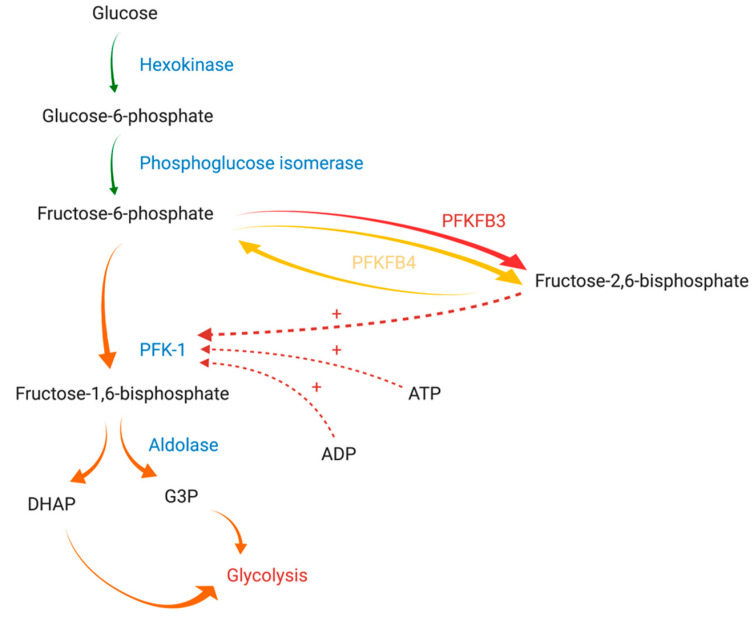
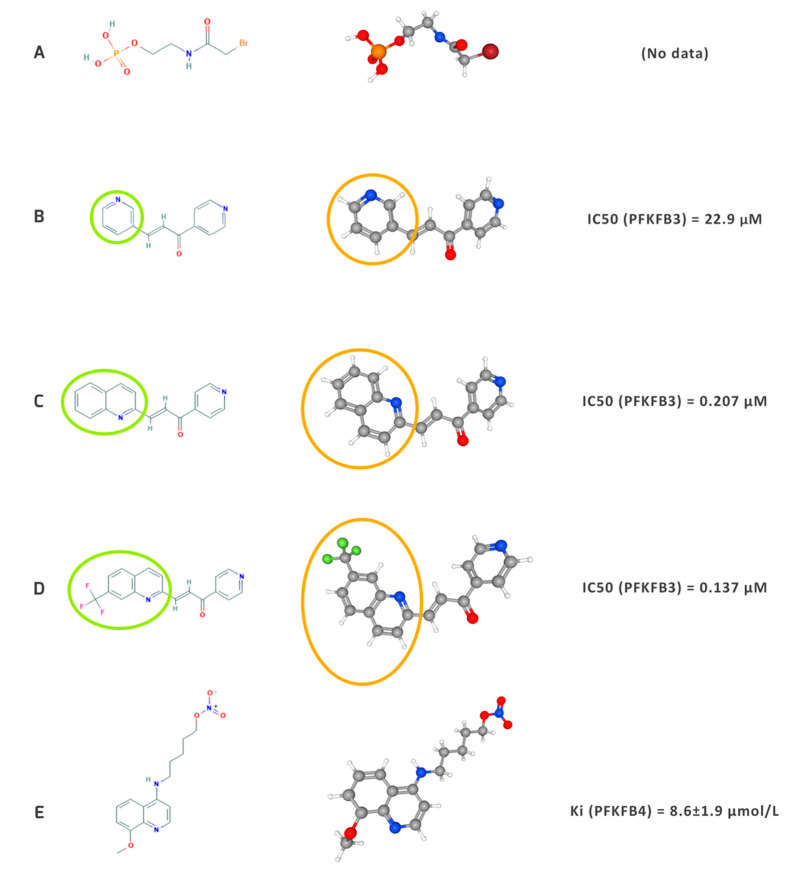
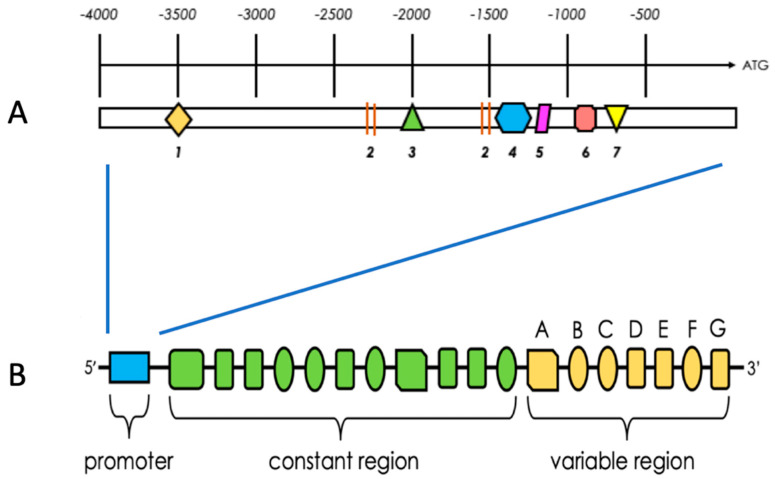
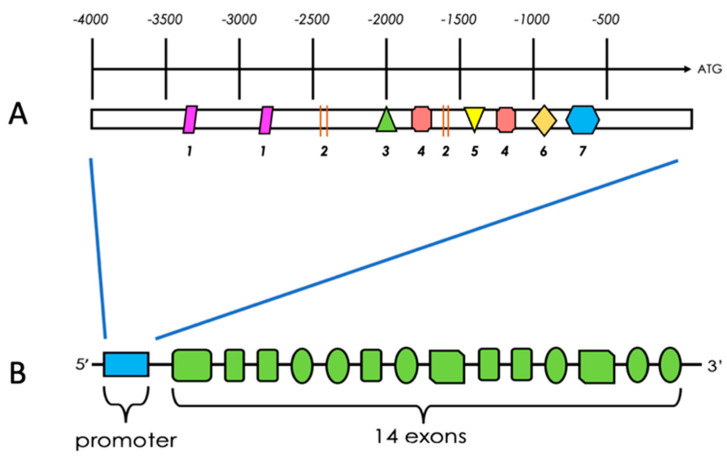
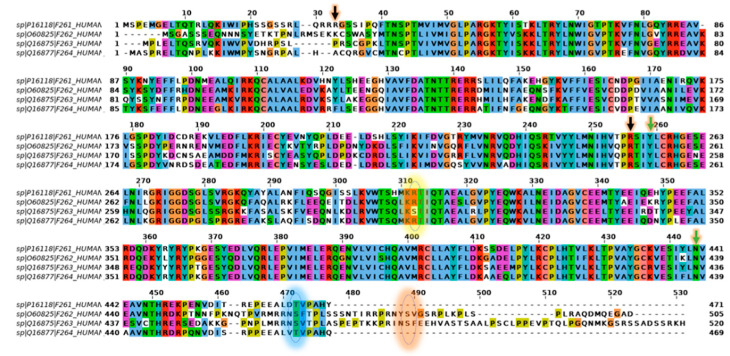
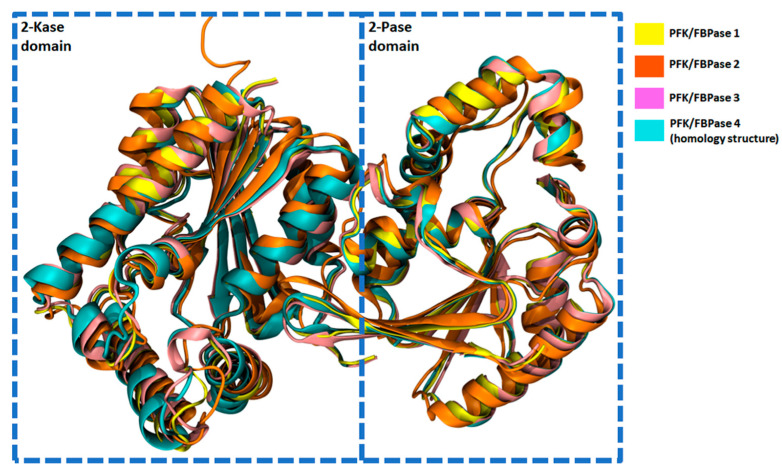
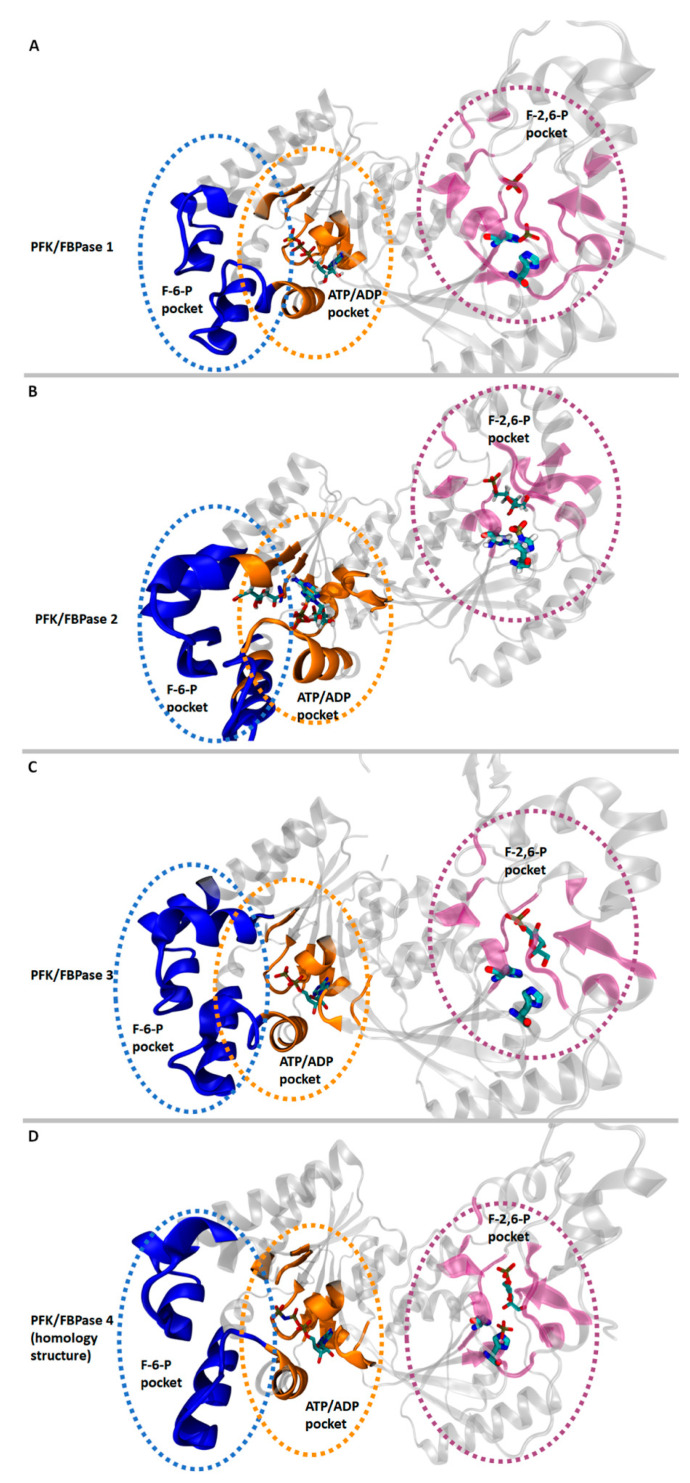
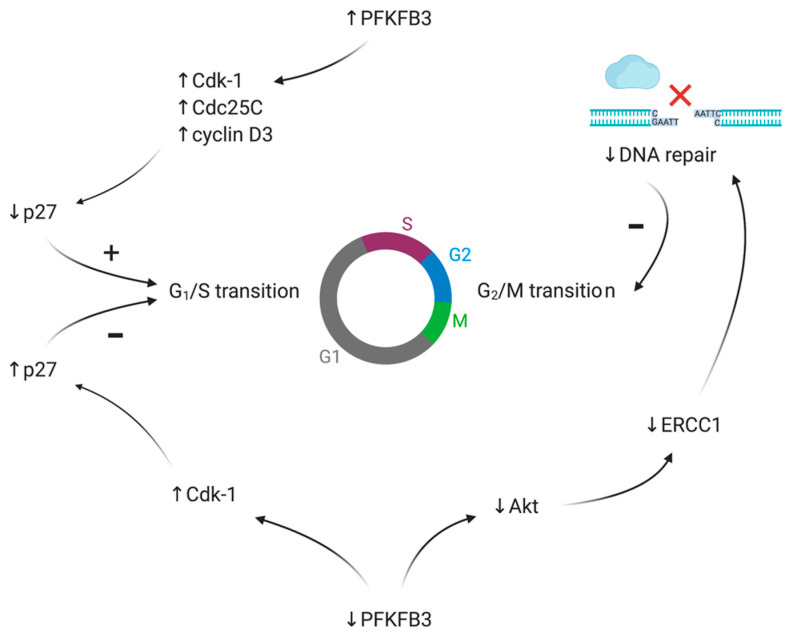
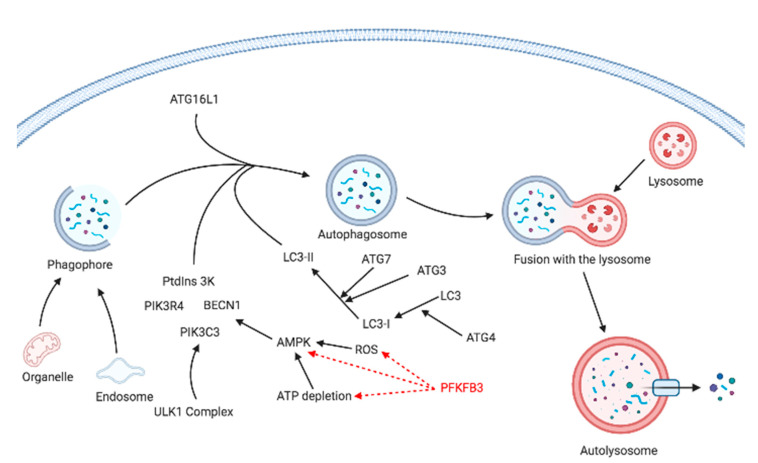
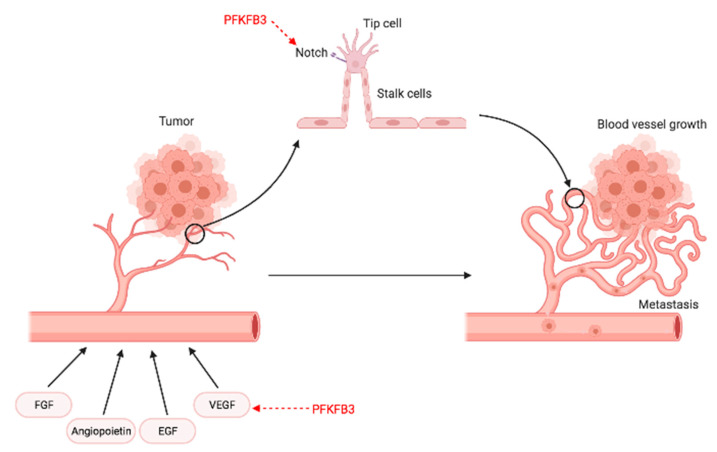
Glycolysis is a crucial metabolic process in rapidly proliferating cells such as cancer cells. Phosphofructokinase-1 (PFK-1) is a key rate-limiting enzyme of glycolysis. Its efficiency is allosterically regulated by numerous substances occurring in the cytoplasm. However, the most potent regulator of PFK-1 is fructose-2,6-bisphosphate (F-2,6-BP), the level of which is strongly associated with 6-phosphofructo-2-kinase/fructose-2,6-bisphosphatase activity (PFK-2/FBPase-2, PFKFB). PFK-2/FBPase-2 is a bifunctional enzyme responsible for F-2,6-BP synthesis and degradation. Four isozymes of PFKFB (PFKFB1, PFKFB2, PFKFB3, and PFKFB4) have been identified. Alterations in the levels of all PFK-2/FBPase-2 isozymes have been reported in different diseases. However, most recent studies have focused on an increased expression of PFKFB3 and PFKFB4 in cancer tissues and their role in carcinogenesis. In this review, we summarize our current knowledge on all PFKFB genes and protein structures, and emphasize important differences between the isoenzymes, which likely affect their kinase/phosphatase activities. The main focus is on the latest reports in this field of cancer research, and in particular the impact of PFKFB3 and PFKFB4 on tumor progression, metastasis, angiogenesis, and autophagy. We also present the most recent achievements in the development of new drugs targeting these isozymes. Finally, we discuss potential combination therapies using PFKFB3 inhibitors, which may represent important future cancer treatment options.
糖酵解是癌细胞等快速增殖细胞中至关重要的代谢过程。磷酸果糖激酶-1(PFK-1)是糖酵解的关键限速酶。其效率受到细胞质中多种物质的变构调节。然而,PFK-1最有效的调节因子是果糖-2,6-二磷酸(F-2,6-BP),其水平与6-磷酸果糖-2-激酶/果糖-2,6-二磷酸酶活性(PFK-2/FBPase-2,PFKFB)密切相关。PFK-2/FBPase-2是一种负责F-2,6-BP合成和降解的双功能酶。已鉴定出PFKFB的四种同工酶(PFKFB1、PFKFB2、PFKFB3和PFKFB4)。在不同疾病中均报道了所有PFK-2/FBPase-2同工酶水平的改变。然而,最近的大多数研究都集中在癌组织中PFKFB3和PFKFB4表达的增加及其在致癌过程中的作用。在本综述中,我们总结了目前关于所有PFKFB基因和蛋白质结构的知识,并强调了同工酶之间可能影响其激酶/磷酸酶活性的重要差异。主要关注癌症研究领域的最新报道,特别是PFKFB3和PFKFB4对肿瘤进展、转移、血管生成和自噬的影响。我们还介绍了针对这些同工酶的新药开发的最新成果。最后,我们讨论了使用PFKFB3抑制剂的潜在联合疗法,这可能代表未来重要的癌症治疗选择。