Halaris Angelos, Sohl Emilie, Whitham Elizabeth A
Department of Psychiatry, Loyola University Stritch School of Medicine, Maywood, IL 60153, USA.
J Pers Med. 2021 Feb 23;11(2):155. doi: 10.3390/jpm11020155.
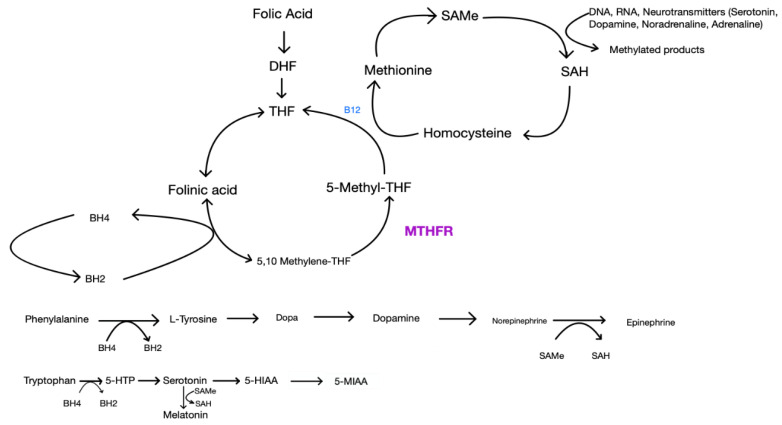
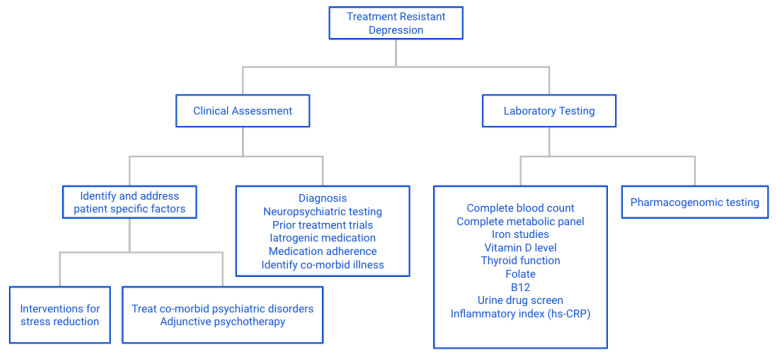
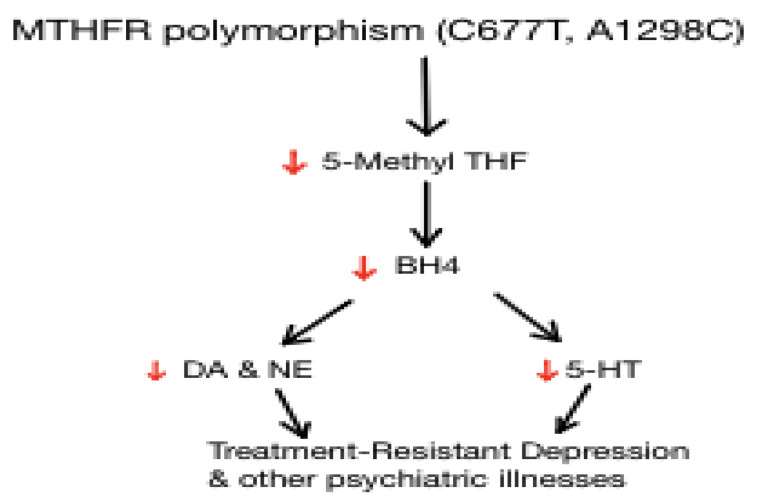
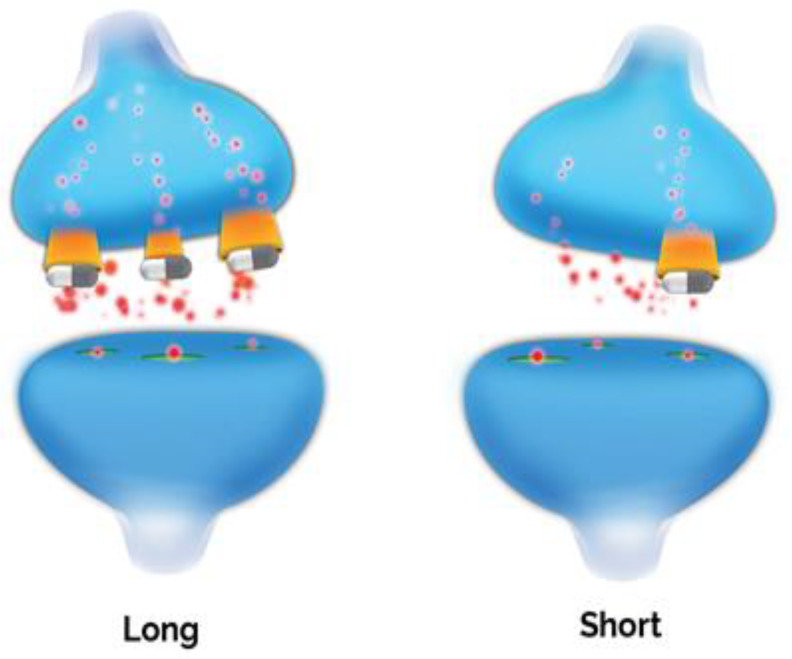
Major Depressive Disorder (MDD) is a highly prevalent psychiatric disorder worldwide. It causes individual suffering, loss of productivity, increased health care costs and high suicide risk. Current pharmacologic interventions fail to produce at least partial response to approximately one third of these patients, and remission is obtained in approximately 30% of patients. This is known as Treatment-Resistant Depression (TRD). The burden of TRD exponentially increases the longer it persists, with a higher risk of impaired functional and social functioning, vast losses in quality of life and significant risk of somatic morbidity and suicidality. Different approaches have been suggested and utilized, but the results have not been encouraging. In this review article, we present new approaches to identify and correct potential causes of TRD, thereby reducing its prevalence and with it the overall burden of this disease entity. We will address potential contributory factors to TRD, most of which can be investigated in many laboratories as routine tests. We discuss endocrinological aberrations, notably, hypothalamic-pituitary-adrenal (HPA) axis dysregulation and thyroid and gonadal dysfunction. We address the role of Vitamin D in contributing to depression. Pharmacogenomic testing is being increasingly used to determine Single Nucleotide Polymorphisms in Cytochrome P450, Serotonin Transporter, COMT, folic acid conversion (MTHFR). As the role of immune system dysregulation is being recognized as potentially a major contributory factor to TRD, the measurement of C-reactive protein (CRP) and select immune biomarkers, where testing is available, can guide combination treatments with anti-inflammatory agents (e.g., selective COX-2 inhibitors) reversing treatment resistance. We focus on established and emerging test procedures, potential biomarkers and non-biologic assessments and interventions to apply personalized medicine to effectively manage treatment resistance in general and TRD specifically.
重度抑郁症(MDD)是一种在全球范围内高度流行的精神疾病。它给个人带来痛苦,导致生产力下降,增加医疗成本,并带来高自杀风险。目前的药物干预措施对大约三分之一的此类患者未能产生至少部分反应,约30%的患者实现缓解。这就是所谓的难治性抑郁症(TRD)。TRD持续的时间越长,其负担呈指数级增长,功能和社会功能受损的风险更高,生活质量大幅下降,躯体发病和自杀的风险也很大。已经提出并采用了不同的方法,但结果并不令人鼓舞。在这篇综述文章中,我们提出了新的方法来识别和纠正TRD的潜在原因,从而降低其患病率以及该疾病实体的总体负担。我们将探讨TRD的潜在促成因素,其中大多数可以在许多实验室作为常规测试进行研究。我们讨论内分泌异常,特别是下丘脑 - 垂体 - 肾上腺(HPA)轴失调以及甲状腺和性腺功能障碍。我们探讨维生素D在导致抑郁症方面的作用。药物基因组学检测越来越多地用于确定细胞色素P450、5-羟色胺转运体、儿茶酚-O-甲基转移酶、叶酸转化(MTHFR)中的单核苷酸多态性。由于免疫系统失调的作用被认为可能是TRD的一个主要促成因素,在有检测条件的情况下,测量C反应蛋白(CRP)和选择免疫生物标志物可以指导与抗炎药物(如选择性COX-2抑制剂)联合治疗,以逆转治疗抵抗。我们专注于已确立和新兴的测试程序、潜在生物标志物以及非生物学评估和干预措施,以应用个性化医疗来有效管理一般的治疗抵抗,特别是TRD。