Department of Chemistry and Biochemistry, Wake Forest University, Winston-Salem, NC 27101, USA.
Biomolecules. 2021 Feb 12;11(2):267. doi: 10.3390/biom11020267.
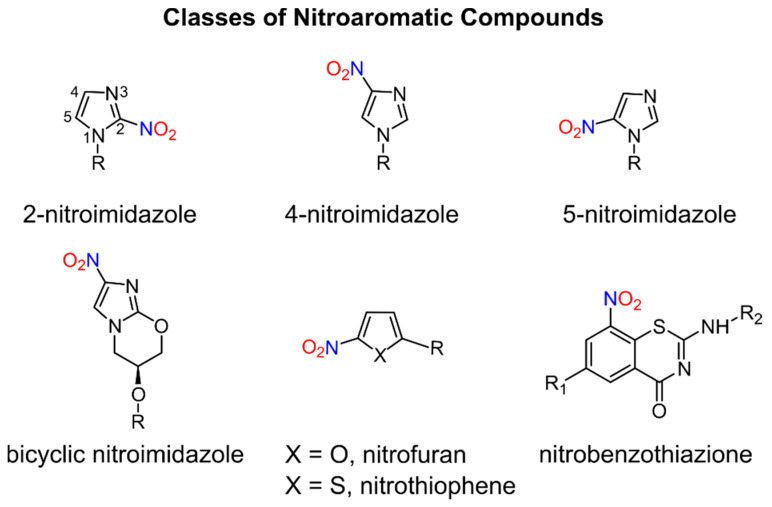
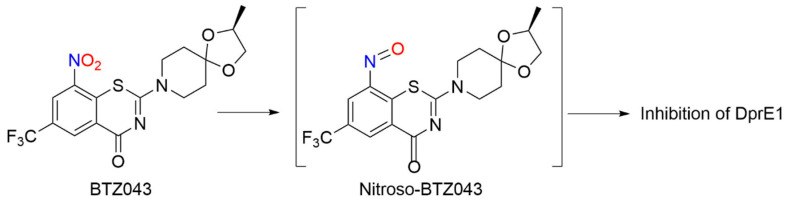
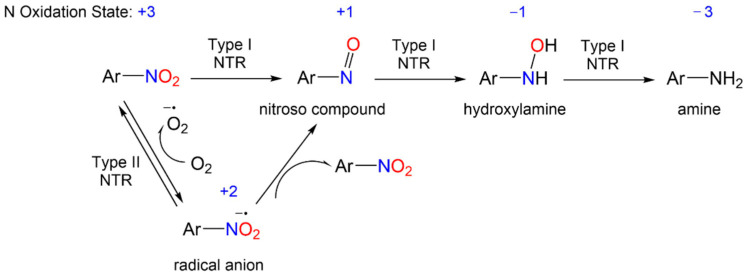
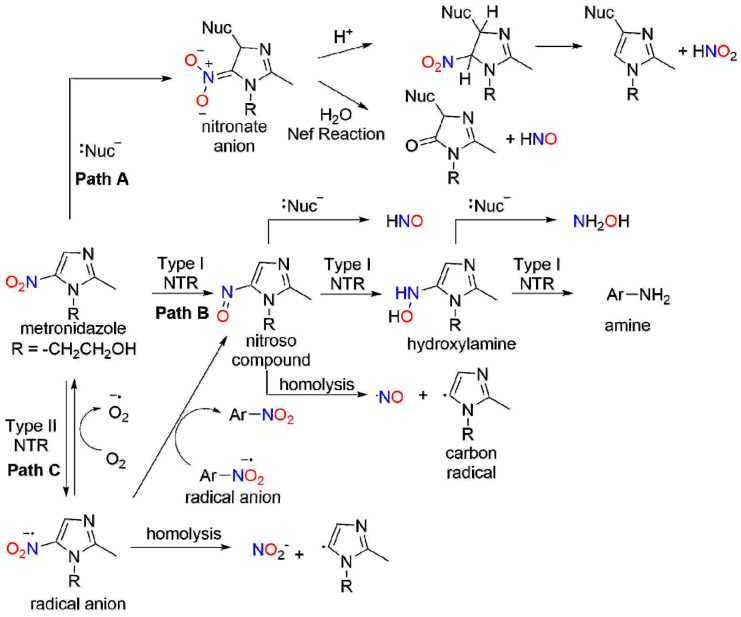
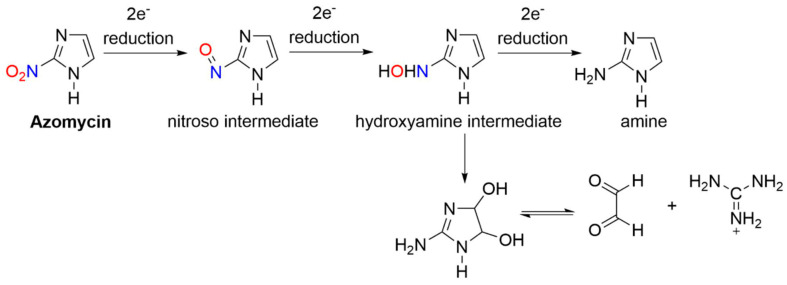
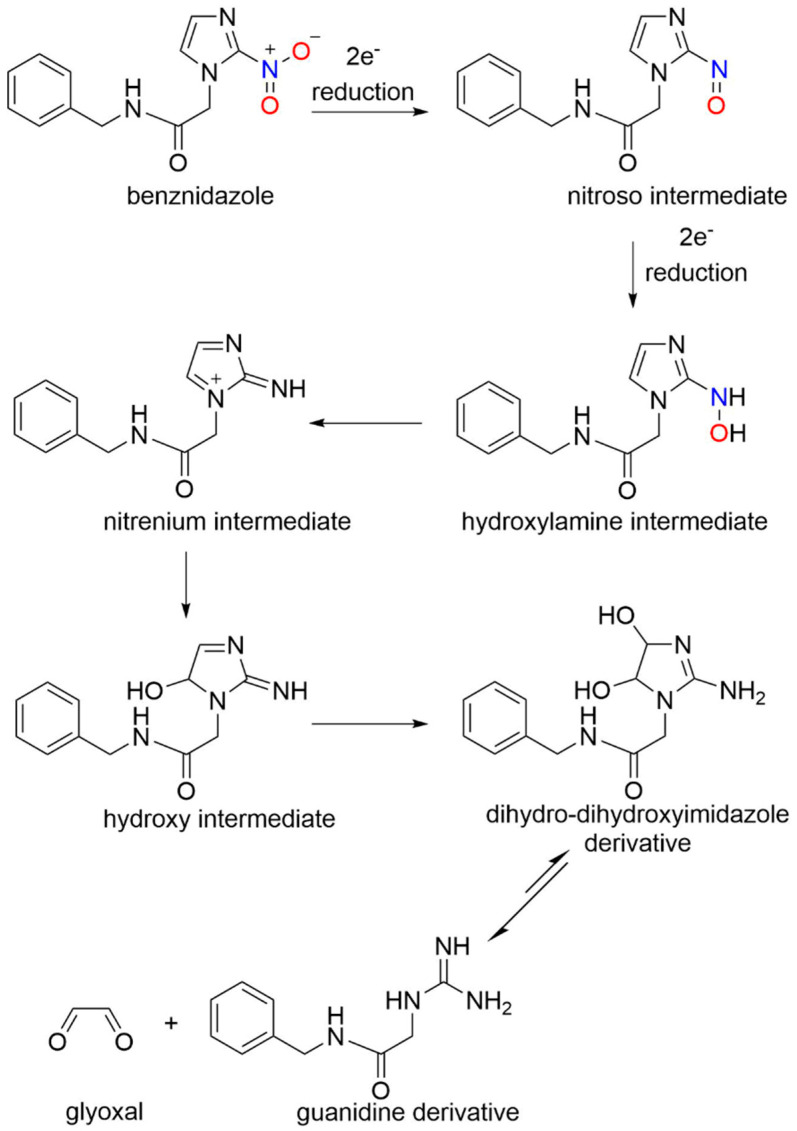
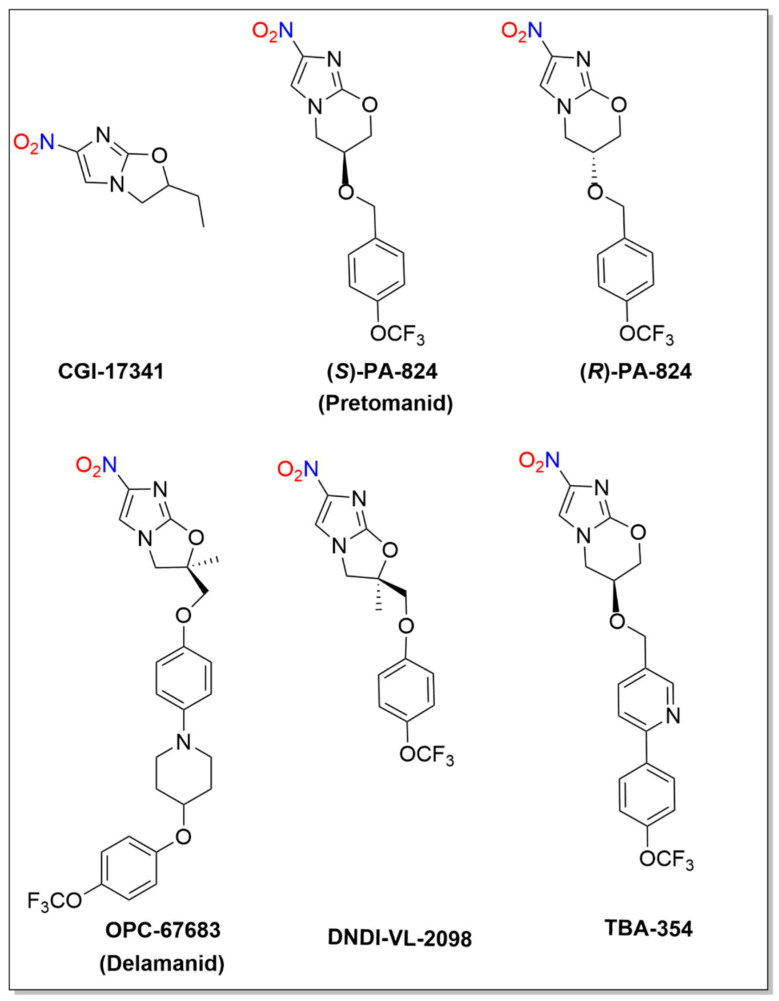
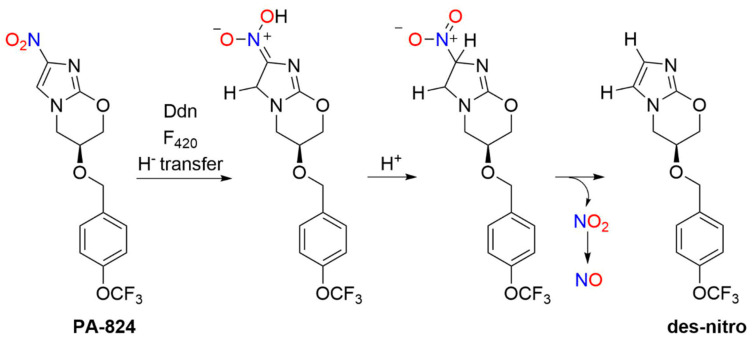
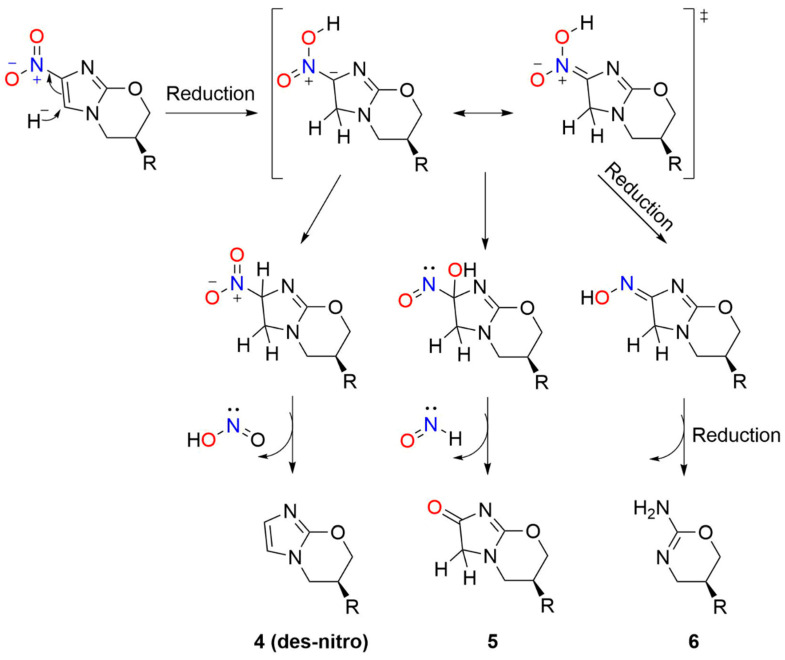
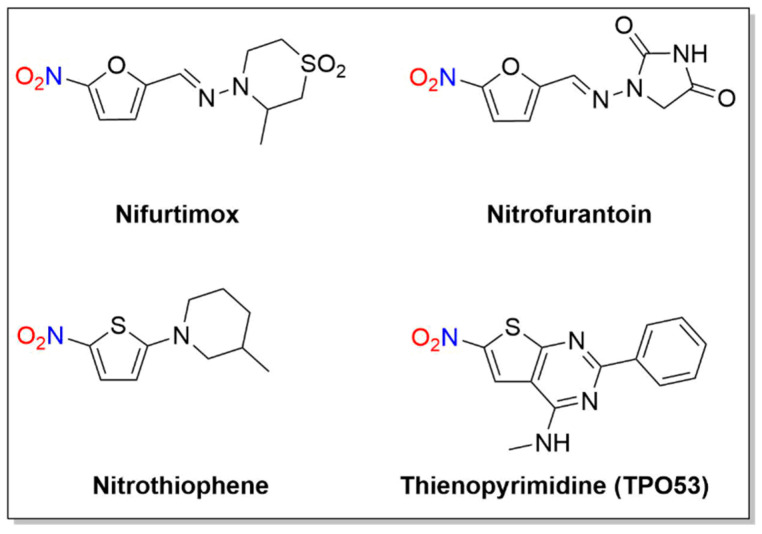
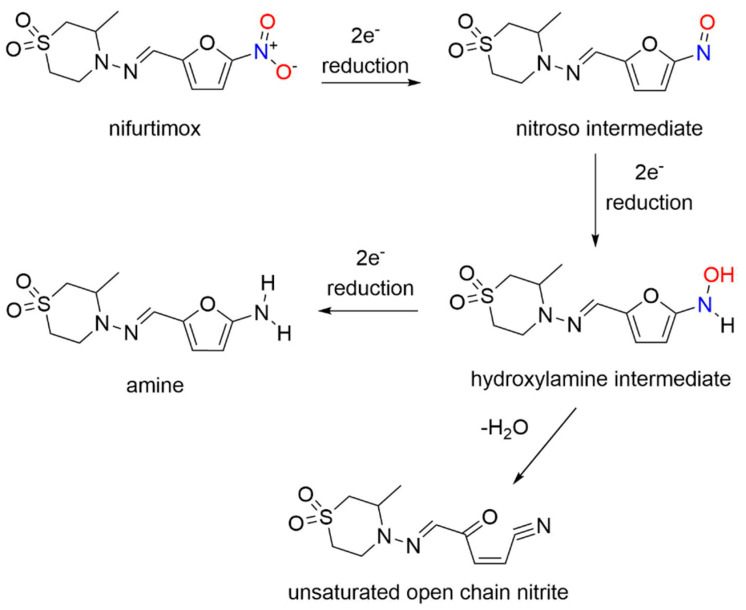
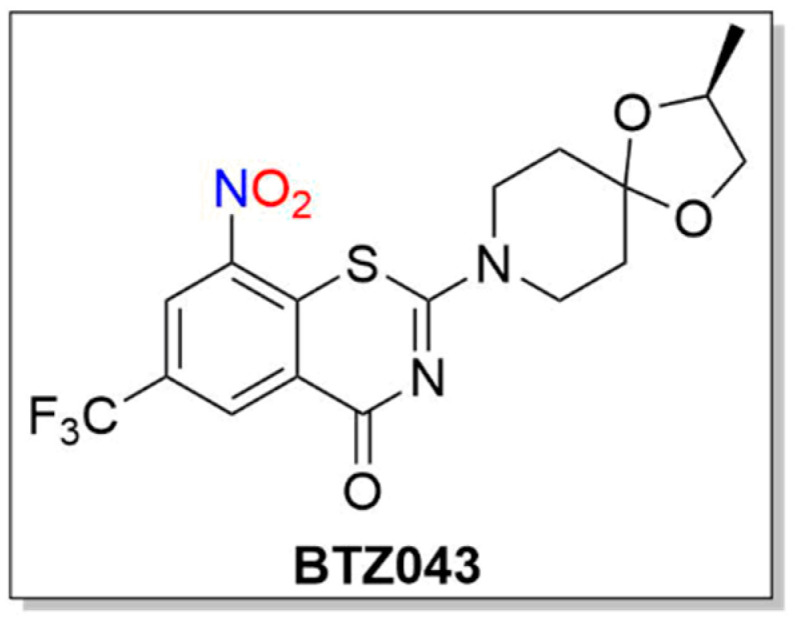
Nitroaromatic antibiotics show activity against anaerobic bacteria and parasites, finding use in the treatment of infections, tuberculosis, trichomoniasis, human African trypanosomiasis, Chagas disease and leishmaniasis. Despite this activity and a clear need for the development of new treatments for these conditions, the associated toxicity and lack of clear mechanisms of action have limited their therapeutic development. Nitroaromatic antibiotics require reductive bioactivation for activity and this reductive metabolism can convert the nitro group to nitric oxide (NO) or a related reactive nitrogen species (RNS). As nitric oxide plays important roles in the defensive immune response to bacterial infection through both signaling and redox-mediated pathways, defining controlled NO generation pathways from these antibiotics would allow the design of new therapeutics. This review focuses on the release of nitrogen oxide species from various nitroaromatic antibiotics to portend the increased ability for these compounds to positively impact infectious disease treatment.
硝基芳香族抗生素对厌氧菌和寄生虫具有活性,用于治疗感染、结核病、滴虫病、非洲锥虫病、恰加斯病和利什曼病。尽管这些抗生素具有活性,并且显然需要开发新的治疗方法来治疗这些疾病,但相关的毒性和缺乏明确的作用机制限制了它们的治疗开发。硝基芳香族抗生素需要还原生物激活才能发挥作用,这种还原代谢可以将硝基转化为一氧化氮 (NO) 或相关的活性氮物种 (RNS)。由于一氧化氮通过信号转导和氧化还原介导的途径在细菌感染的防御免疫反应中发挥重要作用,因此从这些抗生素中定义受控的 NO 生成途径将允许设计新的治疗方法。这篇综述重点介绍了各种硝基芳香族抗生素中一氧化氮物种的释放,预示着这些化合物在积极影响传染病治疗方面的能力增强。