Maintenance Myélinique et Neuropathies Périphériques, Université de Limoges, EA 6309, F-87000 Limoges, France.
Laboratoire de Biochimie et Génétique Moléculaire, CHU de Limoges, F-87000 Limoges, France.
Int J Mol Sci. 2021 Feb 27;22(5):2366. doi: 10.3390/ijms22052366.
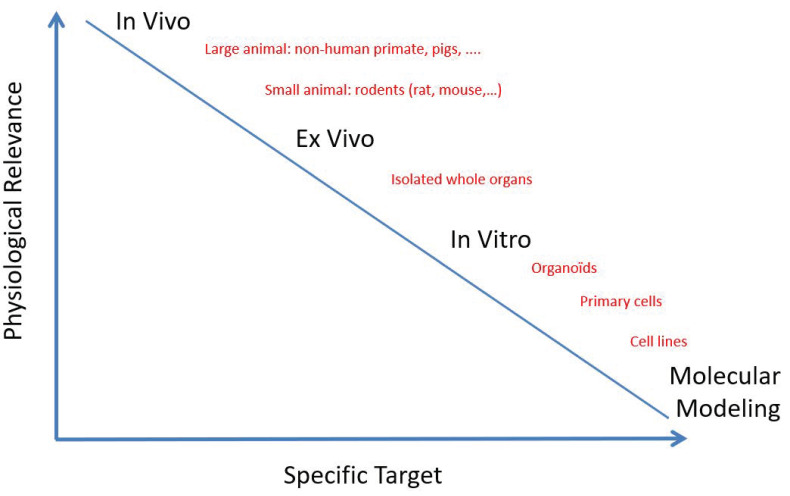
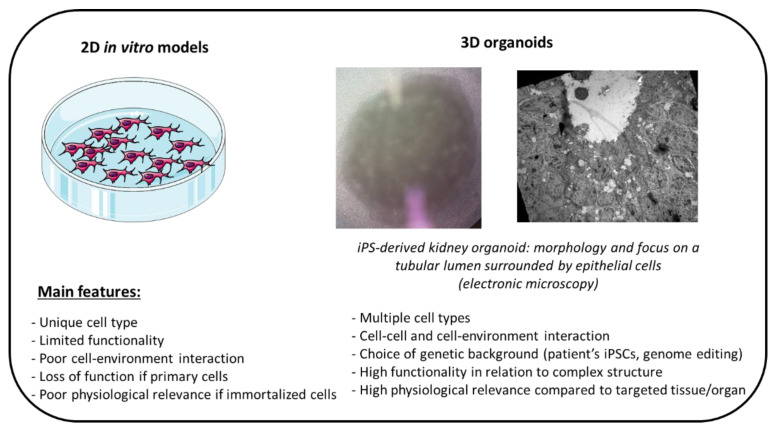
Ischemia reperfusion injury is a complex process consisting of a seemingly chaotic but actually organized and compartmentalized shutdown of cell function, of which oxidative stress is a key component. Studying oxidative stress, which results in an imbalance between reactive oxygen species (ROS) production and antioxidant defense activity, is a multi-faceted issue, particularly considering the double function of ROS, assuming roles as physiological intracellular signals and as mediators of cellular component damage. Herein, we propose a comprehensive overview of the tools available to explore oxidative stress, particularly in the study of ischemia reperfusion. Applying chemistry as well as biology, we present the different models currently developed to study oxidative stress, spanning the vitro and the silico, discussing the advantages and the drawbacks of each set-up, including the issues relating to the use of in vitro hypoxia as a surrogate for ischemia. Having identified the limitations of historical models, we shall study new paradigms, including the use of stem cell-derived organoids, as a bridge between the in vitro and the in vivo comprising 3D intercellular interactions in vivo and versatile pathway investigations in vitro. We shall conclude this review by distancing ourselves from "wet" biology and reviewing the in silico, computer-based, mathematical modeling, and numerical simulation options: (a) molecular modeling with quantum chemistry and molecular dynamic algorithms, which facilitates the study of molecule-to-molecule interactions, and the integration of a compound in a dynamic environment (the plasma membrane...); (b) integrative systemic models, which can include many facets of complex mechanisms such as oxidative stress or ischemia reperfusion and help to formulate integrated predictions and to enhance understanding of dynamic interaction between pathways.
缺血再灌注损伤是一个复杂的过程,包括细胞功能看似混乱但实际上是有组织和分隔的关闭,其中氧化应激是一个关键组成部分。研究氧化应激,即活性氧(ROS)产生与抗氧化防御活性之间的失衡,是一个多方面的问题,特别是考虑到 ROS 的双重功能,它既是生理细胞内信号,也是细胞成分损伤的介质。在此,我们提出了一个全面的综述,介绍了可用于研究氧化应激的工具,特别是在缺血再灌注研究中。我们运用化学和生物学方法,提出了目前用于研究氧化应激的不同模型,涵盖了体外和计算机模拟,讨论了每种方法的优缺点,包括与使用体外缺氧作为缺血替代物相关的问题。在确定了历史模型的局限性后,我们将研究新的范例,包括使用干细胞衍生的类器官,作为体外和体内之间的桥梁,包括体内的 3D 细胞间相互作用和体外的多功能途径研究。最后,我们将远离“湿”生物学,回顾计算机为基础的数学建模和数值模拟选项:(a)使用量子化学和分子动力学算法的分子建模,有助于研究分子间的相互作用,并将化合物整合到动态环境(细胞膜……)中;(b)综合系统模型,可以包括氧化应激或缺血再灌注等复杂机制的许多方面,有助于制定综合预测并增强对途径之间动态相互作用的理解。