Sudoł Ewa, Szewczak Ewa, Małek Marcin
Construction Materials Engineering Department, Instytut Techniki Budowlanej, 00-611 Warszawa, Poland.
Group of Testing Laboratories, Instytut Techniki Budowlanej, 00-611 Warszawa, Poland.
Materials (Basel). 2021 Feb 27;14(5):1108. doi: 10.3390/ma14051108.
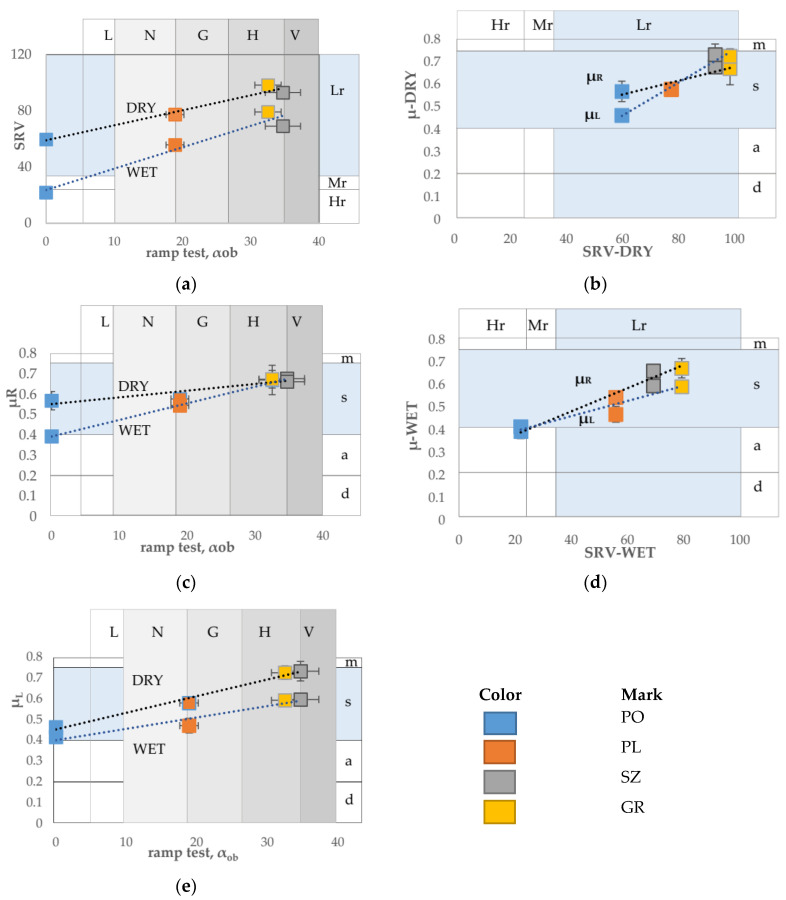
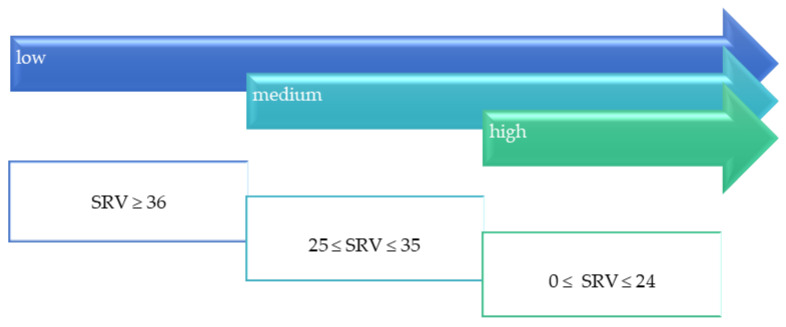
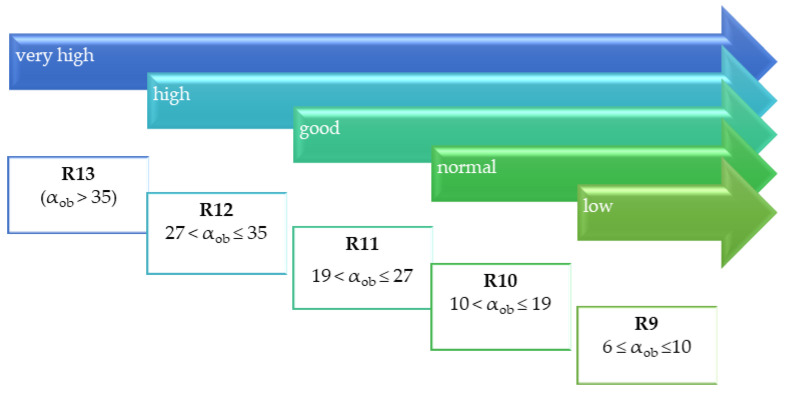
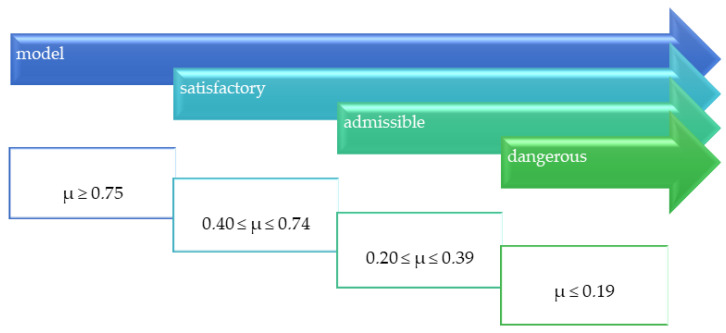
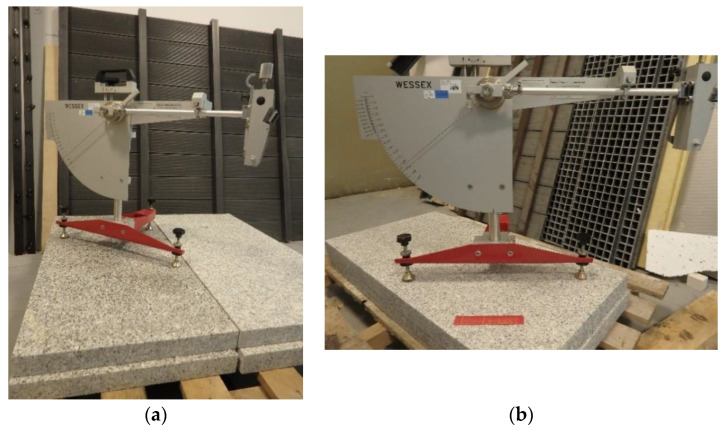
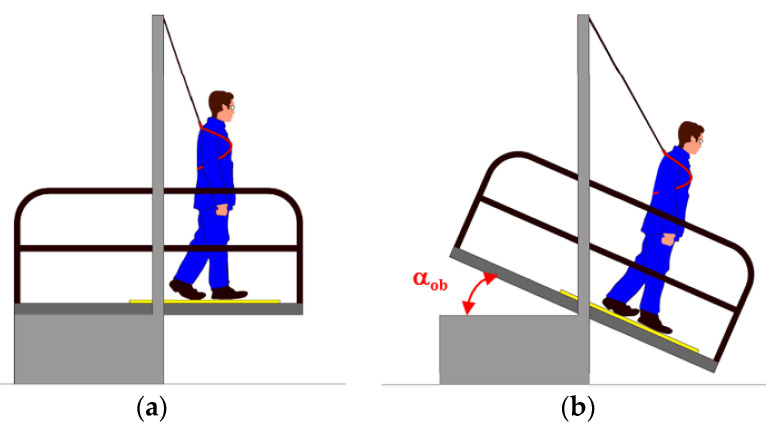
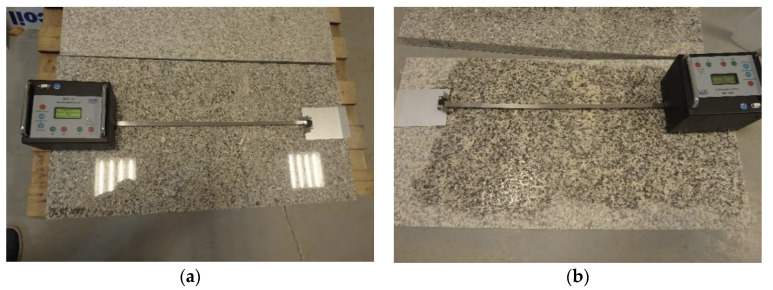
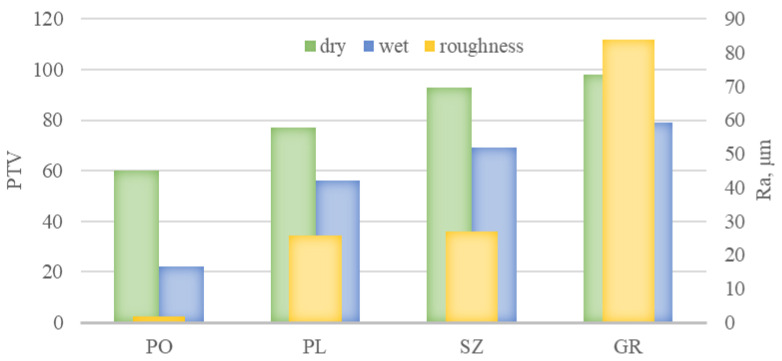
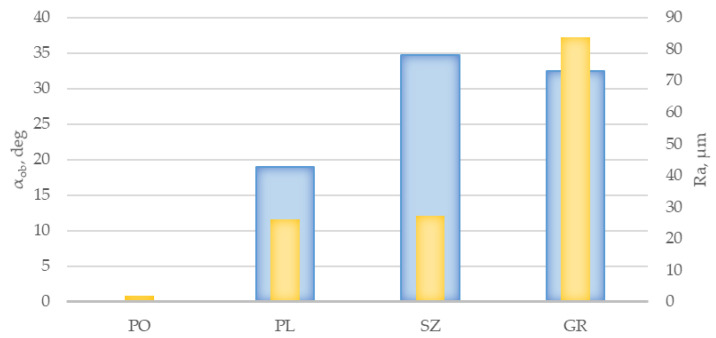
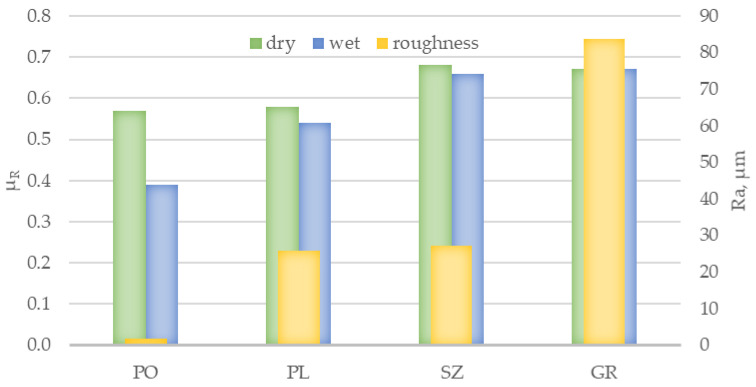
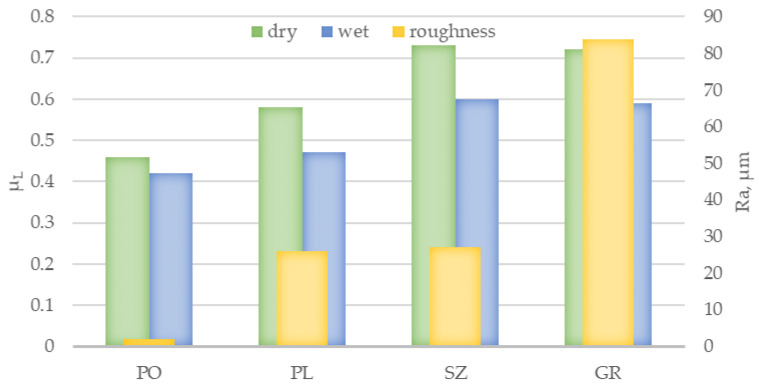
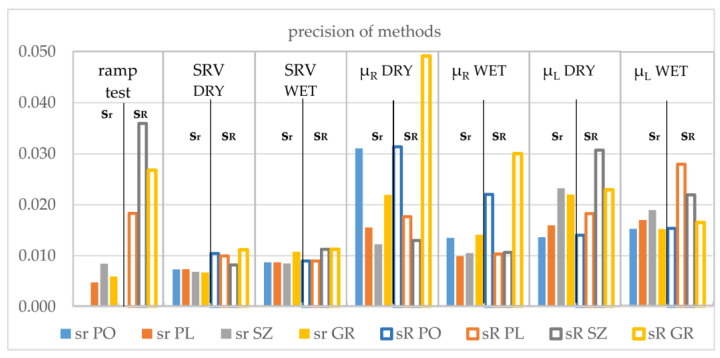
This paper attempts to compare three methods of testing floor slip resistance and the resulting classifications. Polished, flamed, brushed, and grained granite slabs were tested. The acceptance angle values (α) obtained through the shod ramp test, slip resistance value (SRV), and sliding friction coefficient (μ) were compared in terms of the correlation between the series, the precision of each method, and the classification results assigned to each of the three obtained indices. It was found that the evaluation of a product for slip resistance was strongly related to the test method used and the resulting classification method. This influence was particularly pronounced for low roughness slabs. This would result in risks associated with inadequate assessments, which could affect the safe use of buildings facilities.
本文试图比较三种测试地面防滑性的方法以及由此产生的分类。对抛光、火烧、拉丝和麻面花岗岩板进行了测试。根据系列之间的相关性、每种方法的精度以及赋予三个所得指标中每个指标的分类结果,比较了通过穿鞋斜坡试验获得的接受角值(α)、防滑值(SRV)和滑动摩擦系数(μ)。结果发现,产品防滑性的评估与所使用的测试方法以及由此产生的分类方法密切相关。这种影响在低粗糙度板材中尤为明显。这将导致与评估不足相关的风险,可能会影响建筑设施的安全使用。