Sanford School of Medicine, University of South Dakota, Sioux Falls, SD 57105, USA.
Environmental Influences on Health and Disease Group, Sanford Research, Sioux Falls, SD 57104, USA.
Int J Mol Sci. 2021 Feb 27;22(5):2382. doi: 10.3390/ijms22052382.
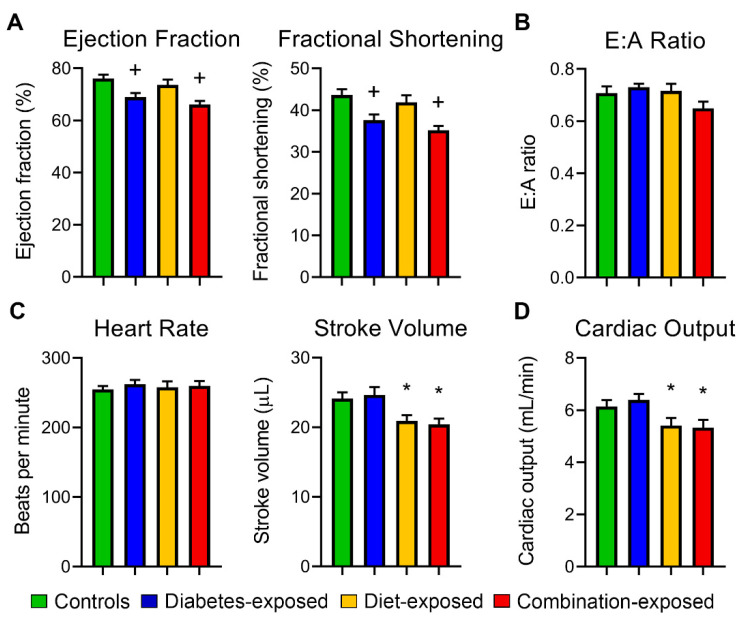
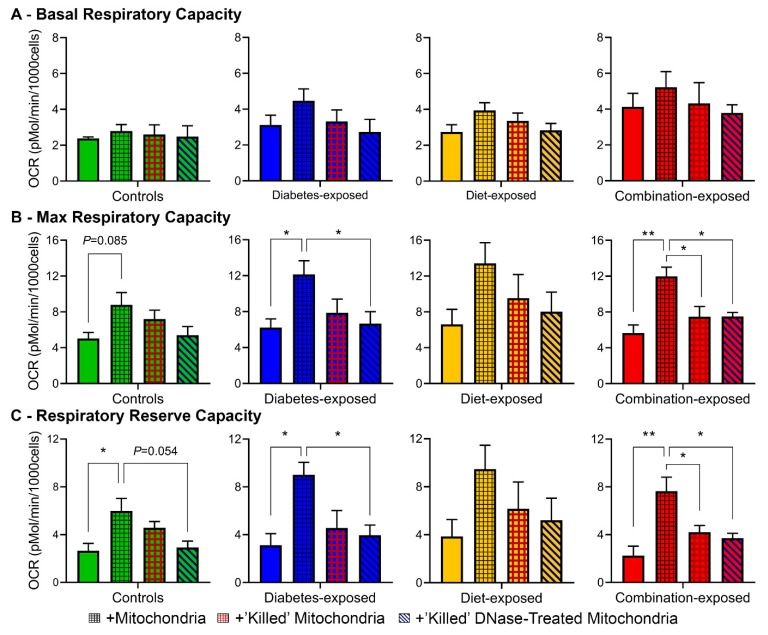
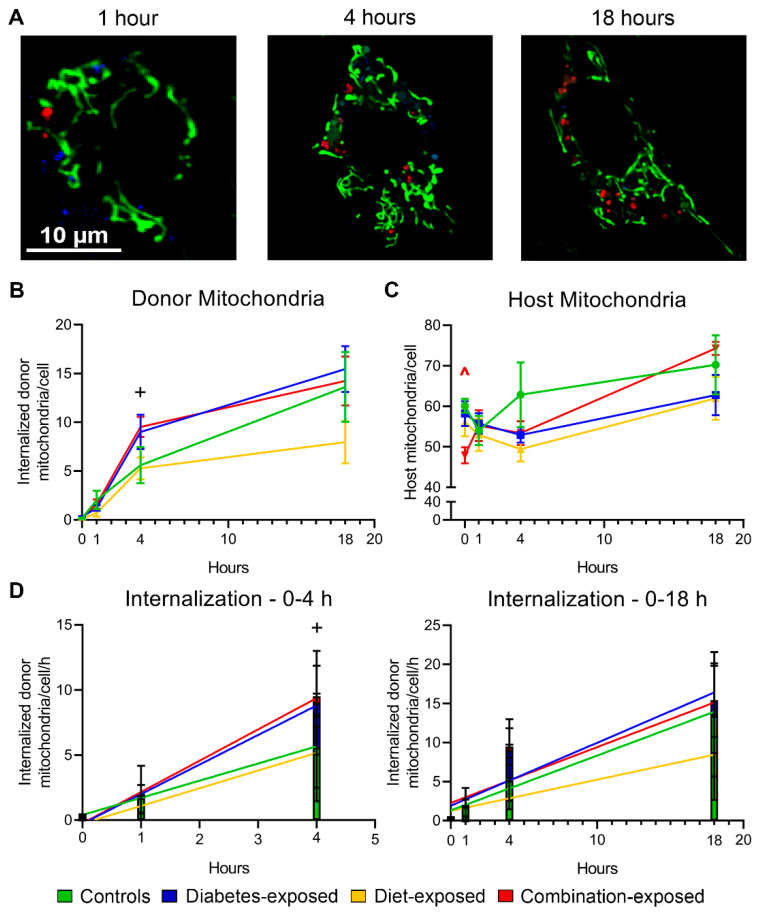
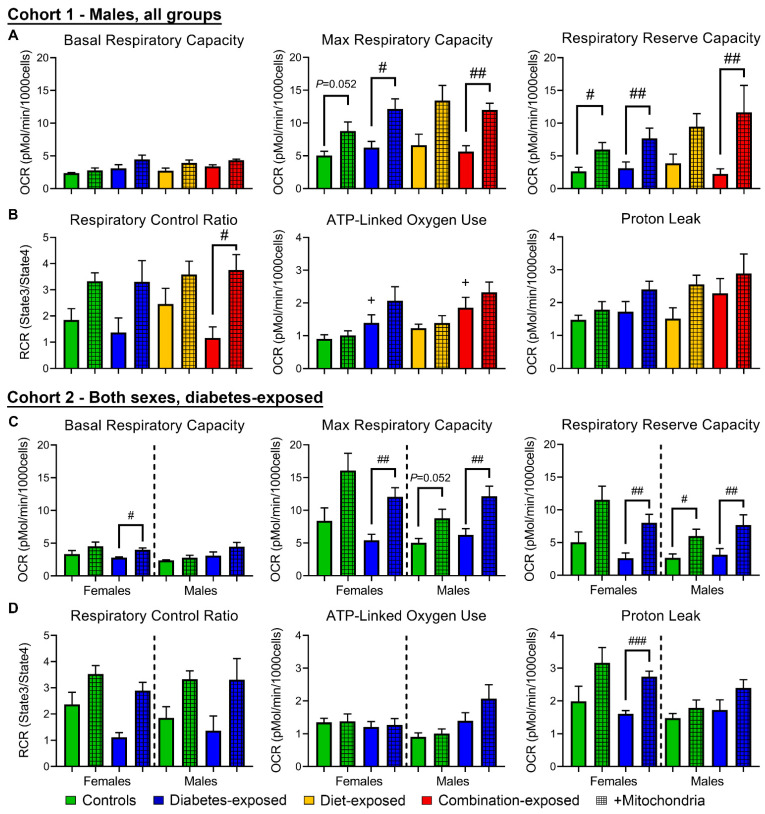
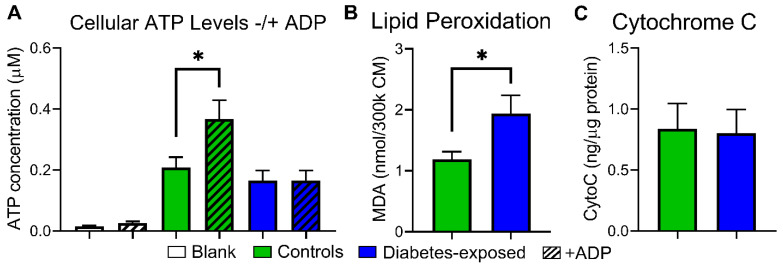
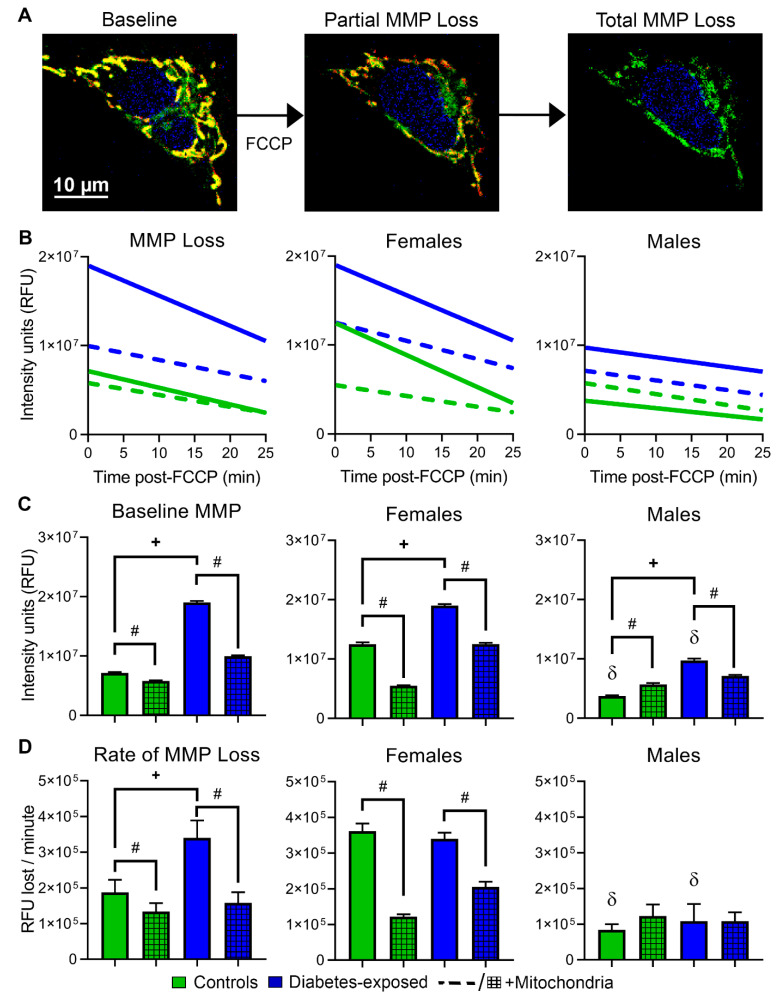
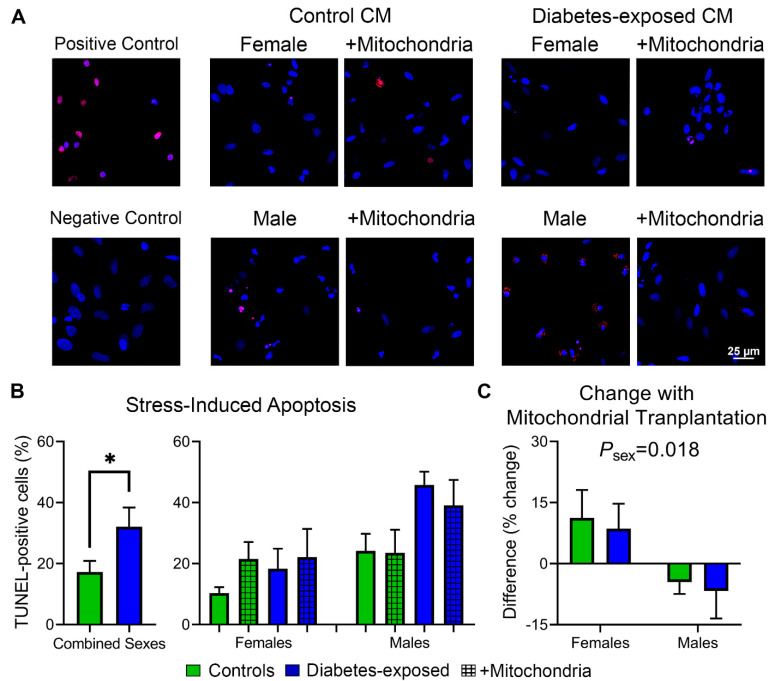
Offspring born to diabetic or obese mothers have a higher lifetime risk of heart disease. Previously, we found that rat offspring exposed to late-gestational diabetes mellitus (LGDM) and maternal high-fat (HF) diet develop mitochondrial dysfunction, impaired cardiomyocyte bioenergetics, and cardiac dysfunction at birth and again during aging. Here, we compared echocardiography, cardiomyocyte bioenergetics, oxidative damage, and mitochondria-mediated cell death among control, pregestational diabetes mellitus (PGDM)-exposed, HF-diet-exposed, and combination-exposed newborn offspring. We hypothesized that PGDM exposure, similar to LGDM, causes mitochondrial dysfunction to play a central, pathogenic role in neonatal cardiomyopathy. We found that PGDM-exposed offspring, similar to LGDM-exposed offspring, have cardiac dysfunction at birth, but their isolated cardiomyocytes have seemingly less bioenergetics impairment. This finding was due to confounding by impaired viability related to poorer ATP generation, more lipid peroxidation, and faster apoptosis under metabolic stress. To mechanistically isolate and test the role of mitochondria, we transferred mitochondria from normal rat myocardium to control and exposed neonatal rat cardiomyocytes. As expected, transfer provides a respiratory boost to cardiomyocytes from all groups. They also reduce apoptosis in PGDM-exposed males, but not in females. Findings highlight sex-specific differences in mitochondria-mediated mechanisms of developmentally programmed heart disease and underscore potential caveats of therapeutic mitochondrial transfer.
糖尿病或肥胖母亲所生的后代终生患心脏病的风险更高。此前,我们发现,在妊娠晚期暴露于糖尿病(LGDM)和高脂肪(HF)饮食的大鼠后代在出生时以及在衰老过程中会出现线粒体功能障碍、心肌细胞生物能量受损和心脏功能障碍。在这里,我们比较了对照组、妊娠糖尿病(PGDM)暴露组、HF 饮食暴露组和联合暴露组新生后代的超声心动图、心肌细胞生物能量、氧化损伤和线粒体介导的细胞死亡。我们假设 PGDM 暴露与 LGDM 类似,导致线粒体功能障碍在新生儿心肌病中发挥核心的致病作用。我们发现,PGDM 暴露的后代与 LGDM 暴露的后代一样,在出生时就有心功能障碍,但它们分离出的心肌细胞的生物能量损伤似乎较少。这一发现是由于与较差的 ATP 生成、更多的脂质过氧化和代谢应激下更快的细胞凋亡相关的活力受损而导致的混杂。为了从机制上分离和测试线粒体的作用,我们将正常大鼠心肌中的线粒体转移到对照组和暴露于新生大鼠的心肌细胞中。正如预期的那样,转移为来自所有组的心肌细胞提供了呼吸支持。它们还减少了 PGDM 暴露雄性的细胞凋亡,但对雌性没有影响。研究结果突出了发育编程性心脏病中线粒体介导机制的性别差异,并强调了治疗性线粒体转移的潜在注意事项。