College of Veterinary Medicine, Northwest A&F University, Yangling, Shaanxi, China; Key Laboratory of Animal Biotechnology, Ministry of Agriculture and Rural Affairs, Northwest A&F University, Yangling, Shaanxi, China.
College of Veterinary Medicine, Northwest A&F University, Yangling, Shaanxi, China; Key Laboratory of Animal Biotechnology, Ministry of Agriculture and Rural Affairs, Northwest A&F University, Yangling, Shaanxi, China.
J Biol Chem. 2021 Jan-Jun;296:100497. doi: 10.1016/j.jbc.2021.100497. Epub 2021 Mar 4.
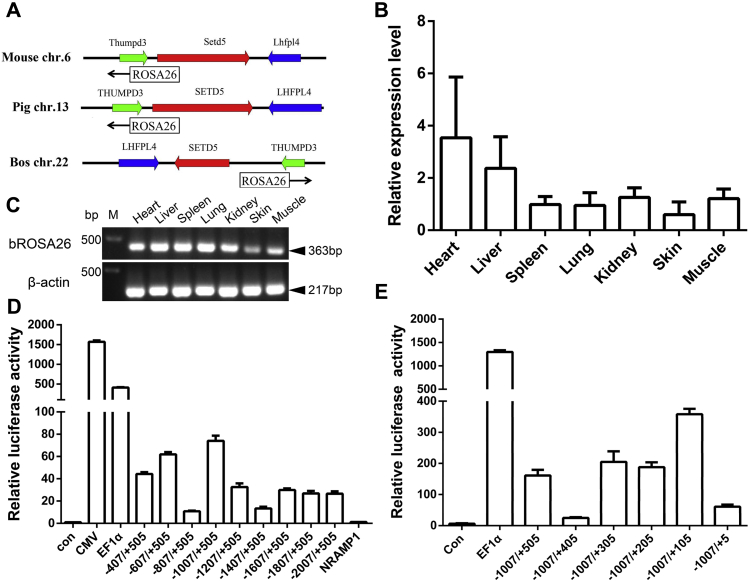
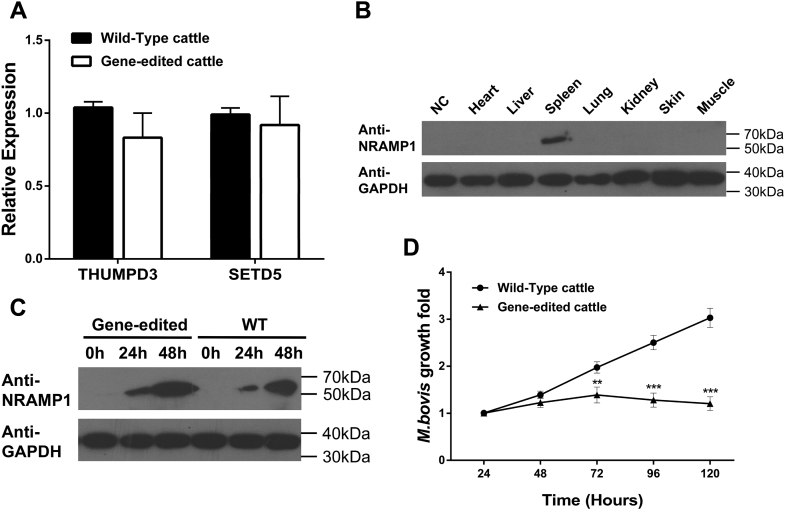
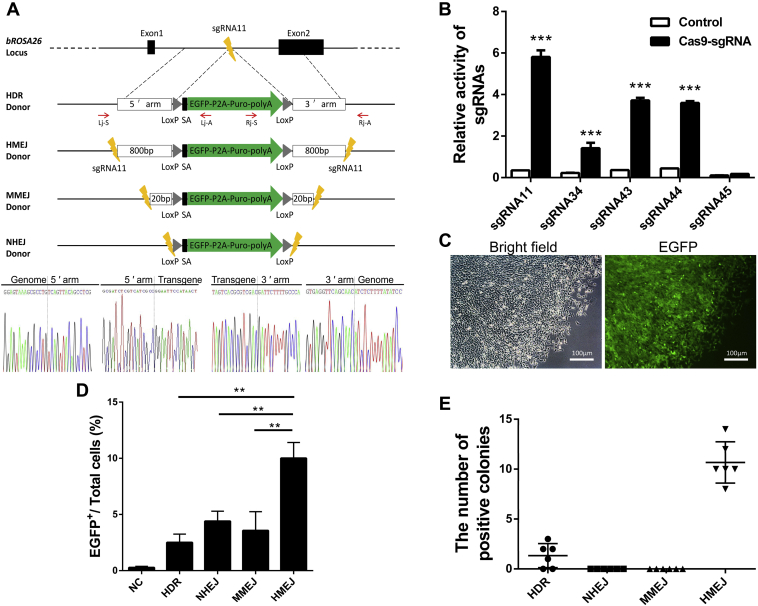
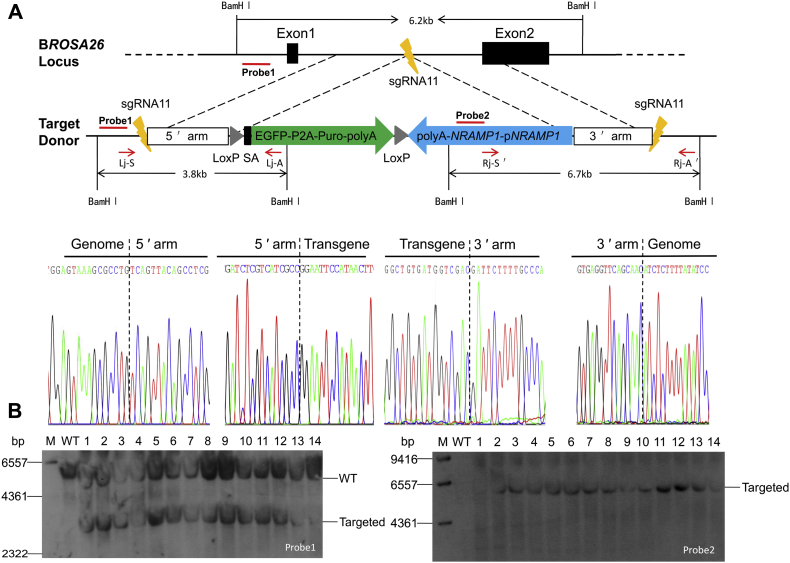
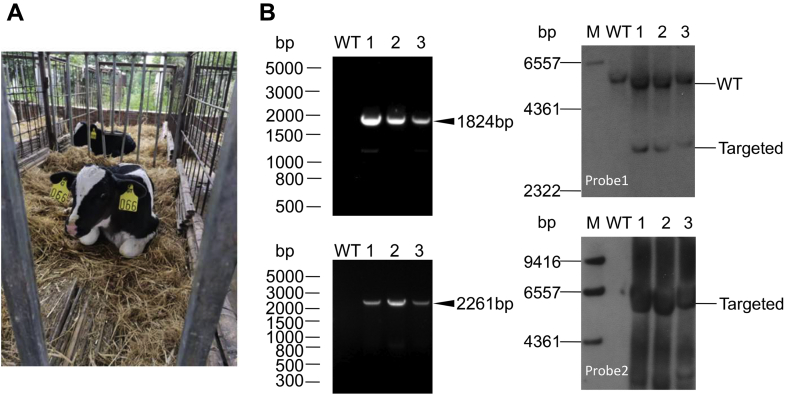
The CRISPR/Cas9 system has been used in a wide range of applications in the production of gene-edited animals and plants. Most efforts to insert genes have relied on homology-directed repair (HDR)-mediated integration, but this strategy remains inefficient for the production of gene-edited livestock, especially monotocous species such as cattle. Although efforts have been made to improve HDR efficiency, other strategies have also been proposed to circumvent these challenges. Here we demonstrate that a homology-mediated end-joining (HMEJ)-based method can be used to create gene-edited cattle that displays precise integration of a functional gene at the ROSA26 locus. We found that the HMEJ-based method increased the knock-in efficiency of reporter genes by eightfold relative to the traditional HDR-based method in bovine fetal fibroblasts. Moreover, we identified the bovine homology of the mouse Rosa26 locus that is an accepted genomic safe harbor and produced three live-born gene-edited cattle with higher rates of pregnancy and birth, compared with previous work. These gene-edited cattle exhibited predictable expression of the functional gene natural resistance-associated macrophage protein-1 (NRAMP1), a metal ion transporter that should and, in our experiments does, increase resistance to bovine tuberculosis, one of the most detrimental zoonotic diseases. This research contributes to the establishment of a safe and efficient genome editing system and provides insights for gene-edited animal breeding.
CRISPR/Cas9 系统已广泛应用于基因编辑动植物的生产。大多数基因插入的尝试都依赖于同源定向修复(HDR)介导的整合,但这种策略对于基因编辑家畜的生产仍然效率低下,特别是牛等单胎物种。尽管已经努力提高 HDR 效率,但也提出了其他策略来规避这些挑战。在这里,我们证明了基于同源介导末端连接(HMEJ)的方法可用于创建在 ROSA26 基因座处显示功能性基因精确整合的基因编辑牛。我们发现,与传统的基于 HDR 的方法相比,基于 HMEJ 的方法将报告基因的敲入效率提高了 8 倍在牛胎儿成纤维细胞中。此外,我们鉴定了小鼠 Rosa26 基因座的牛同源物,该基因座是公认的基因组安全港,并产生了三只具有更高妊娠和出生率的活产基因编辑牛,与之前的工作相比。这些基因编辑牛表现出功能性基因天然抗性相关巨噬细胞蛋白 1(NRAMP1)的可预测表达,NRAMP1 是一种金属离子转运蛋白,应该而且在我们的实验中确实增加了对牛结核病的抵抗力,牛结核病是最具危害性的人畜共患病之一。这项研究有助于建立安全高效的基因组编辑系统,并为基因编辑动物育种提供了思路。