Melo Paulo, Fine Charlotte, Malone Sinead, Taylor Sean
Faculty of Dentistry, Institute of Public Health, EpiUnit, University of Porto, Porto, Portugal.
FDI World Dental Federation, Geneva, Switzerland.
Int Dent J. 2021 Mar 4;71(Suppl 1):S15-30. doi: 10.1016/j.identj.2021.01.018.
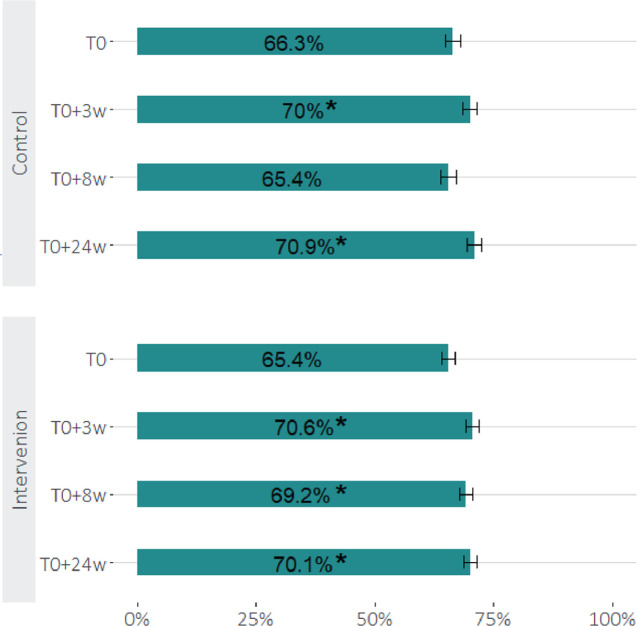
Poor oral hygiene can have an adverse effect on quality of life. School-based interventions can establish positive behaviours that reduce the likelihood of dental caries later in life. The Brush Day & Night programme aims to encourage good oral health behaviour and improve oral health and quality-of-life outcomes. In this article, we report the effect of the programme on well-being and oral hygiene measured by plaque levels at 3, 8, and 24 weeks and dental caries at 24 weeks after programme start date.
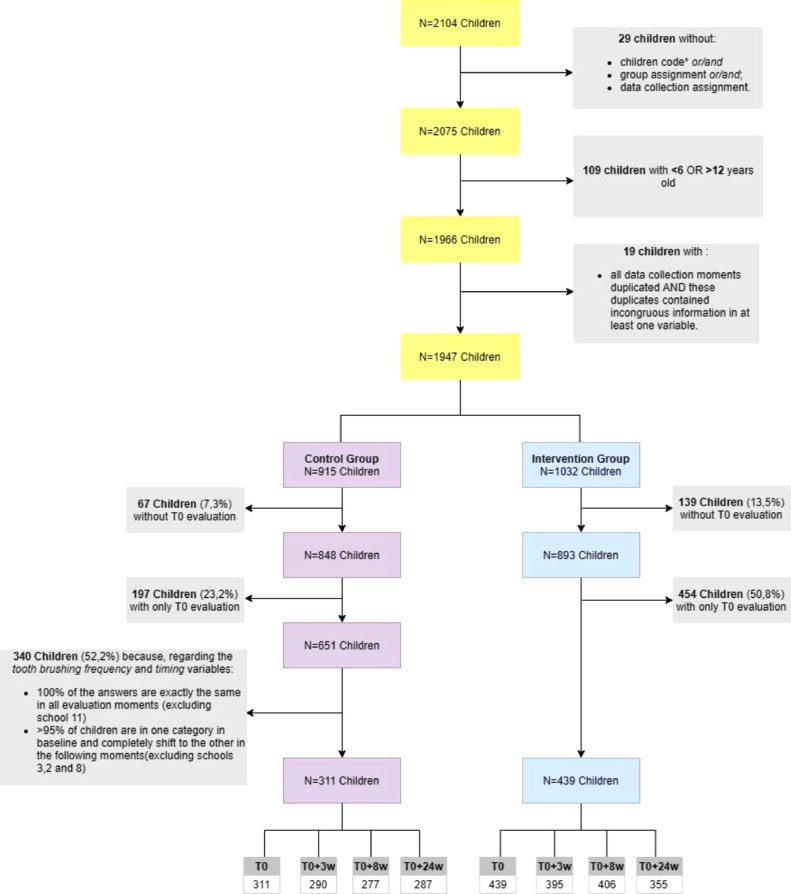
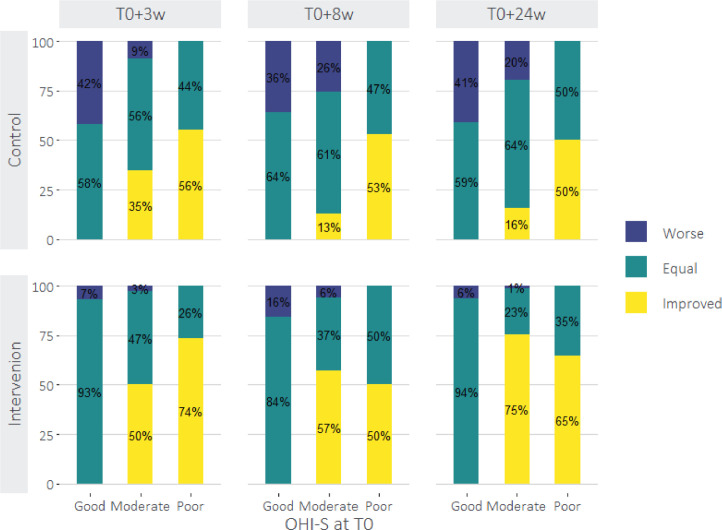
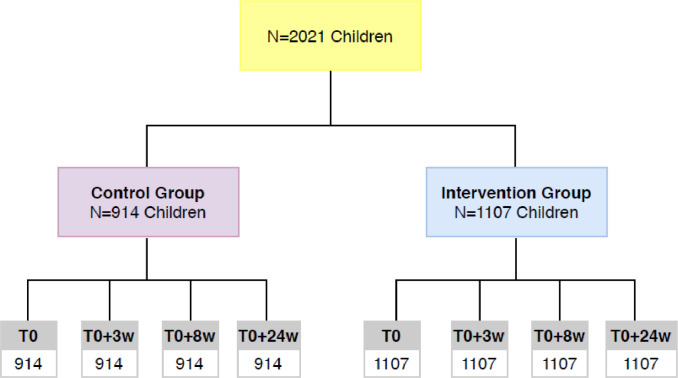
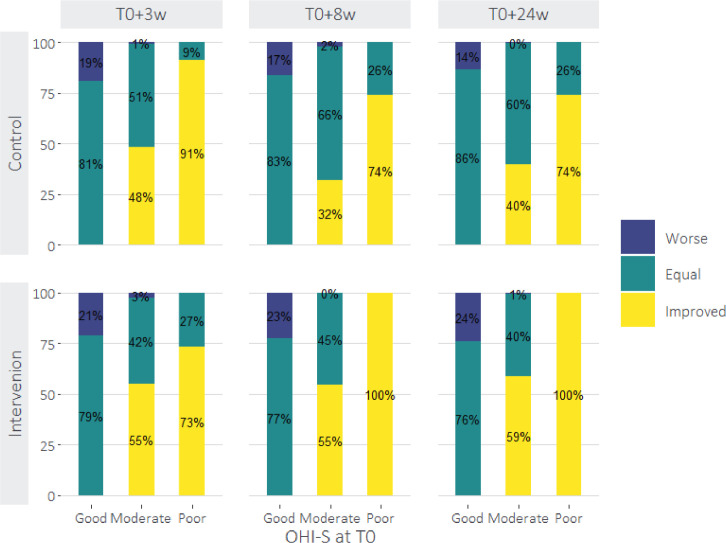
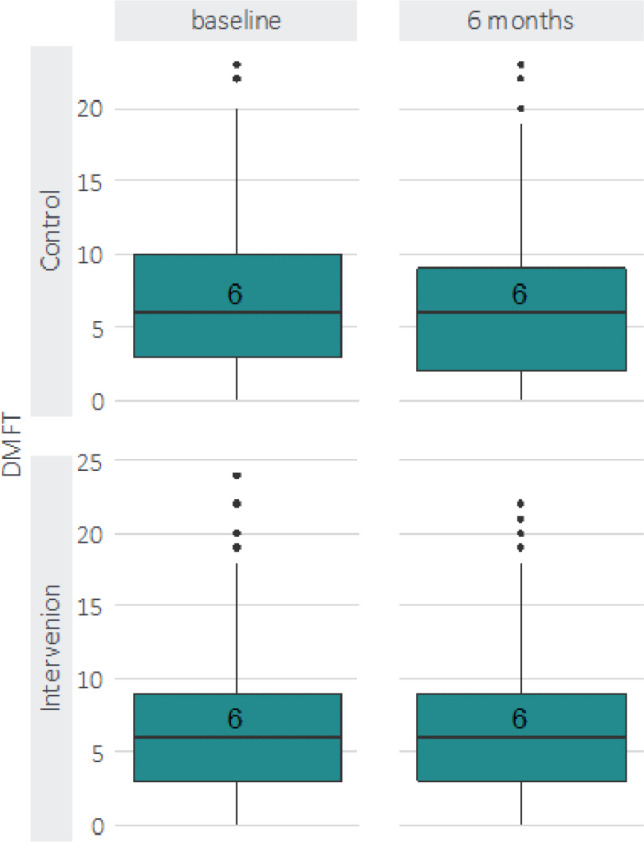
This was a superiority cluster randomised trial of children 6-12 years of age from Indonesia (N = 2021) and Nigeria (N = 2104). All children were provided with toothpaste and a toothbrush. Children in the intervention group received the 21-day Brush Day & Night programme, whereas those in the control group did not. Children completed a questionnaire addressing the objectives at all time points. Their oral hygiene was assessed using the Oral Hygiene Index-Simplified (OHI-S). Additionally, at baseline and 24 weeks their caries status was recorded using the decayed, missing, and filled teeth (DMFT) index.
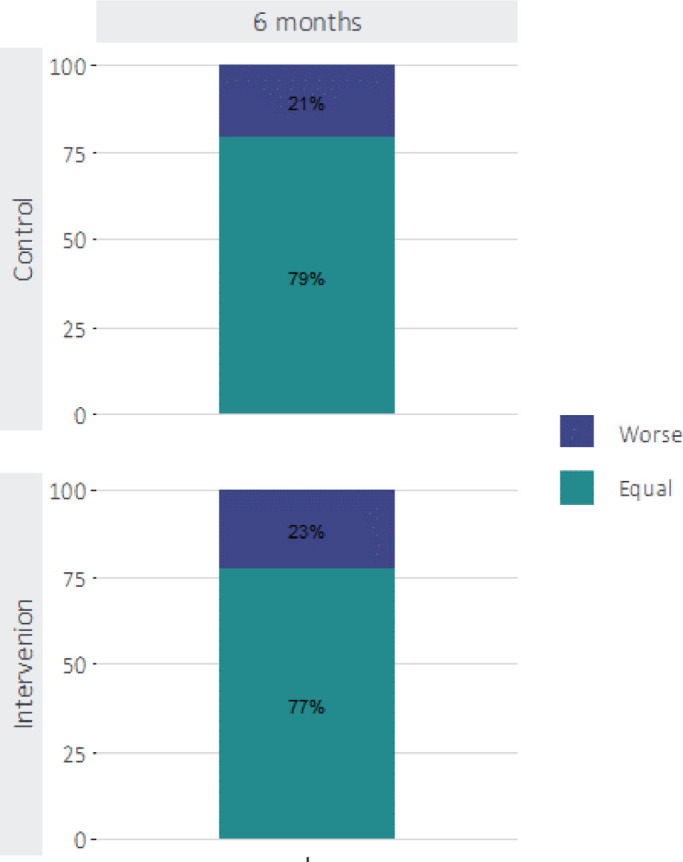
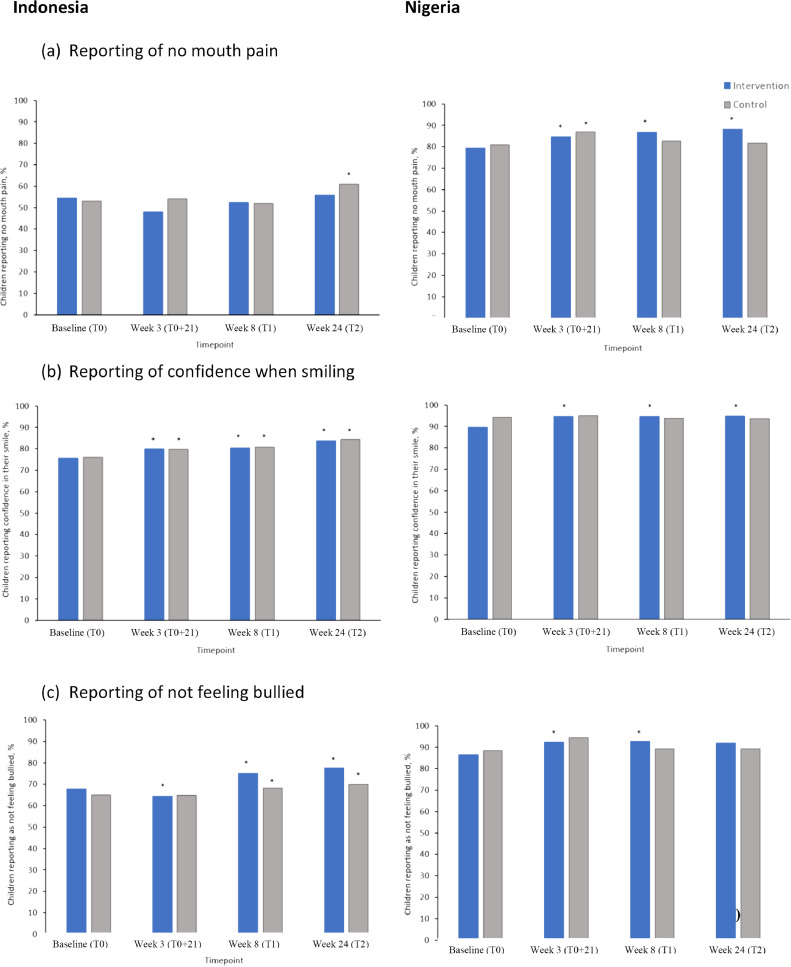
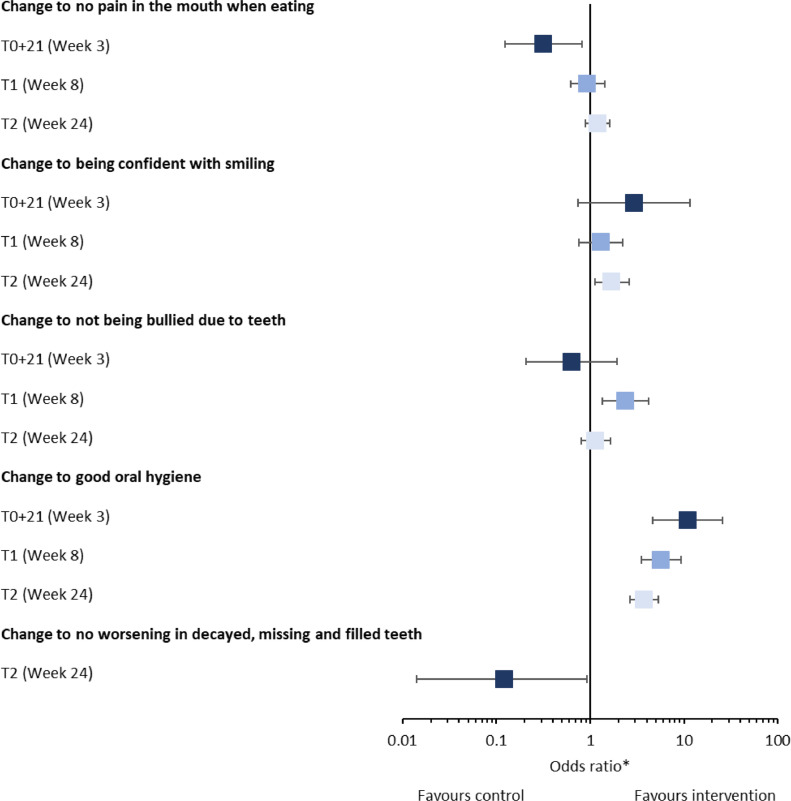
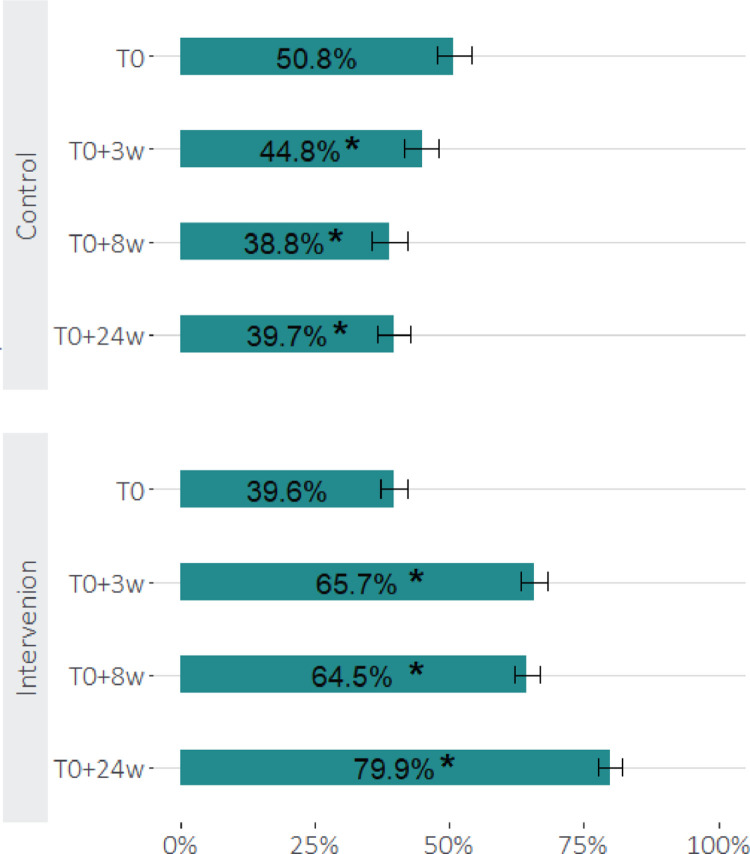
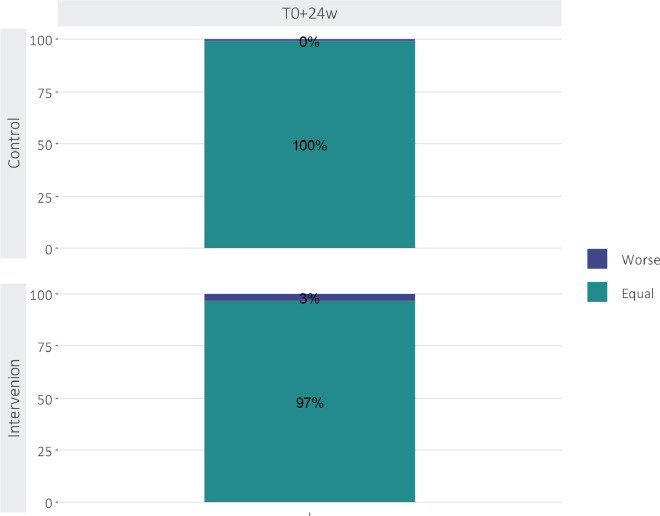
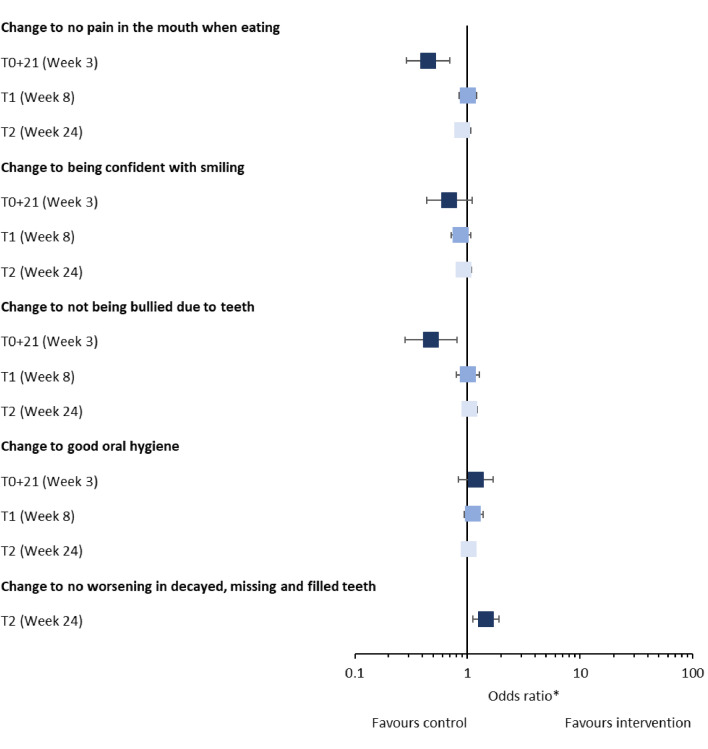
In Indonesia, after participation in the programme children demonstrated a 45% increased probability of no worsening in the occurrence of decayed, missing, or filled teeth. In Nigeria, children had a 71% higher probability of having confidence in their smile and the proportion of children with good oral hygiene doubled from 40% to 80% at 24 weeks.
The Brush Day & Night programme was successful in improving well-being and oral hygiene in children in Nigeria and reduced the likelihood of worsening in the occurrence of decayed, missing, or filled teeth in children in Indonesia.
口腔卫生状况不佳会对生活质量产生不利影响。以学校为基础的干预措施可以培养积极的行为习惯,降低日后患龋齿的可能性。“早晚刷牙”计划旨在鼓励良好的口腔健康行为,改善口腔健康状况和生活质量。在本文中,我们报告了该计划对幸福感和口腔卫生的影响,通过计划开始日期后的3周、8周和24周的牙菌斑水平以及24周时的龋齿情况来衡量。
这是一项针对印度尼西亚(N = 2021)和尼日利亚(N = 2104)6至12岁儿童的优效性整群随机试验。所有儿童都获得了牙膏和牙刷。干预组的儿童接受了为期21天的“早晚刷牙”计划,而对照组的儿童则没有。儿童在所有时间点都完成了一份针对目标的问卷。使用简化口腔卫生指数(OHI-S)评估他们的口腔卫生状况。此外,在基线和24周时,使用龋失补牙(DMFT)指数记录他们的龋齿状况。
在印度尼西亚,参与该计划后,儿童龋齿、缺失或补牙情况没有恶化的概率增加了45%。在尼日利亚,儿童对自己笑容有信心的概率提高了71%,并且在24周时,口腔卫生良好的儿童比例从40%翻倍至80%。
“早晚刷牙”计划成功改善了尼日利亚儿童的幸福感和口腔卫生状况,并降低了印度尼西亚儿童龋齿、缺失或补牙情况恶化的可能性。