Pradhan Akshyaya, Vohra Shaweta, Sethi Rishi
Department of Cardiology, King George's Medical University, Lucknow, Uttar Pradesh, India.
J Pharm Bioallied Sci. 2020 Oct-Dec;12(4):381-390. doi: 10.4103/jpbs.JPBS_338_19. Epub 2020 Oct 8.
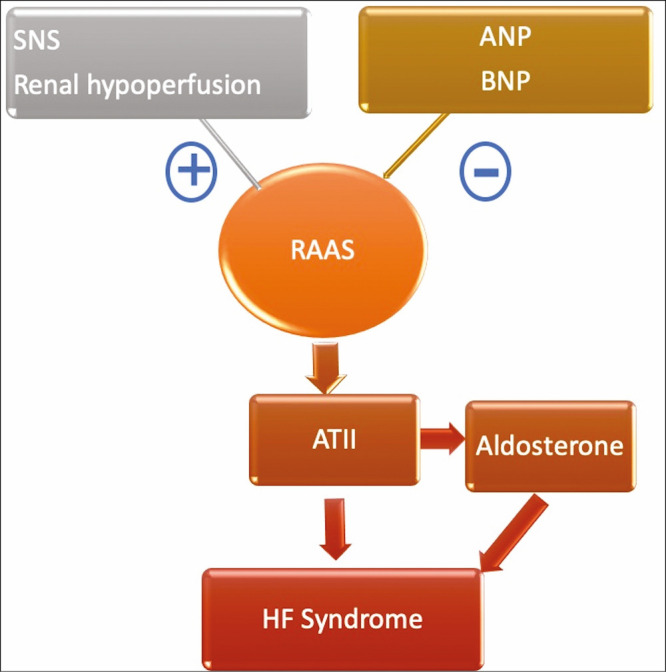
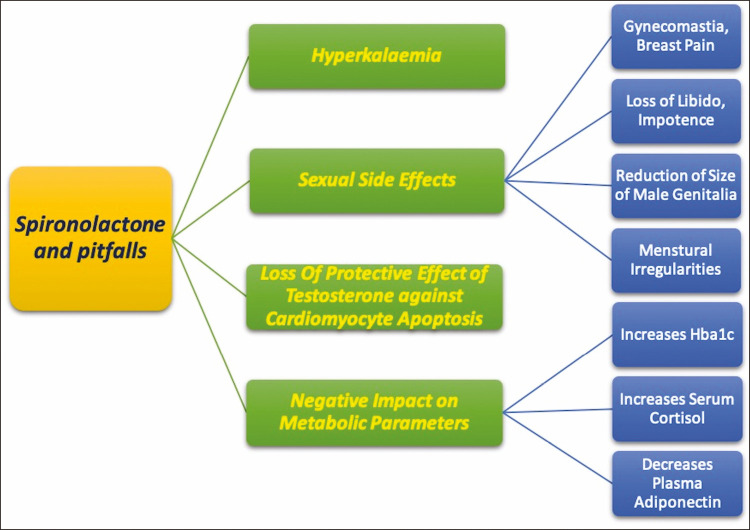
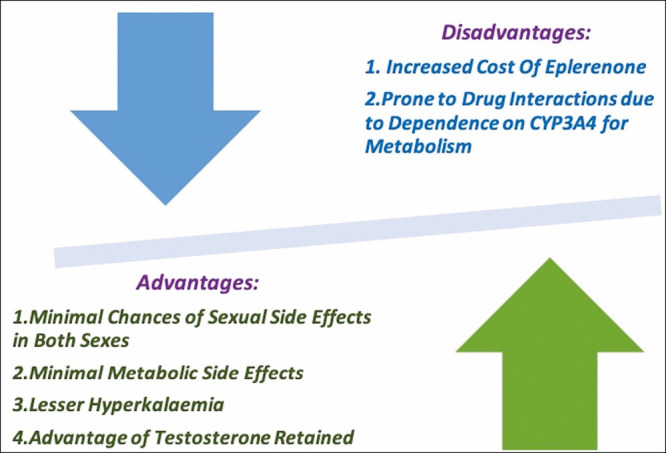
Conventionally, rennin-angiotensin-aldosterone system (RAAS) inhibition has focused on angiotensin-converting enzyme (ACE) inhibitors, angiotensin receptor blockers and angiotensin receptor-neprilysin inhibitors (ARNI) are the latest addition to this armamentarium. However, mineralocorticoid receptor antagonists (MRAs) also constitute an integral part of this anti-RAAS brigade, which are perceived more often as diuretics and are often under prescribed in heart failure (HF) despite being universally advocated by all major guidelines. Apart from HF, they have also shown promise in the management of hypertension, post-myocardial infarction, and hyperaldosteronism. Eplerenone, Food and Drug Administration (FDA) approved in 2002, is an acceptable alternative to spironolactone due to its sparing androgenic effects. In two big pivotal trials in heart failure (EMPHASIS -HF) and post-myocardial infarction (EPHESUS), the drug has firmly shown a reduction in adverse cardiovascular events. It has an established place in the management of resistant hypertension too. In this article, we will discuss the role of RAAS and its pathophysiology, pitfalls of spironolactone, which led to success of its congener, eplerenone, major studies conducted on eplerenone, current role of eplerenone, and comparison of the two MRAs.
传统上,肾素-血管紧张素-醛固酮系统(RAAS)抑制作用主要集中在血管紧张素转换酶(ACE)抑制剂上,血管紧张素受体阻滞剂和血管紧张素受体-中性内肽酶抑制剂(ARNI)是这一药物库中的最新成员。然而,盐皮质激素受体拮抗剂(MRAs)也是这一抗RAAS阵营的重要组成部分,它们更多地被视为利尿剂,尽管所有主要指南都普遍提倡使用,但在心力衰竭(HF)中常常未得到充分处方。除HF外,它们在高血压、心肌梗死后及原发性醛固酮增多症的治疗中也显示出前景。依普利酮于2002年获得美国食品药品监督管理局(FDA)批准,因其对雄激素的影响较小,是螺内酯的可接受替代药物。在两项关于心力衰竭(EMPHASIS -HF)和心肌梗死后(EPHESUS)的大型关键试验中,该药物已明确显示可减少不良心血管事件。它在难治性高血压的治疗中也占有一席之地。在本文中,我们将讨论RAAS的作用及其病理生理学、螺内酯的缺陷(正是这些缺陷促成了其同类药物依普利酮的成功)、关于依普利酮的主要研究、依普利酮目前的作用以及这两种MRAs的比较。