Kose Melisa, Pariante Carmine M, Dazzan Paola, Mondelli Valeria
Department of Psychological Medicine, King's College London, Institute of Psychiatry, Psychology and Neuroscience, London, United Kingdom.
National Institute for Health Research Mental Health Biomedical Research Centre, South London and Maudsley National Health Service Foundation Trust and King's College London, London, United Kingdom.
Front Psychiatry. 2021 Feb 19;12:612471. doi: 10.3389/fpsyt.2021.612471. eCollection 2021.
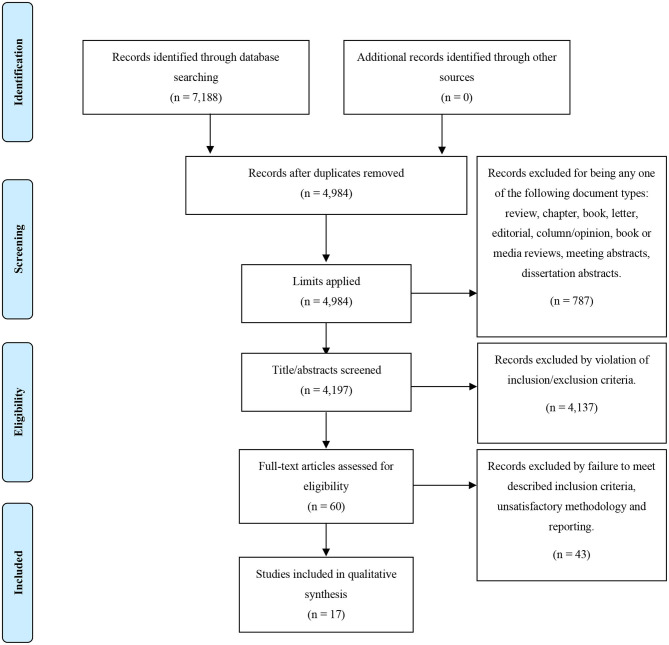
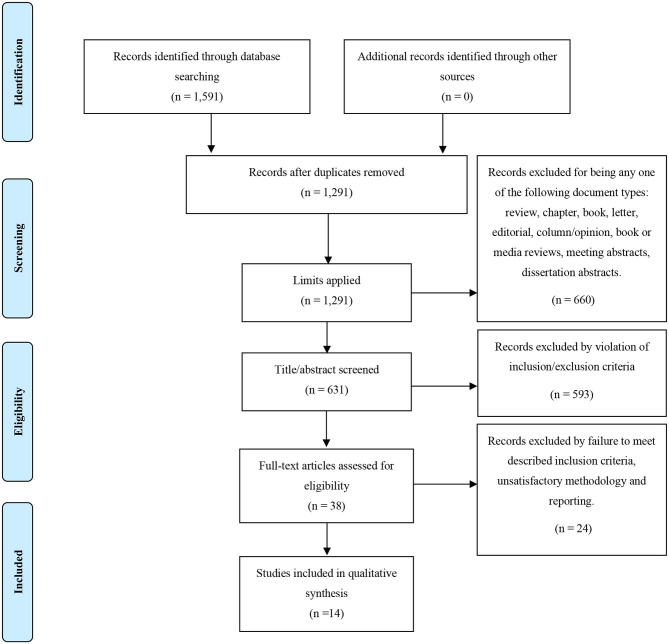
Promising research investigating the association between inflammatory biomarkers and response to antipsychotic and/or adjunctive therapy, observed by improvement in psychiatric assessment, is emerging. Increased inflammation has been suggested to contribute to higher severity of symptoms/treatment resistance through the effects that this has on brain structure and function. The present systematic review aims to clarify the potential role of peripheral inflammatory markers as predictors of clinical outcomes and their association with neuroimaging markers in patients with psychosis. Systematic searches of the literature using the databases PsychInfo, OVID Medline, and Embase were conducted to collate studies investigating the association of inflammatory biomarkers with clinical outcome in patients with psychotic disorders and studies examining the relationships between inflammatory biomarkers and neuroimaging data. Seventeen studies on predictors of clinical outcome and 14 on associations between neuroimaging data and inflammatory biomarkers in psychosis were identified, and risk of bias was assessed using the Newcastle-Ottawa Scale (NOS). The main inflammatory markers associated with clinical outcome in psychosis were interleukin (IL)-6, IL-10, and C-reactive protein (CRP). High levels of CRP and IL-6 were associated with worse clinical outcome and deterioration of symptoms over time; in contrast, increased levels of IL-10 were associated with greater symptoms improvement. Smaller hippocampal volume and reduced cortical thickness were the main neuroimaging markers associated with increased peripheral inflammation. The heterogeneity across the studies (i.e., treatments strategies, duration) suggests that potential prediction power of inflammatory biomarkers could partially depend on the methodologies, supported by the overall NOS ratings of the studies. Future studies may need to consider whether a combination of these inflammatory and neuroimaging markers could further improve our ability of predicting clinical outcome in patients with psychosis.
通过精神科评估的改善观察到,有关炎症生物标志物与抗精神病药物和/或辅助治疗反应之间关联的有前景的研究正在出现。有研究表明,炎症增加通过对脑结构和功能的影响,导致症状严重程度更高/治疗抵抗。本系统评价旨在阐明外周炎症标志物作为临床结局预测指标的潜在作用及其与精神病患者神经影像标志物的关联。我们使用PsychInfo、OVID Medline和Embase数据库对文献进行系统检索,以整理调查炎症生物标志物与精神障碍患者临床结局之间关联的研究,以及检验炎症生物标志物与神经影像数据之间关系的研究。我们确定了17项关于临床结局预测指标的研究和14项关于精神病患者神经影像数据与炎症生物标志物之间关联的研究,并使用纽卡斯尔-渥太华量表(NOS)评估偏倚风险。与精神病临床结局相关的主要炎症标志物是白细胞介素(IL)-6、IL-10和C反应蛋白(CRP)。高水平的CRP和IL-6与较差的临床结局和症状随时间恶化相关;相反,IL-10水平升高与症状改善更大相关。较小的海马体积和皮层厚度减小是与外周炎症增加相关的主要神经影像标志物。研究之间的异质性(即治疗策略、持续时间)表明,炎症生物标志物的潜在预测能力可能部分取决于研究方法,研究的总体NOS评分也支持这一点。未来的研究可能需要考虑这些炎症和神经影像标志物的组合是否可以进一步提高我们预测精神病患者临床结局的能力。