Chakraborty Santam, Mallick Indranil, Luu Hung N, Bhattacharyya Tapesh, Arunsingh Moses, Achari Rimpa Basu, Chatterjee Sanjoy
Department of Radiation Oncology, Tata Medical Center, Kolkata 700156, India.
Division of Cancer Control and Population Sciences, UPMC Hillman Cancer Center, University of Pittsburgh, Pittsburgh, PA 15232, USA.
Ecancermedicalscience. 2021 Jan 5;15:1161. doi: 10.3332/ecancer.2021.1161. eCollection 2021.
The current study was aimed at quantifying the disparity in geographic access to cancer clinical trials in India.
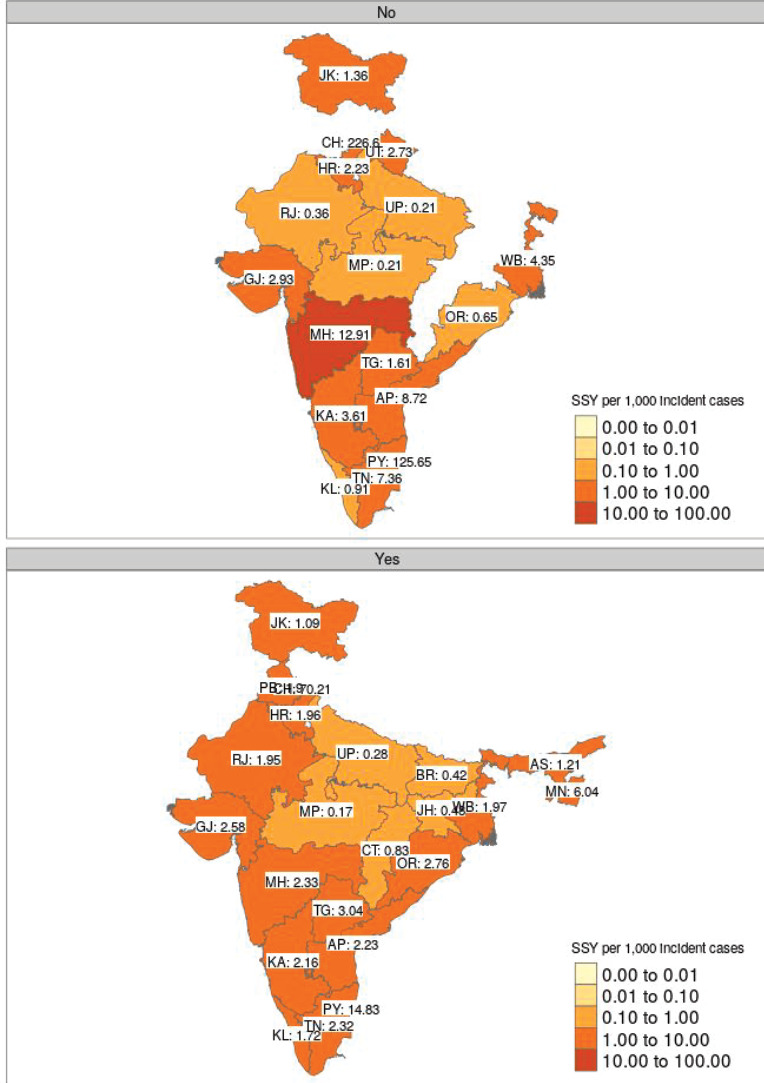
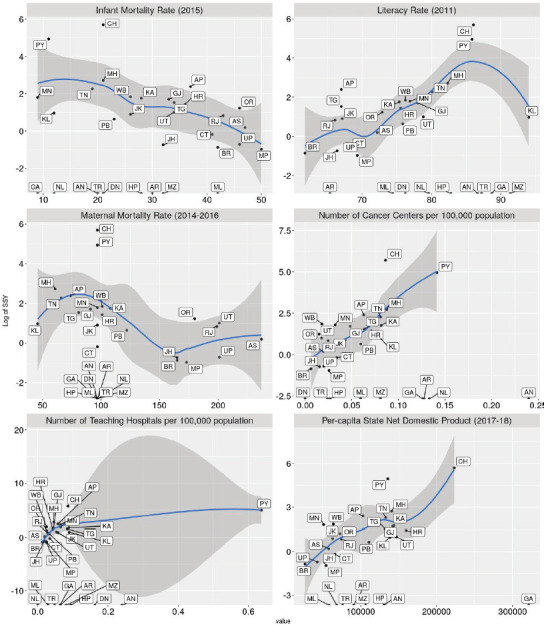
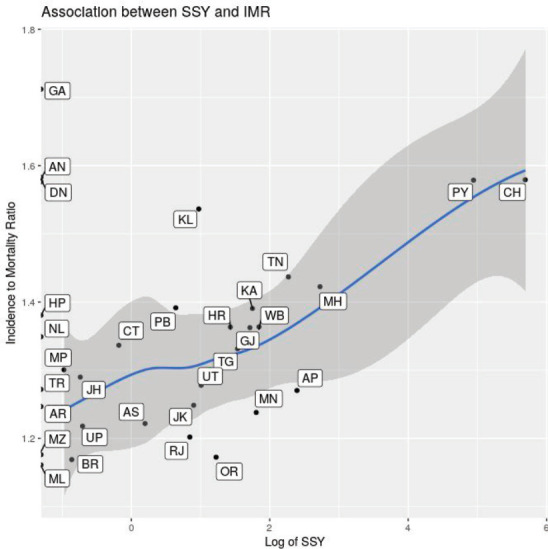
We collated data of cancer clinical trials from the Clinical Trial Registry of India and data on state-wise cancer incidence from the Global Burden of Disease Study. The total sample size for each clinical trial was divided by the trial duration to get the sample size per year. This was then divided by the number of states in which accrual was planned to get the sample size per year per state (SSY).For interventional trials investigating a therapy, the SSY was divided by the number of incident cancers in the state to get the SSY per 1,000 incident cancer cases. The SSY data was then mapped to visualise the geographical disparity.
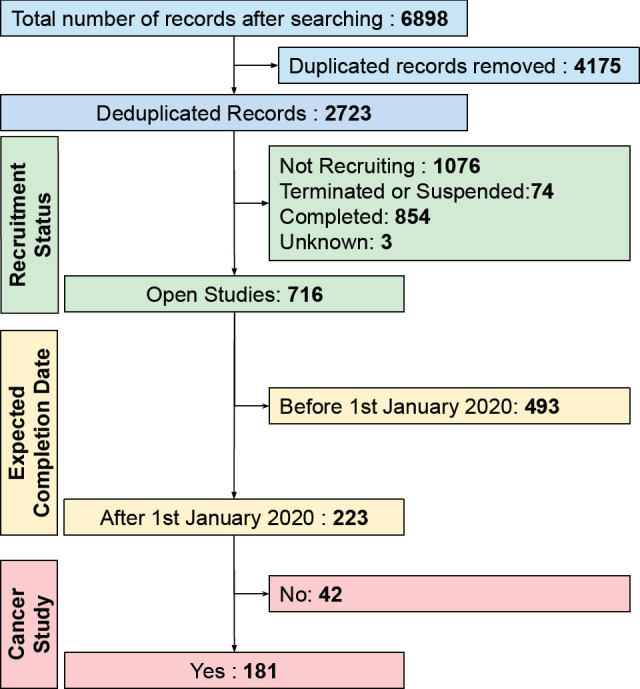
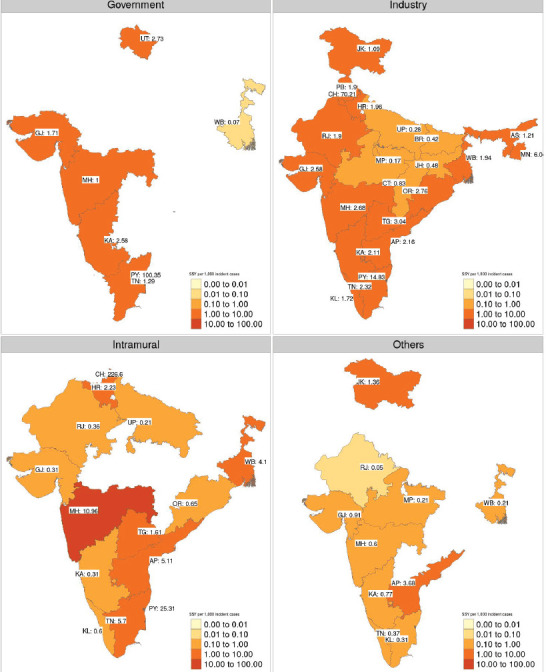
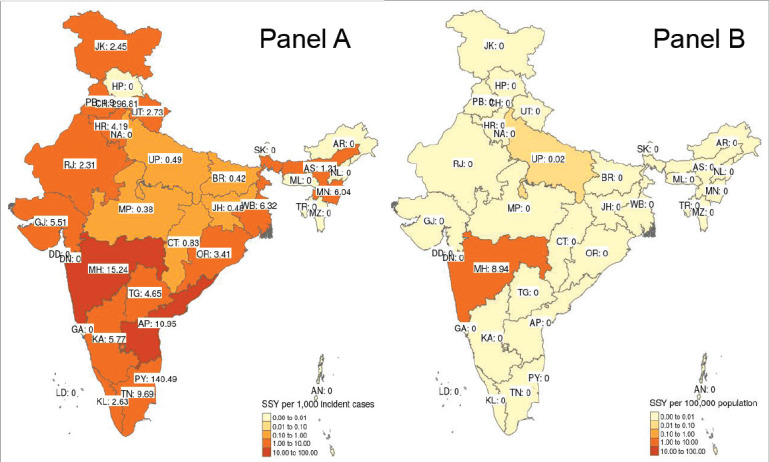
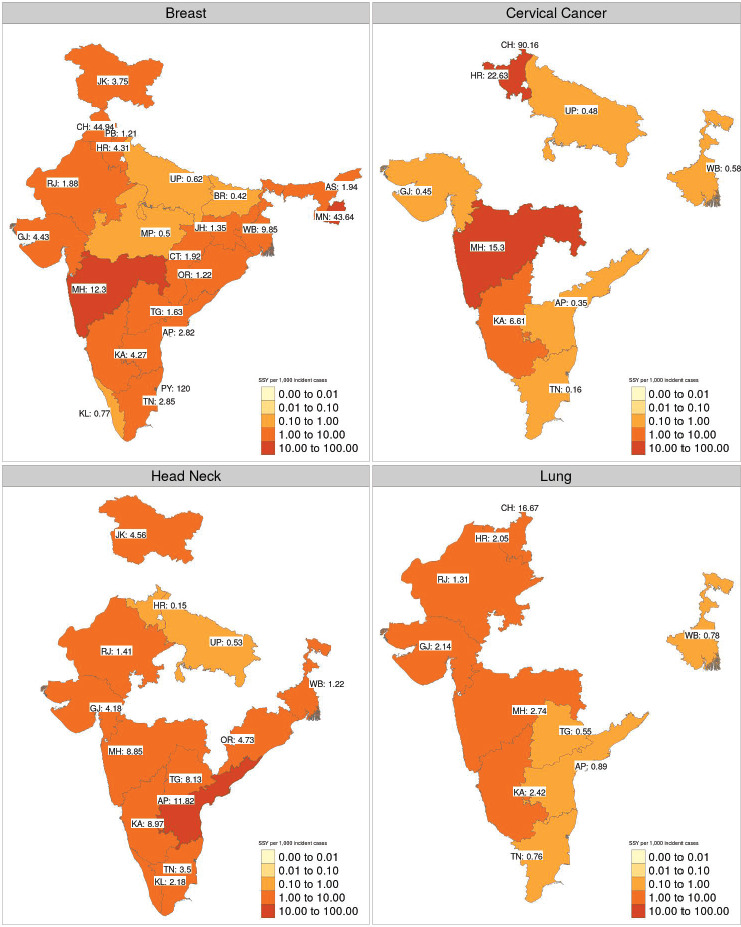
We identified 181 ongoing studies, of which 132 were interventional studies. There was a substantial inter-state disparity-with a median SSY of 1.55 per 1,000 incident cancer cases (range 0.00-296.81 per 1,000 incident cases) for therapeutic interventional studies. Disparities were starker when cancer site-wise SSY was considered. Even in the state with the highest SSY, only 29.7% of the newly diagnosed cancer cases have an available slot in a therapeutic cancer clinical trial. Disparities in access were also apparent between academic (range: 0.21-226.60) and industry-sponsored trials (range: 0.17-70.21).
There are significant geographic disparities in access to cancer clinical trials in India. Future investigations should evaluate the reasons and mitigation approaches for such disparities.
本研究旨在量化印度在癌症临床试验地理可及性方面的差异。
我们整理了来自印度临床试验注册中心的癌症临床试验数据以及来自全球疾病负担研究的各邦癌症发病率数据。将每个临床试验的总样本量除以试验持续时间,得到每年的样本量。然后将其除以计划入组的邦数量,得到每个邦每年的样本量(SSY)。对于研究某种疗法的干预性试验,将SSY除以该邦的新发癌症病例数,得到每1000例新发癌症病例的SSY。然后将SSY数据进行映射,以可视化地理差异。
我们识别出181项正在进行的研究,其中132项为干预性研究。各邦之间存在显著差异——治疗性干预研究中,每1000例新发癌症病例的SSY中位数为1.55(范围为每1000例病例0.00 - 296.81)。考虑按癌症部位划分的SSY时,差异更为明显。即使在SSY最高的邦,也只有29.7%的新诊断癌症病例在治疗性癌症临床试验中有可用名额。学术赞助试验(范围:0.21 - 226.60)和行业赞助试验(范围:0.17 - 70.21)在可及性方面也存在明显差异。
印度在癌症临床试验的可及性方面存在显著的地理差异。未来的调查应评估造成这种差异的原因及缓解方法。