Ari Arzu, Moody Gerald B
Department of Respiratory Therapy, Texas State University, Round Rock, TX, USA.
Children's Health - Children's Medical Center, Department of Respiratory Care, Dallas, TX, USA.
Can J Respir Ther. 2021 Mar 1;57:22-25. doi: 10.29390/cjrt-2020-041. eCollection 2021.
The treatments of COVID-19 involve some degree of uncertainty. Current evidence also shows mixed findings with regards to bioaerosol dispersion and airborne transmission of COVID-19 during high flow nasal cannula (HFNC) therapy. While coping with this global pandemic created hot debates on the use of HFNC, it is important to bring detached opinions and current evidence to the attention of health care professionals (HCPs) who may need to use HFNC in patients with COVID-19.
The purpose of this paper is to provide a framework on the selection, placement, and use of nebulizers as well as HFNC prongs, gas flow, and delivery technique via HFNC to help clinicians deliver aerosolized medications through HFNC safely and effectively in the era of COVID-19 and beyond.
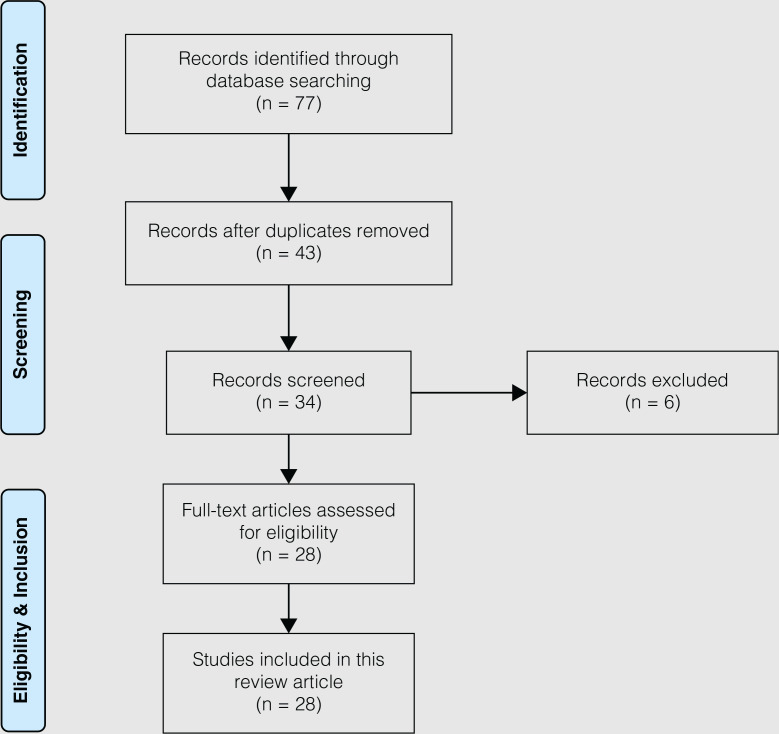
We searched PubMed, Medline, CINAHL, and Science Direct to identify studies on aerosol drug delivery through HFNC using the following keywords: ("aerosols," OR "nebulizers") AND ("high flow nasal cannula" OR "high flow oxygen therapy" OR "HFNC") AND ("COVID-19," OR "SARS-CoV-2"). Twenty-eight articles including in vitro studies, randomized clinical trials, scintigraphy studies, review articles, prospective and retrospective research were included in this review.
It is not clear if the findings of the previous studies on bacterial contamination could be applied to viral transmission because they do not provide data that could be extrapolated to the risk of SARS-CoV-2 transmission. In the face of the unknown risk with the transmission of COVID-19 during HFNC therapy, the benefits of HFNC must be weighed against the risk of infection to HCPs and other patients. Due to the limited number of ventilators available in hospitals and the confirmed effectiveness of HFNC in treating hypoxemic respiratory failure, HFNC may prevent early intubation, and prolonged intensive care unit stays in patients with COVID-19.
Clinicians should review the magnitude of this risk based on current evidence and use the suggested strategies of this paper for safe and effective delivery of aerosolized medications through HFNC in the era of COVID-19 and beyond.
新型冠状病毒肺炎(COVID-19)的治疗存在一定程度的不确定性。目前的证据对于在高流量鼻导管(HFNC)治疗期间COVID-19的生物气溶胶扩散和空气传播也显示出不一致的结果。在应对这场全球大流行引发关于HFNC使用的激烈辩论之际,将客观的观点和当前证据提请可能需要在COVID-19患者中使用HFNC的医护人员(HCP)注意非常重要。
本文旨在提供一个关于雾化器以及HFNC鼻塞的选择、放置和使用、气体流量和通过HFNC的输送技术的框架,以帮助临床医生在COVID-19时代及以后通过HFNC安全有效地输送雾化药物。
我们检索了PubMed、Medline、CINAHL和Science Direct,使用以下关键词识别关于通过HFNC进行气溶胶药物输送的研究:(“气溶胶”或“雾化器”)与(“高流量鼻导管”或“高流量氧疗”或“HFNC”)与(“COVID-19”或“严重急性呼吸综合征冠状病毒2”)。本综述纳入了28篇文章,包括体外研究、随机临床试验、闪烁显像研究、综述文章、前瞻性和回顾性研究。
之前关于细菌污染的研究结果是否可应用于病毒传播尚不清楚,因为它们没有提供可外推至严重急性呼吸综合征冠状病毒2传播风险的数据。面对HFNC治疗期间COVID-19传播的未知风险,必须权衡HFNC的益处与对医护人员和其他患者的感染风险。由于医院可用呼吸机数量有限,且HFNC在治疗低氧性呼吸衰竭方面已证实有效,HFNC可能会避免COVID-19患者早期插管和延长重症监护病房住院时间。
临床医生应根据当前证据评估这种风险的程度,并在COVID-19时代及以后使用本文建议的策略通过HFNC安全有效地输送雾化药物。