Ryskin Rachel, Ng Shukhan, Mimnaugh Katherine, Brown-Schmidt Sarah, Federmeier Kara D
Department of Brain and Cognitive Sciences, Massachusetts Institute of Technology, Cambridge, MA, USA.
Department of Speech, Language, and Hearing Sciences, Boston University, Boston, Massachusetts, USA.
Lang Cogn Neurosci. 2020;35(6):797-812. doi: 10.1080/23273798.2019.1630654. Epub 2019 Jun 27.
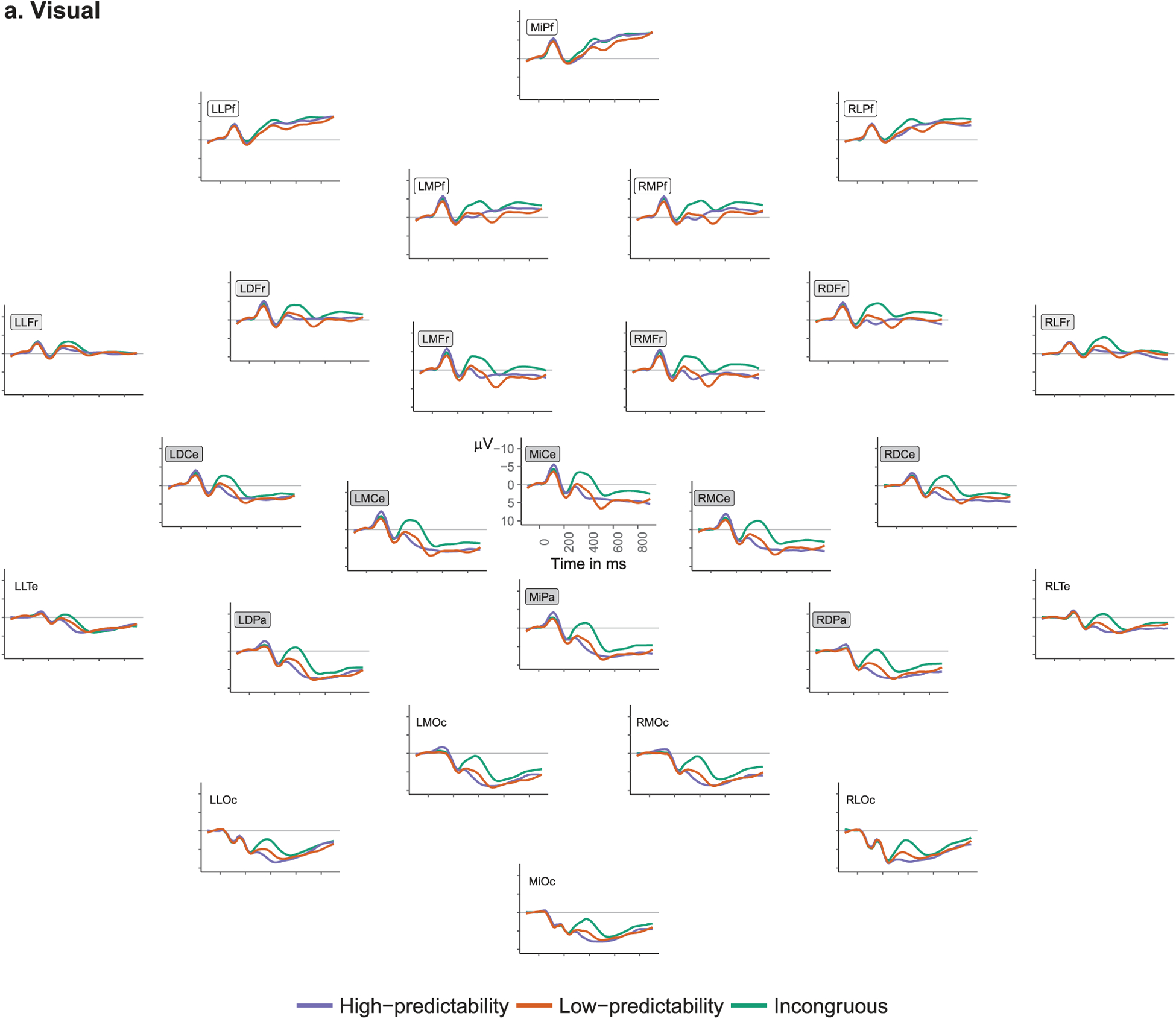
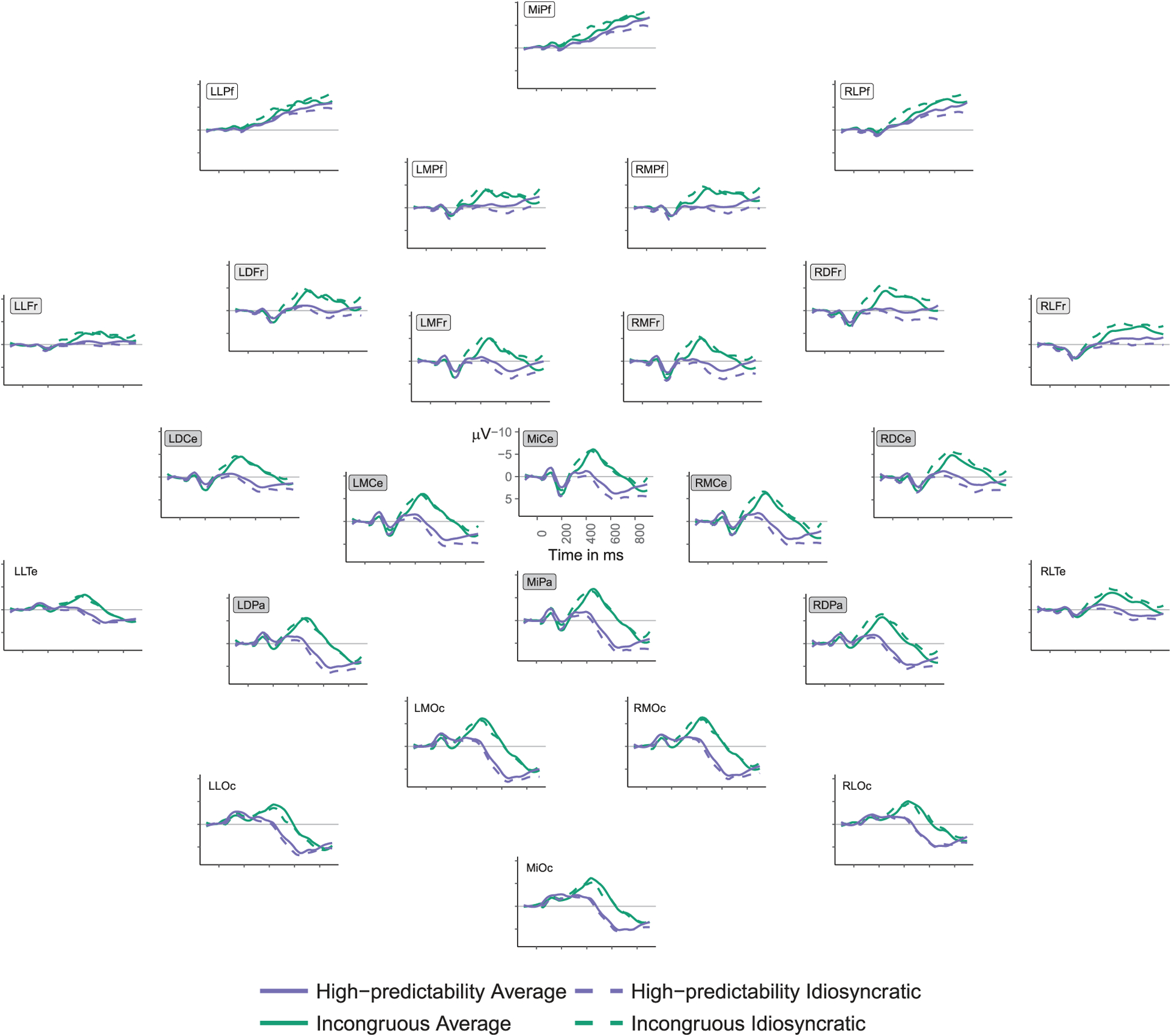
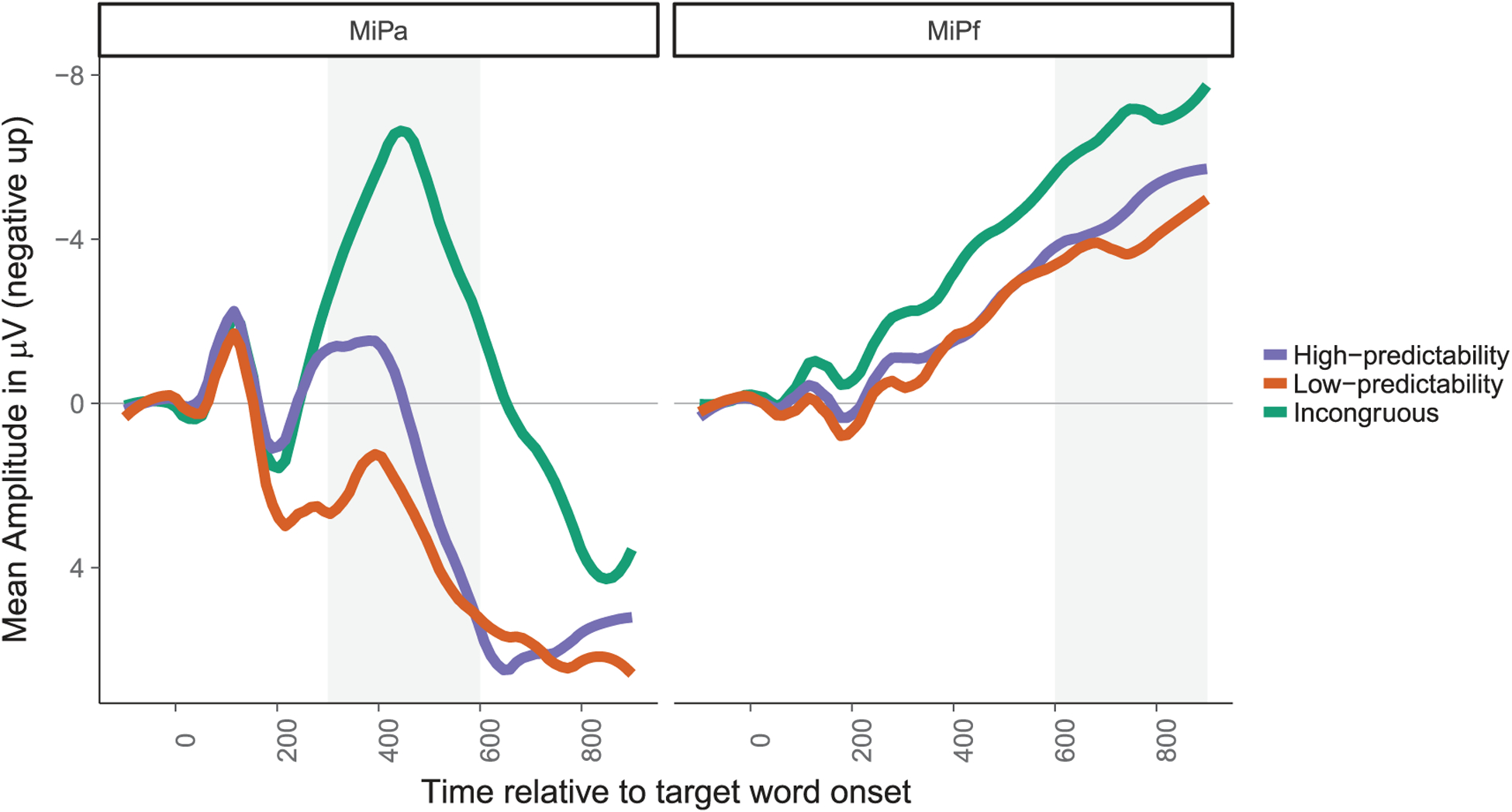
Language comprehension is shaped by world knowledge. After hearing about "a farm animal," meanings of typical ("cow") versus atypical exemplars ("ox") are more accessible, as evidenced by N400 responses. Moreover, atypical exemplars elicit a larger post-N400 frontal positivity than typical and incongruous ("ivy") exemplars, indexing the integration of unexpected information. Do listeners adapt this category knowledge to specific talkers? We first replicated typicality effects in the auditory modality. Then, we extended the design to a two-talker context: talkers alternated cueing (Bob: "Susan, name a farm animal") and answering (Susan: "cow"). Critically, participants first heard interviews in which one talker revealed strong associations with atypical exemplars (Susan works on an ox farm). We observed increased frontal positivity to a typical exemplar ("cow") said by Susan compared to Bob, indicating participants appreciated that the typical exemplar was atypical for Susan. These results suggest that comprehenders can tailor their expectations to the talker.
语言理解受世界知识的影响。在听到“一种农场动物”后,典型范例(“奶牛”)与非典型范例(“公牛”)的含义更容易被获取,这一点由N400反应得以证明。此外,非典型范例比典型范例和不一致范例(“常春藤”)引发更大的N400后额叶正波,这表明意外信息得到了整合。听众会将这种类别知识应用于特定的谈话者吗?我们首先在听觉模态中复制了典型性效应。然后,我们将设计扩展到双谈话者情境:谈话者交替提示(鲍勃:“苏珊,说出一种农场动物”)和回答(苏珊:“奶牛”)。关键的是,参与者首先听到访谈,其中一个谈话者表现出与非典型范例有很强的关联(苏珊在公牛养殖场工作)。我们观察到,与鲍勃说出的典型范例(“奶牛”)相比,苏珊说出的典型范例引发了更强的额叶正波,这表明参与者意识到这个典型范例对苏珊来说是非典型的。这些结果表明,理解者可以根据谈话者调整他们的预期。