Faulkner Paul, Huys Quentin J M, Renz Daniel, Eshel Neir, Pilling Stephen, Dayan Peter, Roiser Jonathan P
Department of Psychology, University of Roehampton, London, UK.
Division of Psychiatry, University College London, London, UK.
Psychol Med. 2021 Mar 12;52(16):1-9. doi: 10.1017/S0033291721000799.
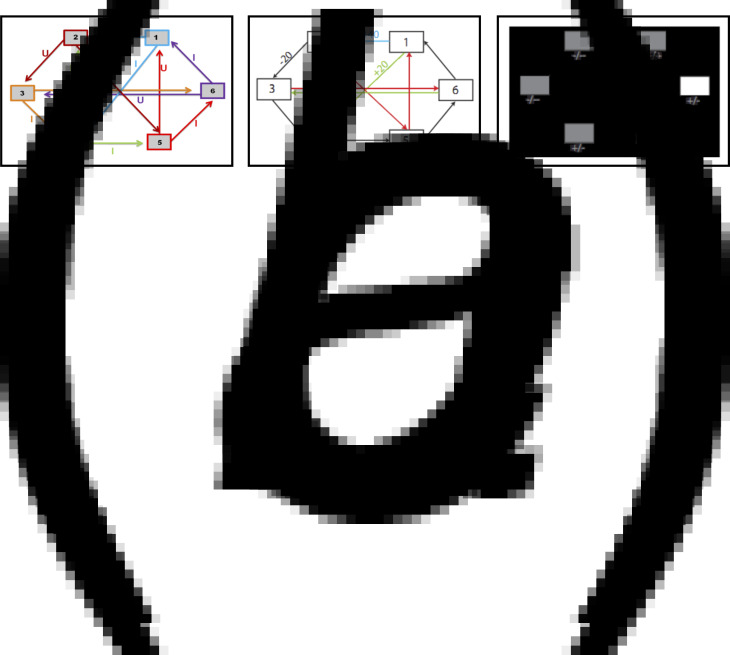
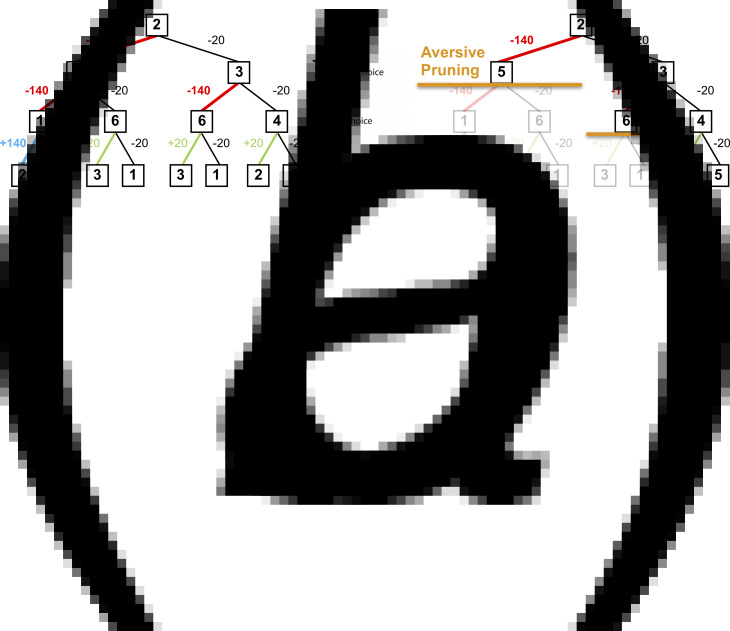
Real-life decisions are often complex because they involve making sequential choices that constrain future options. We have previously shown that to render such multi-step decisions manageable, people 'prune' (i.e. selectively disregard) branches of decision trees that contain negative outcomes. We have theorized that sub-optimal pruning contributes to depression by promoting an oversampling of branches that result in unsavoury outcomes, which results in a negatively-biased valuation of the world. However, no study has tested this theory in depressed individuals.
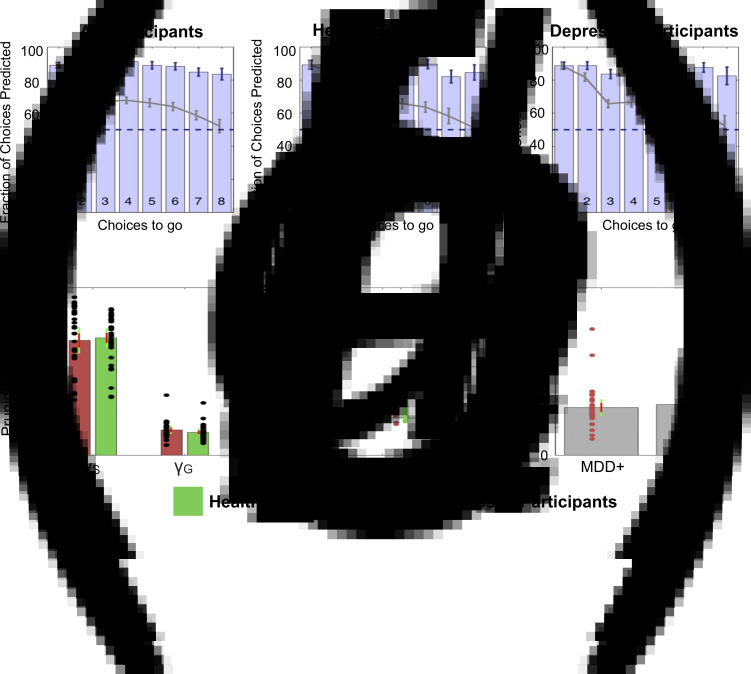
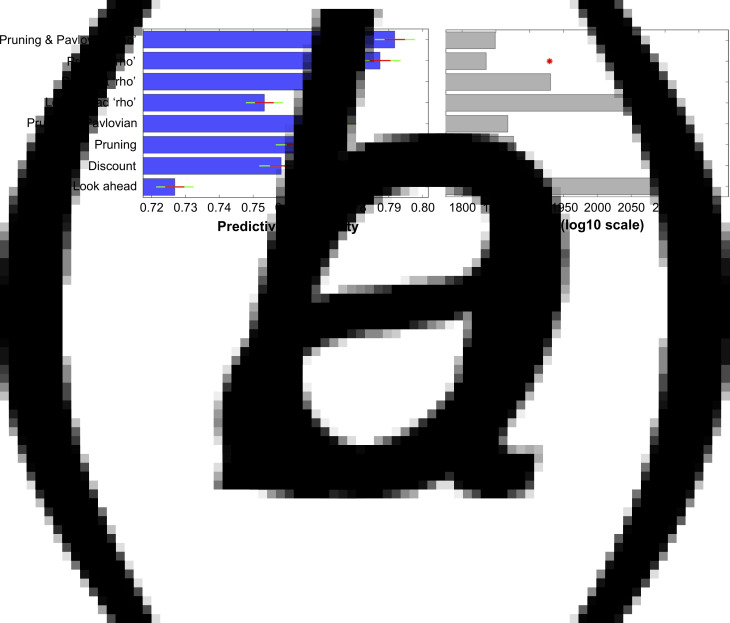
Thirty unmedicated depressed and 31 healthy participants were administered a sequential reinforcement-based decision-making task to determine pruning behaviours, and completed measures of depression and anxiety. Computational, Bayesian and frequentist analyses examined group differences in task performance and relationships between pruning and depressive symptoms.
Consistent with prior findings, participants robustly pruned branches of decision trees that began with large losses, regardless of the potential utility of those branches. However, there was no group difference in pruning behaviours. Further, there was no relationship between pruning and levels of depression/anxiety.
We found no evidence that sub-optimal pruning is evident in depression. Future research could determine whether maladaptive pruning behaviours are observable in specific sub-groups of depressed patients (e.g. in treatment-resistant individuals), or whether misuse of other heuristics may contribute to depression.
现实生活中的决策往往很复杂,因为它们涉及做出一系列会限制未来选择的连续决策。我们之前已经表明,为了使这种多步骤决策易于管理,人们会“修剪”(即有选择地忽略)包含负面结果的决策树分支。我们推测,次优修剪通过促进对导致不良结果的分支进行过度抽样,从而导致对世界的负面偏见估值,进而导致抑郁。然而,尚无研究在抑郁症患者中验证这一理论。
对30名未服药的抑郁症患者和31名健康参与者进行了一项基于连续强化的决策任务,以确定修剪行为,并完成了抑郁和焦虑测量。通过计算、贝叶斯和频率分析,研究了任务表现的组间差异以及修剪与抑郁症状之间的关系。
与先前的研究结果一致,参与者会大量修剪以巨大损失开始的决策树分支,而不管这些分支的潜在效用如何。然而,修剪行为在两组之间没有差异。此外,修剪与抑郁/焦虑水平之间没有关系。
我们没有发现证据表明抑郁症患者存在次优修剪现象。未来的研究可以确定在抑郁症患者的特定亚组(例如难治性个体)中是否可观察到适应不良的修剪行为,或者其他启发式方法的误用是否可能导致抑郁。