Acuña-Hinrichsen Francisca, Covarrubias-Pinto Adriana, Ishizuka Yuta, Stolzenbach María Francisca, Martin Carolina, Salazar Paula, Castro Maite A, Bramham Clive R, Otth Carola
Institute of Clinical Microbiology, Faculty of Medicine, Universidad Austral de Chile, Valdivia, Chile.
Center for Interdisciplinary Studies on the Nervous System (CISNe), Universidad Austral de Chile, Valdivia, Chile.
Front Cell Neurosci. 2021 Feb 23;15:580717. doi: 10.3389/fncel.2021.580717. eCollection 2021.
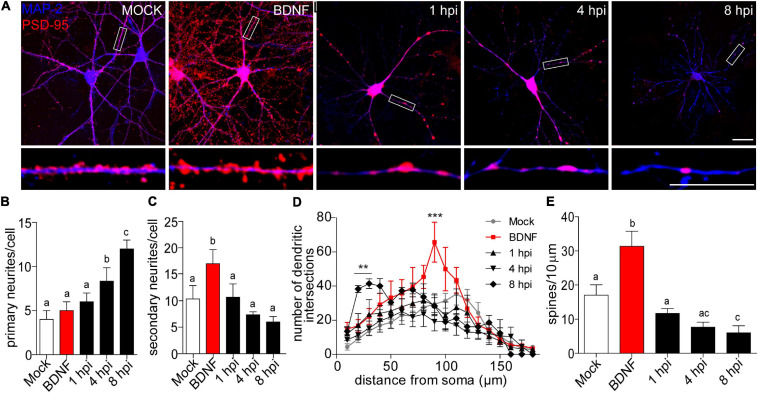
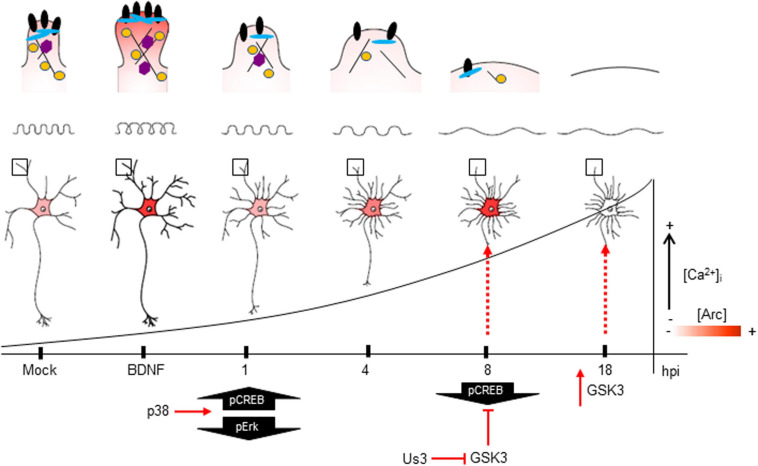
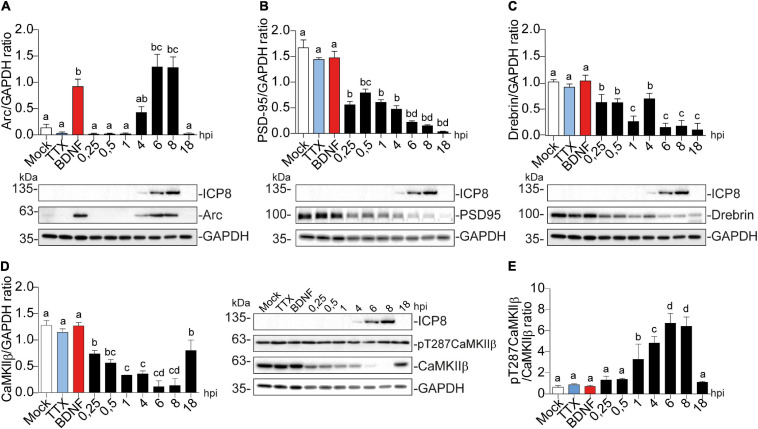
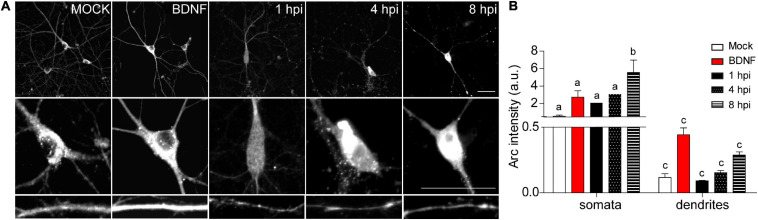
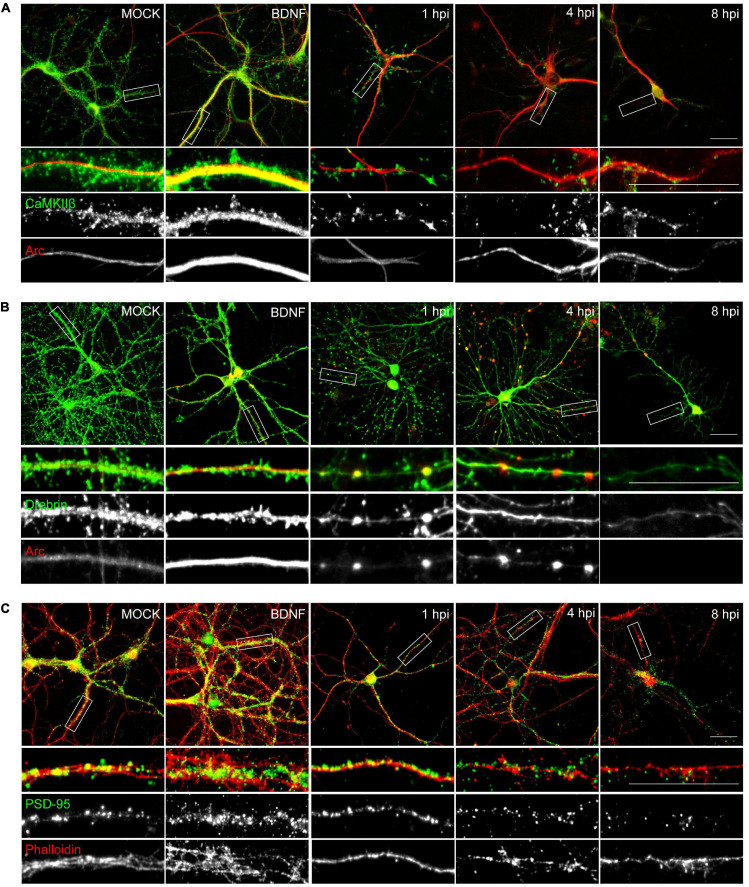
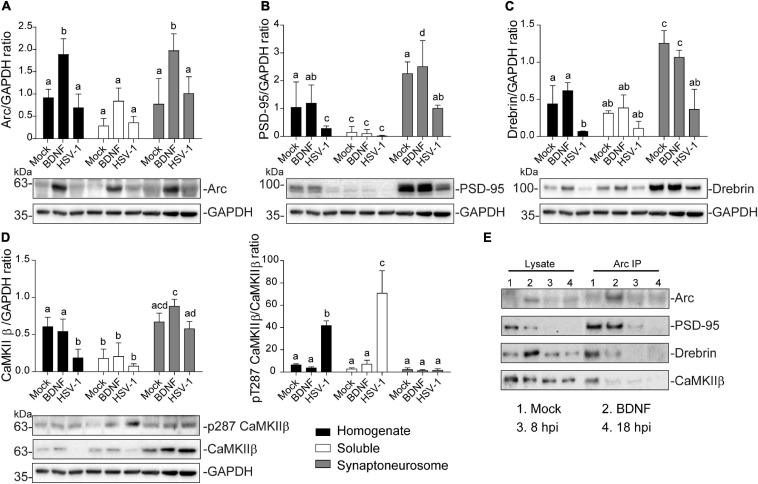
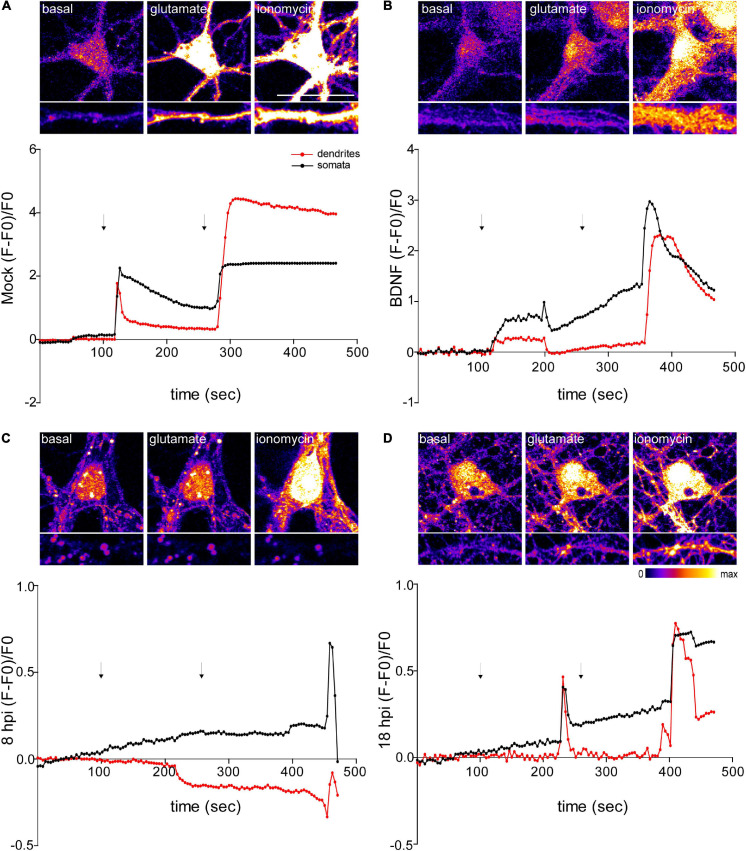
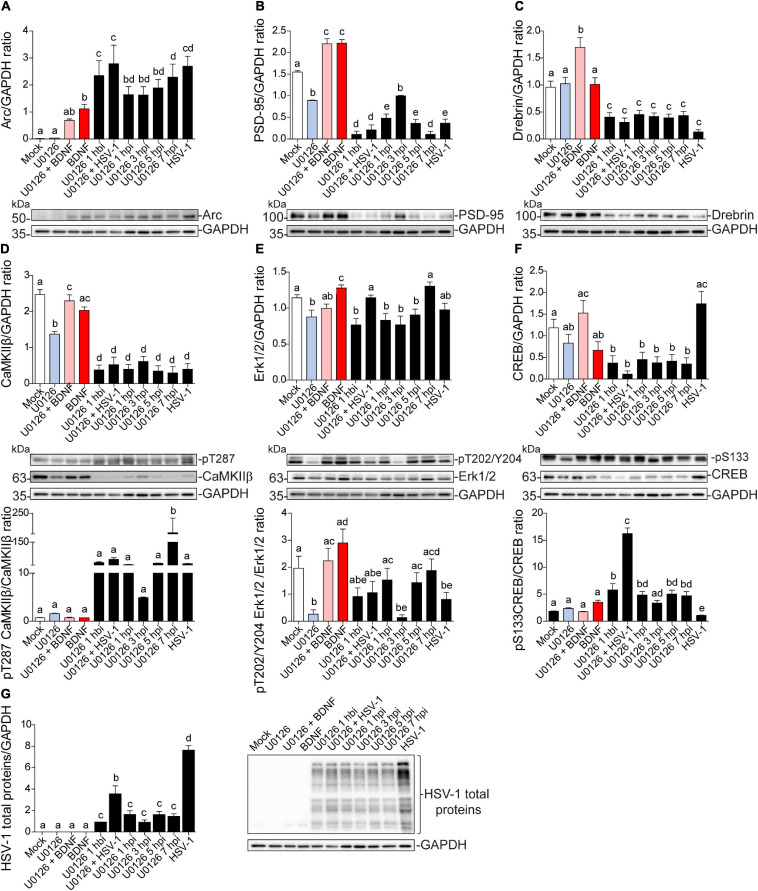
Herpes simplex virus type 1 (HSV-1) is a widespread neurotropic virus. Primary infection of HSV-1 in facial epithelium leads to retrograde axonal transport to the central nervous system (CNS) where it establishes latency. Under stressful conditions, the virus reactivates, and new progeny are transported anterogradely to the primary site of infection. During the late stages of neuronal infection, axonal damage can occur, however, the impact of HSV-1 infection on the morphology and functional integrity of neuronal dendrites during the early stages of infection is unknown. We previously demonstrated that acute HSV-1 infection in neuronal cell lines selectively enhances Arc protein expression - a major regulator of long-term synaptic plasticity and memory consolidation, known for being a protein-interaction hub in the postsynaptic dendritic compartment. Thus, HSV-1 induced Arc expression may alter the functionality of infected neurons and negatively impact dendritic spine dynamics. In this study we demonstrated that HSV-1 infection induces structural disassembly and functional deregulation in cultured cortical neurons, an altered glutamate response, Arc accumulation within the somata, and decreased expression of spine scaffolding-like proteins such as PSD-95, Drebrin and CaMKIIβ. However, whether these alterations are specific to the HSV-1 infection mechanism or reflect a secondary neurodegenerative process remains to be determined.
单纯疱疹病毒1型(HSV-1)是一种广泛传播的嗜神经病毒。HSV-1在面部上皮的原发性感染会导致逆行轴突运输至中枢神经系统(CNS),并在那里建立潜伏状态。在应激条件下,病毒重新激活,新的子代病毒会顺行运输至原发性感染部位。然而,在神经元感染的晚期阶段可能会发生轴突损伤,而HSV-1感染在感染早期对神经元树突的形态和功能完整性的影响尚不清楚。我们之前证明,神经元细胞系中的急性HSV-1感染会选择性增强Arc蛋白表达——Arc是长期突触可塑性和记忆巩固的主要调节因子,以作为突触后树突区室中的蛋白质相互作用中心而闻名。因此,HSV-1诱导的Arc表达可能会改变受感染神经元的功能,并对树突棘动力学产生负面影响。在本研究中,我们证明HSV-1感染会诱导培养的皮质神经元发生结构解体和功能失调、谷氨酸反应改变、Arc在胞体中积累,以及降低诸如PSD-95、Drebrin和CaMKIIβ等棘突支架样蛋白的表达。然而,这些改变是HSV-1感染机制所特有的,还是反映了继发性神经退行性过程,仍有待确定。