Leliso Shubisa Abera, Bari Fufa Dawo, Chibssa Tesfaye Rufael
National Animal Health Diagnostic and Investigation Center (Nahdic), Sebeta, Ethiopia.
Addis Ababa University College of Veterinary Medicine and Agriculture Department of Microbiology, Immunology and Veterinary Public Health, Bishoftu, Ethiopia.
Vet Med Int. 2021 Feb 4;2021:8862180. doi: 10.1155/2021/8862180. eCollection 2021.
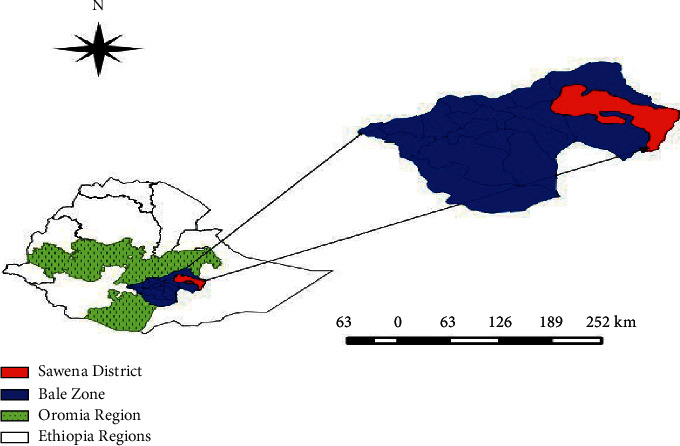
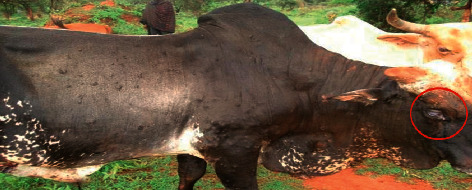
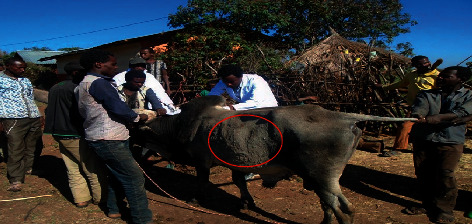
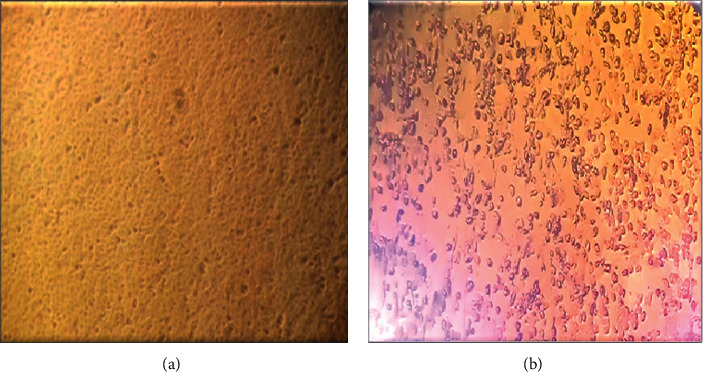
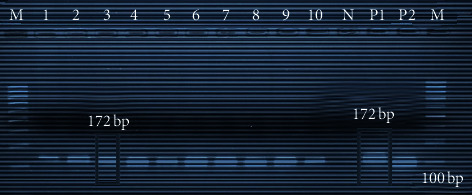
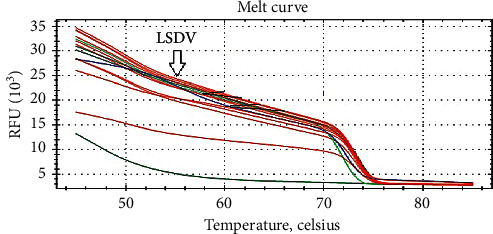
Lumpy skin disease (LSD) is a viral disease caused by LSD virus and is one of the most economically significant transboundary and emerging diseases of cattle. LSD causes considerable economic losses due to emaciation, damage to hides, infertility, and loss of milk production. In Ethiopia, the disease is distributed almost in all regions and is regarded as one of the most economically important livestock diseases in the country. An outbreak investigation of the disease was monitored from October 2016 to April 2017 in southern pastoral areas of Bale Zone, Oromia, Ethiopia. In December 2016, LSD outbreak occurred in Sawena district of Bale Zone, from which necessary biopsy samples were collected from actively infected animals for the purpose of virus isolation, and characterization using different molecular techniques at National Animal Health and Diagnostic Investigation Center (NAHDIC) of Sebeta, Ethiopia. In addition, clinical examination of infected and in-contact animals was carried out together with a questionnaire survey. Based on the clinical manifestations, LSD was recorded in 18% (94/522) of examined cattle, whereas biopsy samples from 20 clinically positive animals were collected for further laboratory process. The morbidity rate was higher in animals less than two years 28.97% (31/107) than other ages and showed a statistically significant difference with < 0.05. Female animals showed higher morbidity rate of 20.59% (76/369) than male animals (11.76%) (18/153) with a significant difference at ≤ 0.003. Mortality rate and case fatality were also significantly higher in young animals than other age groups. Viruses were isolated from both skin biopsies and nasal swabs on Vero cell line. From both skin biopsies and nasal swabs, the virus DNA was identified by amplifying the 172 bp DNA fragment using real-time and conventional PCR. Providing adequate diagnostic facilities, establishing strategic policies for effective control and eradication and awareness creations for communities for early identification or reporting were recommendations made to minimize economic losses of the disease.
结节性皮肤病(LSD)是一种由结节性皮肤病病毒引起的病毒性疾病,是牛类最具经济重要性的跨境和新出现疾病之一。结节性皮肤病由于消瘦、皮革受损、不育和产奶量下降而造成相当大的经济损失。在埃塞俄比亚,该病几乎分布于所有地区,被视为该国最具经济重要性的家畜疾病之一。2016年10月至2017年4月,在埃塞俄比亚奥罗米亚州巴勒区南部牧区对该病进行了疫情调查。2016年12月,巴勒区索韦纳区爆发了结节性皮肤病,从活跃感染动物身上采集了必要的活检样本,以便在埃塞俄比亚塞贝塔的国家动物卫生和诊断调查中心(NAHDIC)进行病毒分离,并使用不同的分子技术进行鉴定。此外,还对感染动物和接触动物进行了临床检查,并开展了问卷调查。根据临床表现,在检查的牛中,18%(94/522)被记录为患有结节性皮肤病,而从20只临床阳性动物身上采集了活检样本用于进一步的实验室检测。两岁以下动物的发病率为28.97%(31/107),高于其他年龄段,且差异具有统计学意义(<0.05)。雌性动物的发病率为20.59%(76/369),高于雄性动物(11.76%)(18/153),差异具有显著性(≤0.003)。幼龄动物的死亡率和病死率也显著高于其他年龄组。在Vero细胞系上从皮肤活检样本和鼻拭子中均分离出病毒。通过实时和常规PCR扩增172bp DNA片段,从皮肤活检样本和鼻拭子中均鉴定出病毒DNA。建议提供充足的诊断设施,制定有效的控制和根除战略政策,并提高社区的认识以实现早期识别或报告,以尽量减少该病的经济损失。