Center for Global Infectious Disease Research, Seattle Children's Research Institute, Seattle, WA 98109, USA; Department of Pediatrics, University of Washington, Seattle, WA 98195, USA.
Center for Global Infectious Disease Research, Seattle Children's Research Institute, Seattle, WA 98109, USA.
Cell Host Microbe. 2021 Apr 14;29(4):594-606.e6. doi: 10.1016/j.chom.2021.02.005. Epub 2021 Mar 11.
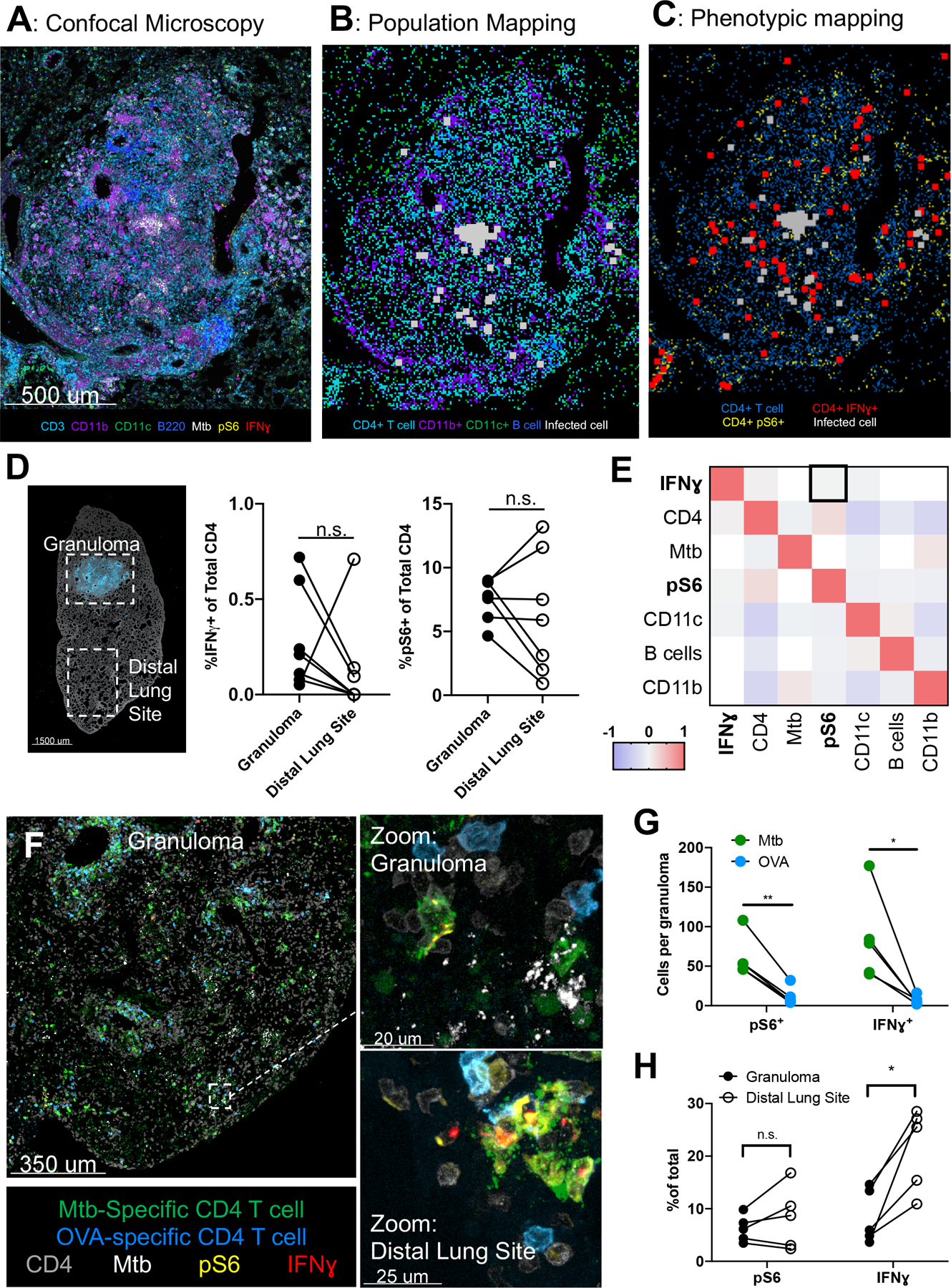
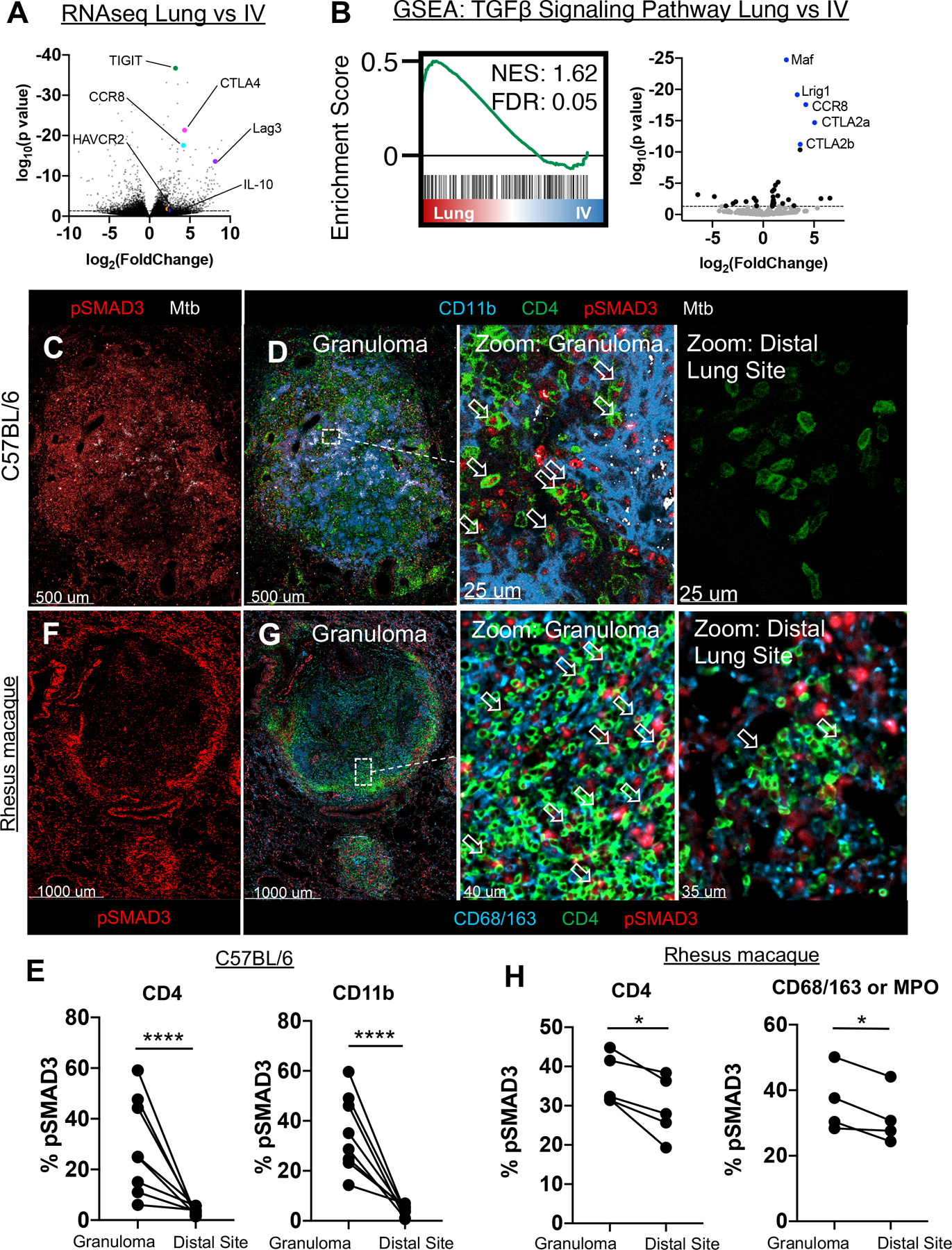
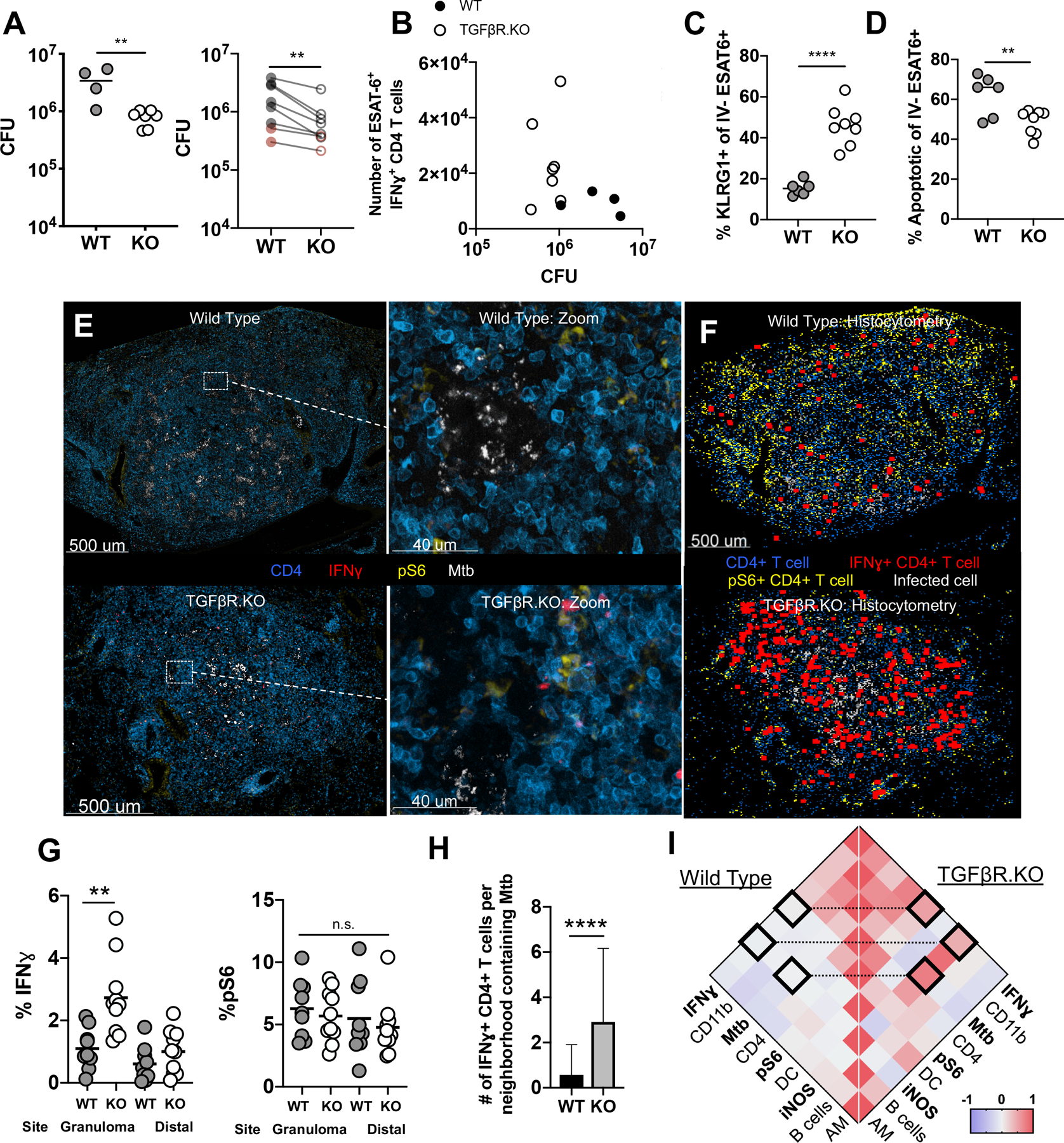
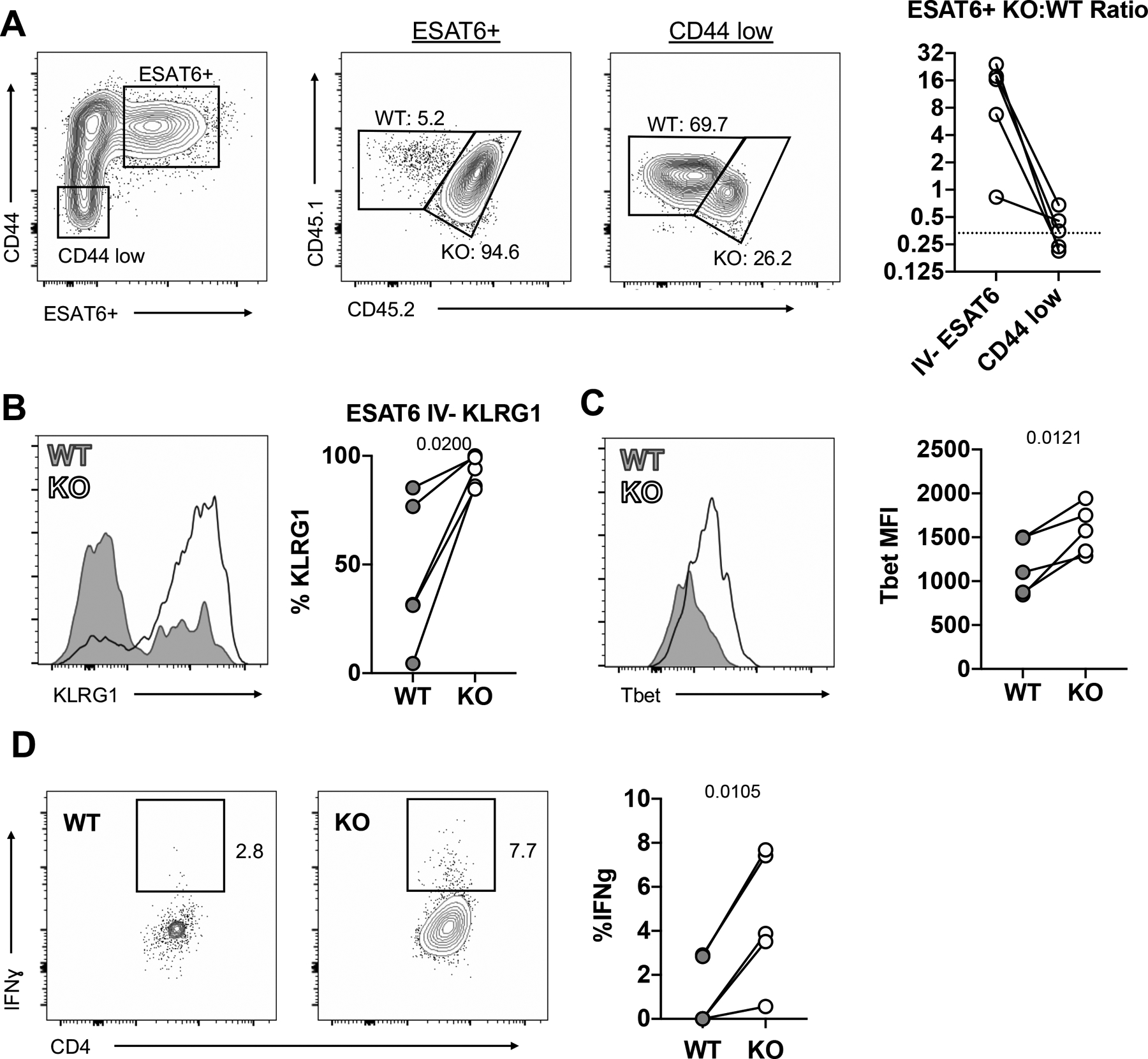
CD4 T cell effector function is required for optimal containment of Mycobacterium tuberculosis (Mtb) infection. IFNɣ produced by CD4 T cells is a key cytokine that contributes to protection. However, lung-infiltrating CD4 T cells have a limited ability to produce IFNɣ, and IFNɣ plays a lesser protective role within the lung than at sites of Mtb dissemination. In a murine infection model, we observed that IFNɣ production by Mtb-specific CD4 T cells is rapidly extinguished within the granuloma but not within unaffected lung regions, suggesting localized immunosuppression. We identified a signature of TGFβ signaling within granuloma-infiltrating T cells in both mice and rhesus macaques. Selective blockade of TGFβ signaling in T cells resulted in an accumulation of terminally differentiated effector CD4 T cells, improved IFNɣ production within granulomas, and reduced bacterial burdens. These findings uncover a spatially localized immunosuppressive mechanism associated with Mtb infection and provide potential targets for host-directed therapy.
CD4 T 细胞效应功能对于控制结核分枝杆菌(Mtb)感染至关重要。CD4 T 细胞产生的 IFNγ是一种关键的细胞因子,有助于保护。然而,肺浸润的 CD4 T 细胞产生 IFNγ的能力有限,并且 IFNγ在肺部的保护作用不如在 Mtb 传播部位。在小鼠感染模型中,我们观察到 Mtb 特异性 CD4 T 细胞的 IFNγ产生在肉芽肿内迅速消失,但在未受影响的肺区域内没有消失,这表明存在局部免疫抑制。我们在小鼠和恒河猴的肉芽肿浸润 T 细胞中鉴定到 TGFβ 信号的特征。T 细胞中 TGFβ 信号的选择性阻断导致终末分化效应 CD4 T 细胞的积累,改善了肉芽肿内 IFNγ的产生,并减少了细菌负荷。这些发现揭示了与 Mtb 感染相关的空间局部免疫抑制机制,并为宿主定向治疗提供了潜在的靶点。