Johnson Kristen A, Radhakrishnan Arun
Department of Molecular Genetics, University of Texas Southwestern Medical Center, Dallas, TX, United States.
Department of Molecular Genetics, University of Texas Southwestern Medical Center, Dallas, TX, United States.
Methods Enzymol. 2021;649:543-566. doi: 10.1016/bs.mie.2021.01.011. Epub 2021 Feb 16.
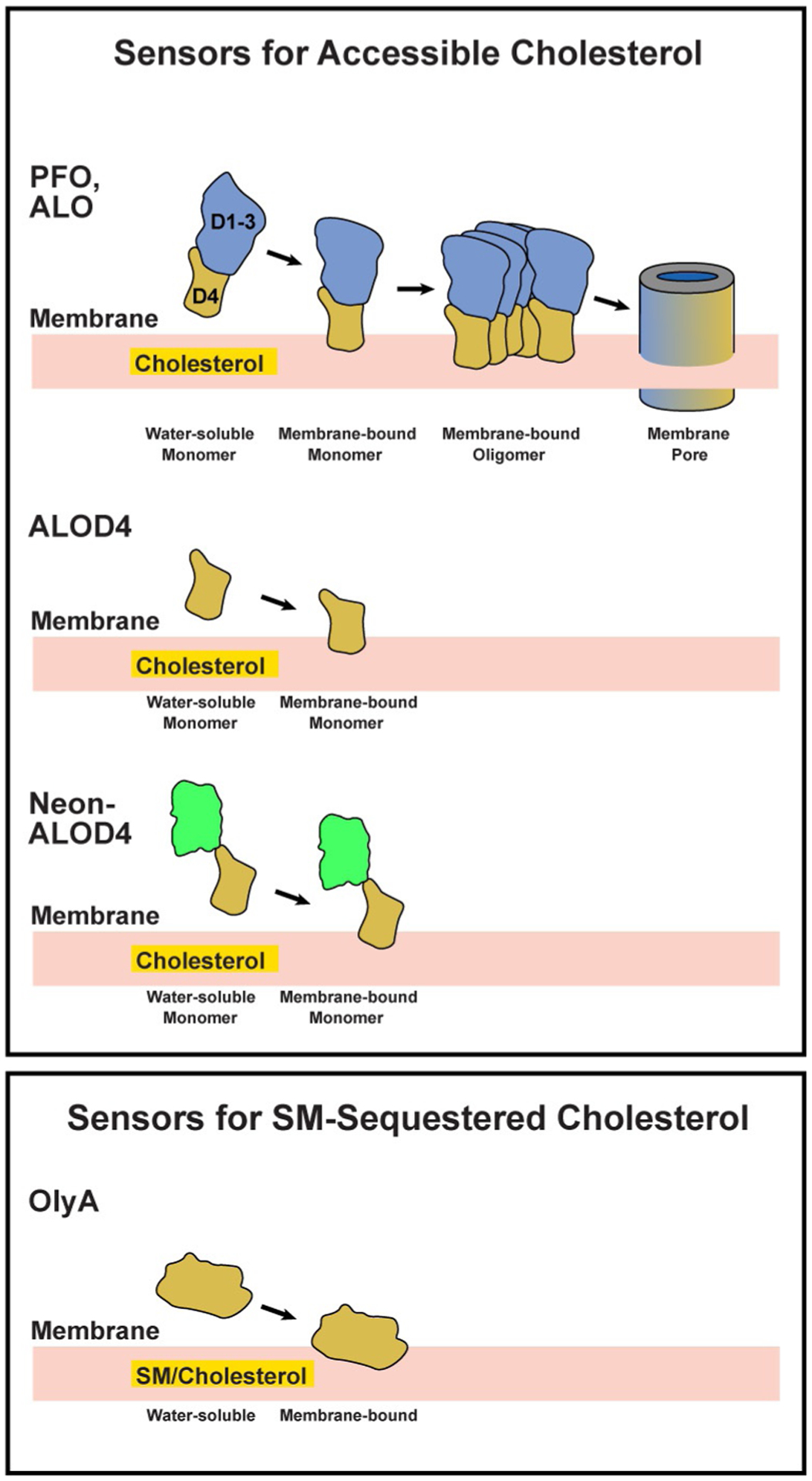
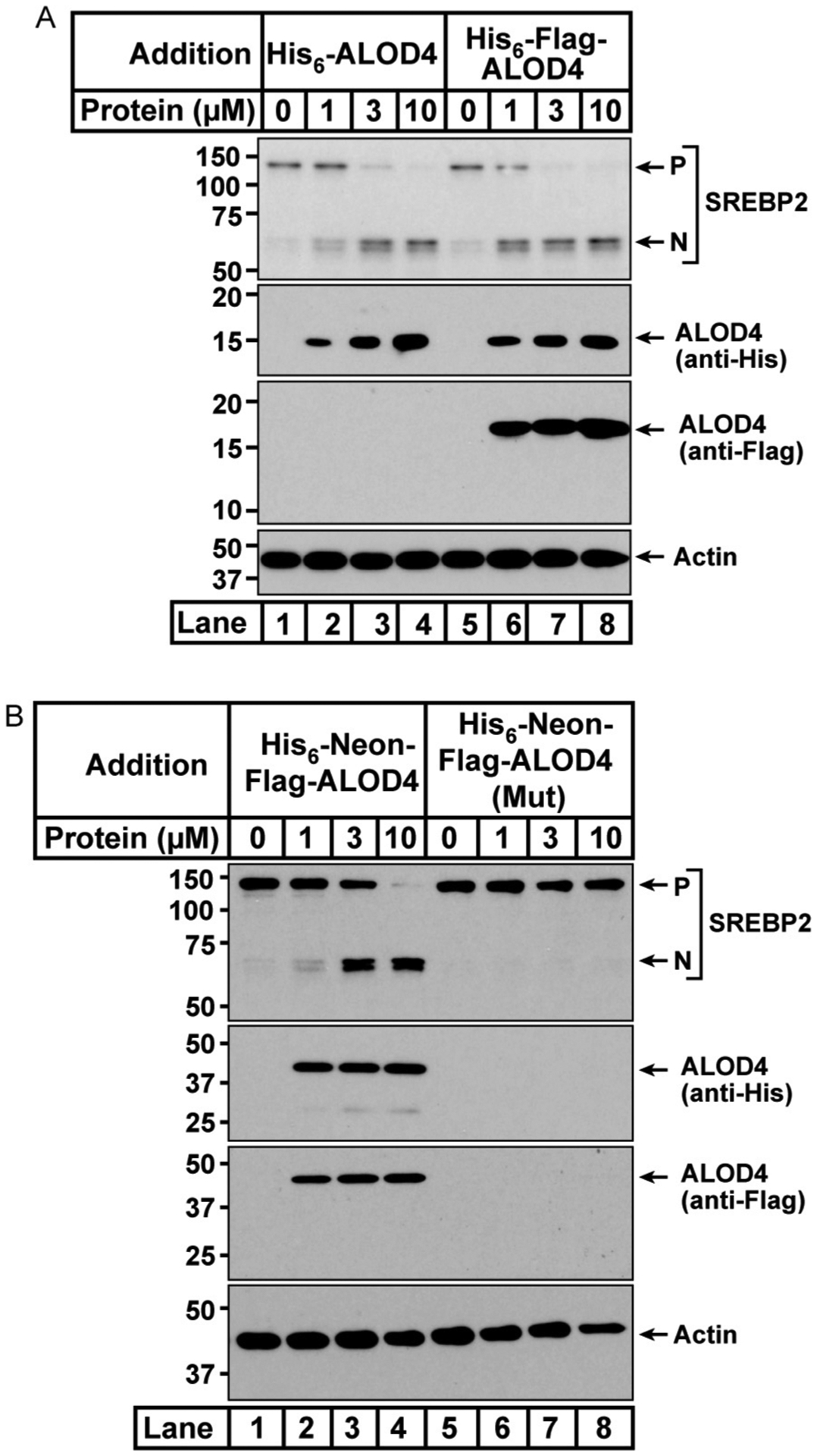
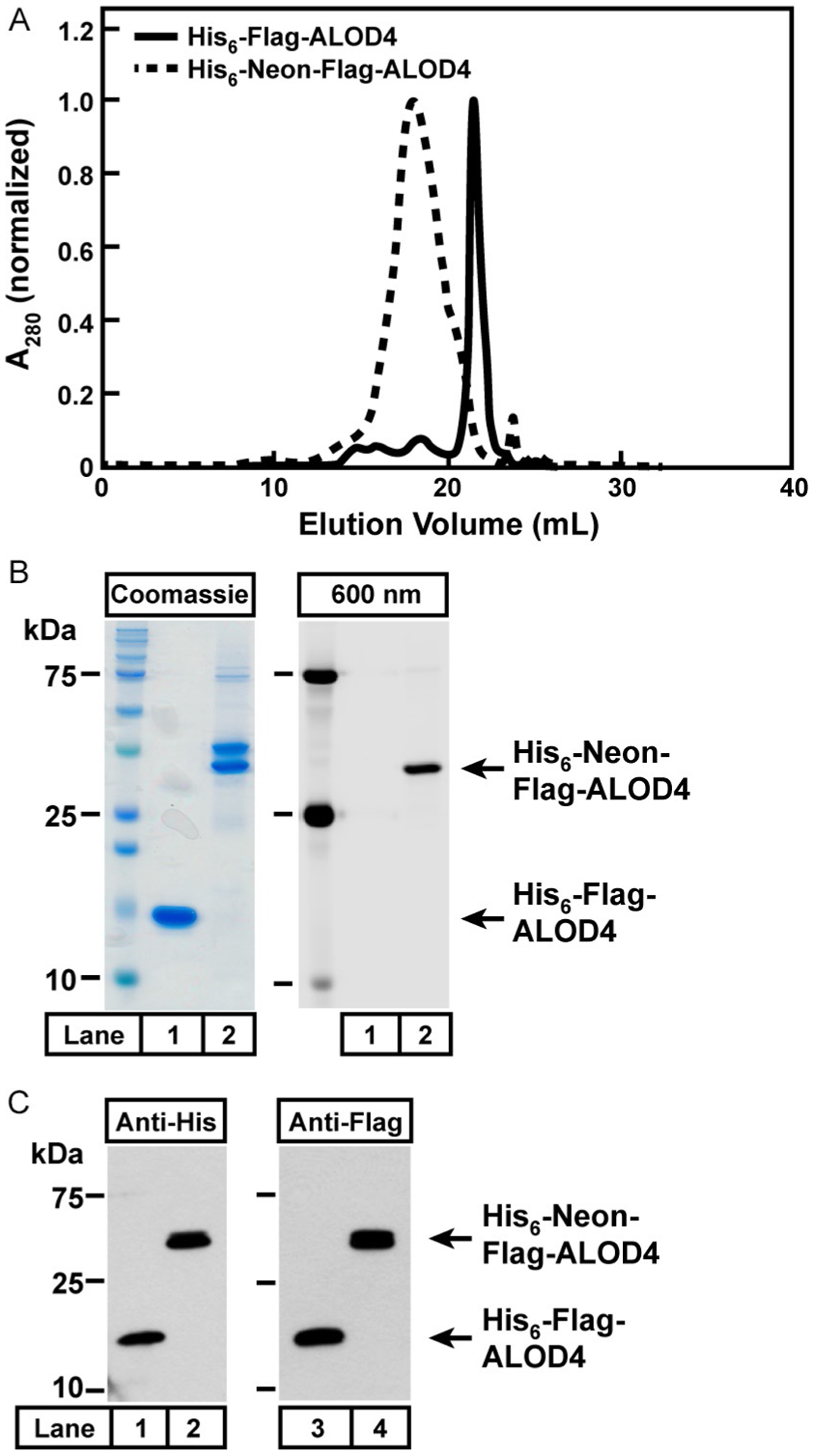
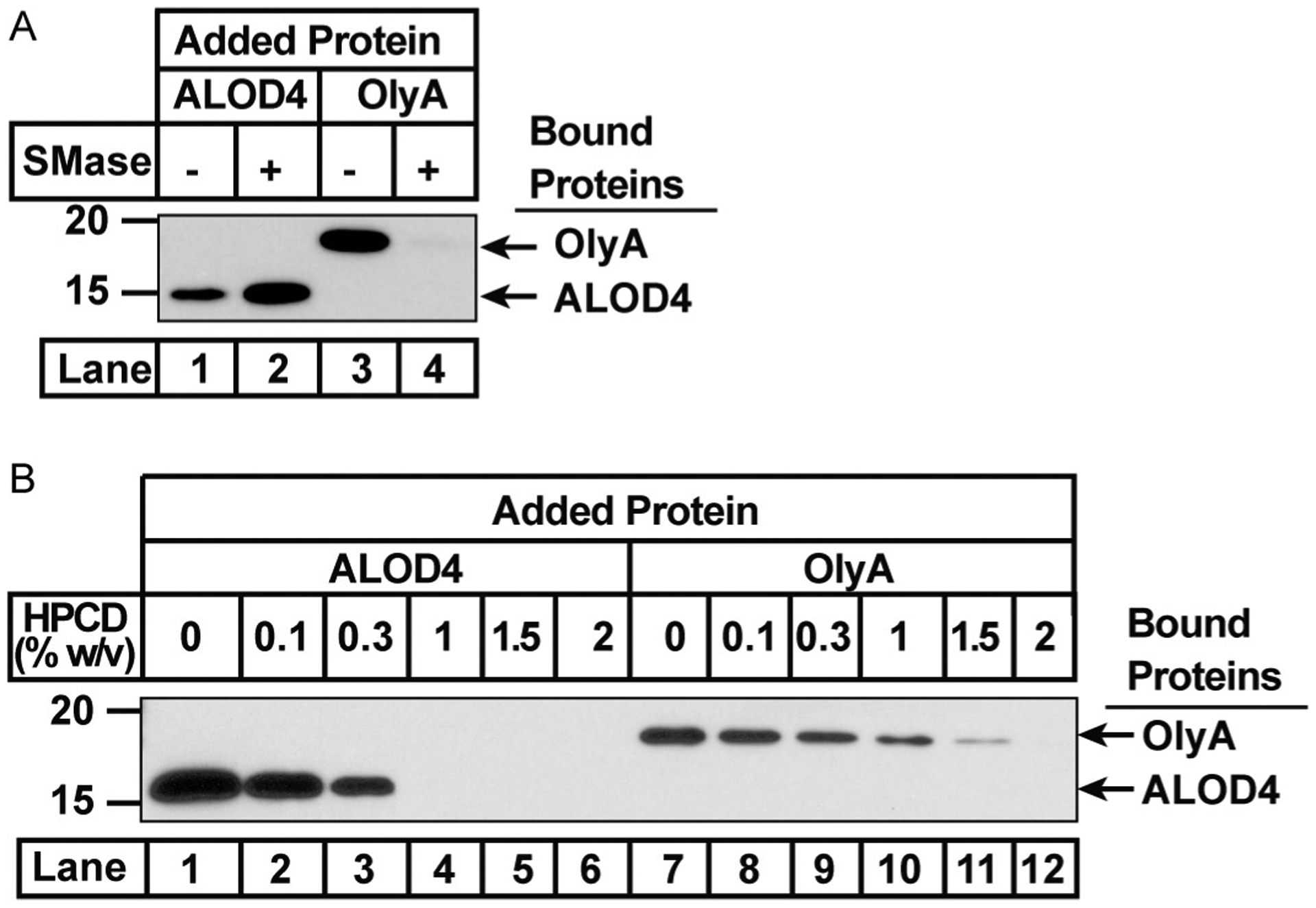
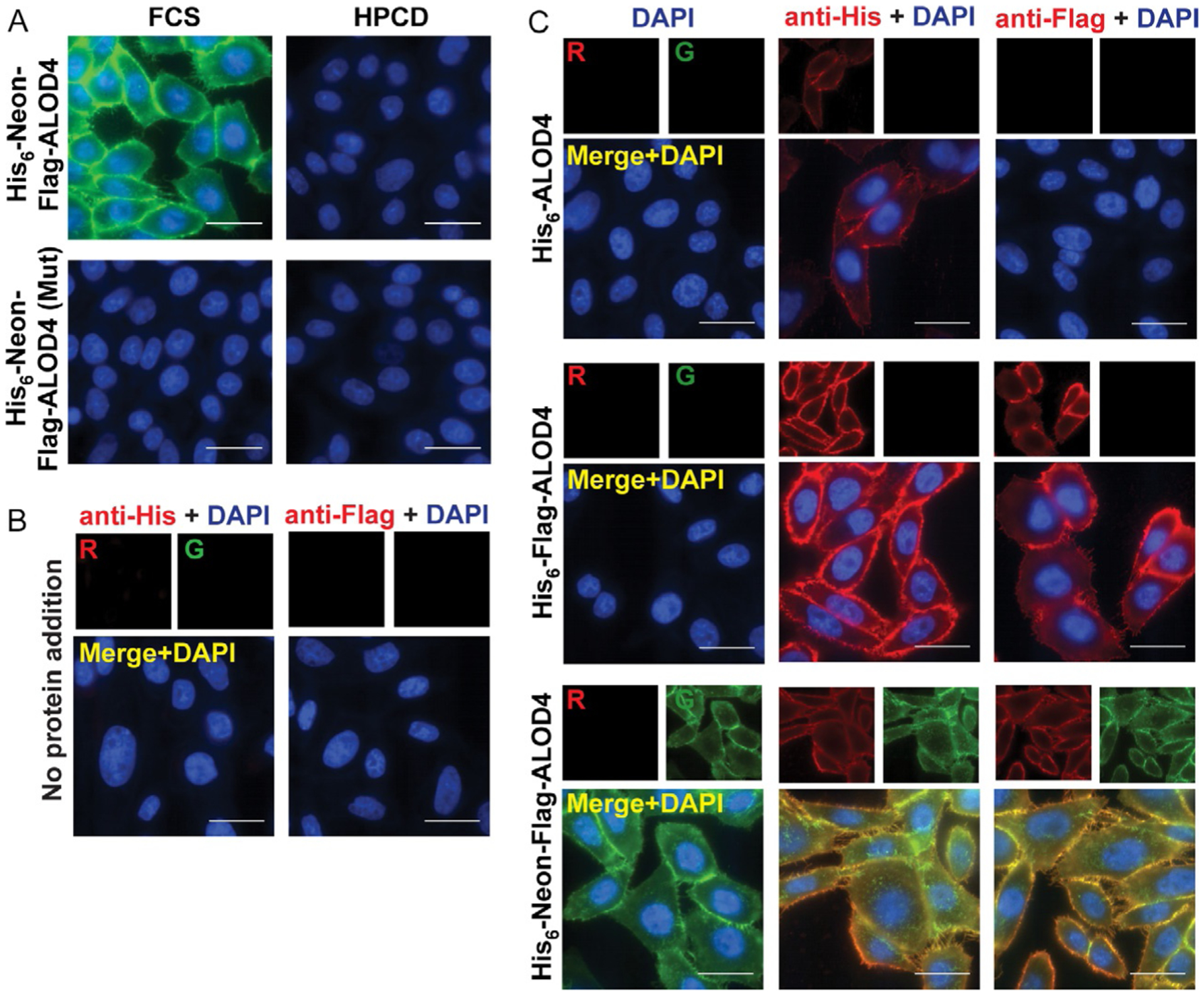
Cholesterol is a major component of the plasma membranes (PMs) of animal cells, comprising 35-40mol% of total PM lipids. Recent studies using cholesterol-binding bacterial toxins such as domain 4 of Anthrolysin O (ALOD4) and fungal toxins such as Ostreolysin A (OlyA) have revealed new insights into the organization of PM cholesterol. These studies have defined three distinct pools of PM cholesterol-a fixed pool that is essential for membrane integrity, a sphingomyelin (SM)-sequestered pool that can be detected by OlyA, and a third pool that is accessible and can be detected by ALOD4. Accessible cholesterol is available to interact with proteins and transport to the endoplasmic reticulum (ER), and controls many cellular signaling processes including cholesterol homeostasis, Hedgehog signaling, and bacterial and viral infection. Here, we provide detailed descriptions for the use of ALOD4 and OlyA, both of which are soluble and non-lytic proteins, to study cholesterol organization in the PMs of animal cells. Furthermore, we describe two new versions of ALOD4 that we have developed to increase the versatility of this probe in cellular studies. One is a dual His and FLAG epitope-tagged version and the other is a fluorescent version where ALOD4 is fused to Neon, a monomeric fluorescent protein. These new forms of ALOD4 together with previously described OlyA provide an expanded collection of tools to sense, visualize, and modulate levels of accessible and SM-sequestered cholesterol on PMs and study the role of these cholesterol pools in diverse membrane signaling events.
胆固醇是动物细胞质膜(PMs)的主要成分,占PM总脂质的35 - 40摩尔%。最近使用胆固醇结合细菌毒素(如溶血素O的结构域4,ALOD4)和真菌毒素(如牡蛎溶血素A,OlyA)的研究揭示了关于PM胆固醇组织的新见解。这些研究定义了PM胆固醇的三个不同池——对膜完整性至关重要的固定池、可被OlyA检测到的鞘磷脂(SM)隔离池以及可被ALOD4检测到的可及池。可及胆固醇可与蛋白质相互作用并转运至内质网(ER),并控制许多细胞信号传导过程,包括胆固醇稳态、刺猬信号通路以及细菌和病毒感染。在这里,我们详细描述了使用ALOD4和OlyA(两者均为可溶性且非裂解性蛋白质)来研究动物细胞PM中胆固醇组织的方法。此外,我们描述了我们开发的两个新版本的ALOD4,以增加该探针在细胞研究中的通用性。一个是双组氨酸和FLAG表位标签版本,另一个是荧光版本,其中ALOD4与单体荧光蛋白Neon融合。这些新形式的ALOD4与先前描述的OlyA一起提供了一系列扩展工具,用于感知、可视化和调节PM上可及和SM隔离胆固醇的水平,并研究这些胆固醇池在各种膜信号事件中的作用。