Vella Danila, Monteleone Alessandra, Musotto Giulio, Bosi Giorgia Maria, Burriesci Gaetano
Bioengineering Unit, Ri. MED Foundation, Palermo, Italy.
Department of Mechanical Engineering, University of Palermo, Palermo, Italy.
Front Bioeng Biotechnol. 2021 Feb 26;9:586041. doi: 10.3389/fbioe.2021.586041. eCollection 2021.
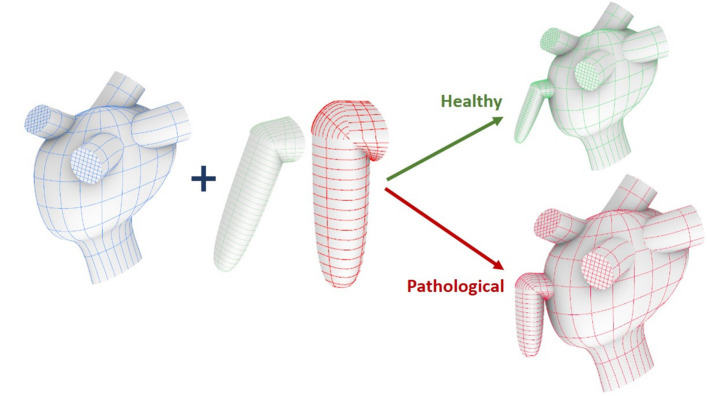
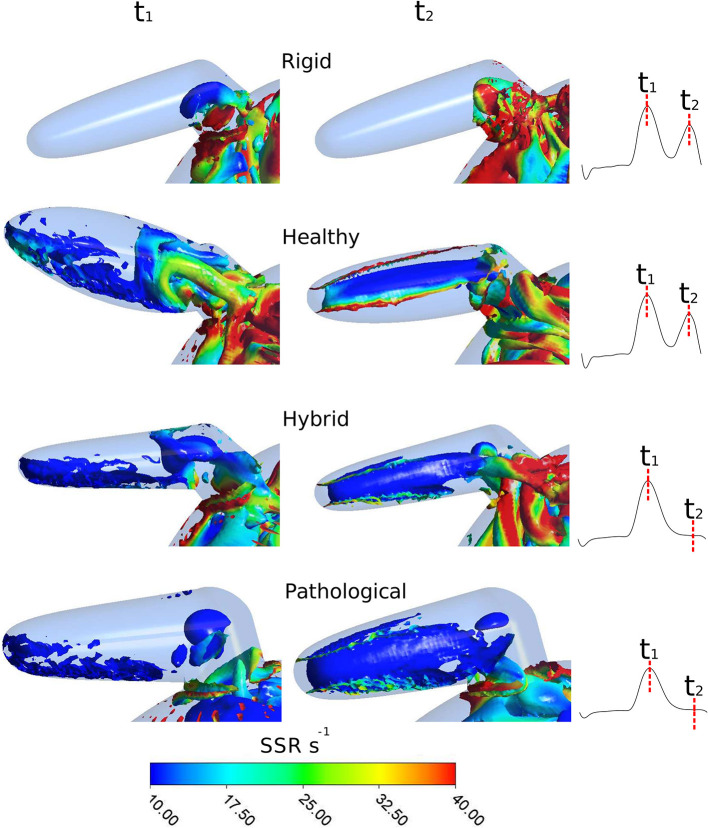
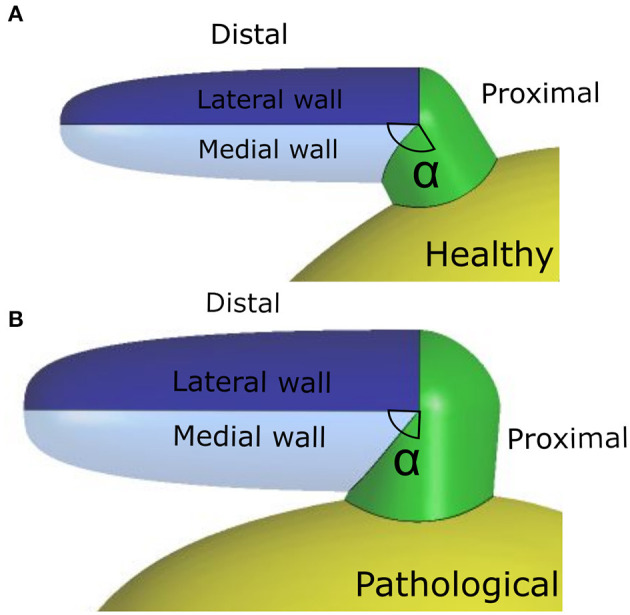
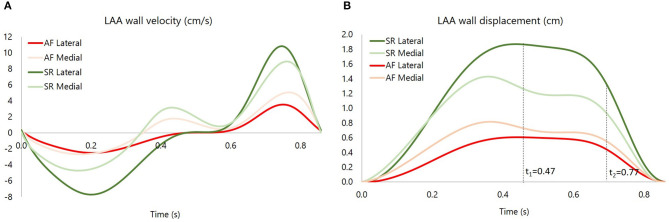
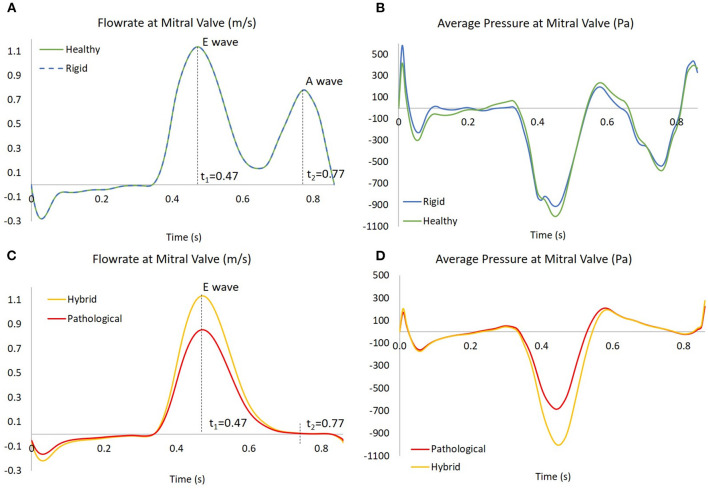
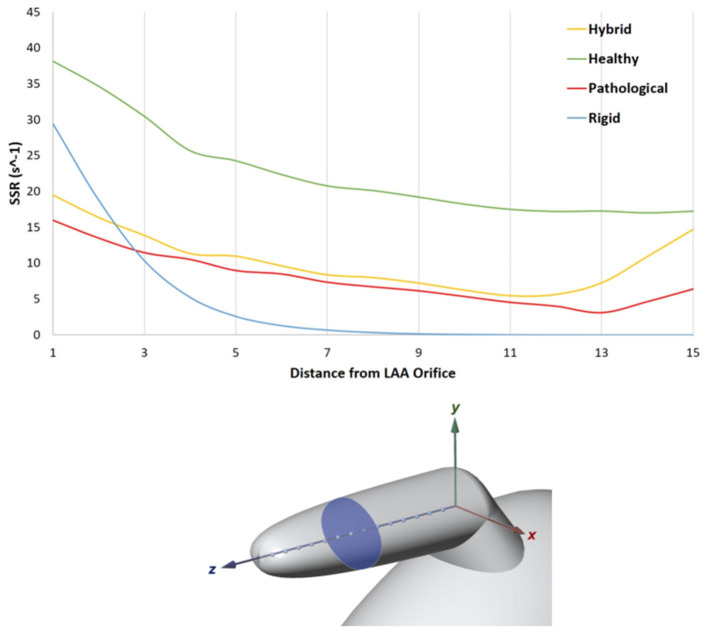
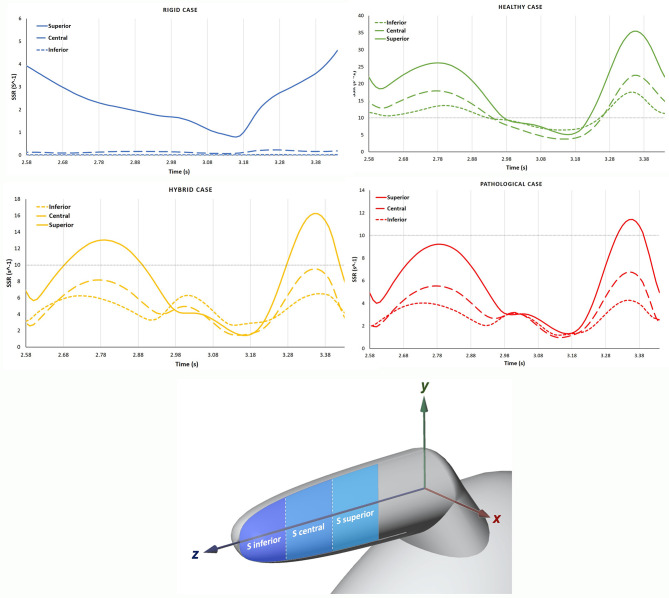
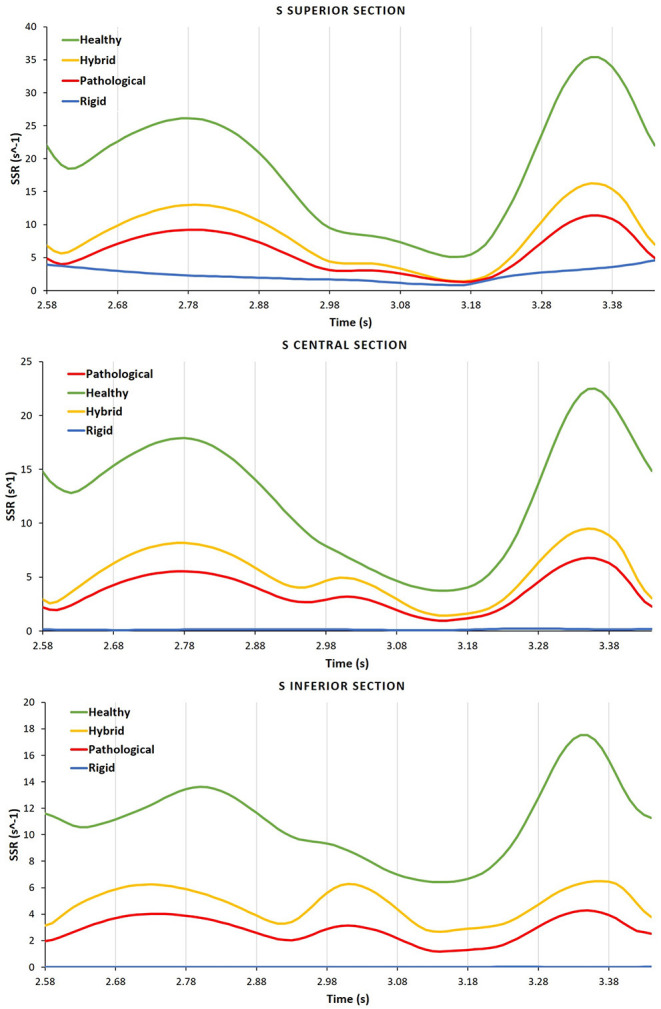
Atrial fibrillation () is a common arrhythmia mainly affecting the elderly population, which can lead to serious complications such as stroke, ischaemic attack and vascular dementia. These problems are caused by thrombi which mostly originate in the left atrial appendage (), a small muscular sac protruding from left atrium. The abnormal heart rhythm associated with results in alterations in the heart muscle contractions and in some reshaping of the cardiac chambers. This study aims to verify if and how these physiological changes can establish hemodynamic conditions in the promoting thrombus formation, by means of computational fluid dynamic (CFD) analyses. In particular, sinus and fibrillation contractility was replicated by applying wall velocity/motion to models based on healthy and dilated idealized shapes of the left atrium with a common morphology. The models were analyzed and compared in terms of shear strain rate () and vorticity, which are hemodynamic parameters directly associated with thrombogenicity. The study clearly indicates that the alterations in contractility and morphology associated with pathologies play a primary role in establishing hemodynamic conditions which promote higher incidence of ischaemic events, consistently with the clinical evidence. In particular, in the analyzed models, the impairment in contractility determined a decrease in SSR of about 50%, whilst the chamber pathological dilatation contributed to a 30% reduction, indicating increased risk of clot formation. The equivalent rigid wall model was characterized by SSR values about one order of magnitude smaller than in the contractile models, and substantially different vortical behavior, suggesting that analyses based on rigid chambers, although common in the literature, are inadequate to provide realistic results on the hemodynamics.
心房颤动(AF)是一种主要影响老年人群的常见心律失常,可导致严重并发症,如中风、缺血性发作和血管性痴呆。这些问题是由血栓引起的,血栓大多起源于左心耳(LAA),即从左心房突出的一个小肌肉囊。与AF相关的异常心律会导致心肌收缩改变以及心腔的一些重塑。本研究旨在通过计算流体动力学(CFD)分析来验证这些生理变化是否以及如何在AF中建立促进血栓形成的血流动力学条件。具体而言,通过将壁速度/运动应用于基于具有常见LAA形态的健康和扩张理想化左心房形状的模型,来复制窦性和颤动收缩性。对模型进行分析并比较剪切应变率(SSR)和涡度,这是与血栓形成直接相关的血流动力学参数。该研究清楚地表明,与AF病理相关的收缩性和形态改变在建立促进缺血事件发生率更高的血流动力学条件中起主要作用,这与临床证据一致。特别是,在分析的模型中,收缩性受损导致SSR降低约50%,而心腔病理扩张导致降低30%,表明血栓形成风险增加。等效刚性壁模型的特点是SSR值比收缩性模型小约一个数量级,并且涡旋行为有很大不同,这表明基于刚性腔室的分析虽然在文献中很常见,但不足以提供关于AF血流动力学的实际结果。