Eremichev Roman, Kulebyakina Maria, Alexandrushkina Nataliya, Nimiritsky Peter, Basalova Nataliya, Grigorieva Olga, Egiazaryan Mane, Dyikanov Daniyar, Tkachuk Vsevolod, Makarevich Pavel
Medical Research and Education Center, Institute for Regenerative Medicine, Lomonosov Moscow State University, Moscow, Russia.
Faculty of Medicine, Lomonosov Moscow State University, Moscow, Russia.
Front Cell Dev Biol. 2021 Feb 25;9:616893. doi: 10.3389/fcell.2021.616893. eCollection 2021.
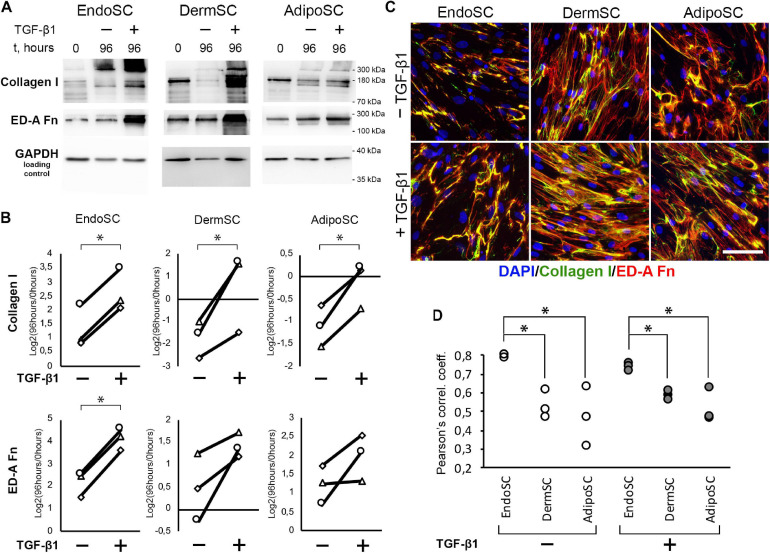
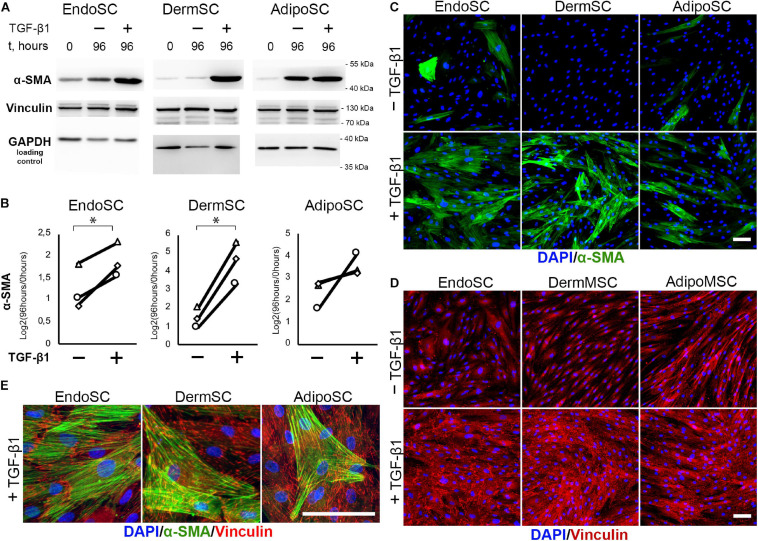
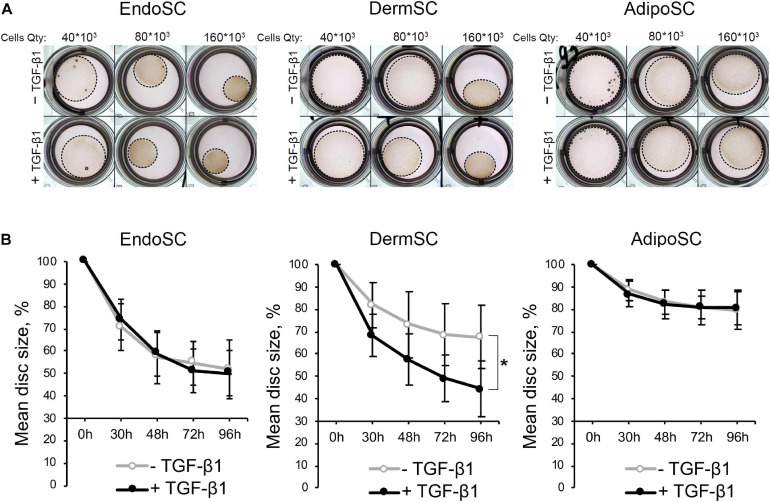
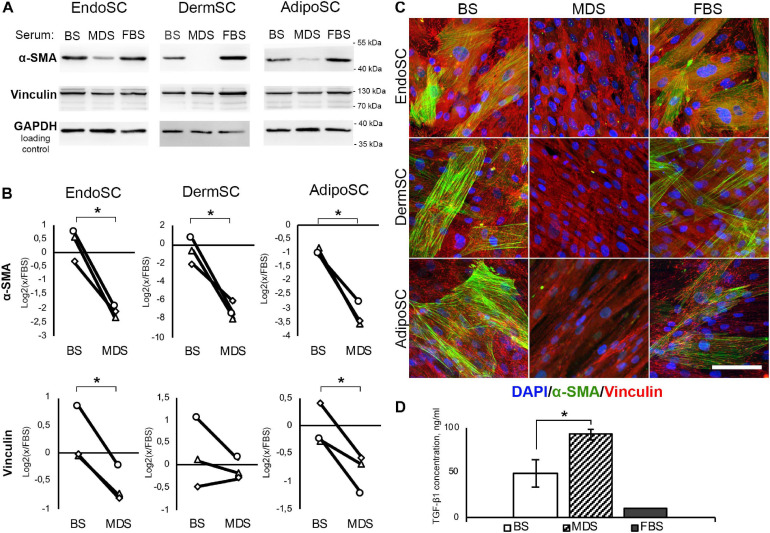
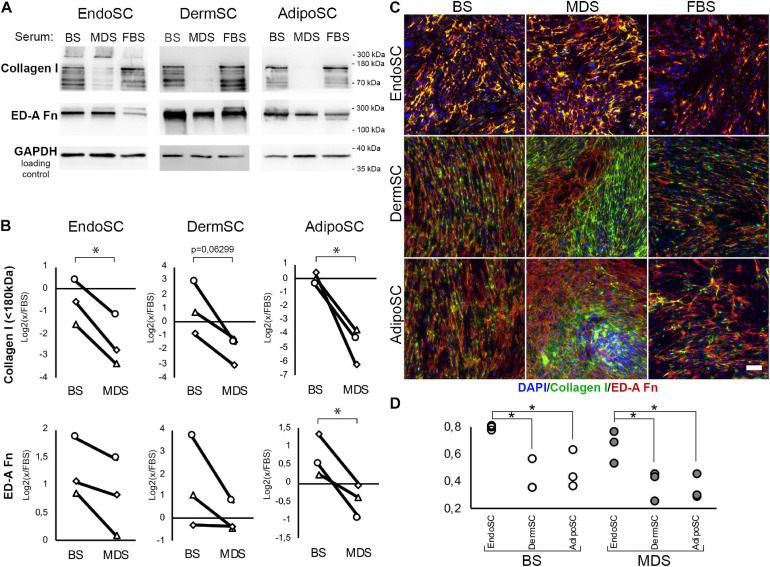
Besides certain exceptions, healing of most tissues in the human body occurs formation of scar tissue, rather than restoration of lost structures. After extensive acute injuries, this phenomenon substantially limits the possibility of lost function recovery and, in case of chronic injury, it leads to pathological remodeling of organs affected. Managing outcomes of damaged tissue repair is one of the main objectives of regenerative medicine. The first priority for reaching it is comparative investigation of mechanisms responsible for complete restoration of damaged tissues and mechanisms of scarring. However, human body tissues that undergo complete scar-free healing are scarce. The endometrium is a unique mucous membrane in the human body that heals without scarring after various injuries, as well as during each menstrual cycle (i.e., up to 400 times during a woman's life). We hypothesized that absence of scarring during endometrial healing may be associated with tissue-specific features of its stromal cells (SCs) or their microenvironment, since SCs transform into myofibroblasts-the main effector link of scarring. We found that during healing of the endometrium, soluble factors are formed that inhibit the transition of SCs into myofibroblasts. Without influence of these factors, the SCs of the endometrium undergo transformation into myofibroblasts after transforming growth factor β1 (TGF-β1) treatment as well as the SCs from tissues that heal by scarring-skin or fat. However, unlike the latter, endometrial SCs organize extracellular matrix (ECM) in a specific way and are not prone to formation of bulky connective tissue structures. Thus, we may suggest that tissue-specific features of endometrial SCs along with effects of soluble factors secreted during menstruation ensure scar-free healing of human endometrium.
除某些例外情况外,人体大多数组织的愈合是通过形成瘢痕组织来实现的,而非恢复已丧失的结构。在遭受广泛的急性损伤后,这种现象极大地限制了功能丧失恢复的可能性,而在慢性损伤的情况下,它会导致受影响器官的病理性重塑。控制受损组织修复的结果是再生医学的主要目标之一。实现这一目标的首要任务是对负责受损组织完全恢复的机制和瘢痕形成机制进行比较研究。然而,能够实现完全无瘢痕愈合的人体组织非常稀少。子宫内膜是人体中一种独特的黏膜组织,在经历各种损伤后以及每个月经周期(即女性一生中多达400次)都能无瘢痕愈合。我们推测,子宫内膜愈合过程中无瘢痕形成可能与其基质细胞(SCs)的组织特异性特征或其微环境有关,因为SCs会转变为肌成纤维细胞——瘢痕形成的主要效应环节。我们发现,在子宫内膜愈合过程中,会形成可溶性因子,这些因子可抑制SCs向肌成纤维细胞的转变。在没有这些因子影响的情况下,子宫内膜的SCs在转化生长因子β1(TGF-β1)处理后会转变为肌成纤维细胞,皮肤或脂肪等通过瘢痕愈合的组织的SCs也是如此。然而,与后者不同的是,子宫内膜SCs以特定方式组织细胞外基质(ECM),不易形成大量结缔组织结构。因此,我们可以认为,子宫内膜SCs的组织特异性特征以及月经期间分泌的可溶性因子的作用确保了人类子宫内膜的无瘢痕愈合。