Fosse Johanna Hol, Haraldsen Guttorm, Falk Knut, Edelmann Reidunn
Norwegian Veterinary Institute, Oslo, Norway.
Department of Pathology, Oslo University Hospital, Oslo, Norway.
Front Cardiovasc Med. 2021 Feb 24;8:619690. doi: 10.3389/fcvm.2021.619690. eCollection 2021.
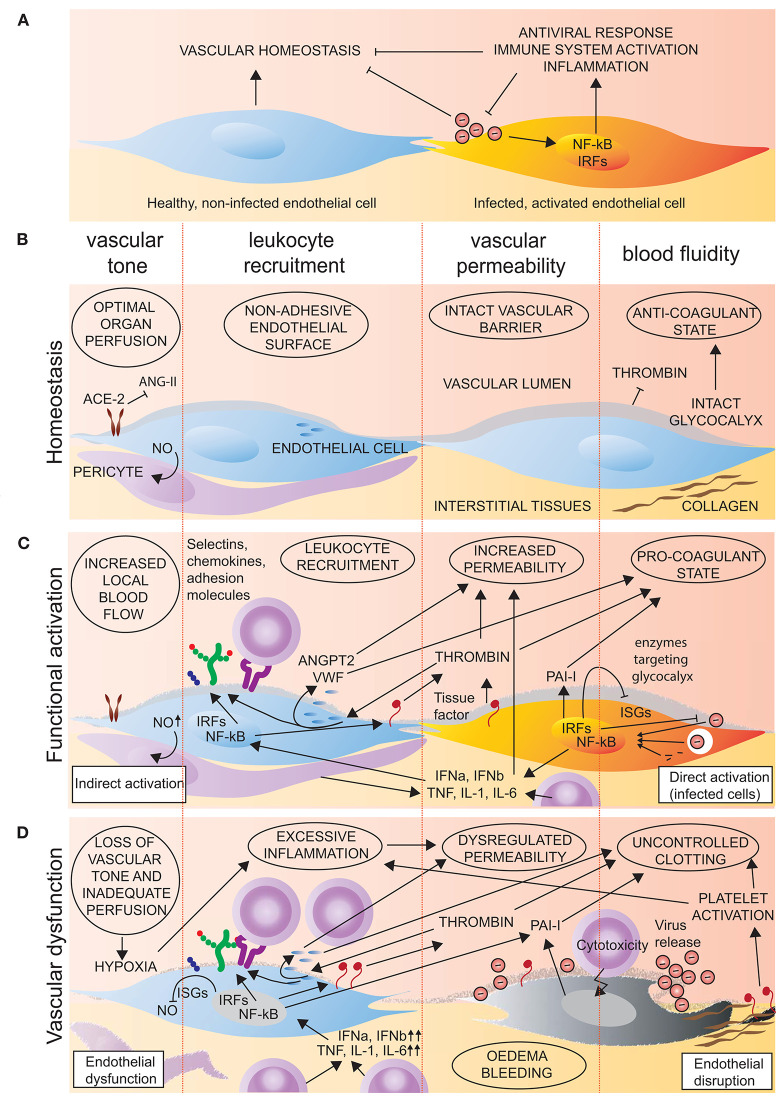
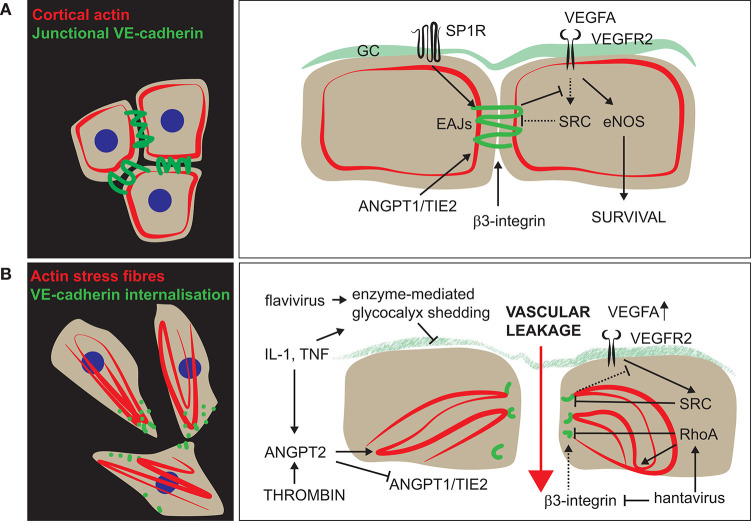
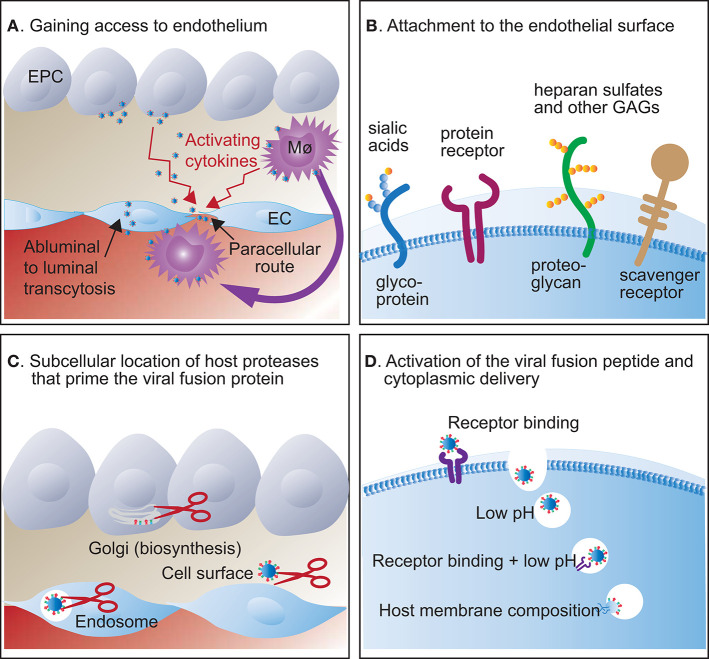
There are several reasons to consider the role of endothelial cells in COVID-19 and other emerging viral infections. First, severe cases of COVID-19 show a common breakdown of central vascular functions. Second, SARS-CoV-2 replicates in endothelial cells. Third, prior deterioration of vascular function exacerbates disease, as the most common comorbidities of COVID-19 (obesity, hypertension, and diabetes) are all associated with endothelial dysfunction. Importantly, SARS-CoV-2's ability to infect endothelium is shared by many emerging viruses, including henipaviruses, hantavirus, and highly pathogenic avian influenza virus, all specifically targeting endothelial cells. The ability to infect endothelium appears to support generalised dissemination of infection and facilitate the access to certain tissues. The disturbed vascular function observed in severe COVID-19 is also a prominent feature of many other life-threatening viral diseases, underscoring the need to understand how viruses modulate endothelial function. We here review the role of vascular endothelial cells in emerging viral infections, starting with a summary of endothelial cells as key mediators and regulators of vascular and immune responses in health and infection. Next, we discuss endotheliotropism as a possible virulence factor and detail features that regulate viruses' ability to attach to and enter endothelial cells. We move on to review how endothelial cells detect invading viruses and respond to infection, with particular focus on pathways that may influence vascular function and the host immune system. Finally, we discuss how endothelial cell function can be dysregulated in viral disease, either by viral components or as bystander victims of overshooting or detrimental inflammatory and immune responses. Many aspects of how viruses interact with the endothelium remain poorly understood. Considering the diversity of such mechanisms among different emerging viruses allows us to highlight common features that may be of general validity and point out important challenges.
有几个理由促使我们去探讨内皮细胞在新冠病毒肺炎及其他新出现的病毒感染中所起的作用。其一,新冠病毒肺炎重症病例显示出中枢血管功能普遍受损。其二,严重急性呼吸综合征冠状病毒2(SARS-CoV-2)可在内皮细胞中复制。其三,血管功能先前的恶化会使病情加重,因为新冠病毒肺炎最常见的合并症(肥胖、高血压和糖尿病)均与内皮功能障碍有关。重要的是,包括亨尼帕病毒、汉坦病毒和高致病性禽流感病毒在内的许多新出现的病毒都具有感染内皮细胞的能力,且均特异性靶向内皮细胞。感染内皮细胞的能力似乎有助于感染的广泛传播并促进病毒进入某些组织。在重症新冠病毒肺炎中观察到的血管功能紊乱也是许多其他危及生命的病毒性疾病的一个突出特征,这凸显了了解病毒如何调节内皮功能的必要性。在此,我们综述血管内皮细胞在新出现的病毒感染中的作用,首先总结内皮细胞在健康和感染状态下作为血管及免疫反应的关键介质和调节因子的情况。接下来,我们讨论内皮嗜性作为一种可能的毒力因子以及调节病毒附着并进入内皮细胞能力的详细特征。我们进而综述内皮细胞如何检测入侵病毒并对感染作出反应,特别关注可能影响血管功能和宿主免疫系统的途径。最后,我们讨论在病毒性疾病中内皮细胞功能是如何被失调的,这可能是由病毒成分导致的,也可能是作为过度或有害的炎症及免疫反应的旁观者受害者所致。病毒与内皮细胞相互作用的许多方面仍知之甚少。考虑到不同新出现病毒之间此类机制的多样性,有助于我们突出可能具有普遍有效性的共同特征,并指出重要的挑战。