Weinstock Ada, Rahman Karishma, Yaacov Or, Nishi Hitoo, Menon Prashanthi, Nikain Cyrus A, Garabedian Michela L, Pena Stephanie, Akbar Naveed, Sansbury Brian E, Heffron Sean P, Liu Jianhua, Marecki Gregory, Fernandez Dawn, Brown Emily J, Ruggles Kelly V, Ramsey Stephen A, Giannarelli Chiara, Spite Matthew, Choudhury Robin P, Loke P'ng, Fisher Edward A
Department of Medicine, Leon H. Charney Division of Cardiology, Cardiovascular Research Program, New York University Grossman School of Medicine, New York, United States.
Division of Cardiovascular Medicine, Radcliffe Department of Medicine, University of Oxford, Oxford, United Kingdom.
Elife. 2021 Mar 15;10:e67932. doi: 10.7554/eLife.67932.
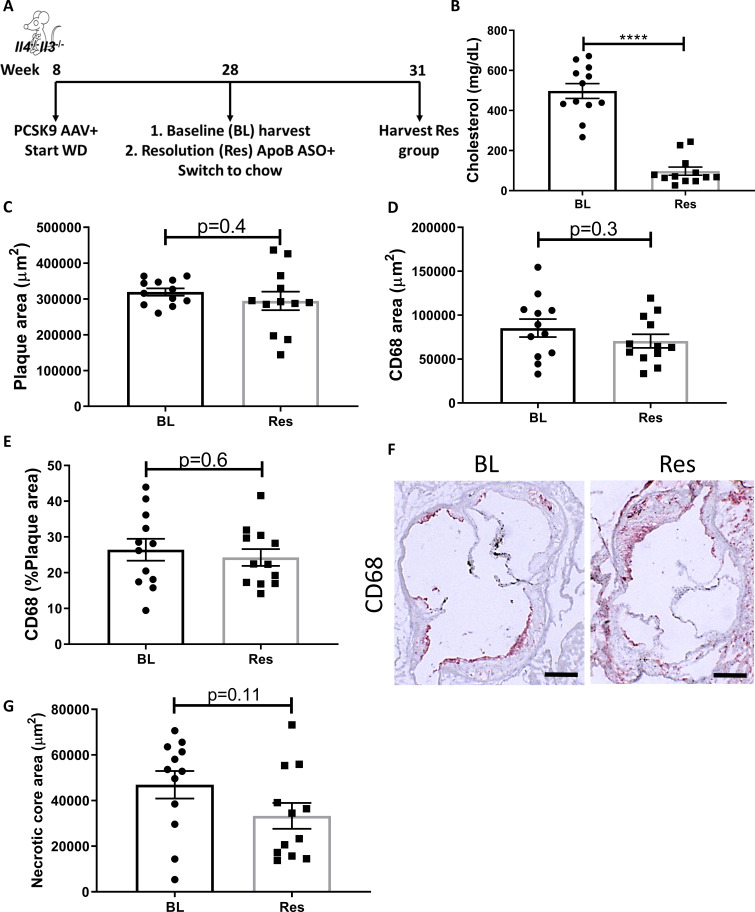
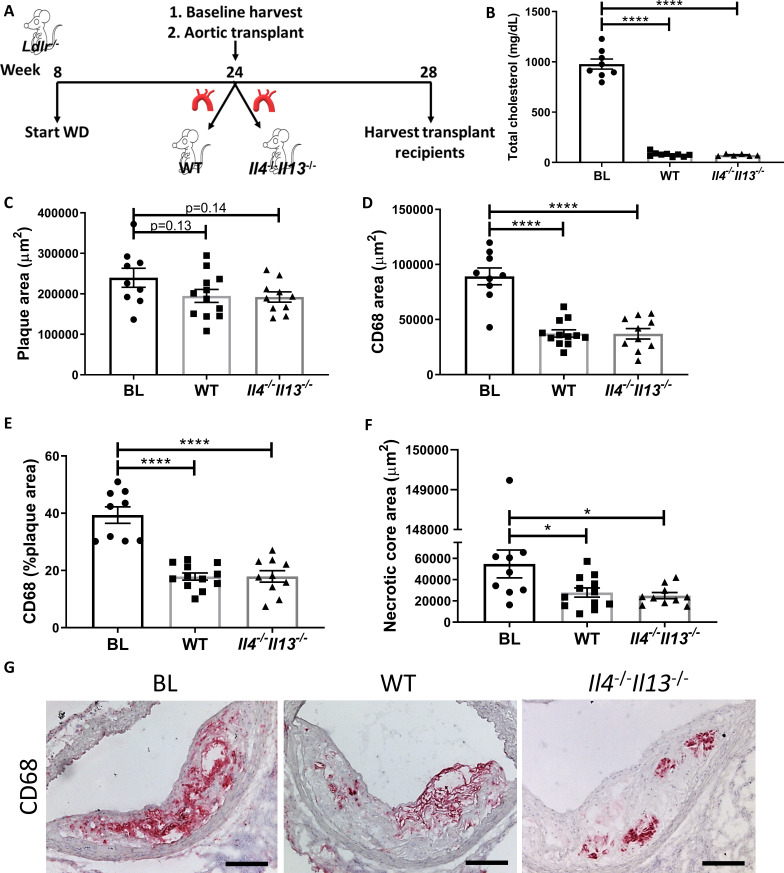
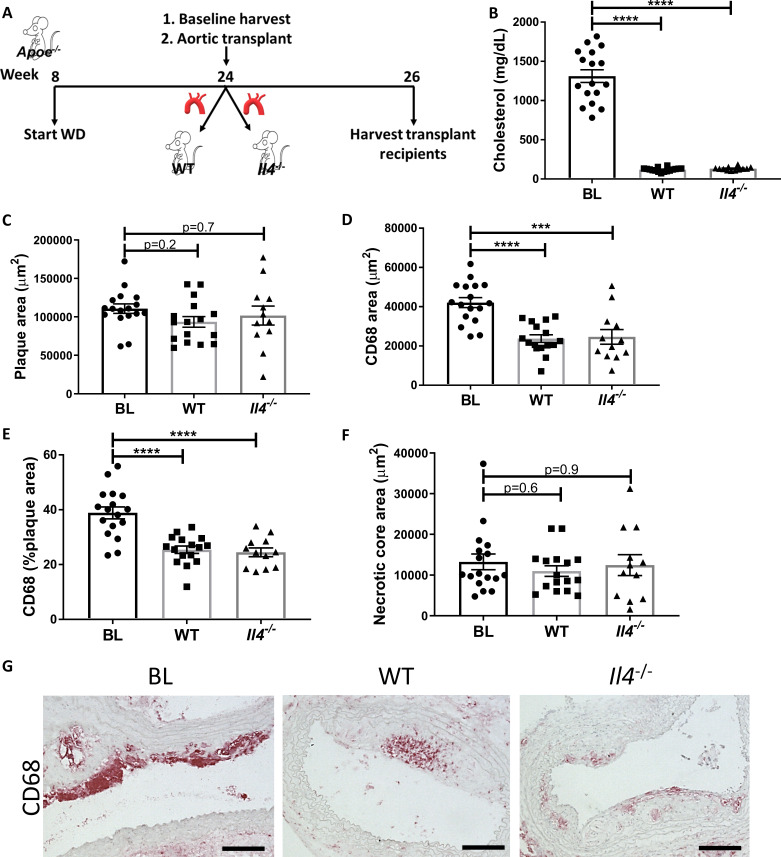
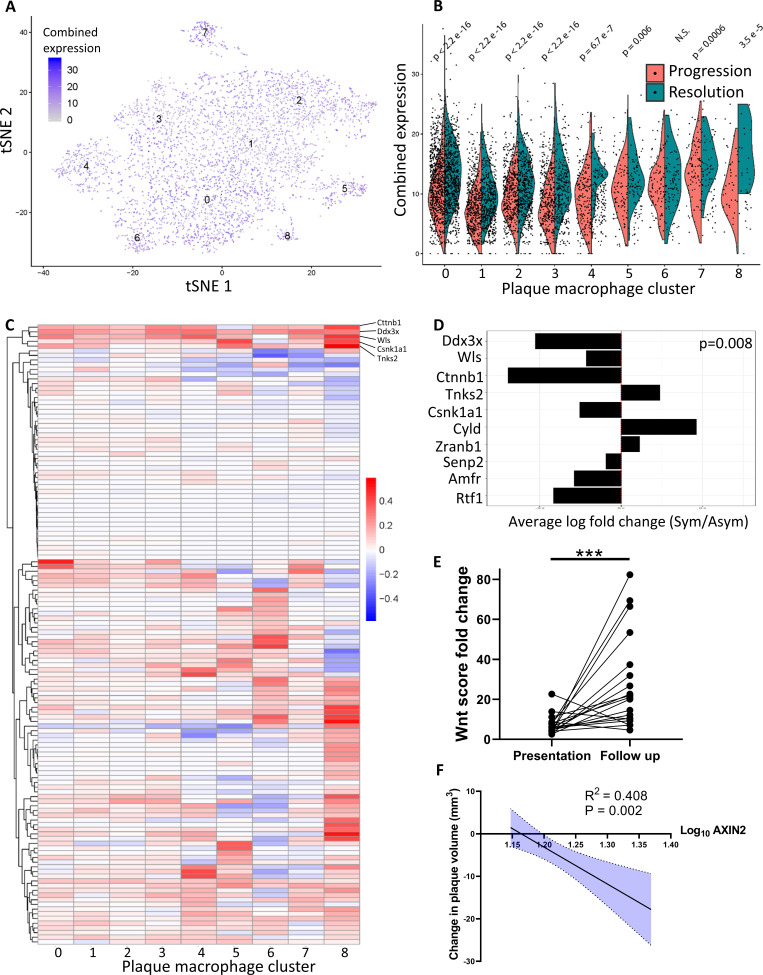
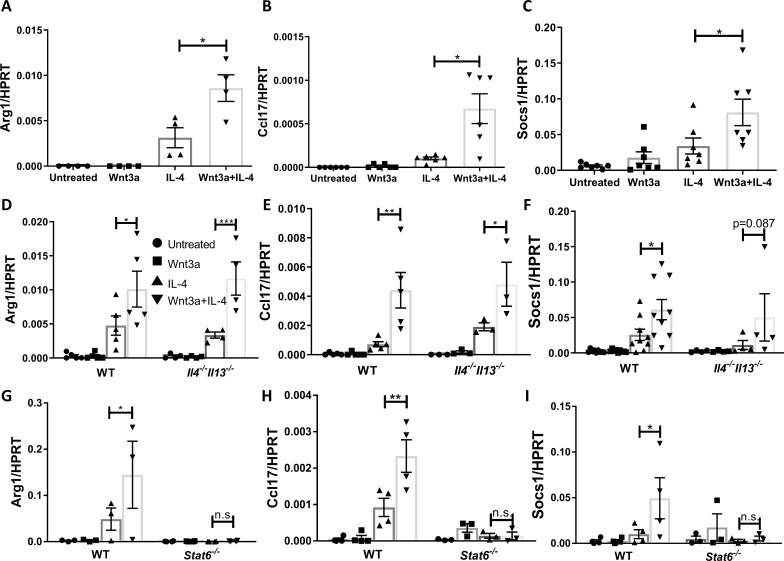
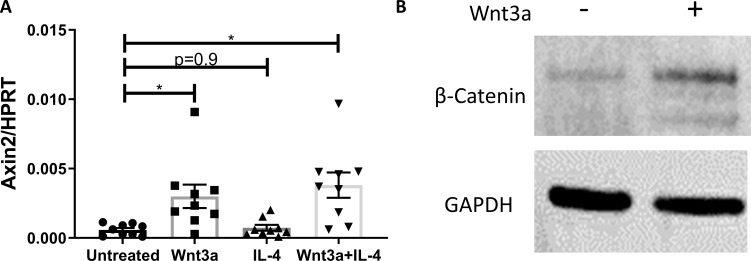
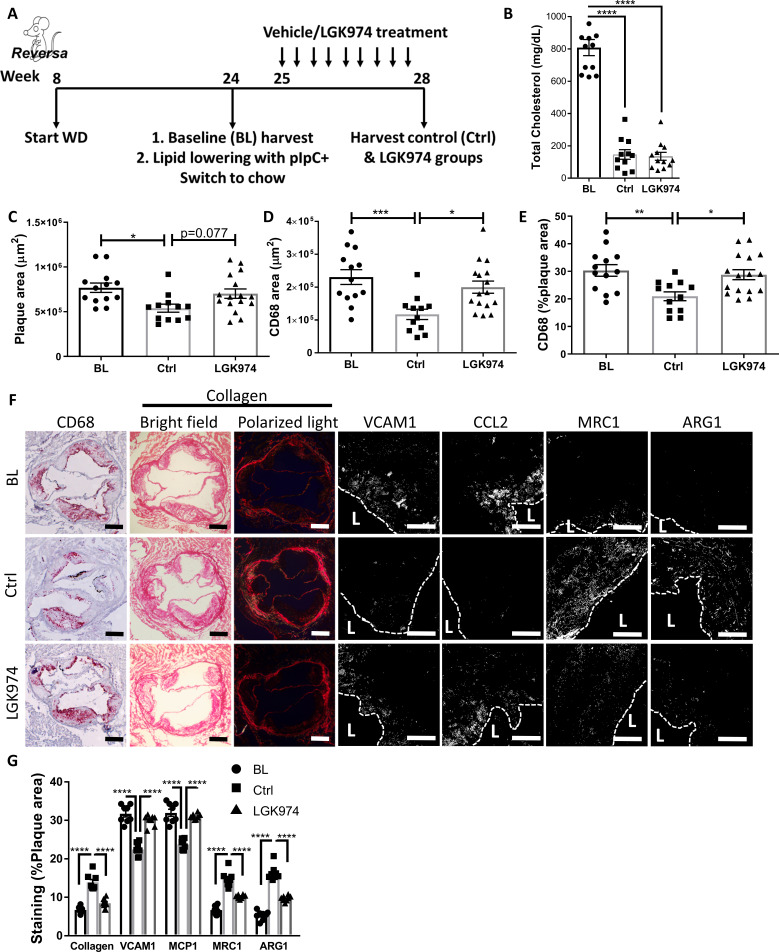
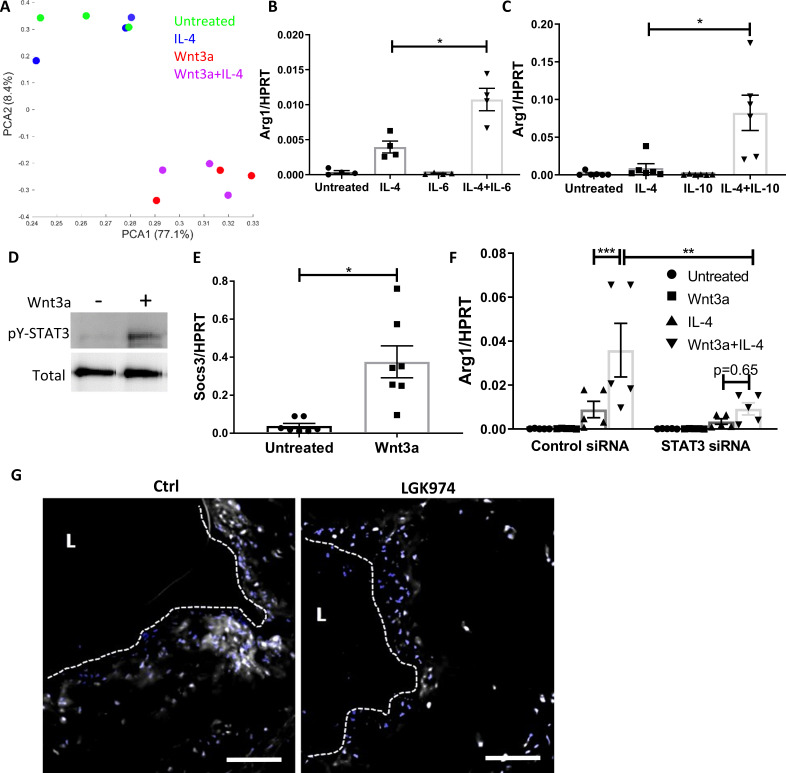
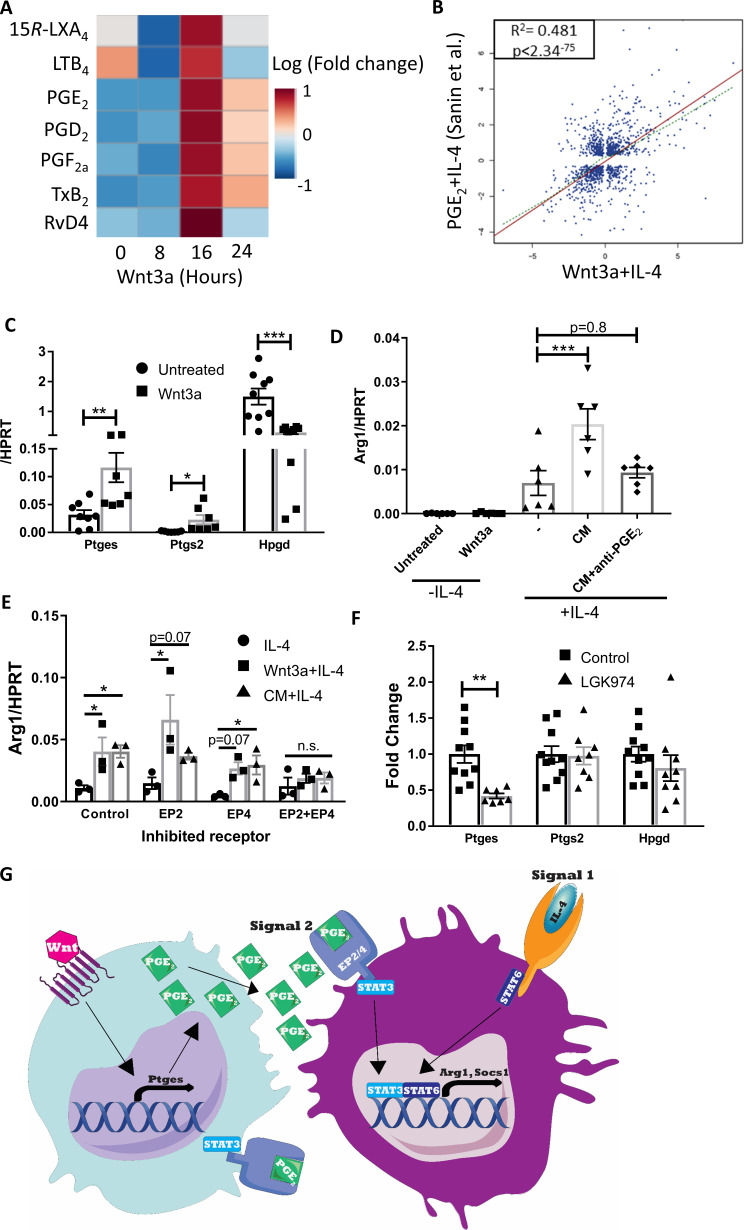
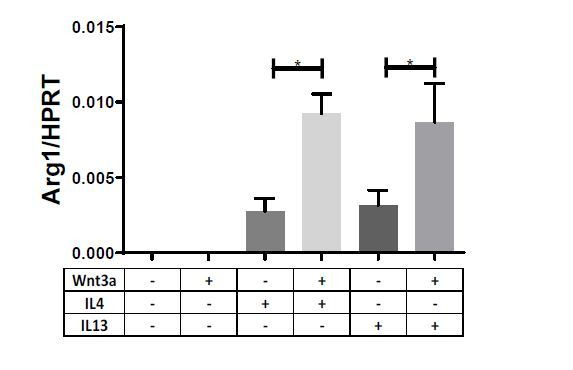
Atherosclerosis is a disease of chronic inflammation. We investigated the roles of the cytokines IL-4 and IL-13, the classical activators of STAT6, in the resolution of atherosclerosis inflammation. Using mice, resolution was impaired, and in control mice, in both progressing and resolving plaques, levels of IL-4 were stably low and IL-13 was undetectable. This suggested that IL-4 is required for atherosclerosis resolution, but collaborates with other factors. We had observed increased Wnt signaling in macrophages in resolving plaques, and human genetic data from others showed that a loss-of-function Wnt mutation was associated with premature atherosclerosis. We now find an inverse association between activation of Wnt signaling and disease severity in mice and humans. Wnt enhanced the expression of inflammation resolving factors after treatment with plaque-relevant low concentrations of IL-4. Mechanistically, activation of the Wnt pathway following lipid lowering potentiates IL-4 responsiveness in macrophages via a PGE/STAT3 axis.
动脉粥样硬化是一种慢性炎症性疾病。我们研究了细胞因子IL-4和IL-13(STAT6的经典激活因子)在动脉粥样硬化炎症消退中的作用。在使用的小鼠中,炎症消退受损,而在对照小鼠中,无论是进展期还是消退期斑块,IL-4水平均稳定较低且未检测到IL-13。这表明IL-4是动脉粥样硬化消退所必需的,但它与其他因素协同作用。我们观察到在消退期斑块中的巨噬细胞中Wnt信号增强,并且来自其他人的人类遗传数据表明功能丧失的Wnt突变与过早发生的动脉粥样硬化有关。我们现在发现小鼠和人类中Wnt信号激活与疾病严重程度呈负相关。在用与斑块相关的低浓度IL-4处理后,Wnt增强了炎症消退因子的表达。从机制上讲,降脂后Wnt途径的激活通过PGE/STAT3轴增强巨噬细胞对IL-4的反应性。