Department of Electrical Engineering and Computer Science, Massachusetts Institute of Technology, Cambridge, MA, USA.
Department of Biological Engineering, Massachusetts Institute of Technology, Cambridge, MA, USA.
BMC Biol. 2021 Mar 15;19(1):46. doi: 10.1186/s12915-021-00971-z.
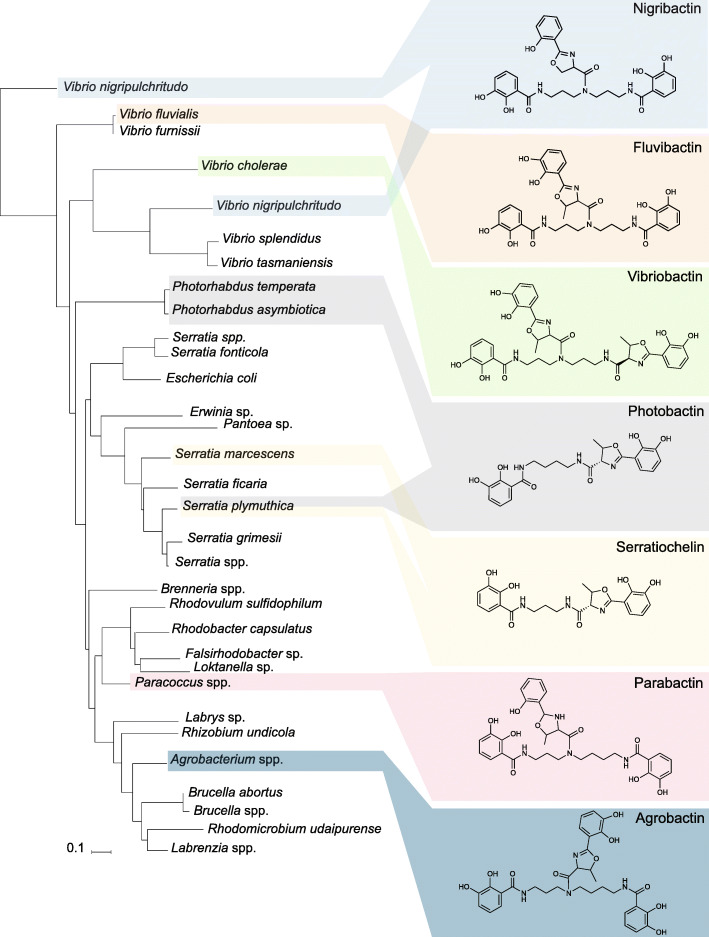
Iron is essential for bacterial survival. Bacterial siderophores are small molecules with unmatched capacity to scavenge iron from proteins and the extracellular milieu, where it mostly occurs as insoluble Fe. Siderophores chelate Fe for uptake into the cell, where it is reduced to soluble Fe. Siderophores are key molecules in low soluble iron conditions. The ability of bacteria to synthesize proprietary siderophores may have increased bacterial evolutionary fitness; one way that bacteria diversify siderophore structure is by incorporating different polyamine backbones while maintaining the catechol moieties.
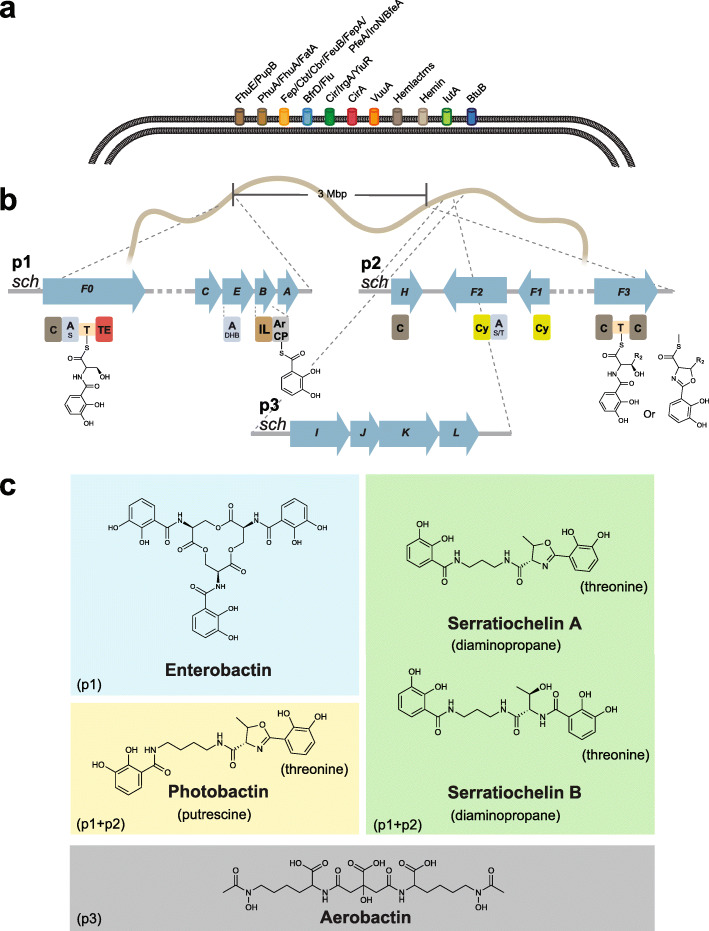
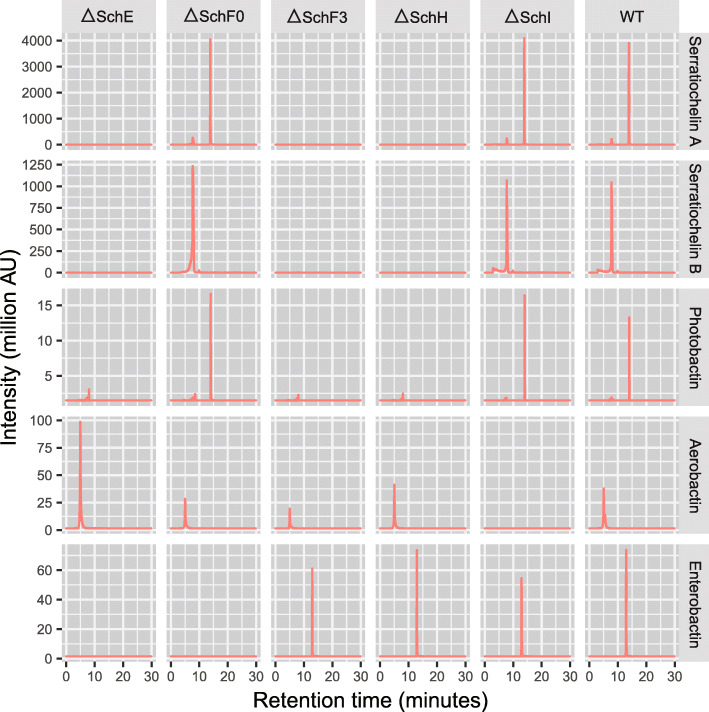
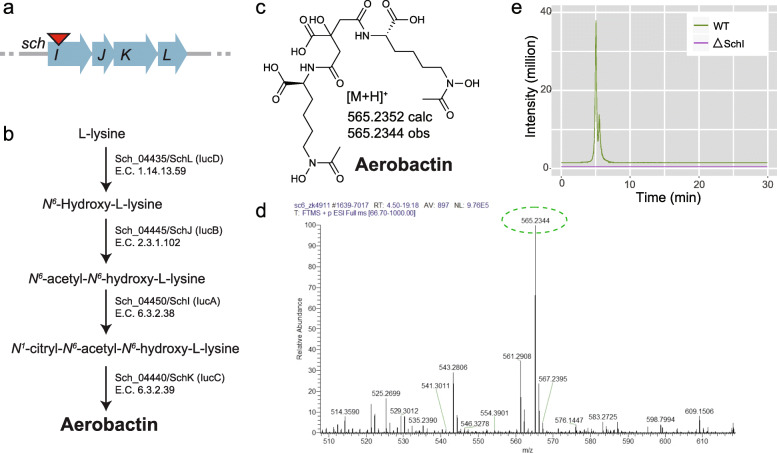
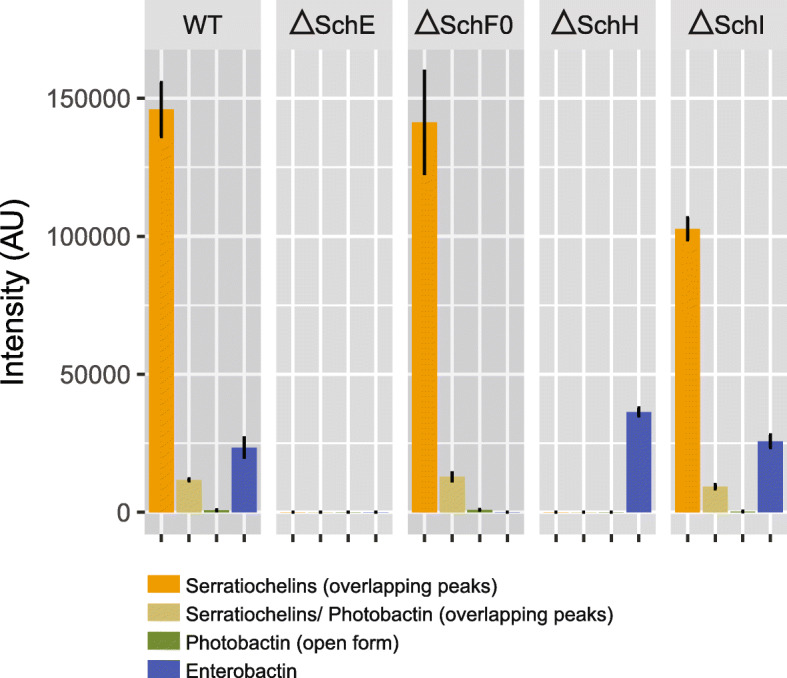
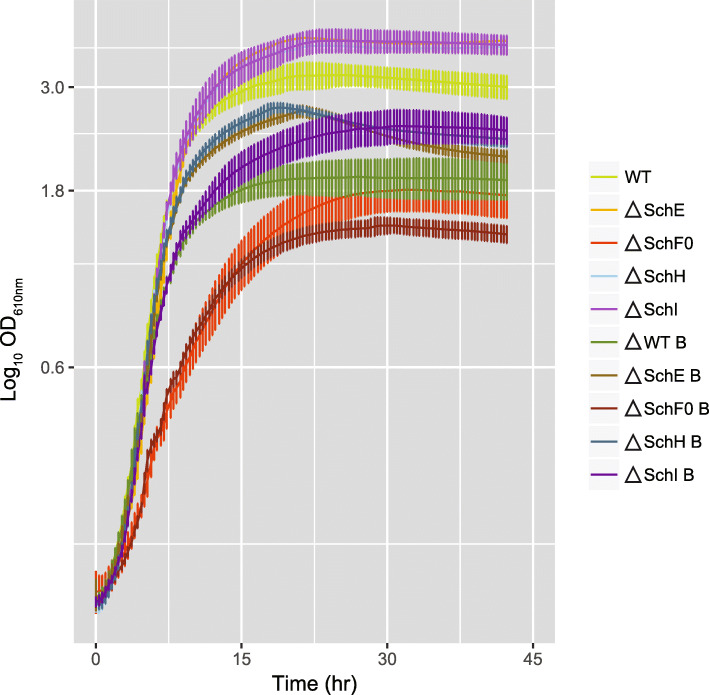
We report that Serratia plymuthica V4 produces a variety of siderophores, which we term the siderome, and which are assembled by the concerted action of enzymes encoded in two independent gene clusters. Besides assembling serratiochelin A and B with diaminopropane, S. plymuthica utilizes putrescine and the same set of enzymes to assemble photobactin, a siderophore found in the bacterium Photorhabdus luminescens. The enzymes encoded by one of the gene clusters can independently assemble enterobactin. A third, independent operon is responsible for biosynthesis of the hydroxamate siderophore aerobactin, initially described in Enterobacter aerogenes. Mutant strains not synthesizing polyamine-siderophores significantly increased enterobactin production levels, though lack of enterobactin did not impact the production of serratiochelins. Knocking out SchF0, an enzyme involved in the assembly of enterobactin alone, significantly reduced bacterial fitness.
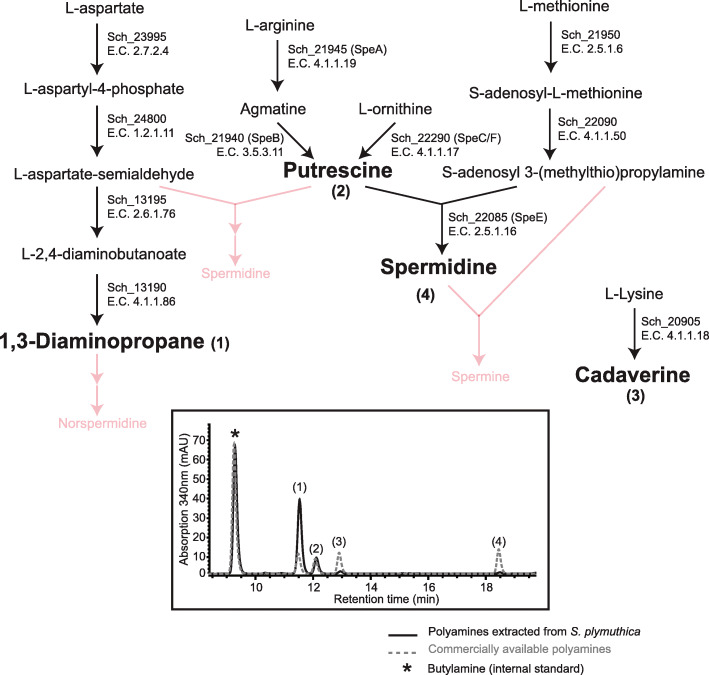
This study shows the natural occurrence of serratiochelins, photobactin, enterobactin, and aerobactin in a single bacterial species and illuminates the interplay between siderophore biosynthetic pathways and polyamine production, indicating routes of molecular diversification. Given its natural yields of diaminopropane (97.75 μmol/g DW) and putrescine (30.83 μmol/g DW), S. plymuthica can be exploited for the industrial production of these compounds.
铁是细菌生存所必需的。细菌的铁载体是小分子,具有无与伦比的从蛋白质和细胞外环境中获取铁的能力,因为铁在这些环境中主要以不溶性的形式存在。铁载体螯合铁以供细胞摄取,在细胞内,铁被还原为可溶性铁。铁载体是低可溶性铁条件下的关键分子。细菌合成专有的铁载体的能力可能增加了细菌的进化适应性;细菌使铁载体结构多样化的一种方式是在保持儿茶酚部分的同时,结合不同的多胺骨架。
我们报告说,粘质沙雷氏菌 V4 产生了各种各样的铁载体,我们称之为铁载体组,这些铁载体是由两个独立基因簇编码的酶协同作用组装而成的。除了用二氨基丙烷组装沙雷肽 A 和 B 外,粘质沙雷氏菌还利用腐胺和相同的酶组装光杆菌中的光菌素,这是一种在光杆菌中发现的铁载体。一个基因簇编码的酶可以独立组装去铁胺。第三个独立的操纵子负责合成最初在产气肠杆菌中描述的羟肟酸铁载体aerobactin。不合成多胺-铁载体的突变株显著增加了去铁胺的产生水平,尽管缺乏去铁胺并不影响沙雷肽的产生。单独参与组装去铁胺的酶 SchF0 的敲除显著降低了细菌的适应性。
本研究表明,单一细菌物种中自然存在沙雷肽、光菌素、去铁胺和 aerobactin,并阐明了铁载体生物合成途径与多胺产生之间的相互作用,表明了分子多样化的途径。鉴于其天然产生的二氨基丙烷(97.75 μmol/g DW)和腐胺(30.83 μmol/g DW)的产量,粘质沙雷氏菌可用于这些化合物的工业生产。