Department of Gastroenterology, Union Hospital, Tongji Medical College, Huazhong University of Science and Technology, Wuhan, 430022, China.
J Biomed Sci. 2021 Mar 15;28(1):20. doi: 10.1186/s12929-021-00711-z.
Previous study disclosed Fucosyltransferase 2 (Fut2) gene as a IBD risk locus. This study aimed to explore the mechanism of Fut2 in IBD susceptibility and to propose a new strategy for the treatment of IBD.
Intestinal epithelium-specific Fut2 knockout (Fut2) mice was used. Colitis was induced by dextran sulfate sodium (DSS). The composition and diversity of gut microbiota were assessed via 16S rRNA analysis and the metabolomic findings was obtained from mice feces via metabolite profiling. The fecal microbiota transplantation (FMT) experiment was performed to confirm the association of gut microbiota and LPC. WT mice were treated with Lysophosphatidylcholine (LPC) to verify its impact on colitis.
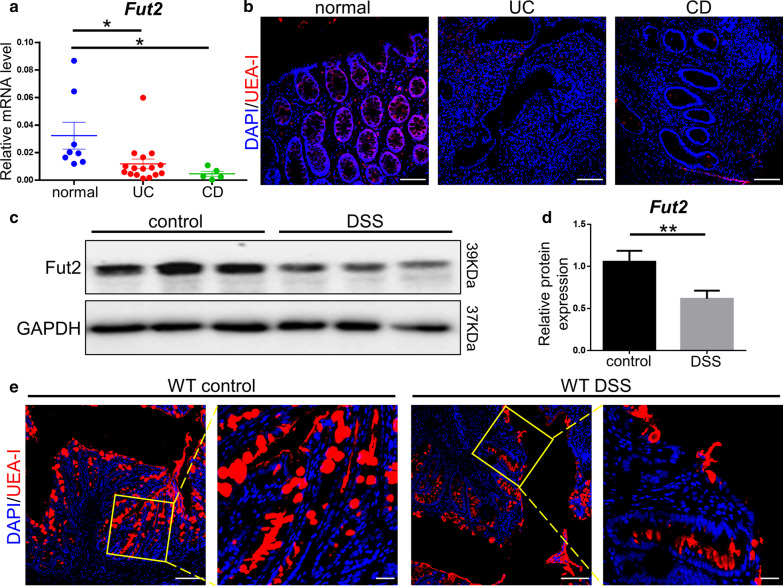
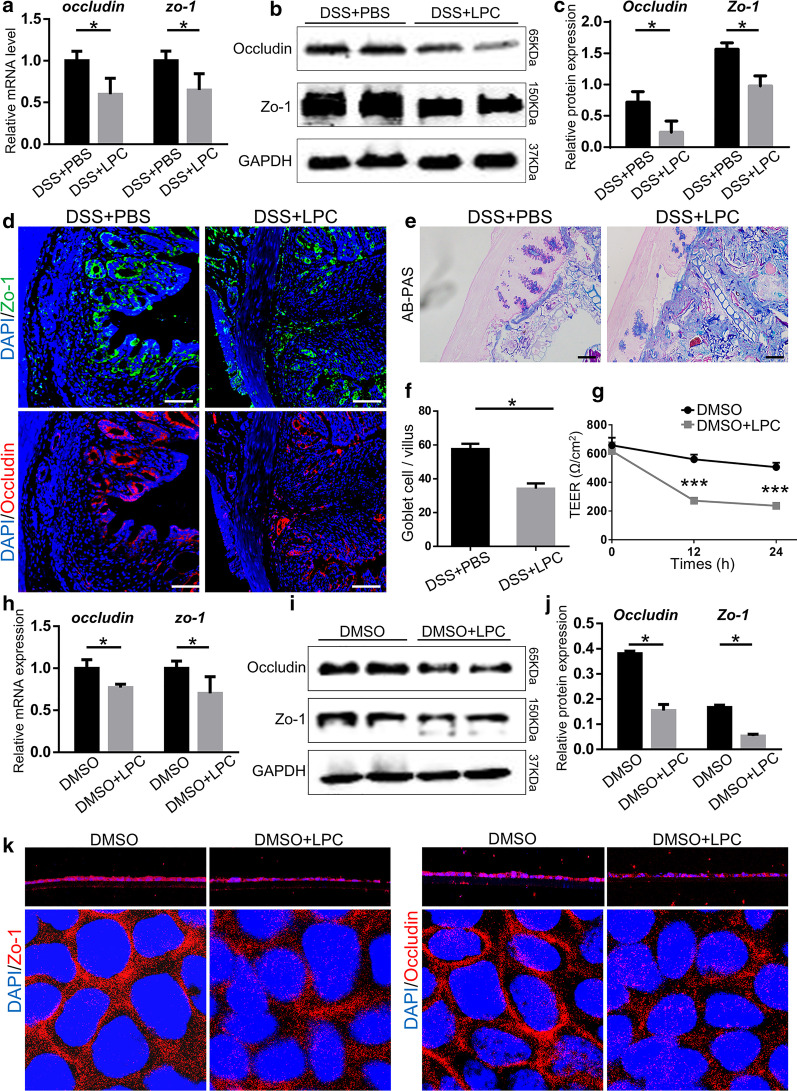
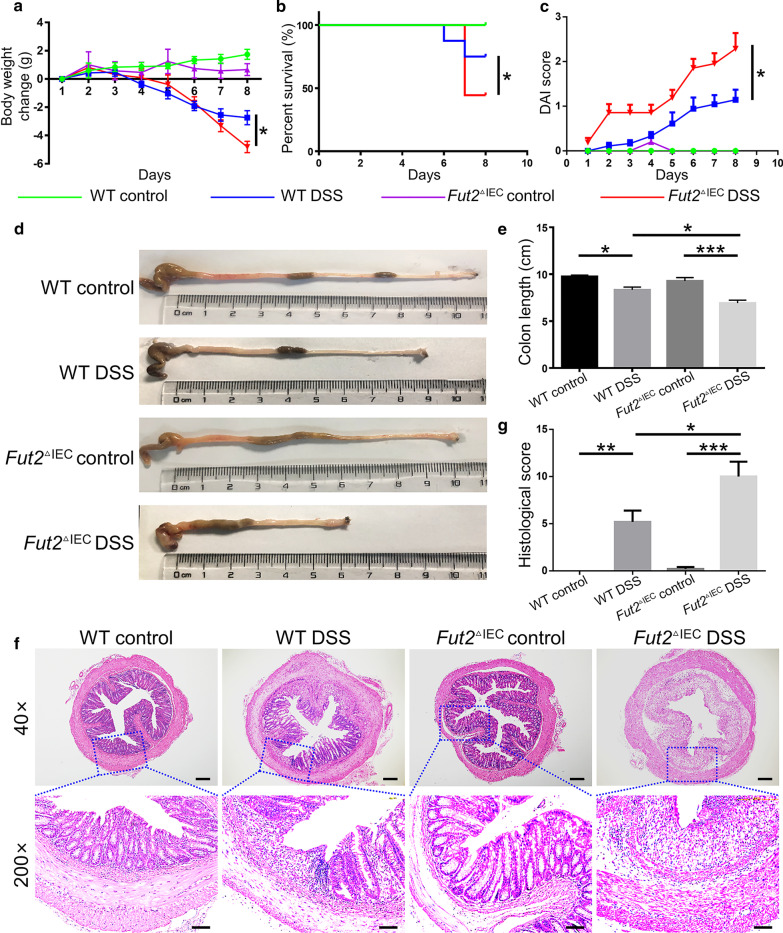
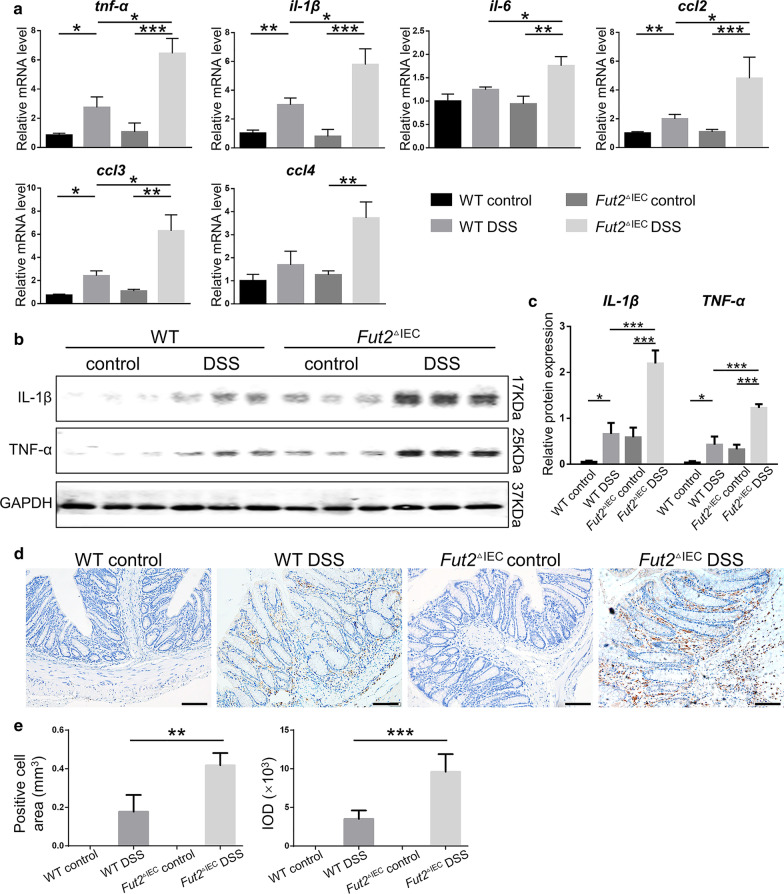
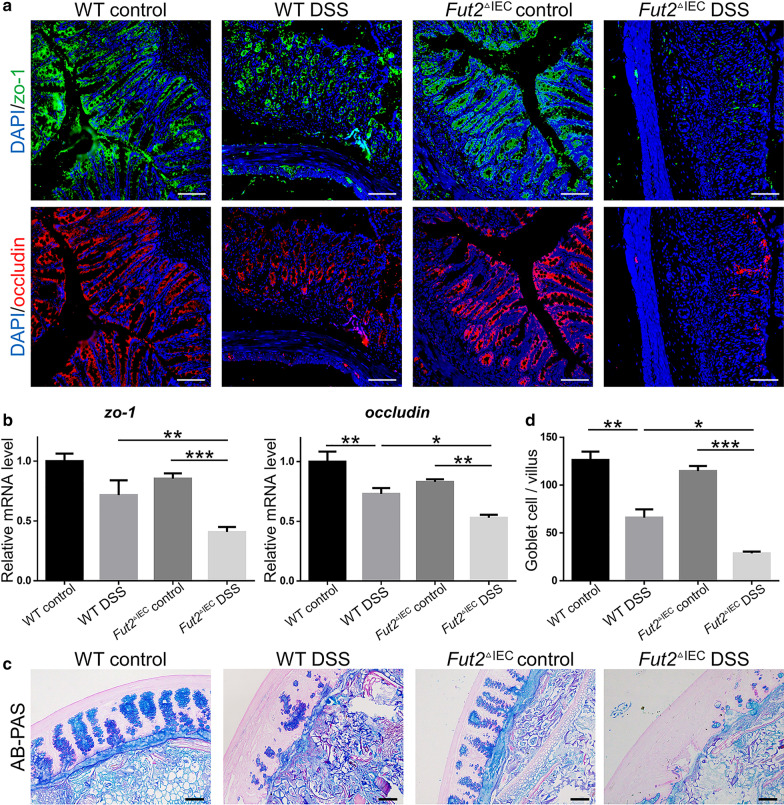
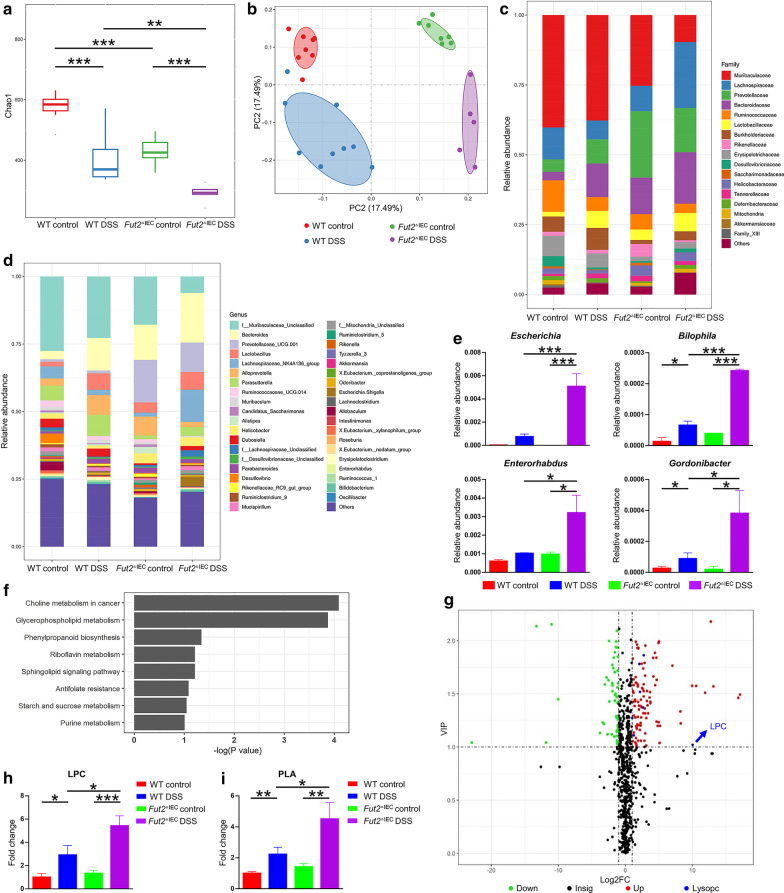
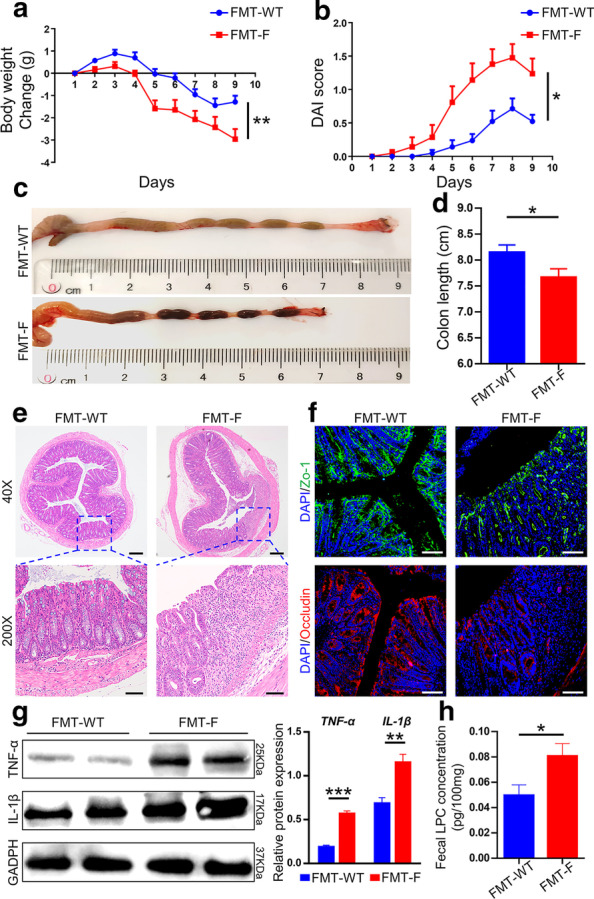
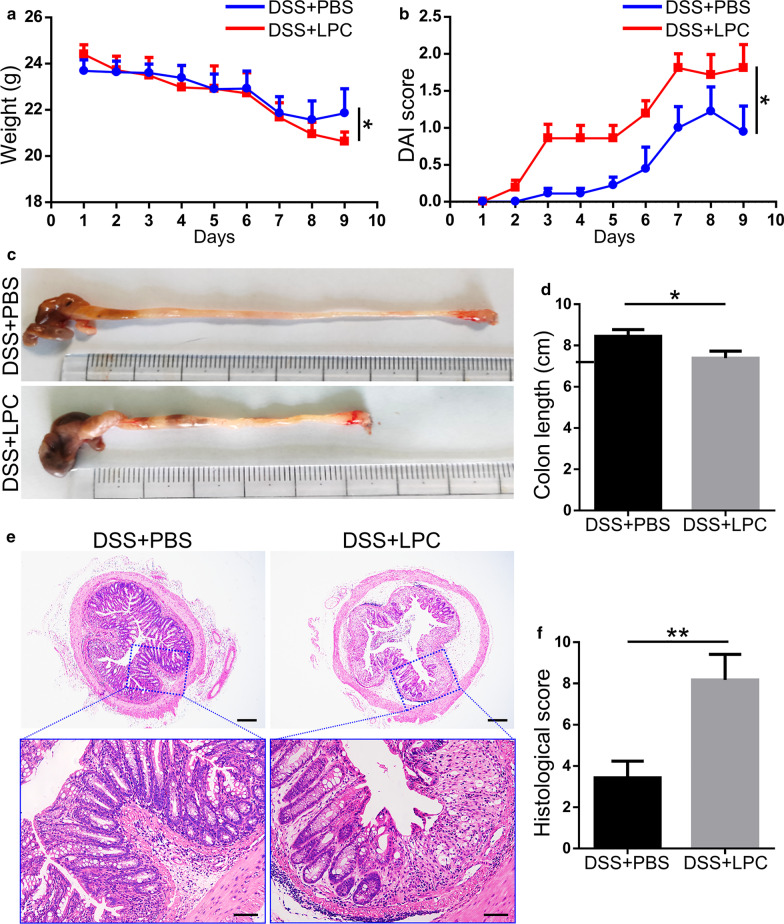
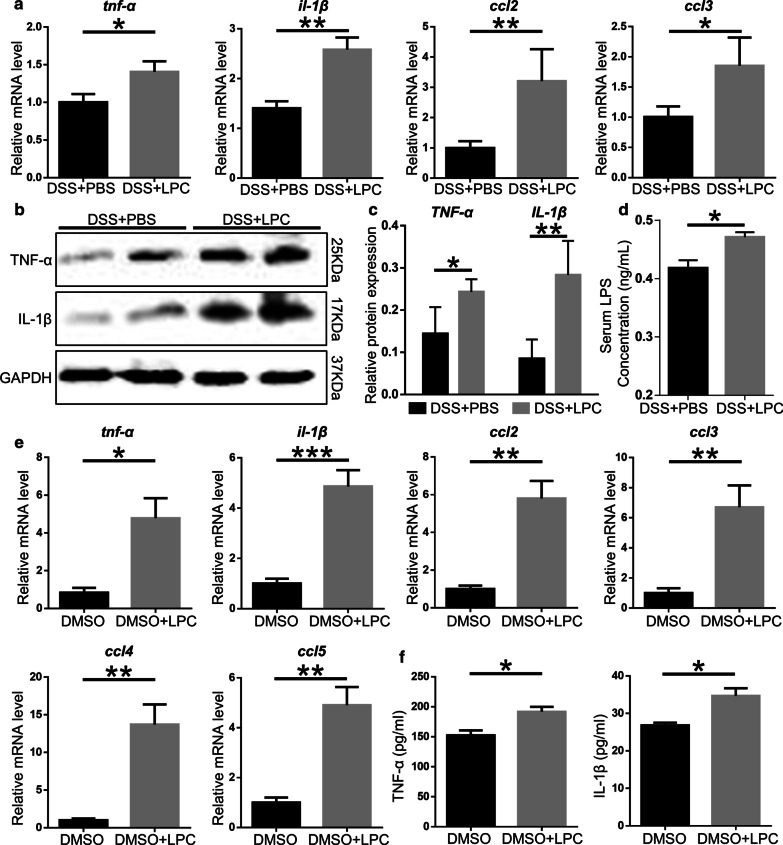
The expression of Fut2 and α-1,2-fucosylation in colonic tissues were decreased in patients with UC (UC vs. control, P = 0.036) and CD (CD vs. control, P = 0.031). When treated with DSS, in comparison to WT mice, more severe intestinal inflammation and destructive barrier functions in Fut2 mice was noted. Lower gut microbiota diversity was observed in Fut2 mice compared with WT mice (p < 0.001). When exposed to DSS, gut bacterial diversity and composition altered obviously in Fut2 mice and the fecal concentration of LPC was increased. FMT experiment revealed that mice received the fecal microbiota from Fut2 mice exhibited more severe colitis and higher fecal LPC concentration. Correlation analysis showed that the concentration of LPC was positively correlated with four bacteria-Escherichia, Bilophila, Enterorhabdus and Gordonibacter. Furthermore, LPC was proved to promote the release of pro-inflammatory cytokines and damage epithelial barrier in vitro and in vivo.
Fut2 and α-1,2-fucosylation in colon were decreased not only in CD but also in UC patients. Gut microbiota in Fut2 mice is altered structurally and functionally, promoting generation of LPC which was proved to promote inflammation and damage epithelial barrier.
先前的研究揭示了岩藻糖基转移酶 2(Fut2)基因是 IBD 的风险基因座。本研究旨在探讨 Fut2 基因在 IBD 易感性中的作用机制,并提出一种治疗 IBD 的新策略。
使用肠道上皮细胞特异性 Fut2 敲除(Fut2)小鼠。通过葡聚糖硫酸钠(DSS)诱导结肠炎。通过 16S rRNA 分析评估肠道微生物组的组成和多样性,并通过代谢组学分析从小鼠粪便中获得代谢物谱。进行粪便微生物群移植(FMT)实验以确认肠道微生物群和 LPC 的关联。用溶血磷脂酰胆碱(LPC)处理 WT 小鼠以验证其对结肠炎的影响。
与对照组相比,UC 患者(UC 与对照组相比,P=0.036)和 CD 患者(CD 与对照组相比,P=0.031)的结肠组织中 Fut2 和 α-1,2-岩藻糖基化的表达降低。与 WT 小鼠相比,用 DSS 处理时,Fut2 小鼠的肠道炎症更严重,破坏的屏障功能更严重。与 WT 小鼠相比,Fut2 小鼠的肠道微生物组多样性较低(p<0.001)。当暴露于 DSS 时,Fut2 小鼠的肠道细菌多样性和组成明显改变,粪便中 LPC 的浓度增加。FMT 实验表明,接受 Fut2 小鼠粪便微生物群的小鼠表现出更严重的结肠炎和更高的粪便 LPC 浓度。相关性分析表明,LPC 的浓度与四种细菌——大肠杆菌、双岐杆菌、肠杆菌和戈登氏菌呈正相关。此外,LPC 被证明可在体外和体内促进促炎细胞因子的释放和上皮屏障的损伤。
不仅在 CD 患者,而且在 UC 患者中,结肠中的 Fut2 和 α-1,2-岩藻糖基化都减少了。Fut2 小鼠的肠道微生物组在结构和功能上发生改变,促进了 LPC 的产生,LPC 被证明可促进炎症和上皮屏障的损伤。