Barrier Immunity Section, Laboratory of Viral Diseases, Division of Intramural Research, National Institute of Allergy and Infectious Diseases (NIAID), National Institutes of Health (NIH), Bethesda, MD, USA.
Mucosal Immunobiology Section, Laboratory of Molecular Immunology, NIAID, NIH, Bethesda, MD, USA.
Mucosal Immunol. 2021 Jul;14(4):937-948. doi: 10.1038/s41385-021-00393-8. Epub 2021 Mar 17.
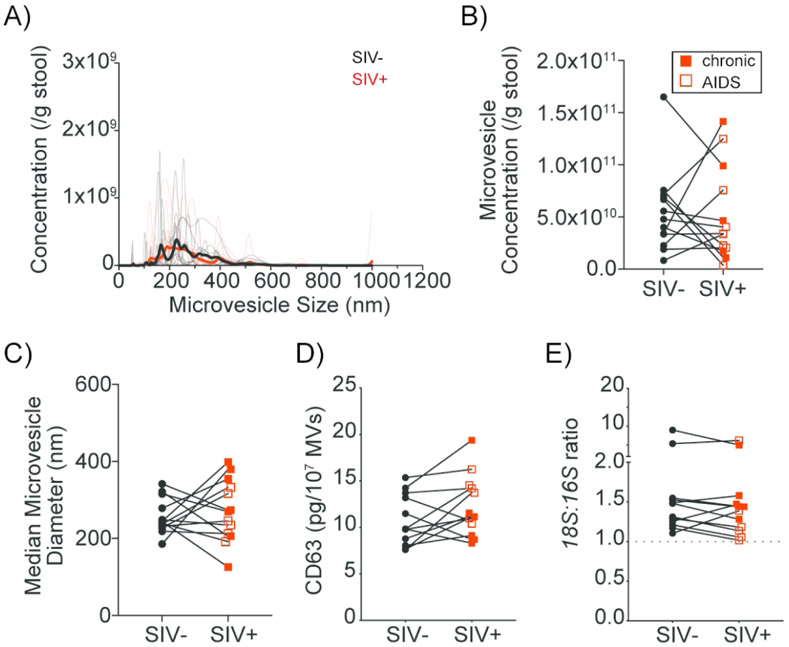
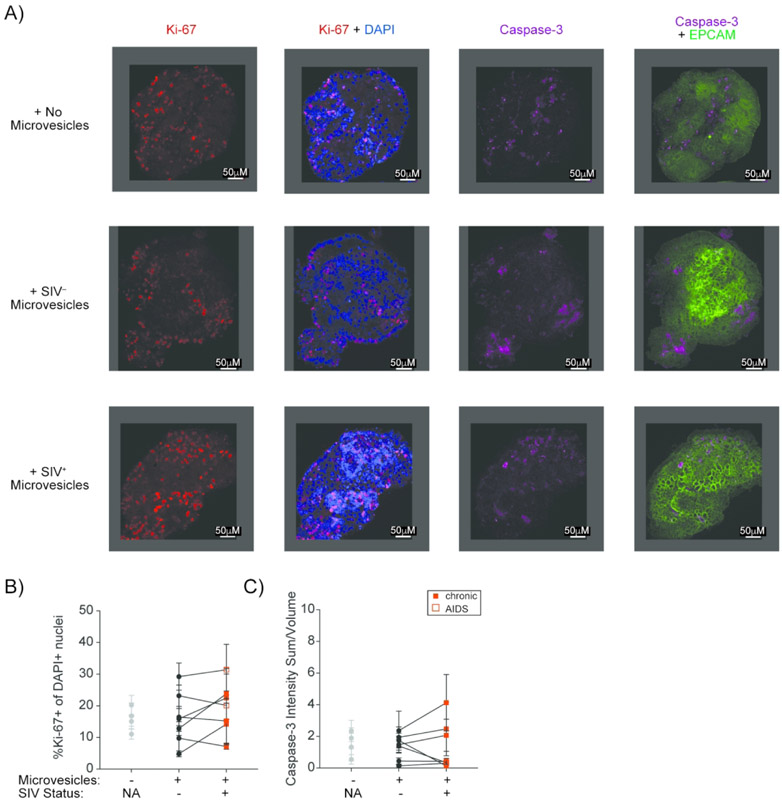
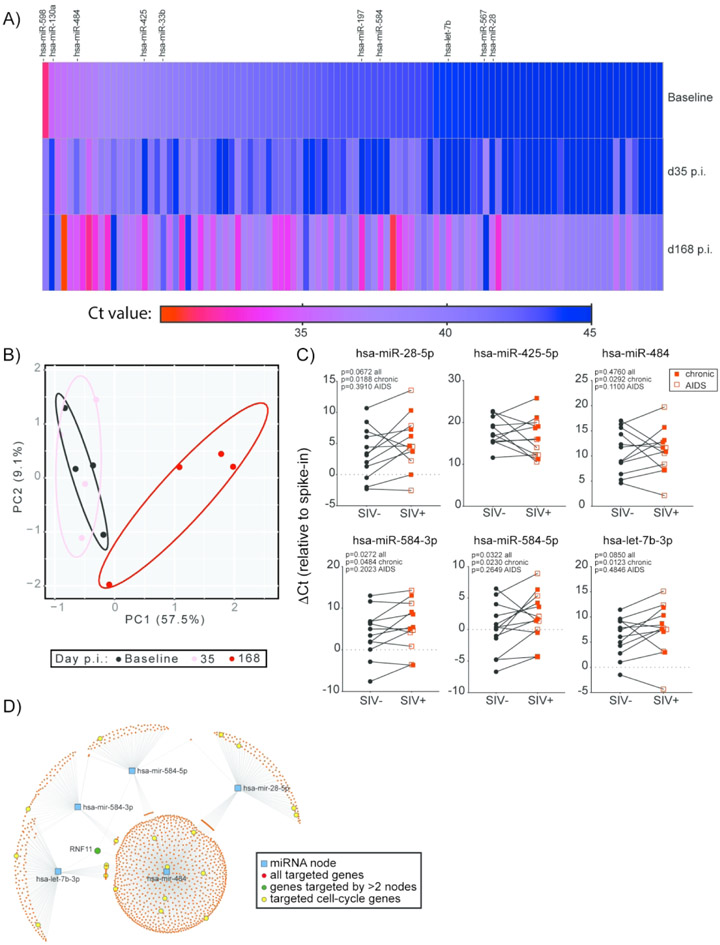
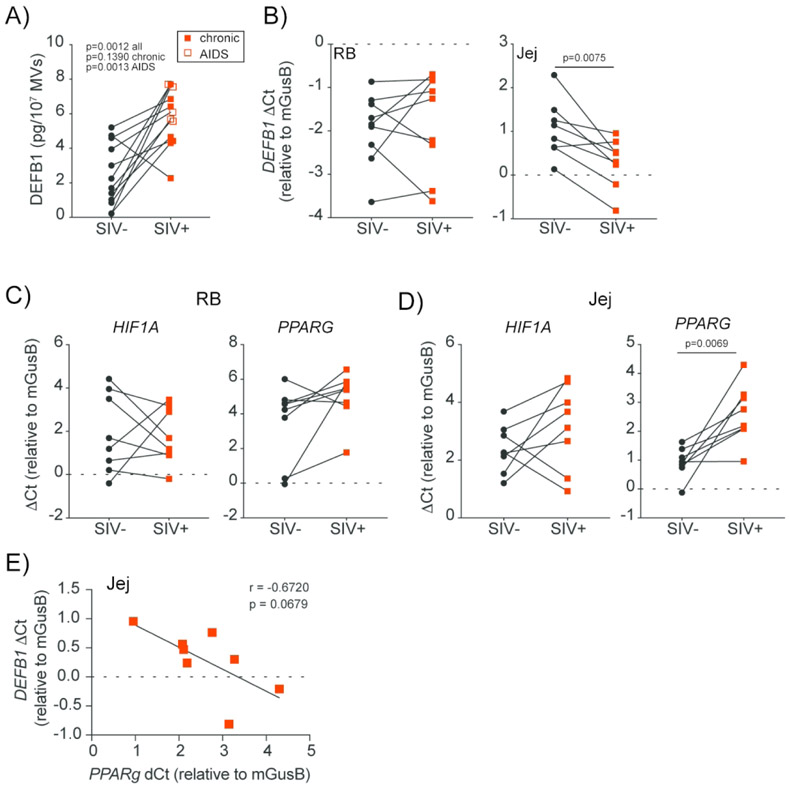
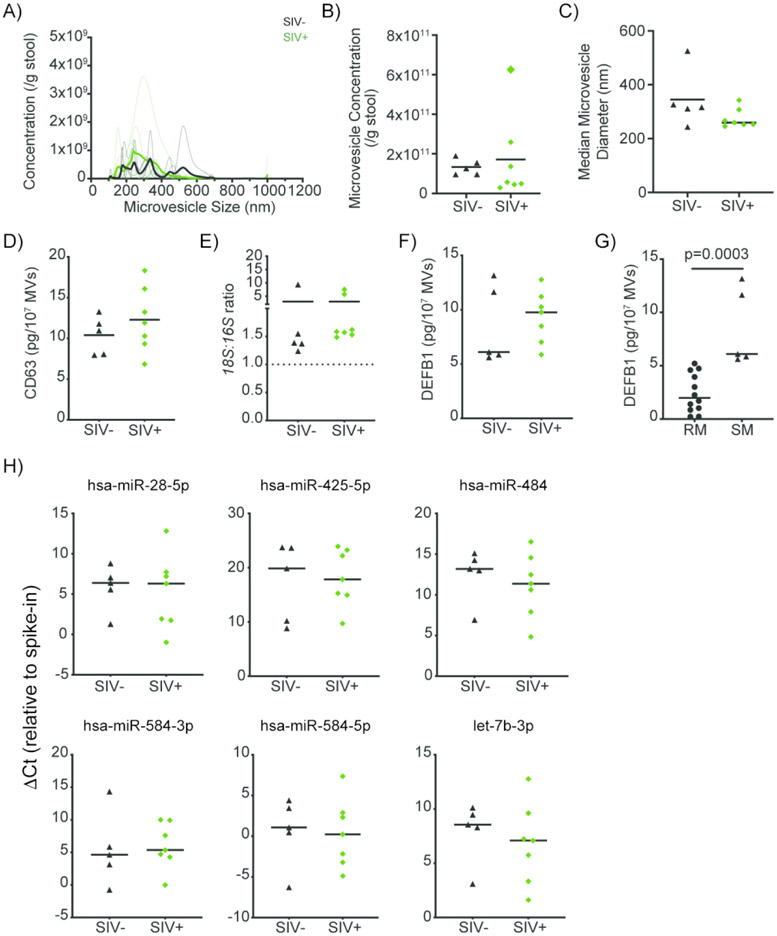
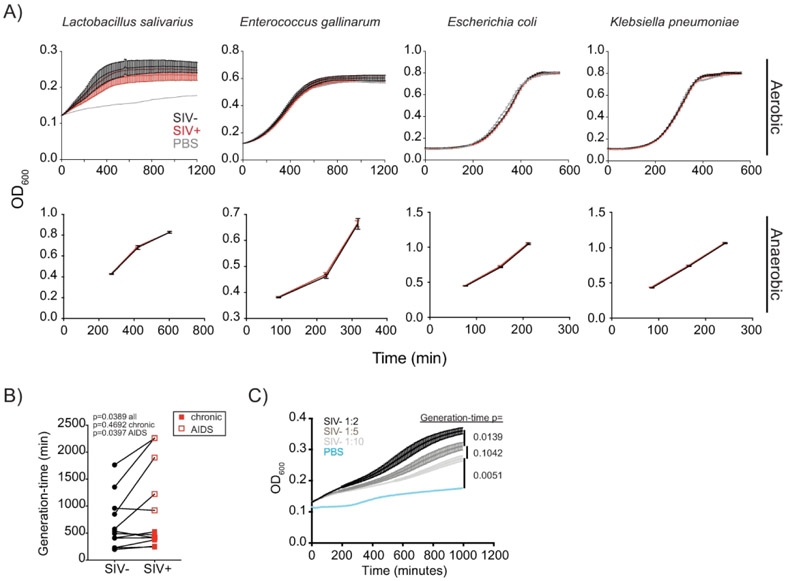
Microbial translocation contributes to persistent inflammation in both treated and untreated HIV infection. Although translocation is due in part to a disintegration of the intestinal epithelial barrier, there is a bias towards the translocation of Proteobacteria. We hypothesized that intestinal epithelial microvesicle cargo differs after HIV infection and contributes to biased translocation. We isolated gastrointestinal luminal microvesicles before and after progressive simian immunodeficiency virus (SIV) infection in rhesus macaques and measured miRNA and antimicrobial peptide content. We demonstrate that these microvesicles display decreased miR-28-5p, -484, -584-3p, and -584-5p, and let-7b-3p, as well as increased beta-defensin 1 after SIV infection. We further observed dose-dependent growth sensitivity of commensal Lactobacillus salivarius upon co-culture with isolated microvesicles. Infection-associated microvesicle differences were not mirrored in non-progressively SIV-infected sooty mangabeys. Our findings describe novel alterations of antimicrobial control after progressive SIV infection that influence the growth of translocating bacterial taxa. These studies may lead to the development of novel therapeutics for treating chronic HIV infection, microbial translocation, and inflammation.
微生物易位导致治疗和未治疗的 HIV 感染持续存在炎症。虽然易位部分是由于肠道上皮屏障的破坏,但存在偏向于变形菌易位的趋势。我们假设 HIV 感染后肠道上皮细胞微泡的货物不同,并导致易位偏向。我们在恒河猴进行渐进性猴免疫缺陷病毒(SIV)感染前后分离胃肠道腔微泡,并测量 miRNA 和抗菌肽含量。我们证明这些微泡显示 miR-28-5p、-484、-584-3p 和 -584-5p 以及 let-7b-3p 的减少,以及 SIV 感染后 β-防御素 1 的增加。我们还观察到分离的微泡与共生乳杆菌唾液亚种共培养时,其生长敏感性呈剂量依赖性。非进行性 SIV 感染的黑猩猩中没有反映出与感染相关的微泡差异。我们的研究描述了渐进性 SIV 感染后抗菌控制的新变化,这些变化影响了易位细菌类群的生长。这些研究可能为治疗慢性 HIV 感染、微生物易位和炎症提供新的治疗方法。