Department of Microbial Pathogens and Immunity, Rush University Medical Center, Chicago, Illinois, USA.
Department of Microbial Pathogens and Immunity, Rush University Medical Center, Chicago, Illinois, USA
J Virol. 2020 Apr 16;94(9). doi: 10.1128/JVI.01914-19.
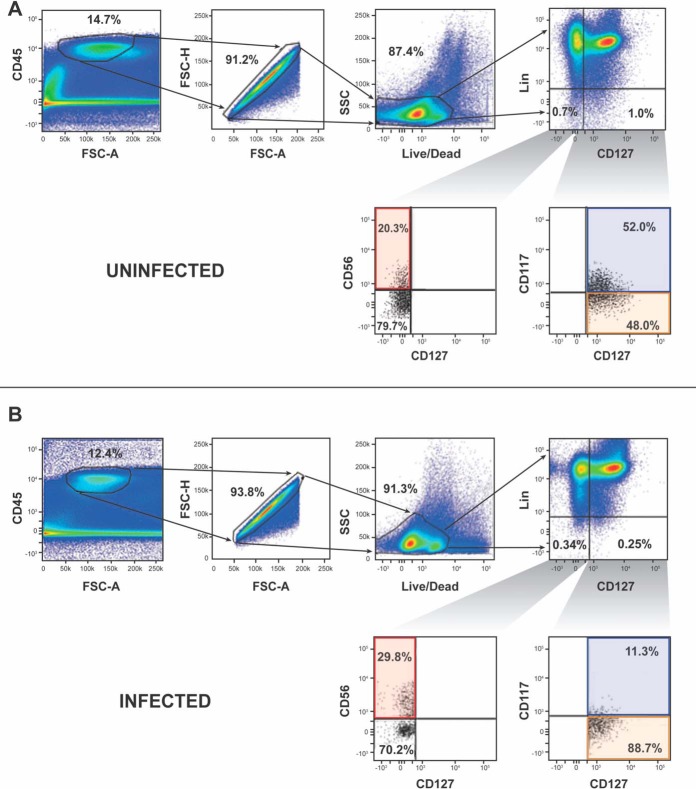
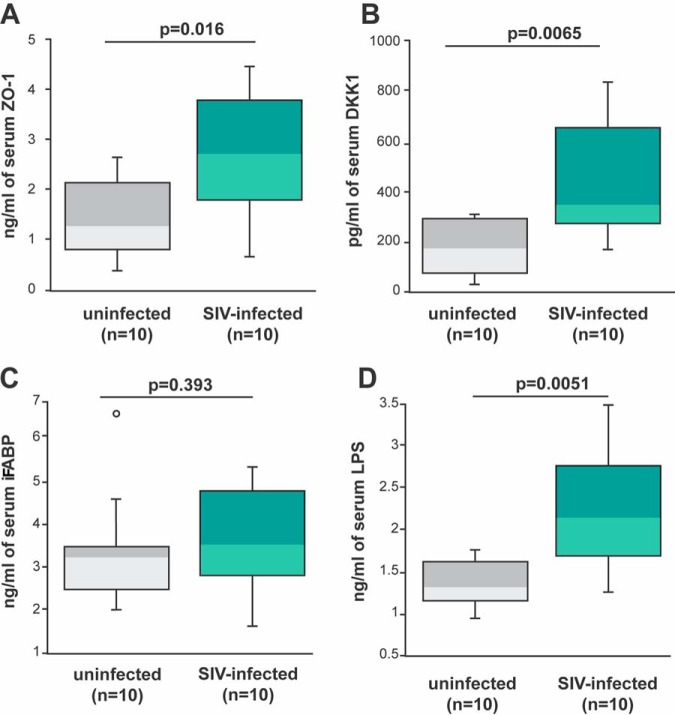
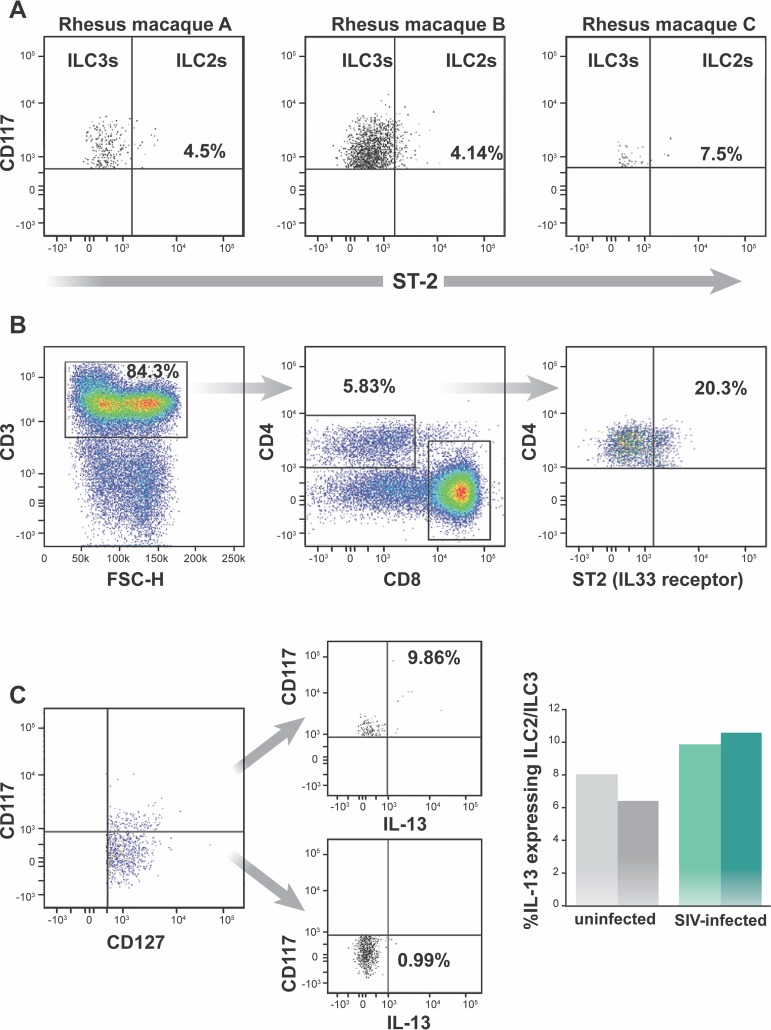
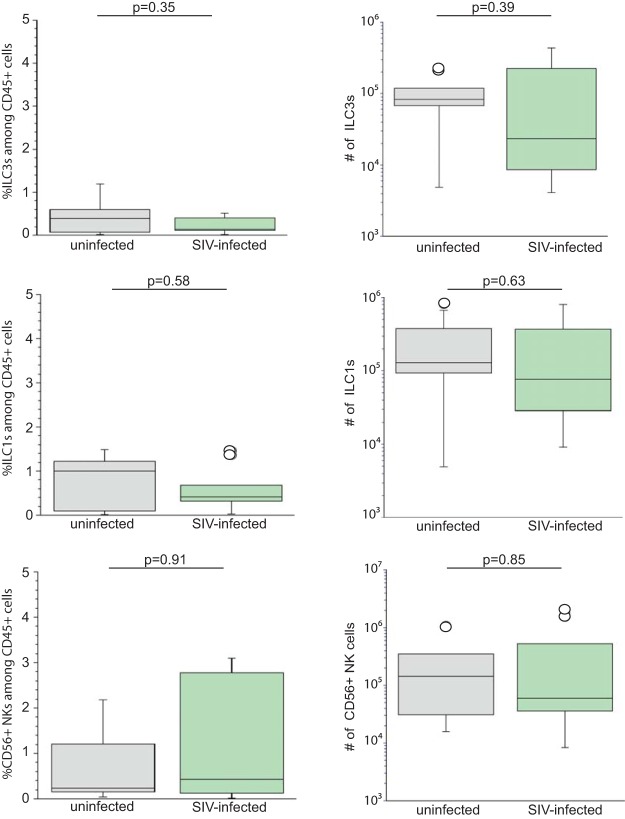
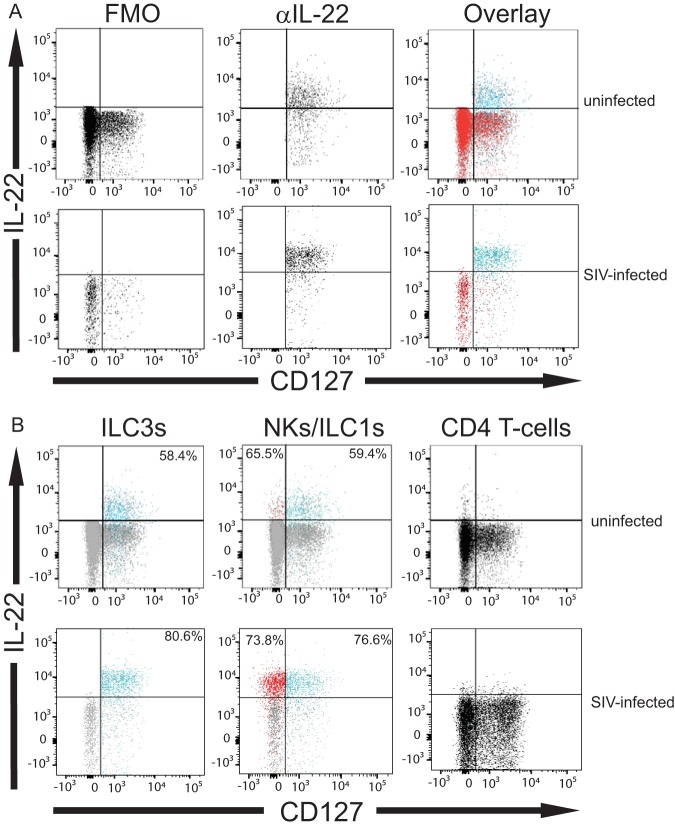
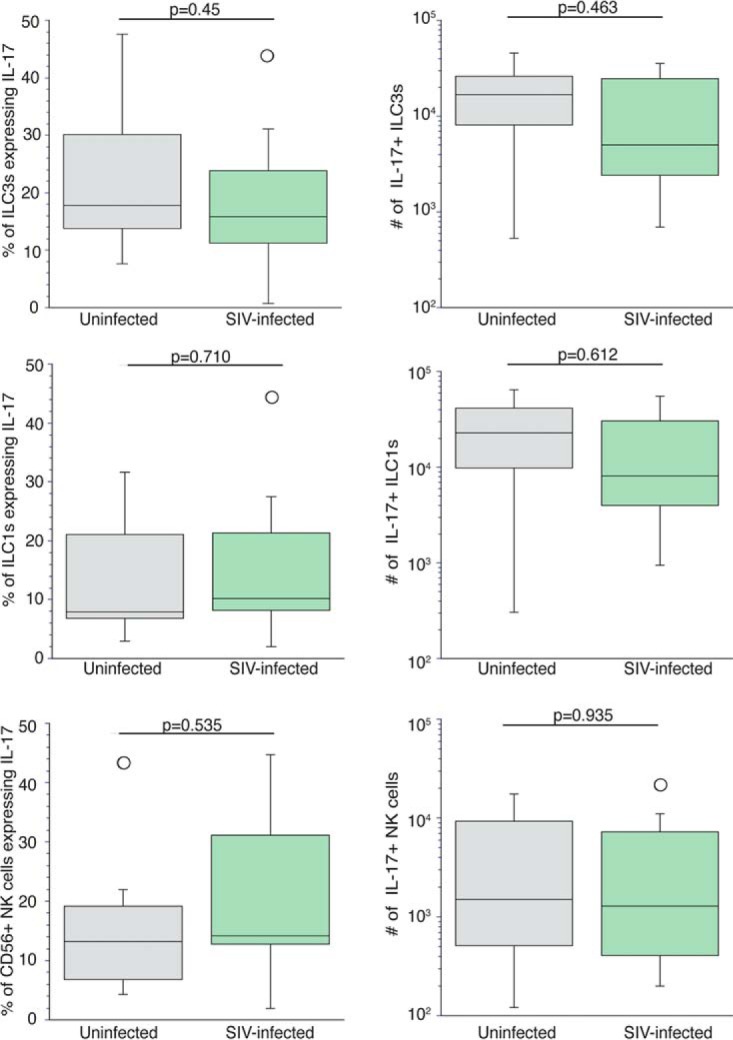
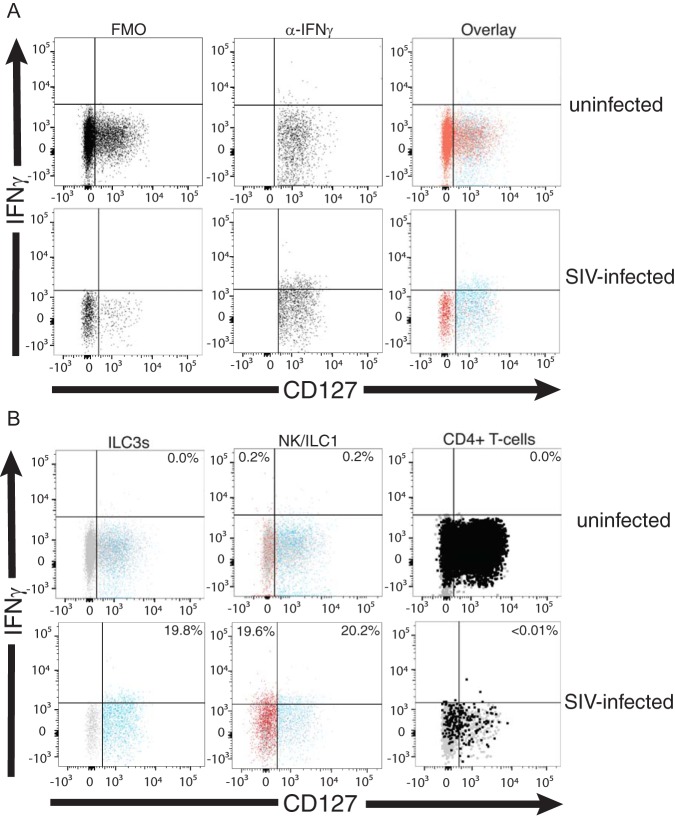
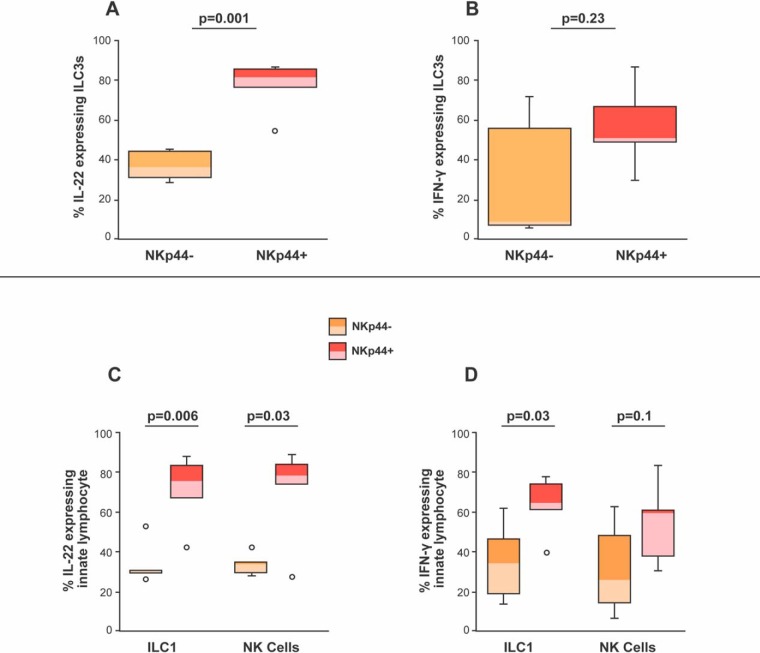
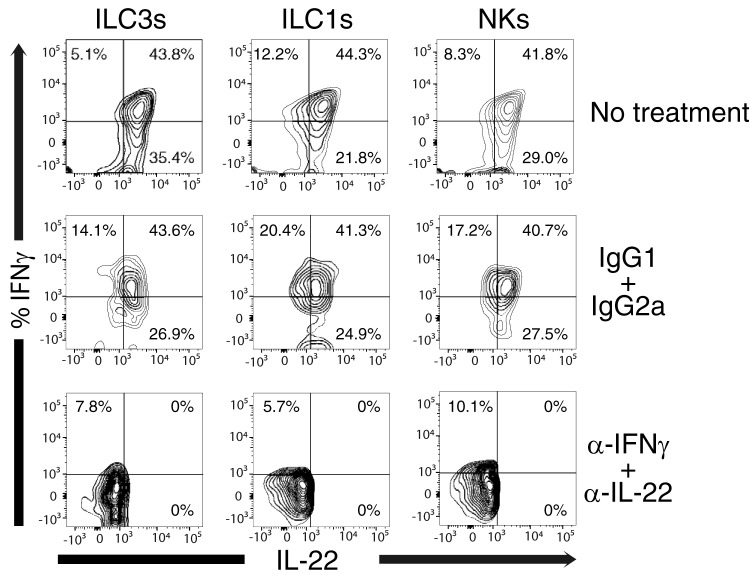
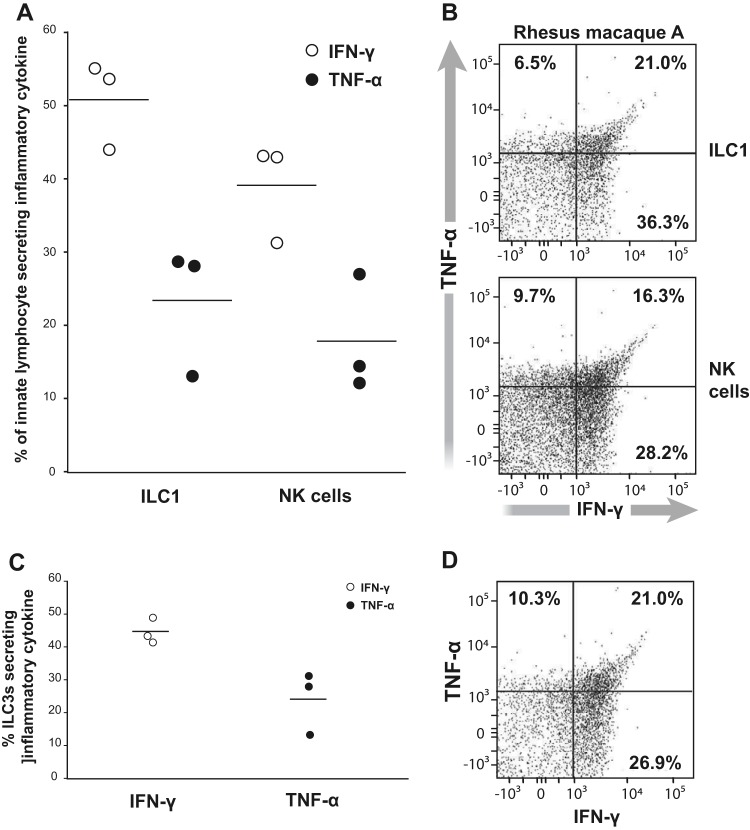
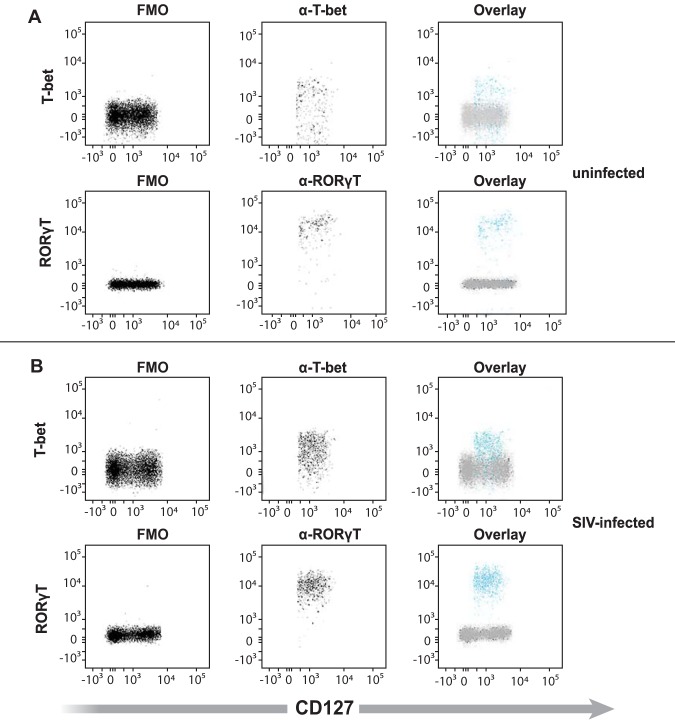
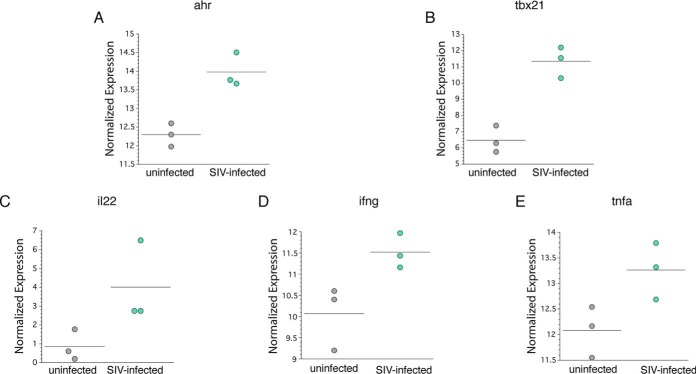
Chronic, low-grade, systemic, and mucosal inflammation correlates with increased morbidity and poor clinical outcomes among patients living with human immunodeficiency virus (HIV). These long-term complications are linked to the disruption of gastrointestinal (GI) tract epithelial barrier integrity and subsequent microbial translocation. However, the mechanisms responsible for these downstream effects of infection are unknown. Here, we demonstrate that during the disruption of the GI tract and increased microbial translocation, we find inflammatory cytokines (e.g., interferon gamma [IFN-γ] and tumor necrosis factor alpha [TNF-α]) produced by innate lymphoid cells (ILCs) located in the colon secondary to simian immunodeficiency virus (SIV) infection. To do this, we used viably cryopreserved colon cells from SIV-infected and uninfected rhesus macaque monkeys and determined the make-up of the ILC subpopulations and the cytokines they expressed constitutively. Our studies revealed that the interleukin-22 (IL-22)/IL-17-producing ILCS was not altered during SIV infection. However, the percentage of IFN-γ ILCs in infected colons was 5- to 10-fold higher than that in uninfected colons. ILCs from infected tissue that produced IFN-γ also expressed TNF-α and IL-22. The coexpression of inflammatory cytokines with IL-22 is linked to the ability of ILCs to coexpress T-bet and RORγT/Ahr. The expression of IFN-γ/TNF-α by ILCs and NK cells combined likely triggers a pathway that contributes to chronic mucosal inflammation, GI barrier breakdown, and microbial translocation within the context of SIV/HIV infection. There is a slow yet significant uptick in systemic inflammation secondary to HIV infection that has long-term consequences for the infected host. The systemic inflammation most likely occurs as a consequence of the disruption of the gut epithelial barrier, leading to the translocation of gut microbial products. This disruption may result from mucosal inflammation. Here, we show in an animal model of HIV that chronic SIV-infected gut contains innate lymphoid cells producing inflammatory cytokines.
慢性、低度、系统性和黏膜炎症与人类免疫缺陷病毒(HIV)感染者的发病率增加和临床预后不良相关。这些长期并发症与胃肠道(GI)道上皮屏障完整性的破坏以及随后的微生物易位有关。然而,感染的这些下游效应的机制尚不清楚。在这里,我们证明,在 GI 道的破坏和微生物易位增加期间,我们发现了固有淋巴细胞(ILCs)产生的炎症细胞因子(例如干扰素γ[IFN-γ]和肿瘤坏死因子α[TNF-α]),这些细胞位于感染猴免疫缺陷病毒(SIV)的结肠中。为此,我们使用了来自 SIV 感染和未感染恒河猴的可存活冷冻保存的结肠细胞,并确定了 ILC 亚群的组成以及它们持续表达的细胞因子。我们的研究表明,IL-22(IL-22)/IL-17 产生的 ILCs 在 SIV 感染期间没有改变。然而,感染结肠中 IFN-γ ILC 的比例比未感染结肠高 5-10 倍。产生 IFN-γ 的感染组织中的 ILC 也表达 TNF-α 和 IL-22。ILC 与 IL-22 共表达的炎症细胞因子与 ILC 共表达 T-bet 和 RORγT/Ahr 的能力有关。IFN-γ/TNF-α 的表达由 ILC 和 NK 细胞联合表达,可能引发一种有助于慢性黏膜炎症、GI 屏障破坏和 SIV/HIV 感染中微生物易位的途径。由于 HIV 感染,系统炎症呈缓慢但显著上升趋势,对感染宿主有长期影响。系统炎症很可能是由于肠道上皮屏障的破坏导致肠道微生物产物易位引起的。这种破坏可能是由黏膜炎症引起的。在这里,我们在 HIV 的动物模型中表明,慢性 SIV 感染的肠道含有产生炎症细胞因子的固有淋巴细胞。