Cyrino Luiz Arthur Rangel, Delwing-de Lima Daniela, Ullmann Oliver Matheus, Maia Thayná Patachini
Programa de Pós-Graduação em Saúde e Meio Ambiente, Laboratório de Práticas Farmacêuticas of Department of Pharmacy, University of Joinville Region-UNIVILLE, Joinville, Brazil.
Department of Psychology, University of Joinville-UNIVILLE, Joinville, Brazil.
Front Behav Neurosci. 2021 Feb 26;15:609487. doi: 10.3389/fnbeh.2021.609487. eCollection 2021.
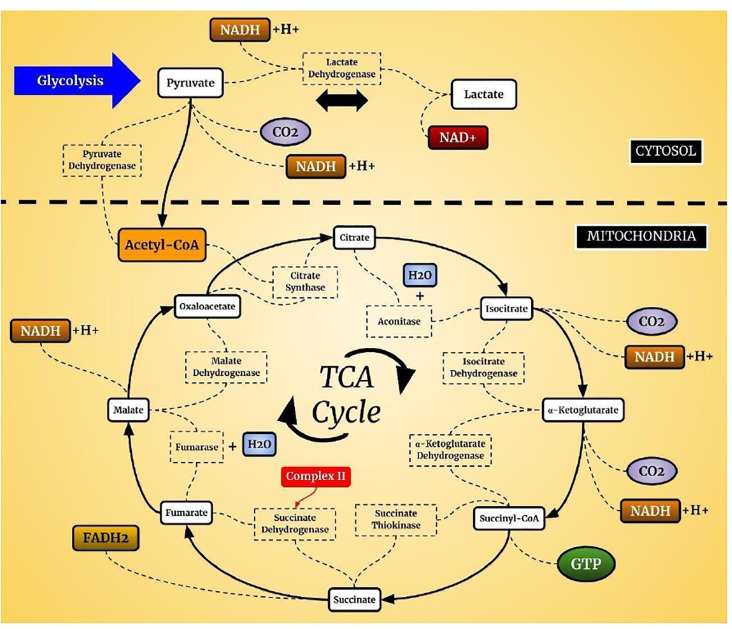
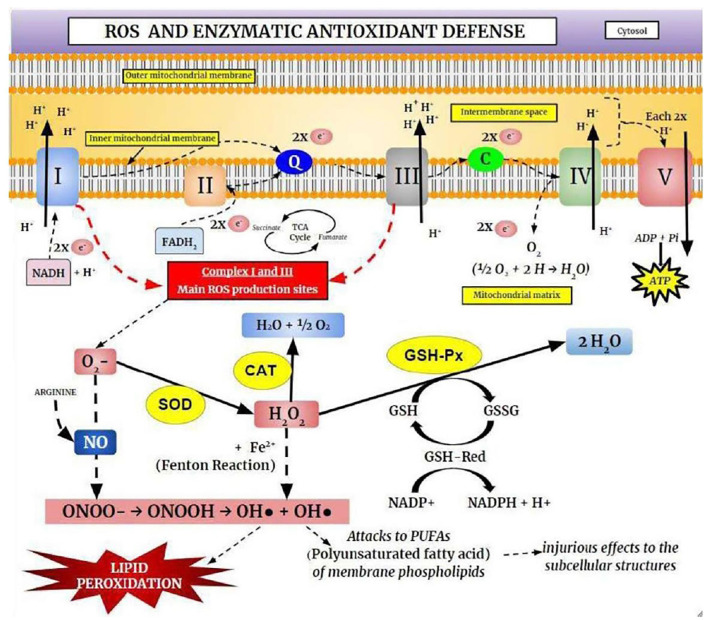
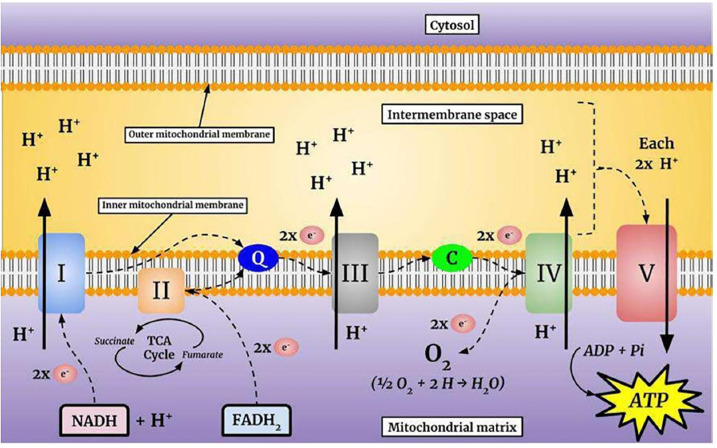
Bipolar disorder (BD) is a chronic psychiatric disease, characterized by frequent behavioral episodes of depression and mania, and neurologically by dysregulated neurotransmission, neuroplasticity, growth factor signaling, and metabolism, as well as oxidative stress, and neuronal apoptosis, contributing to chronic neuroinflammation. These abnormalities result from complex interactions between multiple susceptibility genes and environmental factors such as stress. The neurocellular abnormalities of BD can result in gross morphological changes, such as reduced prefrontal and hippocampal volume, and circuit reorganization resulting in cognitive and emotional deficits. The term "neuroprogression" is used to denote the progressive changes from early to late stages, as BD severity and loss of treatment response correlate with the number of past episodes. In addition to circuit and cellular abnormalities, BD is associated with dysfunctional mitochondria, leading to severe metabolic disruption in high energy-demanding neurons and glia. Indeed, mitochondrial dysfunction involving electron transport chain (ETC) disruption is considered the primary cause of chronic oxidative stress in BD. The ensuing damage to membrane lipids, proteins, and DNA further perpetuates oxidative stress and neuroinflammation, creating a perpetuating pathogenic cycle. A deeper understanding of BD pathophysiology and identification of associated biomarkers of neuroinflammation are needed to facilitate early diagnosis and treatment of this debilitating disorder.
双相情感障碍(BD)是一种慢性精神疾病,其特征是频繁出现抑郁和躁狂的行为发作,在神经学上表现为神经递质传递失调、神经可塑性、生长因子信号传导和代谢异常,以及氧化应激和神经元凋亡,进而导致慢性神经炎症。这些异常是由多个易感基因与压力等环境因素之间的复杂相互作用引起的。BD的神经细胞异常可导致明显的形态学变化,如前额叶和海马体积减小,以及回路重组,从而导致认知和情感缺陷。术语“神经进展”用于表示从早期到晚期的渐进性变化,因为BD的严重程度和治疗反应丧失与既往发作次数相关。除了回路和细胞异常外,BD还与线粒体功能障碍有关,导致高能量需求的神经元和神经胶质细胞出现严重的代谢紊乱。事实上,涉及电子传递链(ETC)破坏的线粒体功能障碍被认为是BD中慢性氧化应激的主要原因。随之而来的对膜脂质、蛋白质和DNA的损伤进一步加剧了氧化应激和神经炎症,形成了一个持续的致病循环。需要更深入地了解BD的病理生理学并确定相关的神经炎症生物标志物,以促进对这种使人衰弱的疾病的早期诊断和治疗。